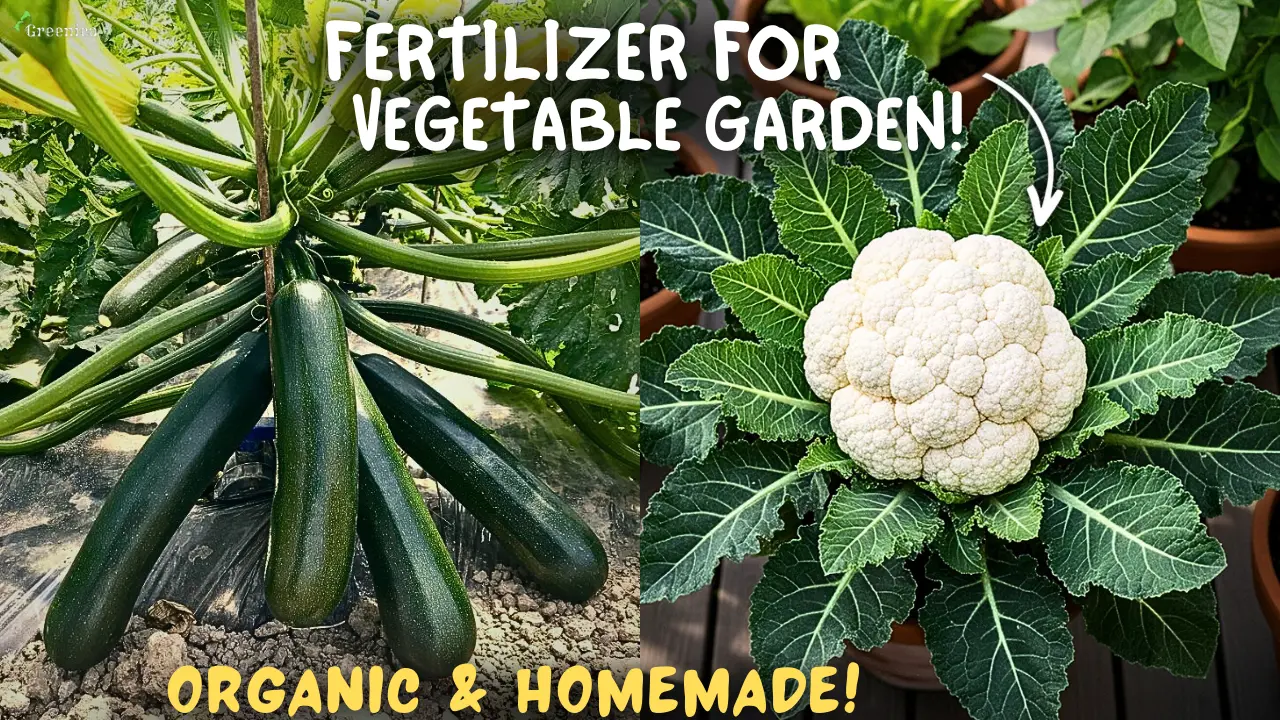
Homemade & Organic Fertilizer For Vegetable Plants…

Fertilizer is one of the most essential needs of vegetable plants. Providing a good fertilizer is the key to a healthy harvest. So let’s know how we can make a good fertilizer for vegetable plants at home using kitchen-based ingredients. So let’s begin.
What Kind of Fertilizer Do Vegetable Plants Like?
First of all, it’s very important to understand what exactly vegetable plants need in their fertilizer. What makes vegetable plants different from other plants is that they produce flowers and fruit.
Where other plants mainly need nitrogen and trace elements, vegetable plants need nitrogen as well as potassium and phosphorus so they can perform well in their flowering and fruiting stage.
Nitrogen helps the plant grow bigger and stronger, but as the plant matures, it needs potassium and phosphorus to produce a lot of flowers and ultimately fruit.
With the presence of potassium and phosphorus, the flowering and fruiting stage goes very smoothly. The fruits become bigger, healthier, and more flavorful.
One thing in our fertilizer that is most essential is the pH. pH itself doesn’t feed the plant, but it acts like an appetizer—if the pH is ideal, the nutrients in the soil will be absorbed by the roots much more effectively.
Fluctuations in pH cause reduced absorption of nutrients. Overall, our homemade vegetable fertilizer should contain all nutrients but with higher phosphorus and potassium, and a slightly acidic pH. This combination makes the best fertilizer for vegetables.
What are its Benefits?
Using a good fertilizer for vegetable plants has a lot of benefits.
It includes better fruiting and flowering, fewer pest issues, more resistance to stresses, bigger and more flavorful fruits, higher yield compared to normal plants, improved soil structure, and best of all, it’s organic and homemade, which won’t affect our health.
So in conclusion, you must try a good fertilizer on your plants to see how effortless gardening can be.
The Key Ingredients:
Now let’s know which ingredients we can use to make a good fertilizer for our vegetable plants.
Compost 100g:
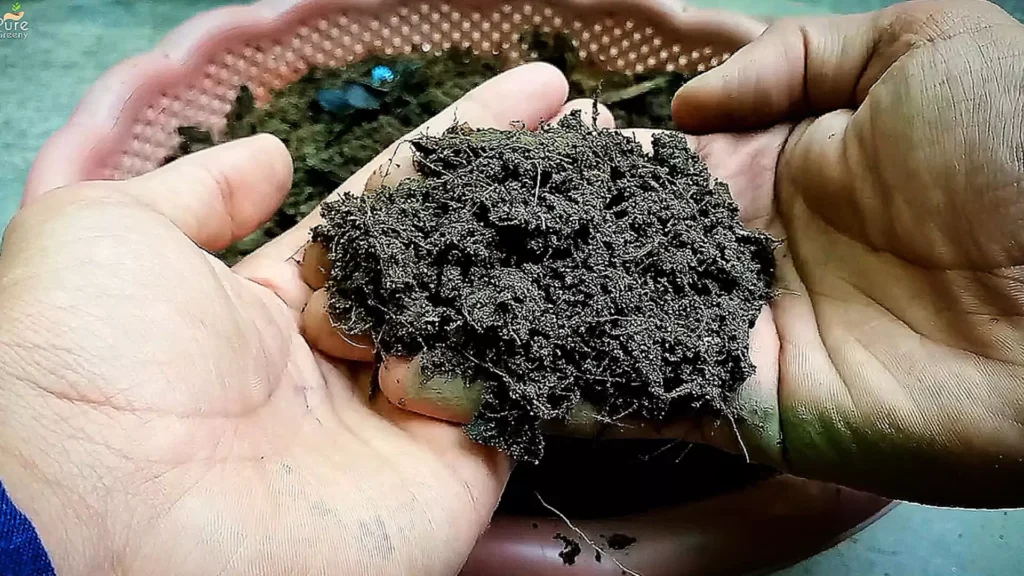
The first ingredient in our organic vegetable fertilizer is compost. Compost is an organic fertilizer rich in all nutrients. I must say you should use vermicompost or leaf compost; if they are unavailable, only then you should use kitchen-waste compost.
Compost will provide our fertilizer with a variety of nutrients, and it also has a slightly acidic pH, which is ideal for vegetable plants. A video guide on vermi compost is added Here.
Cow Dung 5 Tbsp:
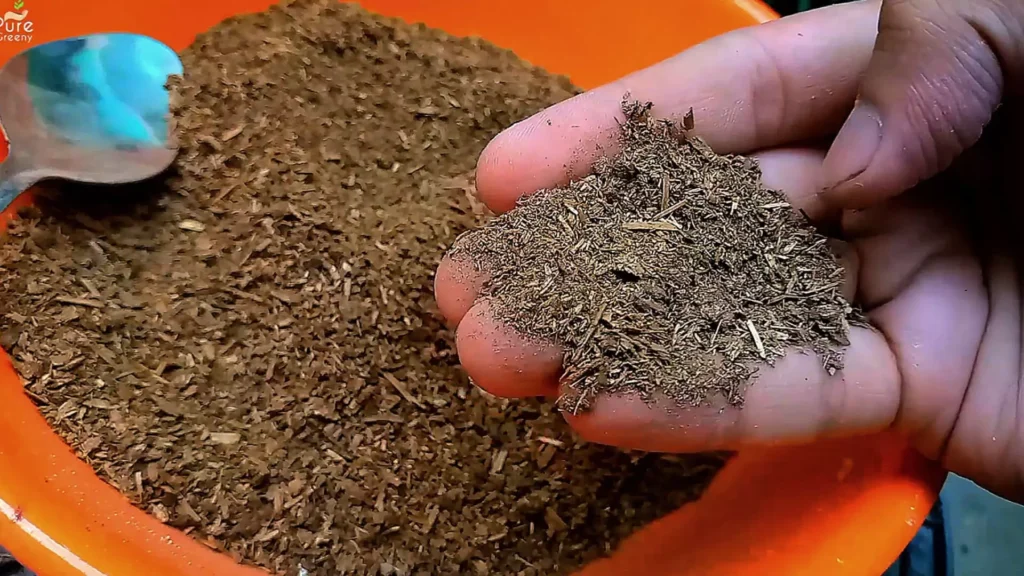
Another ingredient in our vegetable fertilizer is cow dung. Cow dung is one of the most useful fertilizers. It contains a lot of nitrogen along with a variety of trace elements.
Nitrogen is important for growth, while trace elements play a key role in keeping the plant healthy. Make sure you are using dried cow dung or cow dung compost. We only need a small amount. You can also buy cow dung from Here.
Eggshells 4 Tbsp:

One ingredient of our homemade vegetable fertilizer is a calcium source. Calcium plays a big role, especially in heavy-feeding vegetable plants like peppers, tomatoes, and cauliflowers.
We will be using eggshells to provide calcium to our plants. Yes, they release calcium slowly in the soil, but this fertilizer is not for quick results—we want our fertilizer to be long-lasting.
Dry the eggshells in the sun after washing them, then crush them into a powdery form. With this, the fruiting stage of your plants will be free from many diseases. You can learn more about the benefits of calcium for plants from Here.
Rock Phosphate 1 Tbsp:

Another ingredient of our homemade fertilizer for vegetable plants is rock phosphate. It is a rich source of phosphorus, and phosphorus is very important for root development and flowering.
We need strong feeder roots so the plant can absorb a variety of nutrients from the soil, and this is where phosphorus helps. Phosphorus promotes the growth of feeder roots in vegetable plants.
We only need a small amount of rock phosphate. If it’s not available, you can skip this ingredient. A good-quality rock phosphate is also added Here.
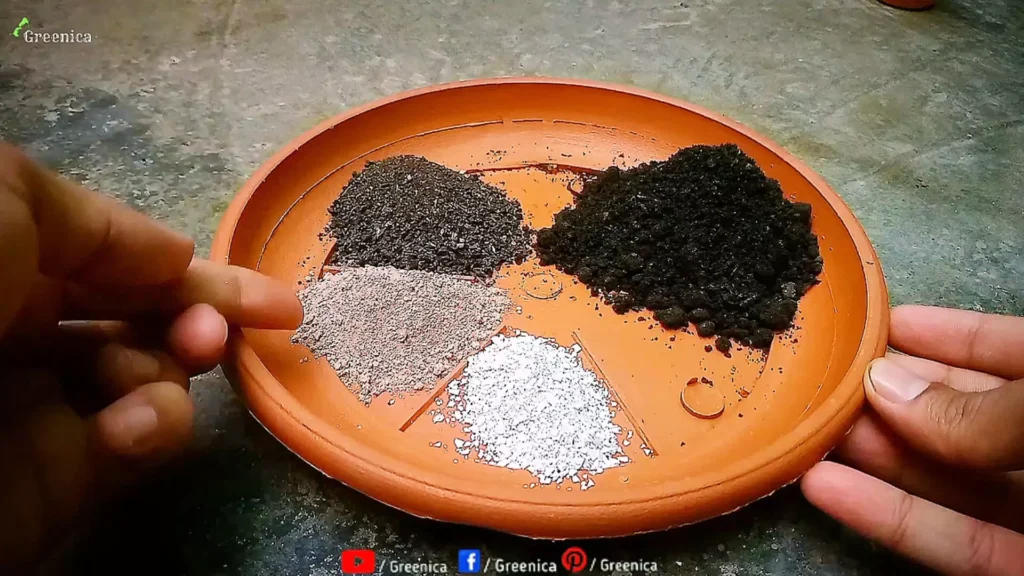
- Compost 100g
- Cow Dung 5 Tbsp
- Rock Phosphate 1 Tbsp
- Eggshells 4 Tbsp
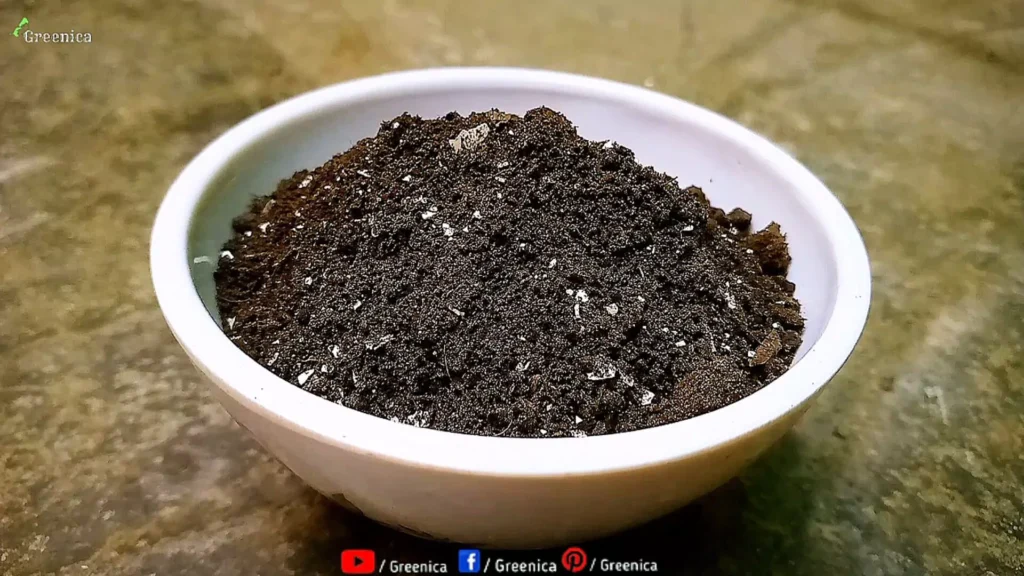
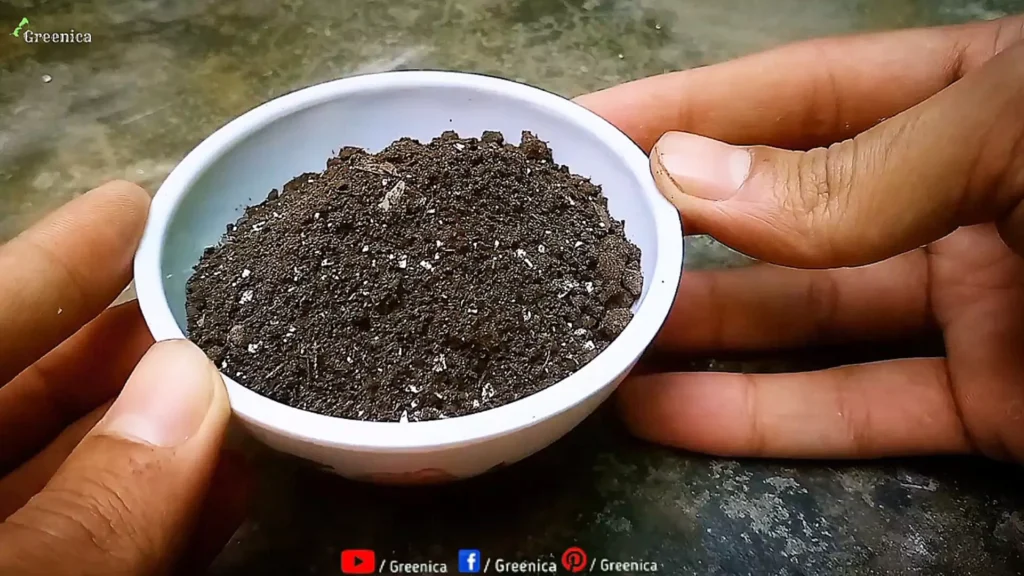
Here we have all our ingredients in the given amounts. Mix them really well, and our homemade organic vegetable fertilizer is ready to use.
How to Apply It Properly?
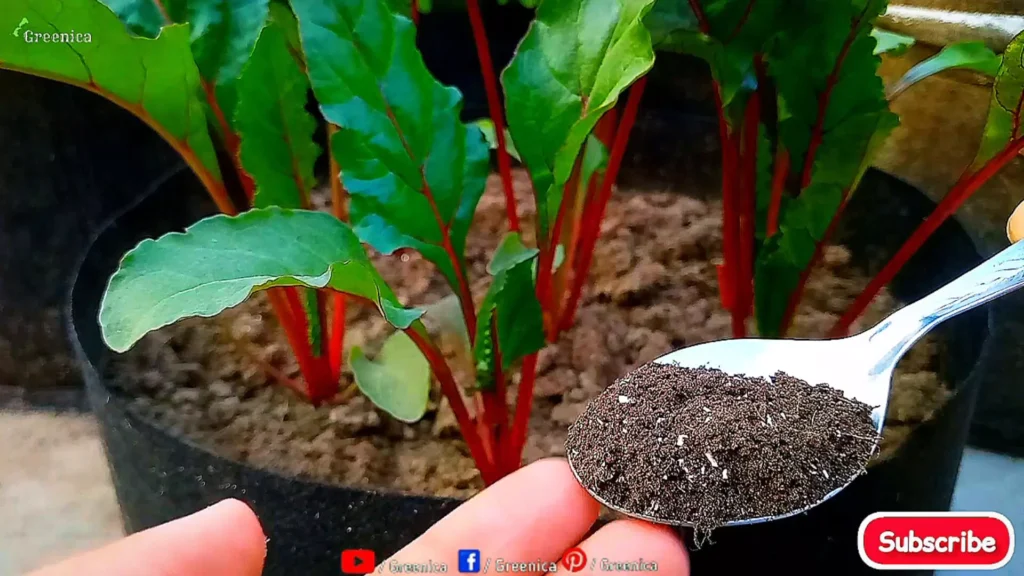
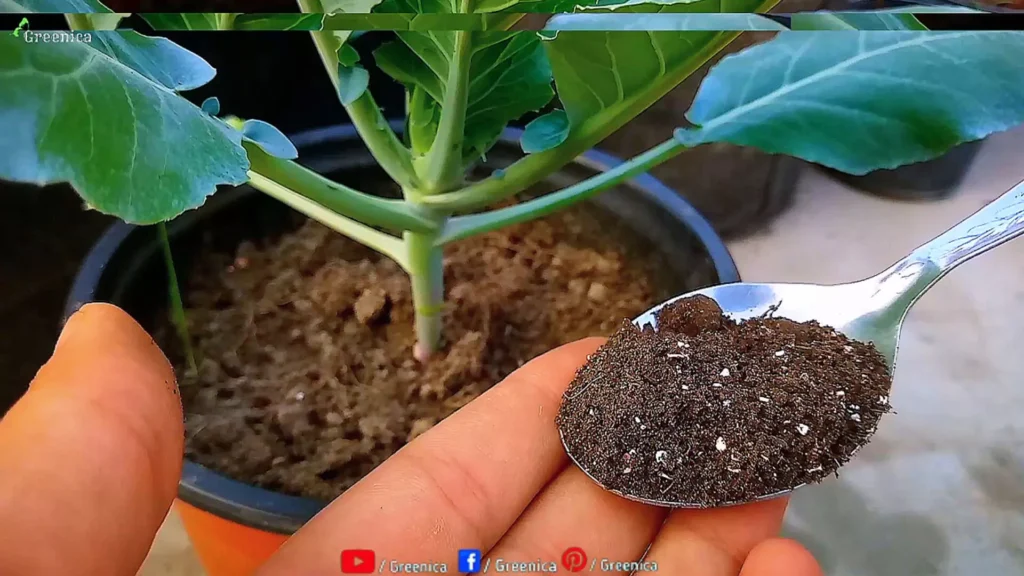
To correctly apply our organic vegetable fertilizer, let the upper layer of soil dry out a bit. Then add four to five tablespoons in an 8–10 inch pot. You can use this fertilizer in the evening once the plant is at least a month old.
Afterwards, keep using it every two weeks. Don’t use it if your plant is under any kind of shock. The best time to use it is during the growing phase. You will see your plants growing very well, and within one to two applications, results will be visible.
Can We Use It for All Kinds of Vegetables?
You can use this fertilizer on all kinds of vegetable plants—leafy vegetables, flowering vegetables, or root vegetables—just follow the proper method.
Do you know what’s more important than fertilizer, especially for vegetable plants? It’s their soil media. If the soil is good enough, your plants will grow very well. So here is a detailed Guide on making a good soil media for vegetable plants at home, if you’d like to follow it.