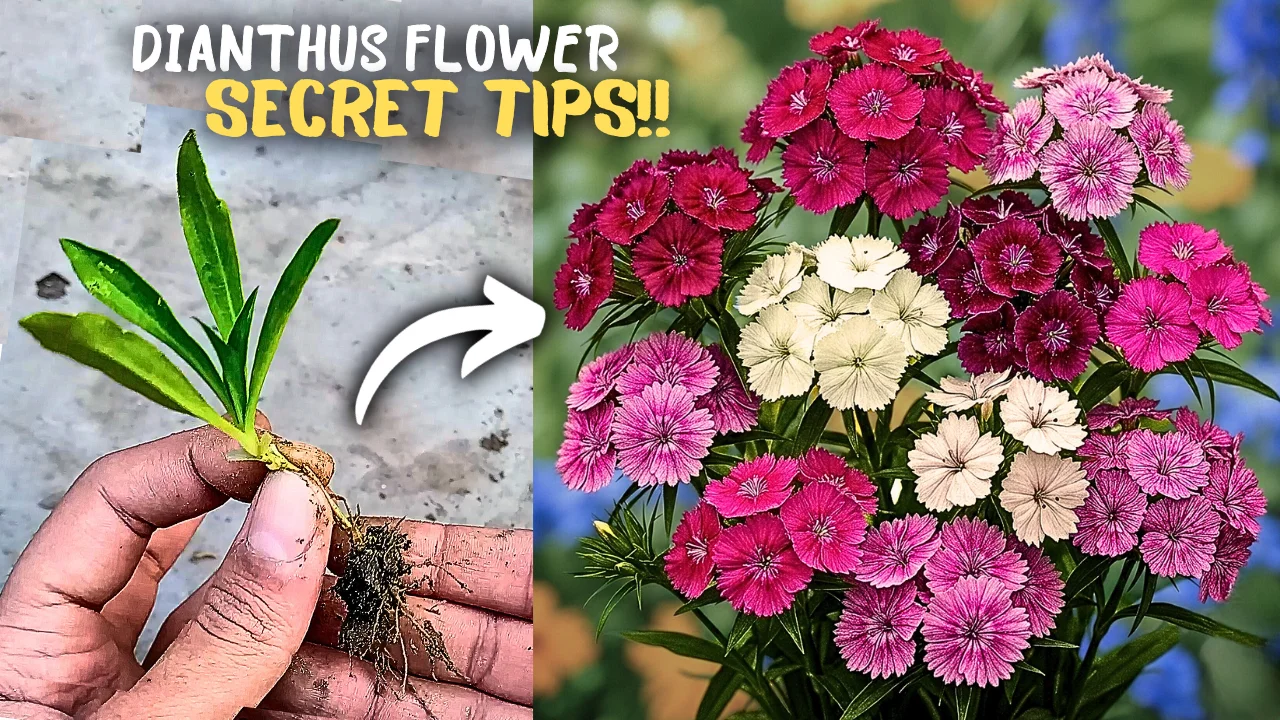
How to Grow Dianthas (Sweet William Plant) Flowers? – Secret Care Tips!
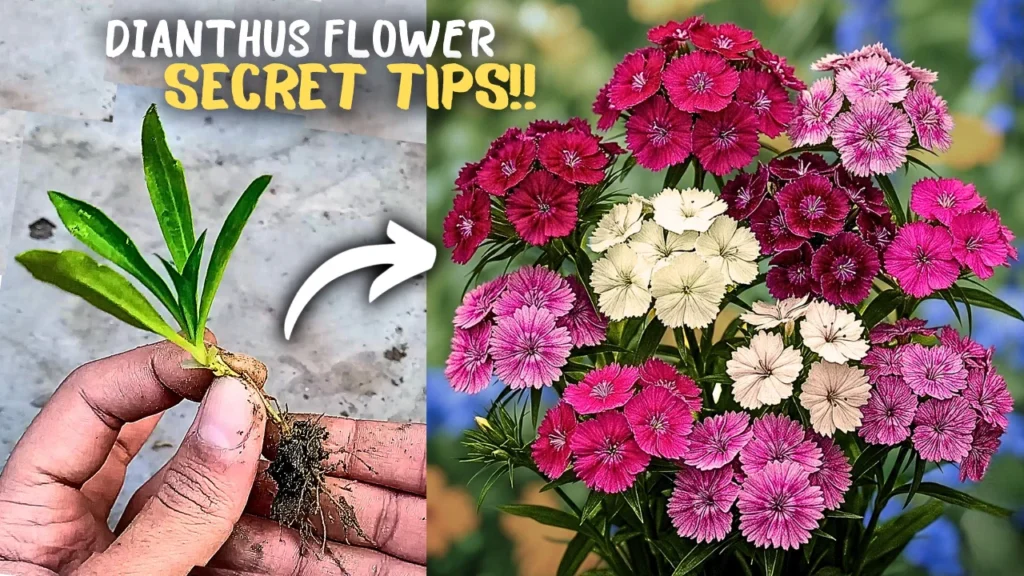
Dianthus flower plant, also known as Sweet William, is a common plant. It is very hardy, low maintenance, and easy to grow. In this video, we will see some of its growing tips that will help you a lot. So, let’s begin.
1-Planting When the Season Is Right!
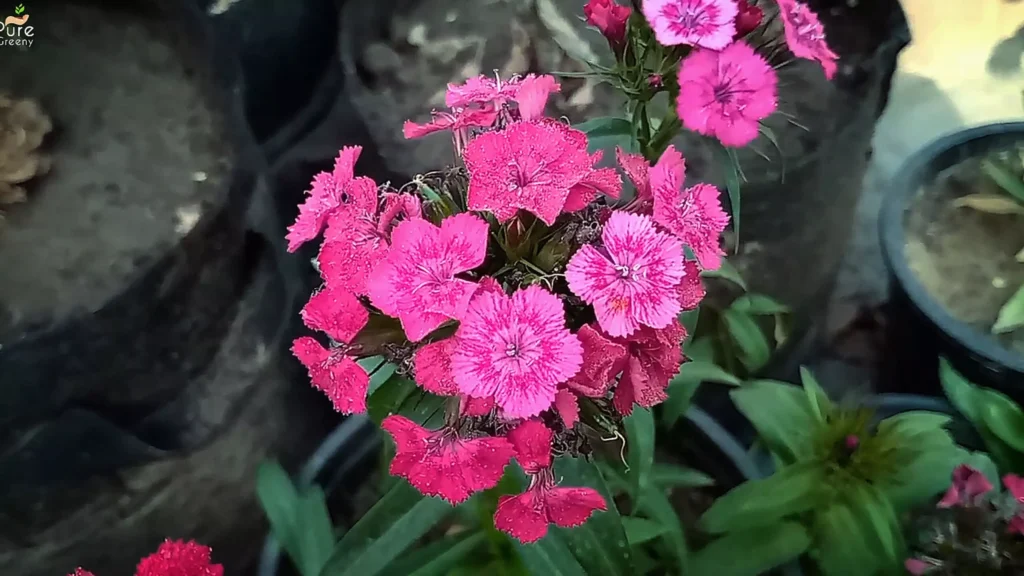
The first and most important thing in Sweet William plant care is the growing season. When you grow a plant in its proper growing season, it produces a lot of flowers, resists diseases, and your effort is reduced significantly.
Dianthus is an easy-to-grow winter plant. It likes a cool temperature range. If the temperature is below 25°C, you can easily grow dianthus flowers either from seeds or seedlings.
However, if the temperature drops below 10°C, which happens commonly in very cold regions, this can put stress on the plant, and it may even die.
So, in areas where the temperature goes much below the ideal range, you should plant dianthus in spring or summer, not in winter.
Overall, it is a cool-season plant. If you live in a moderate climate region, plant it in winter. If you live in a cold climate region, plant it during spring or summer.
2-Growing Seedlings vs. Seeds?
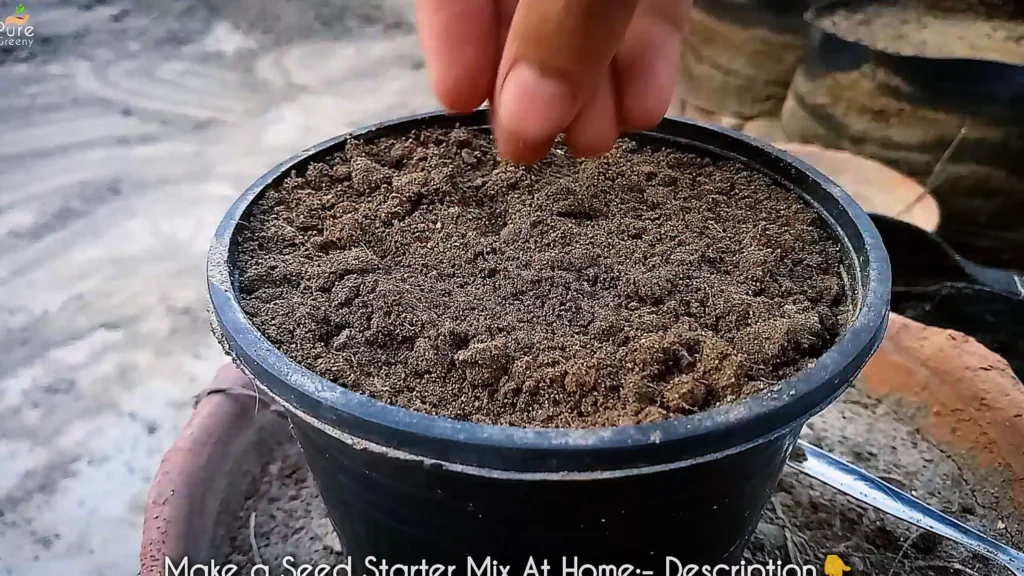
If you want to start dianthus flowers in your garden, you can either grow them from seeds or buy seedlings from a nursery. I grow them from seeds, and they are easy to grow.
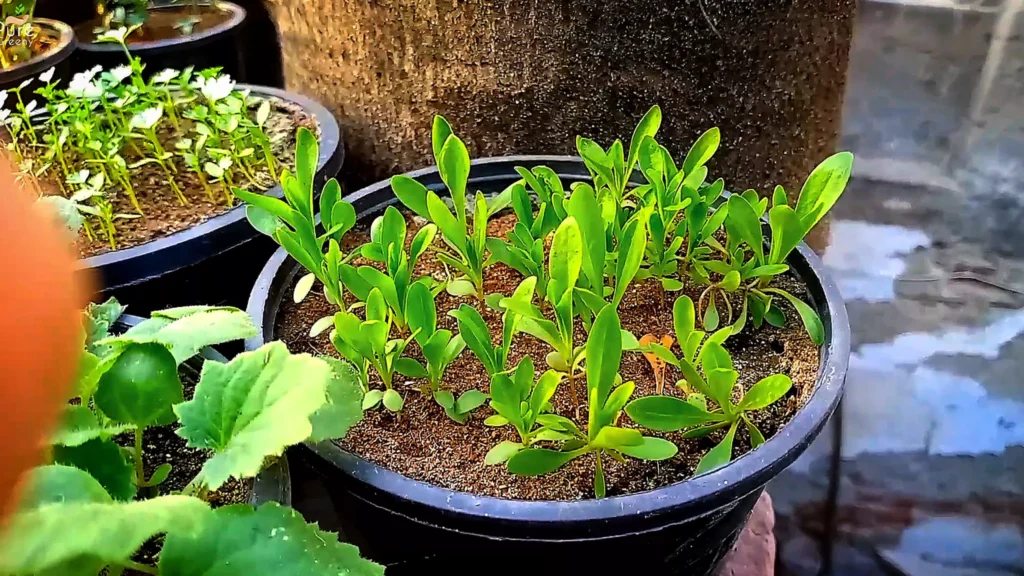
However, if you are a beginner, you should buy seedlings from a nursery.
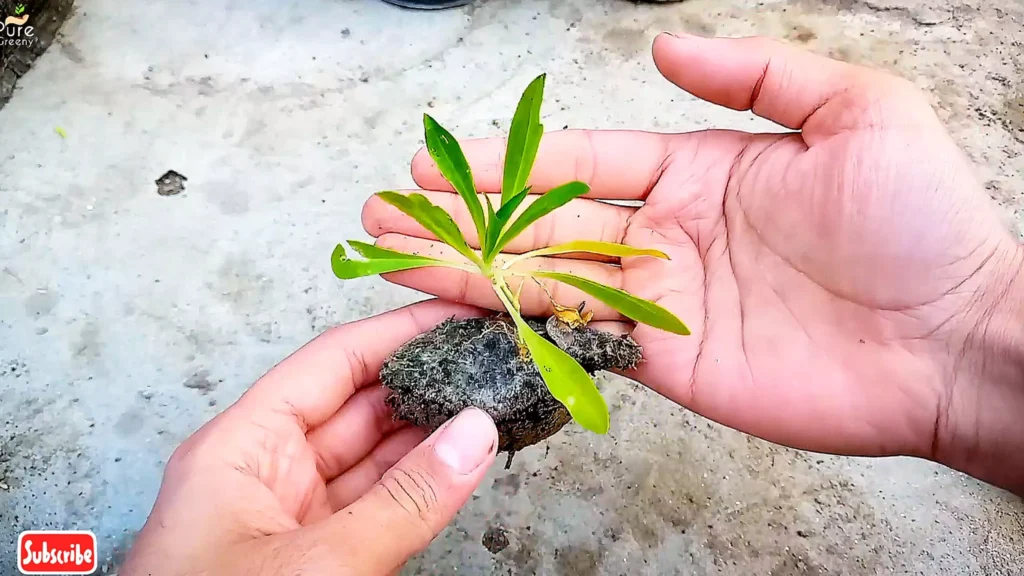
They are easily available during the growing season. Plant these seedlings individually in the evening time.
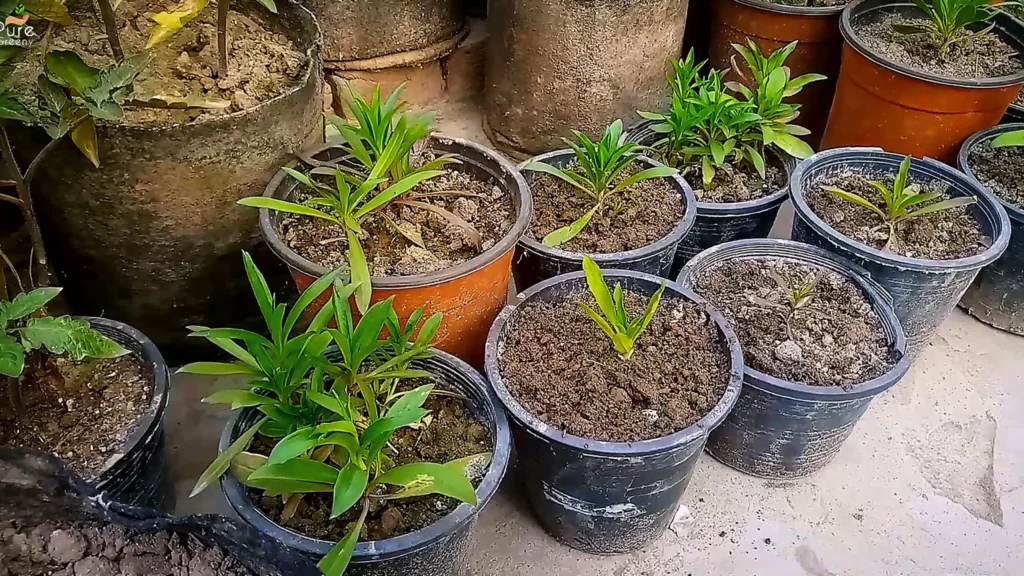
For a week or so, you may not see good growth, but after some time, your plants will start producing new leaves.
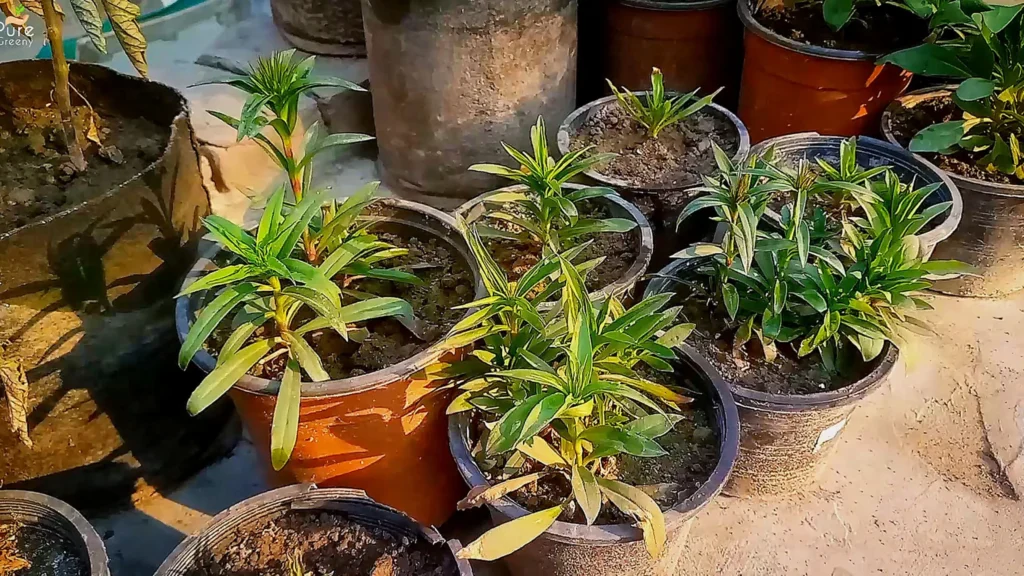
Within a month, you will see buds forming on your plants.
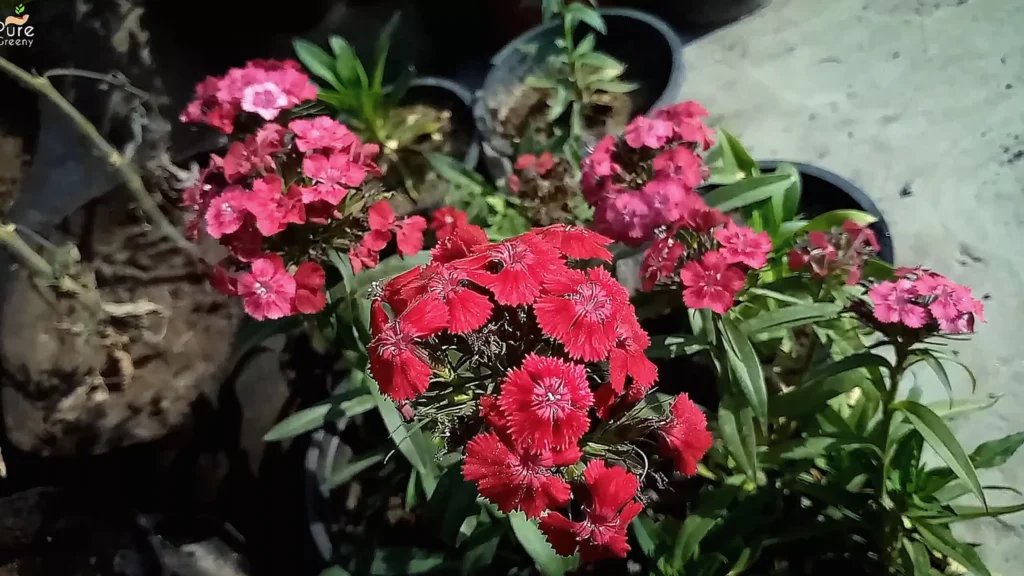
Make sure the plant receives plenty of light and that your soil is fertile, and you will get lots of blooms throughout the season.
3-Soil Quality & Growth!
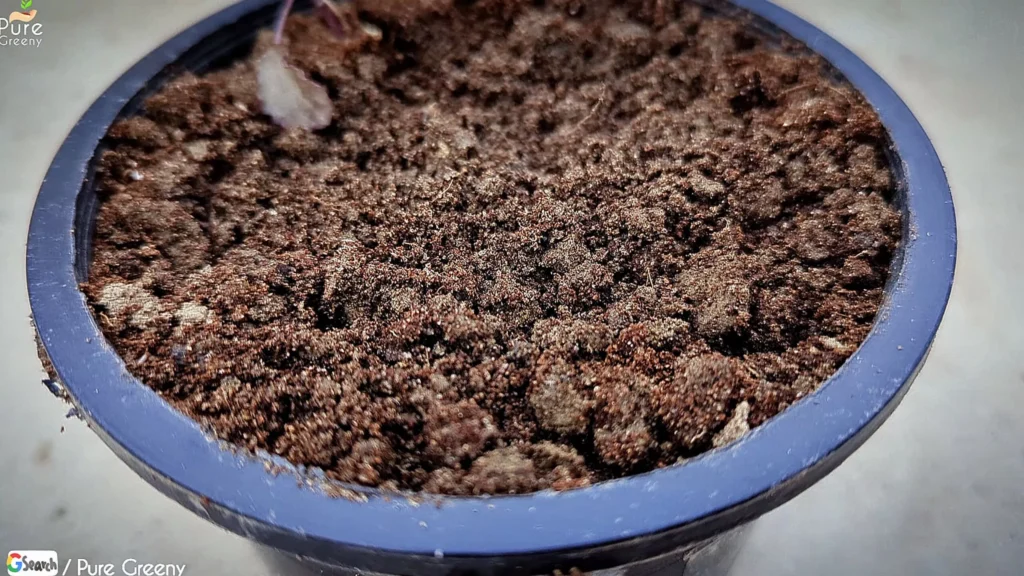
One of the most important factors for healthy and fast growth of dianthus plants is the soil. If your soil is good, you will see fewer problems, and your plants will grow well in the ideal season.
On the other hand, if your soil lacks basic qualities like good drainage and softness, your plants will struggle even if the season is ideal.
For consistent growth, use a well-draining, soft, and loose soil mixture. It is very easy to prepare such a mix at home. A simple soil recipe is added Here. You can follow that.
4-Maximum Flowering Spot?
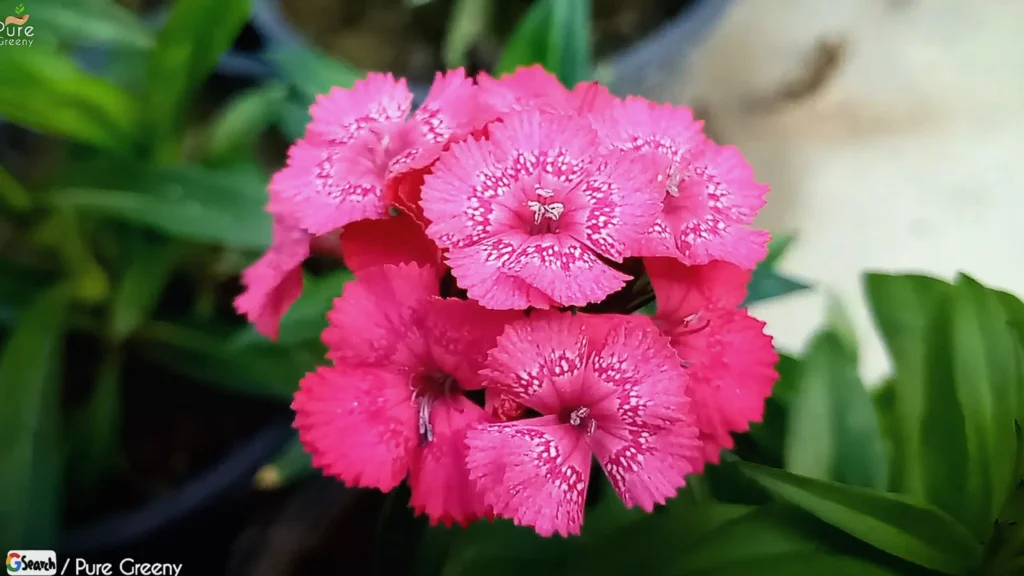
Another important thing in dianthus plant care is choosing the right spot. After the ideal season, sunlight is the most important factor for maximum flowering on your Sweet William plants.
Without proper sunlight, your plants cannot grow properly. You may see some leaves and a few buds, but maximum flowering only happens in a sunny spot.
Dianthus plants can resist some diseases on their own if they receive a good amount of sunlight. Make sure they get at least 2 to 4 hours of direct sunlight, and more than that works even better. So ensure proper sunlight.
5-Best Fertilizer to Use…

Now let’s talk about fertilizer for the best growth and flowering in dianthus plants. It is a hardy seasonal plant that will grow whether you fertilize it or not. The role of fertilizer is to enhance and improve flowering, not just support growth.
Any good balanced fertilizer works well for such seasonal plants. I make a fertilizer at home, which is excellent for flowering plants. You can use it at least once a month during the growing season. A Detailed guide on how to make this fertilizer is also added Here.
6-Seed Collection & Deadheading?
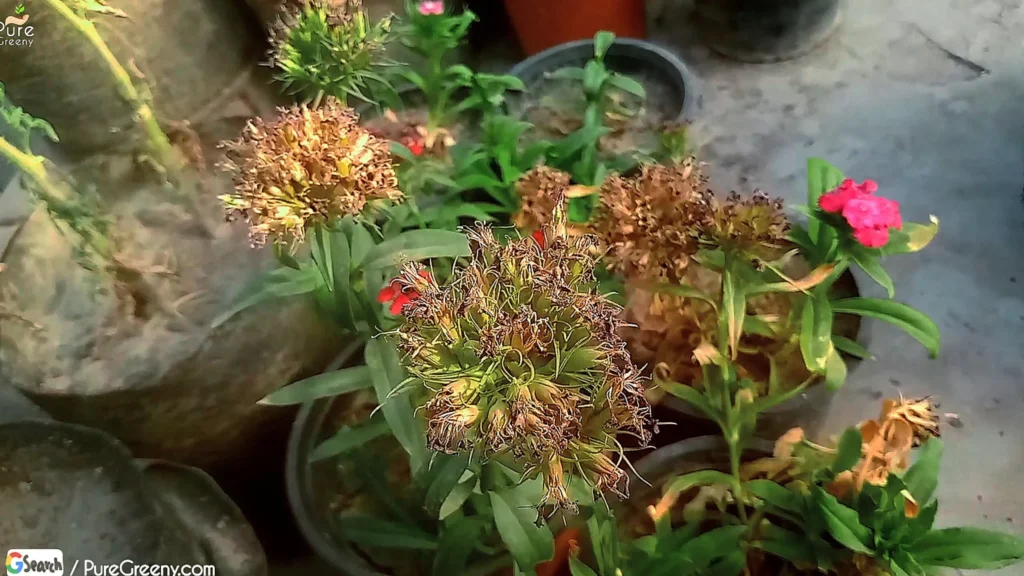
At the end of the growing season, when the temperature starts rising or dropping significantly, you will see your plants forming seed pods. Once they dry out, you can open them and collect the seeds.
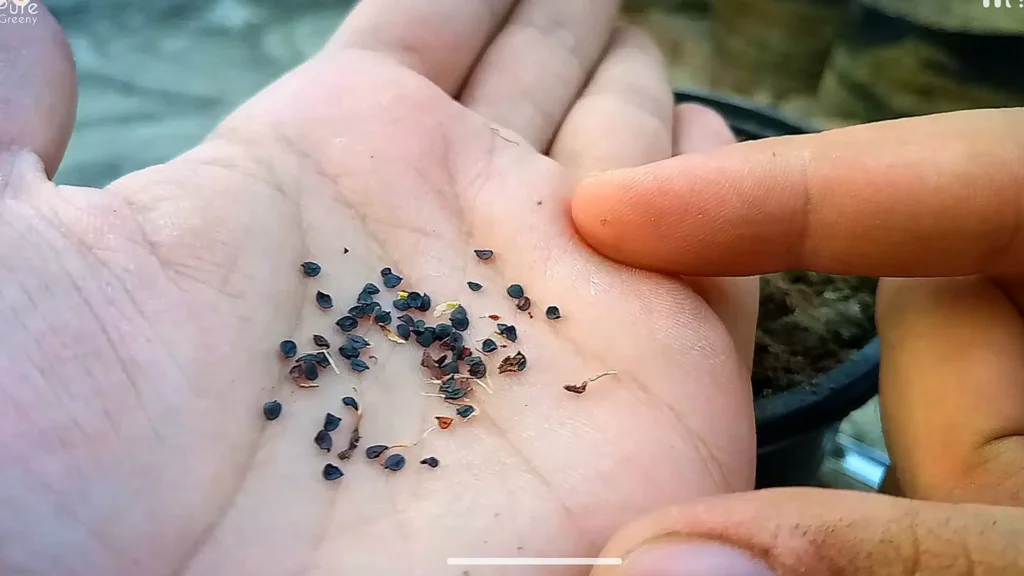
It is very simple. These are the seeds of Sweet William plants. Store them in a dark and dry place, and you can grow them in the upcoming season.
However, if your plants start forming seed pods long before the season ends, you should remove them. Otherwise, the flowering of the entire plant will reduce. Whenever you see a dead or dried flower on the plant, simply remove it. Otherwise, you will notice fewer flowers in the future.
That’s all about the dianthus plant care guide. Feel free to follow this guide for another winter bloomer called hollyhock.