Why Are My Pothos Leaves Turning Yellow? (9 Causes & Fix)
Why Are My Pothos Leaves Turning Yellow? Causes and Fixes
If your pothos (also called money plant) leaves are turning yellow, it usually comes down to one of a few things: overwatering or underwatering, too much direct sunlight, transplant shock, nutrient deficiency, seasonal temperature changes, or simply old leaves naturally dying back. Poor soil, pests, or water quality can play a smaller role too.
The good news is that most cases are easy to fix once you know which cause matches your plant. Below is a breakdown of each cause, how to spot it, and exactly what to do — including simple fixes like Epsom salt and homemade compost tea.
Quick Overview: Common Causes of Yellow Pothos Leaves
| Cause | Common Signs | Quick Fix |
|---|---|---|
| Overwatering | Mushy stems, soggy soil, limp yellow leaves | Let soil dry out; check roots for rot |
| Underwatering | Dry, curling, crispy yellow leaves | Water more consistently |
| Too much direct sun | Pale, bleached, stunted leaves | Move to bright, indirect light |
| Nutrient deficiency | Yellowing between veins, small new leaves | Feed with Epsom salt or compost tea |
| Transplant shock | Yellowing right after repotting | Keep care consistent; be patient |
| Seasonal change | Random yellowing, often outdoors | Usually resolves on its own |
| Compacted soil | Poor drainage, slow growth | Repot into a well-draining mix |
| Natural aging | One or two older, lower leaves yellow | Normal — trim if you like |
1. Stress and Shock: Watering, Light, and Transplanting
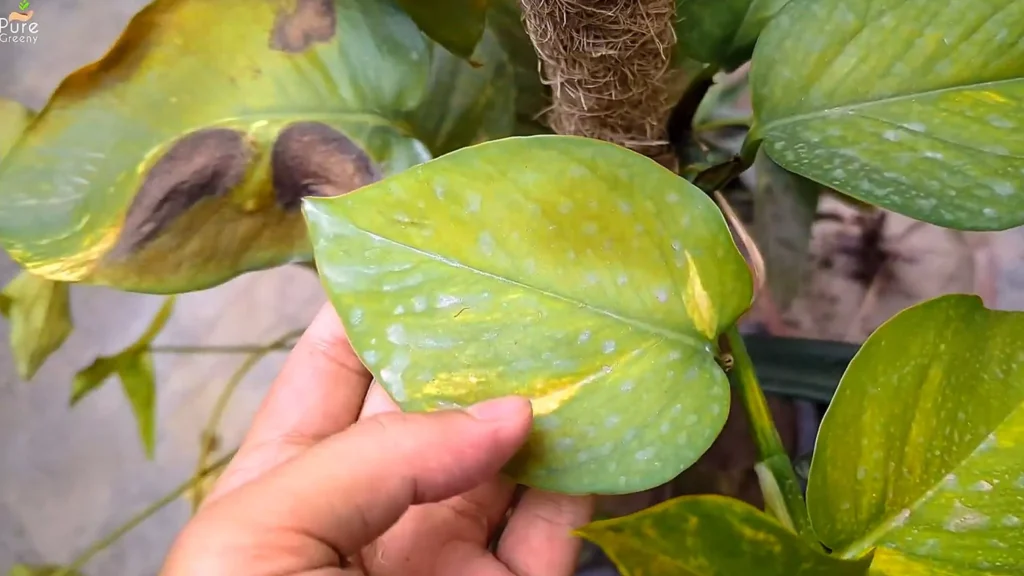
Pothos are hardy plants, but consistent stress shows up as yellowing before anything else goes wrong.
Overwatering and Underwatering
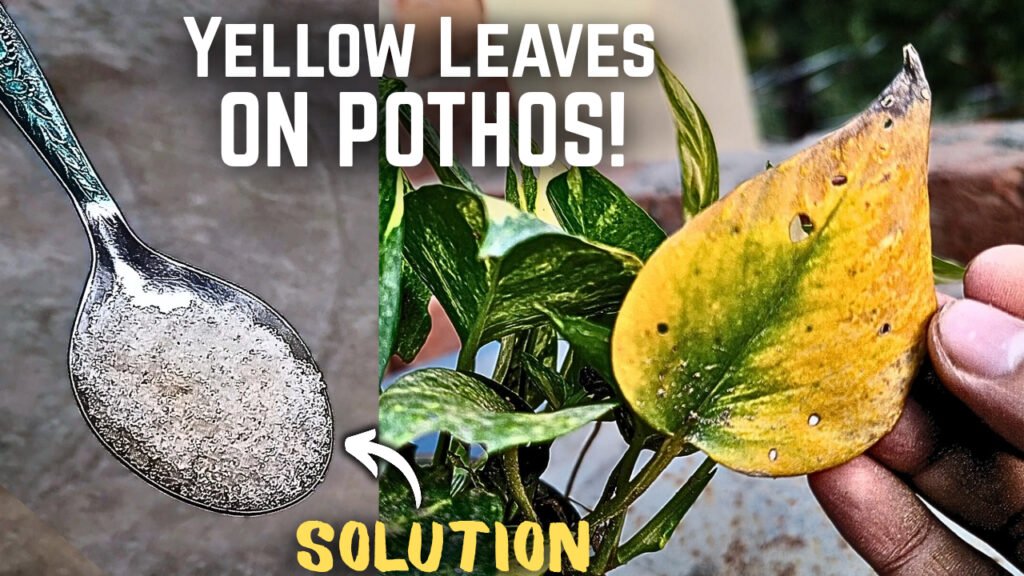
Most yellowing in pothos traces back to watering. Overwatered pothos develop soft, mushy stems and limp yellow leaves, often because the roots are sitting in soggy soil and starting to rot. Underwatered pothos, by contrast, tend to show dry, crisp, curling yellow leaves.
Check the soil before watering again: push a finger about two inches down and only water once it feels dry. If the roots look brown and mushy rather than white and firm, that’s root rot — trim away the damaged roots and repot in fresh, well-draining soil.
Too Much Direct Sunlight
Beginners often place pothos in direct sunlight, assuming more light means faster growth. In practice, pothos kept in direct sun typically develop pale, bleached leaves and stunted growth within days, while the same plant thrives with lush, green leaves once moved into bright, indirect light. Pothos naturally grow under tree canopies in the wild, so bright shade — not direct sun — is what they need indoors.
Transplant Shock and Root-Bound Plants
It’s common for pothos to drop or yellow a few leaves after repotting. This is usually temporary: as the roots settle into their new soil, new growth should come in green and healthy. A root-bound plant (roots circling tightly inside a too-small pot) can show the same stress signs, so check the roots if yellowing continues for more than a few weeks after transplanting.
2. Nutrient Deficiency: One of the Most Common Causes
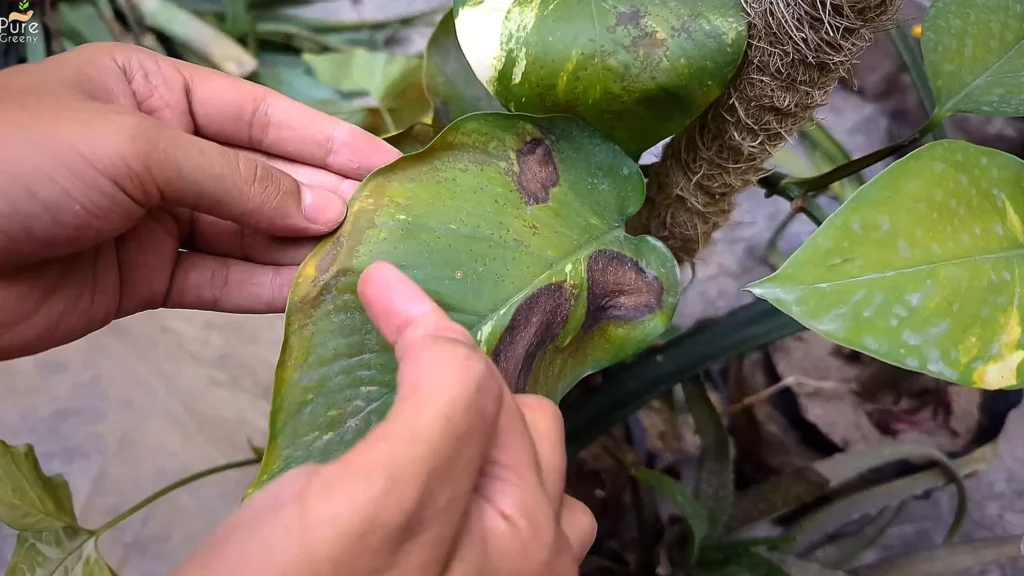
Nutrient deficiency is one of the most frequent reasons behind yellow pothos leaves. Pothos are fast growers and heavy feeders, meaning they need a steady nutrient supply to keep producing healthy foliage.
When a pothos isn’t getting enough nutrients, you’ll typically notice:
- Yellowing leaves, sometimes with the veins staying green
- Slower overall growth
- Dark or black patches on leaves
- Smaller new leaves than usual
This can happen if your fertilizer isn’t well suited to pothos, the soil has been depleted, or the plant simply hasn’t been fed in a while.
Signs of Magnesium and Nitrogen Deficiency
Yellowing that starts between the leaf veins while the veins stay green often points to a magnesium deficiency. General pale yellowing across the whole leaf is more often linked to nitrogen deficiency.
How to Fix Nutrient-Deficient Pothos
Two simple, effective options:
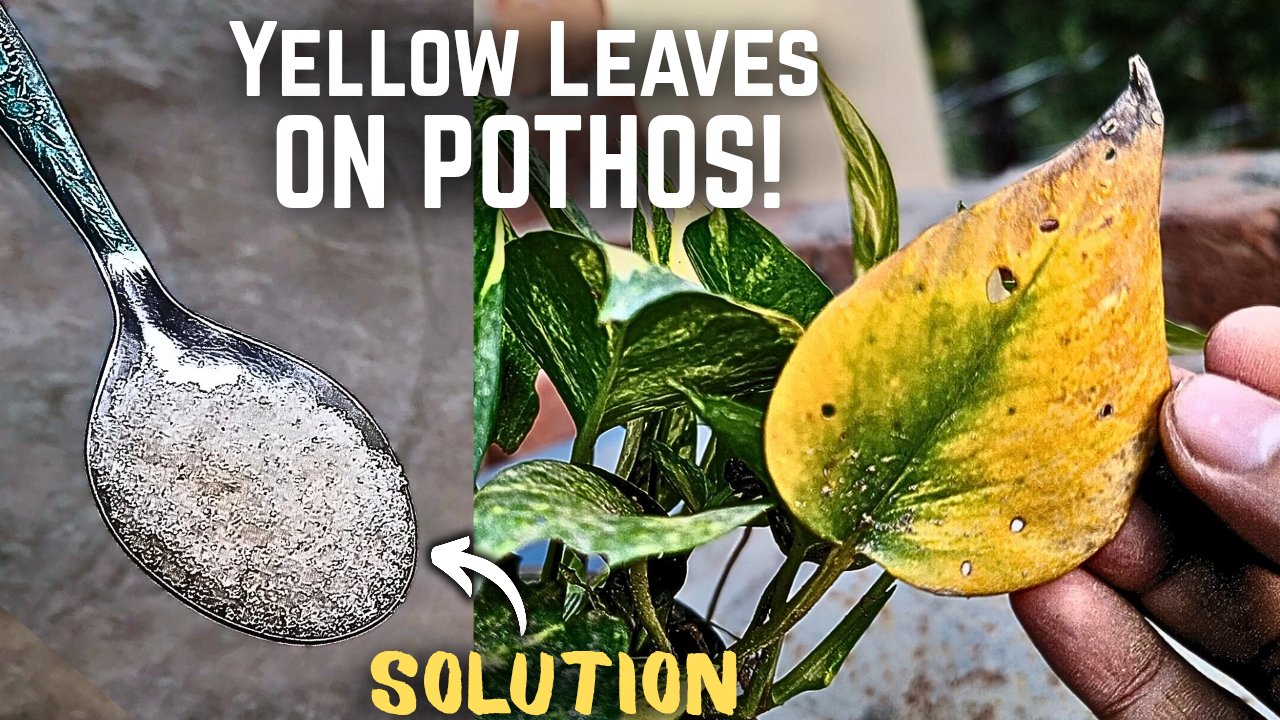
- Epsom salt (magnesium sulfate): A commonly recommended dose is about one tablespoon dissolved in a gallon of water, used once a month in place of a regular watering. It’s a fast way to correct magnesium deficiency and support greener growth.
- Compost tea: A homemade liquid fertilizer made by steeping compost in water for a few days. Because the nutrients are already dissolved, pothos can absorb them quickly, often showing improvement within days of the first feeding.
3. Seasonal Temperature Changes
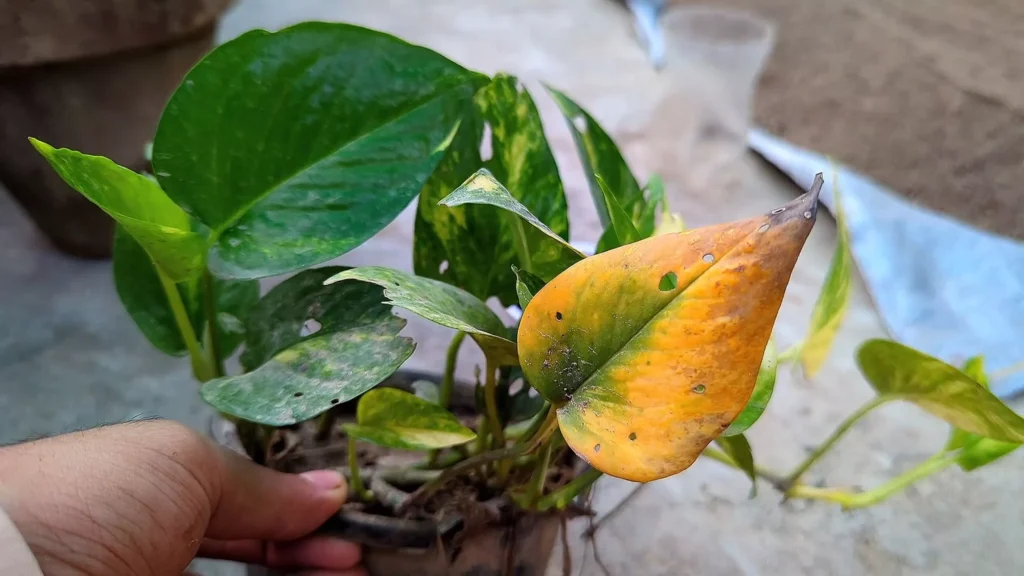
Sudden temperature shifts — especially for pothos kept outdoors or near drafty windows — can stress the plant enough to cause some yellowing. This is usually natural and temporary, and the plant recovers on its own without intervention.
To prevent this going forward, group plants together in a sheltered, shaded spot rather than leaving them individually exposed. This is a common nursery technique for insulating plants from sudden weather swings and preventing dormancy over winter.
4. Poor or Compacted Soil
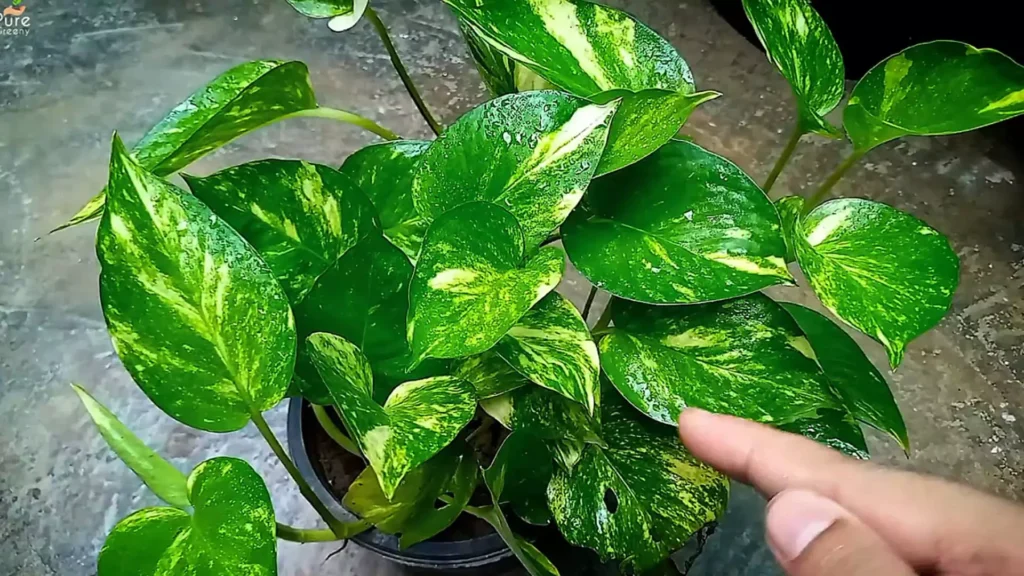
A hard, compacted soil mix restricts both root growth and nutrient absorption, which shows up over time as yellowing and weak growth. If your pothos is in dense soil that stays wet for a long time or dries into a hard block, it’s worth repotting into a better mix.
A Simple Homemade Soil Mix for Pothos
A well-draining mix works best. A simple combination of:
- Cocopeat
- Garden soil
- Sand
- Compost
gives pothos the aeration and drainage they need. After repotting into fresh soil, it’s common for a few leaves to yellow and drop before the plant re-establishes and pushes out new growth.
5. Natural Leaf Aging (When Yellowing Is Normal)
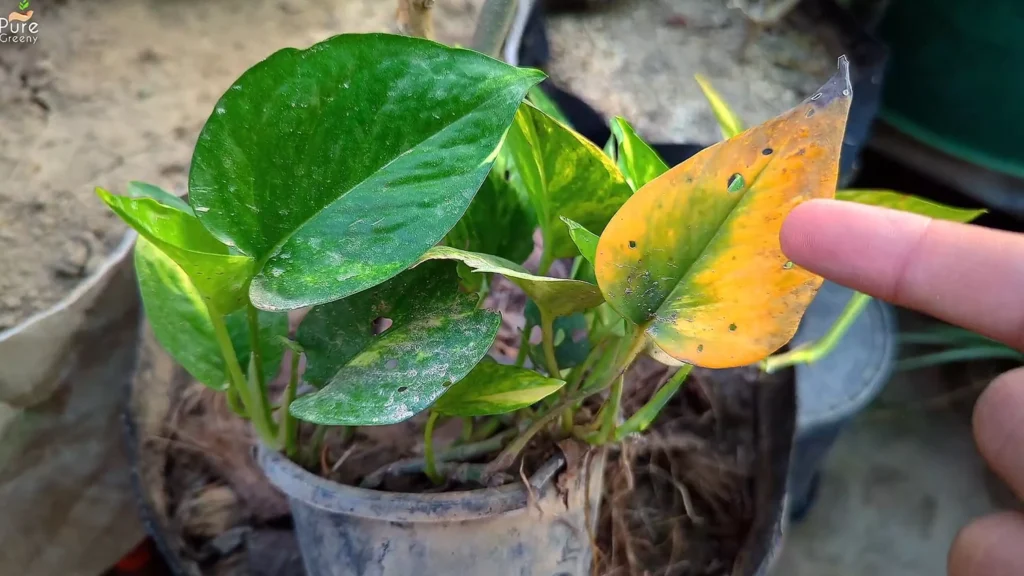
Not all yellowing is a problem. It’s completely normal for a pothos to shed its oldest, lowest leaves as it grows — the plant is simply redirecting energy to new growth. If only one or two older leaves are yellowing while the rest of the plant looks healthy, there’s usually nothing to fix.
Other Possible Causes to Rule Out
If none of the above quite matches what you’re seeing, also check for:
- Pests, such as spider mites or mealybugs, which can cause yellow speckling along with visible webbing or small bugs on the leaves
- Low humidity or chlorinated tap water, which occasionally causes mild yellowing or leaf-tip browning in sensitive plants
How to Fix Yellow Pothos Leaves: A Quick Checklist
- Check soil moisture and roots first — this rules out over- and underwatering.
- Move the plant out of direct sunlight into bright, indirect light.
- Feed with Epsom salt or compost tea if growth looks slow or leaves are pale.
- Repot into fresh, well-draining soil if the current mix is compacted.
- Be patient after transplanting or seasonal changes — some yellowing resolves on its own.
- Trim off fully yellow leaves once the cause is addressed; they won’t turn green again.
Frequently Asked Questions
Why are my pothos leaves turning yellow all of a sudden?
Sudden yellowing usually points to a recent change — overwatering, a move to more direct sunlight, a temperature swing, or transplant shock. Check watering and light first, since these change the fastest.
Will yellow pothos leaves turn green again?
No. Once a pothos leaf turns fully yellow, it won’t return to green. Fix the underlying cause so new leaves grow in healthy, and trim off the yellow ones for appearance.
Should I cut off yellow leaves on my pothos?
Yes, once you’ve identified and addressed the cause. Removing yellow leaves doesn’t harm the plant and lets it focus energy on new, healthy growth.
Is it normal for pothos to have some yellow leaves?
Yes, in small amounts. A pothos naturally sheds its oldest leaves over time. It’s only a concern if several leaves are yellowing at once or new leaves are also affected.
Conclusion
Yellow leaves on a pothos are almost always fixable once you identify the cause. Start by checking your watering habits and light conditions, since these account for most cases. If the plant looks otherwise well cared for, consider nutrient deficiency, soil quality, or simply natural aging. With the right adjustment — a change in light, a dose of Epsom salt, or a repot into better soil — new leaves should come in green and healthy again.
About the Author
Muhammad Hassan is the creator and gardening writer behind PureGreeny. He has been growing and caring for plants since 2017, gaining hands-on experience with different plants, soils, fertilizers, propagation, and natural plant-care methods.
Through PureGreeny, Hassan shares practical, easy-to-understand gardening advice based on real growing experience and plant-care experiments.