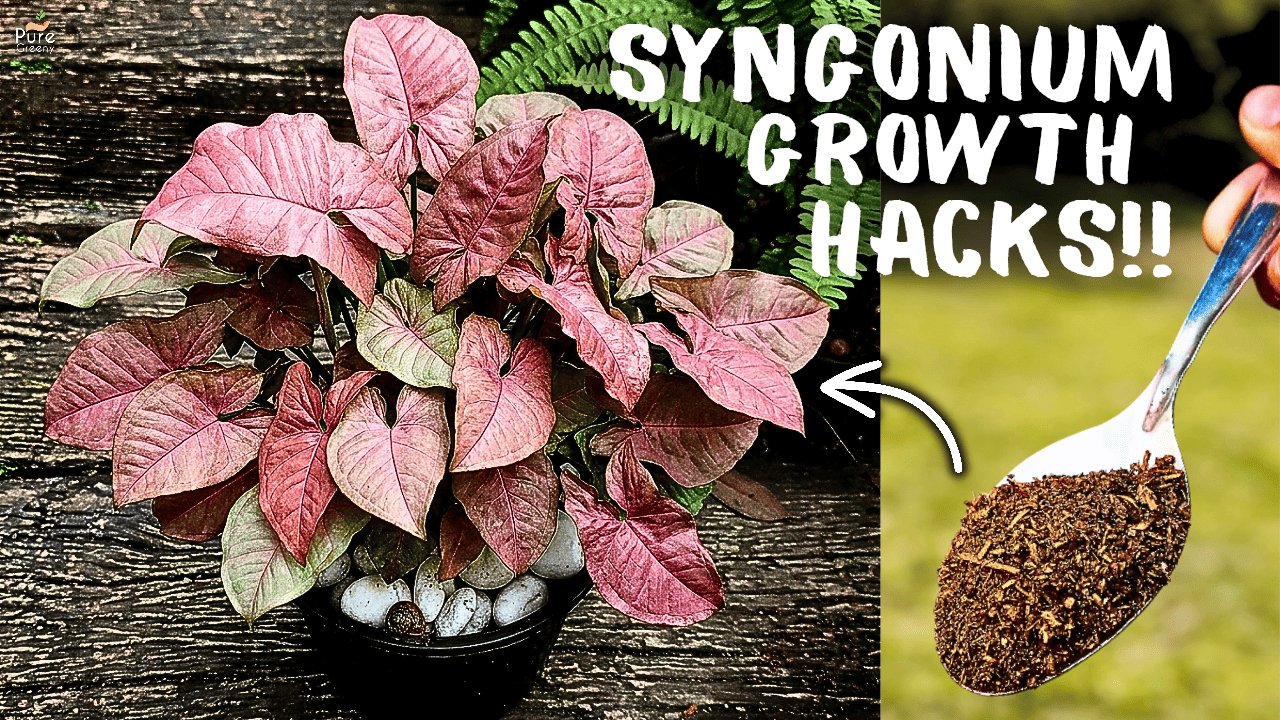
Pink Syngonium Not Growing? 4 Care Tips to Grow It Faster
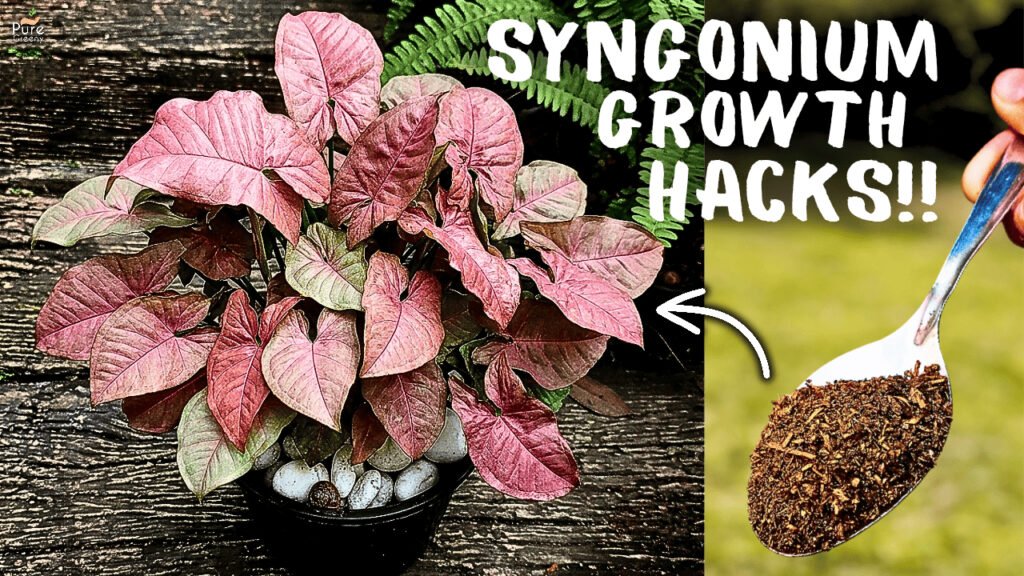
How to Grow Pink Syngonium Faster: 4 Care Tips
If your pink syngonium is not growing properly, the cause is usually the care it is getting. The wrong season, poor soil, bad placement or too little fertilizer can each slow growth or stop it completely. Below are the four things to check, in order, to get your plant growing again.
1. Grow Pink Syngonium in the Right Season
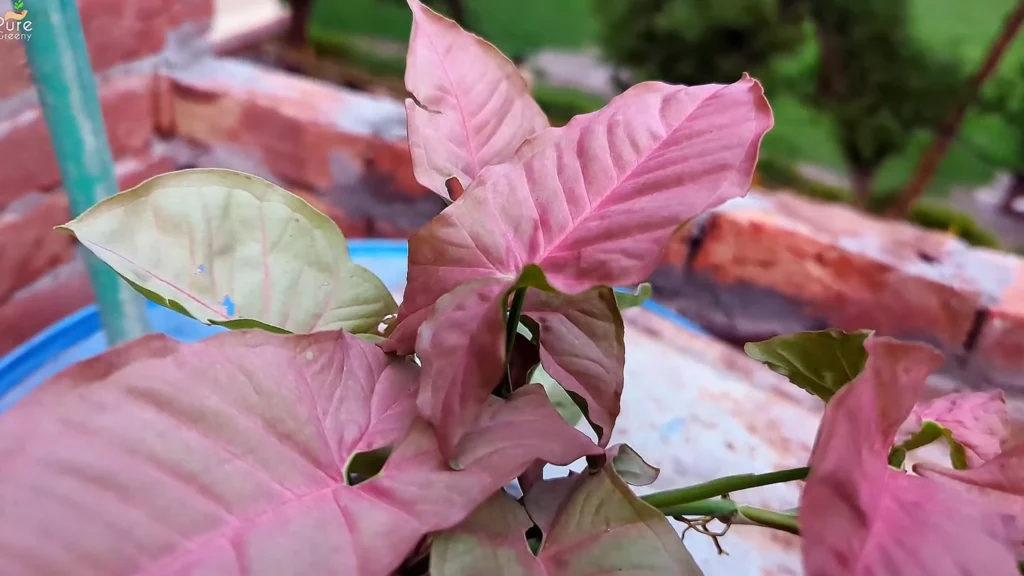
When a pink syngonium gets the right environment, you see better growth, fewer problems like browning leaves, and more branching.
Its growing season starts as soon as spring begins, because it likes moderate warmth. I live in a moderate climate, and over the past few years I have seen this plant grow fastest in spring and summer. In winter, growth stopped completely. The plant went dormant and put out nothing new.
So if your plant looks stalled in winter, that is normal. It is simply resting.
If you live in a colder region, move your syngonium indoors for winter. Cold can seriously damage or kill it.
2. Use the Right Soil for Syngonium
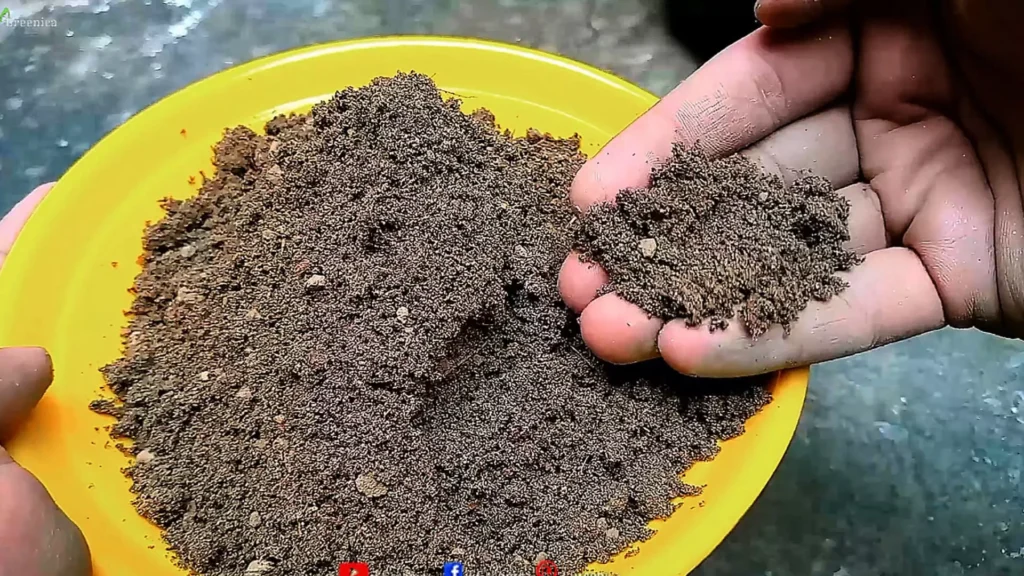
One of the most common mistakes with potted syngonium is the soil mix. A hard, compact mixture limits root growth, so the plant hardly produces new leaves and can slowly decline. If your syngonium is not growing, check the soil first.
Soil that holds too much water causes problems too. It can lead to browning, wilting leaves and eventually root rot.
I made this mistake early on. I planted mine in a clay-like mixture and growth stopped completely. After I moved it into a homemade mix, it burst with new growth, with glossy green leaves and noticeably bigger leaf size.
The mix is soft and loose, which helps roots grow. To make it, combine:
- Cocopeat 25%
- Garden soil 25%
- Sand 25%
- Compost 25%
Nurseries use similar light, well-draining mixes for their indoor plants. If your pot drains slowly, add more sand or another coarse material. More Details About Soil Recipe.
3. Give Pink Syngonium the Right Light
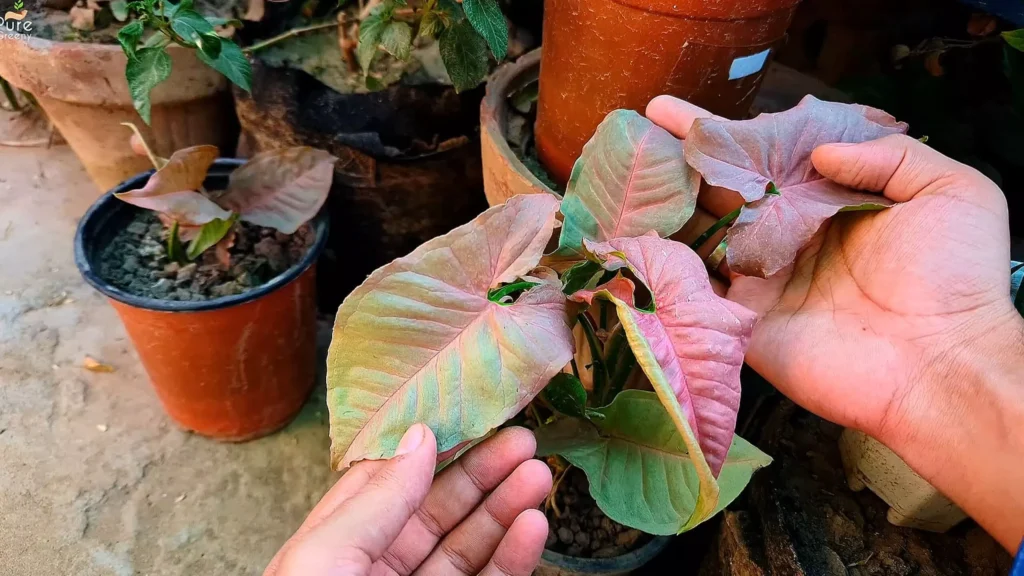
Pink syngonium is more sensitive to light than the common green variety. When the light is wrong, you will see slow growth and changes in leaf color.
Choose the spot carefully. The plant needs some sun, but too much direct sunlight discolors the leaves.
Nurseries often keep these plants grouped together under a green shade net, which gives partial shade. You can copy the idea at home:
- Find a spot with about an hour of gentle morning sun.
- Give it bright shade for the rest of the day.
- Or place it in the shade of larger plants.
With the right light, you will see vibrant pink-colored leaves.
4. Fertilize Pink Syngonium Regularly
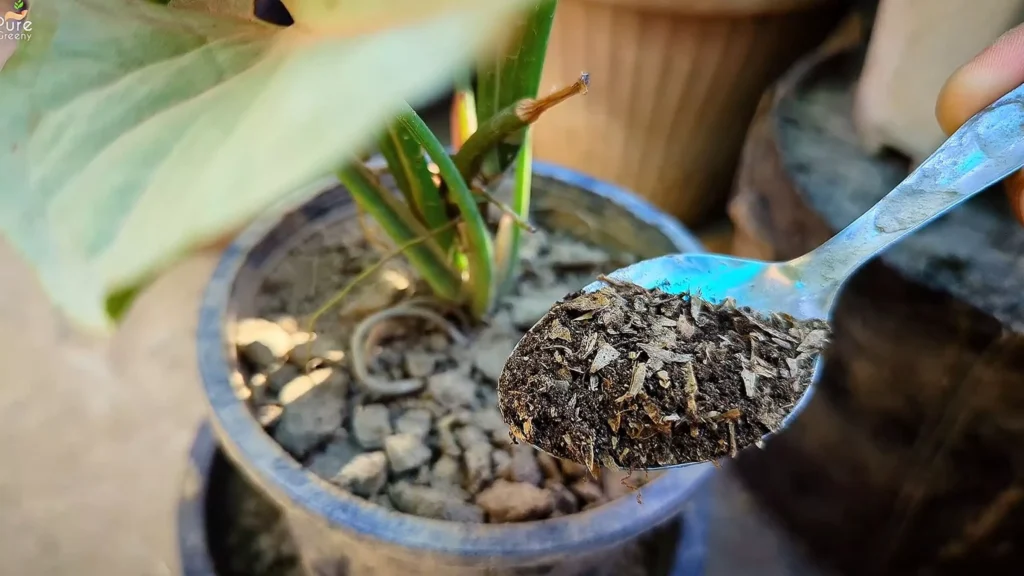
If your plant is not producing new leaves, it may simply need more nutrients. Yellowing leaves, small leaves and stunted growth often point to nutrient-poor soil. (Yellow leaves can also come from overwatering, so check that your soil isn’t soggy before you fertilize.
Pink syngonium needs nutrients in the soil on a regular basis. For the past few months, I have fed mine a simple mix of:
- Leaf compost 4Tbsp
- Cow dung (well-rotted) 5Tbsp
- Rock phosphate 1Tbsp
It grew new leaves, and I was even able to start a new plant from a stem cutting. The mix works because it provides balanced nutrition rather than a single heavy dose. More Details About Indoor Plants Fertilizer,
Quick Troubleshooting
| Symptom | Likely cause | What to do |
|---|---|---|
| No growth in winter | Normal dormancy | Keep it warm and indoors in cold regions |
| Slow growth, few new leaves | Compact or heavy soil | Repot into a light, well-draining mix |
| Brown, wilting leaves | Soggy soil or too much direct sun | Improve drainage; move to bright shade |
| Faded or discolored leaves | Wrong light | Give 1 hour of morning sun, then bright shade |
| Yellow, small leaves | Low nutrients (or overwatering) | Fertilize regularly; check soil moisture |
Final Thoughts
For fast, healthy growth, give your pink syngonium warmth in the growing season, loose well-draining soil, bright shade with a little morning sun, and regular feeding. Fix whichever of these is off and you should see new, vibrant pink leaves.
About the Author
Muhammad Hassan is the creator and gardening writer behind PureGreeny. He has been growing and caring for plants since 2017, gaining hands-on experience with different plants, soils, fertilizers, propagation, and natural plant-care methods.
Through PureGreeny, Hassan shares practical, easy-to-understand gardening advice based on real growing experience and plant-care experiments.