Tomato Plant Leaves Turning Yellow: 4 Causes & Fixes
Tomato Plant Leaves Turning Yellow: 4 Causes and How to Fix Them
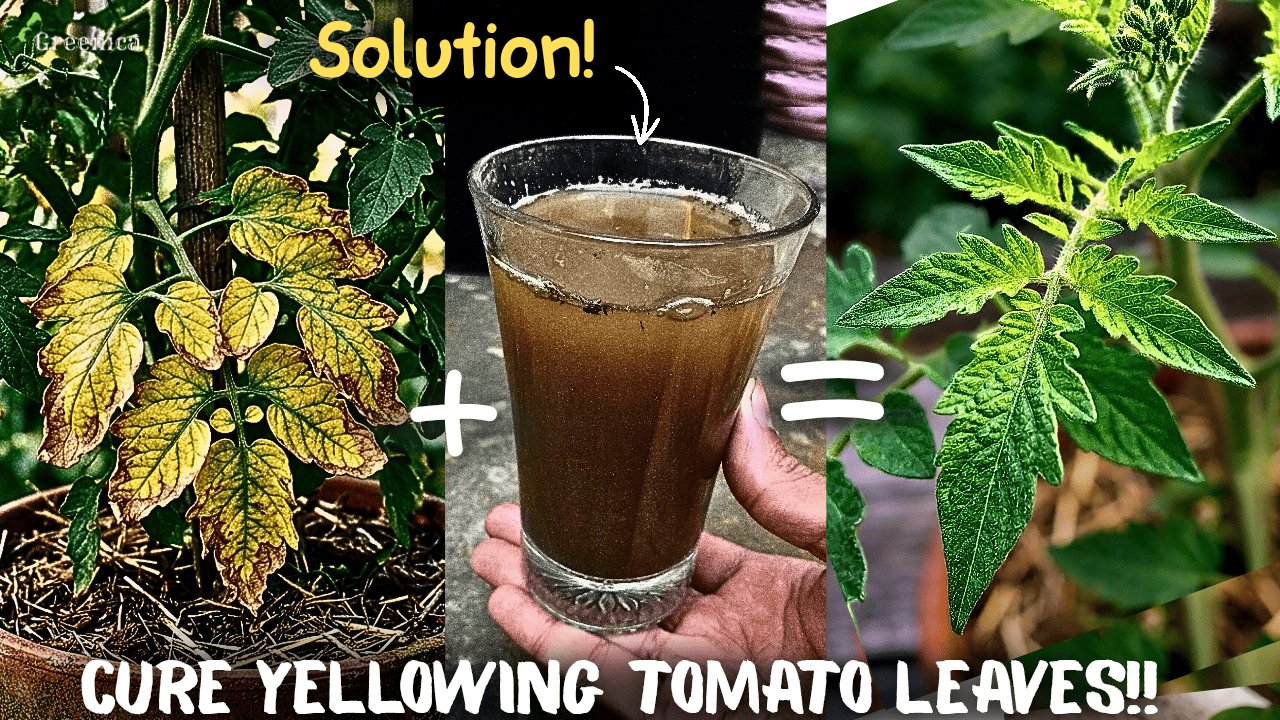
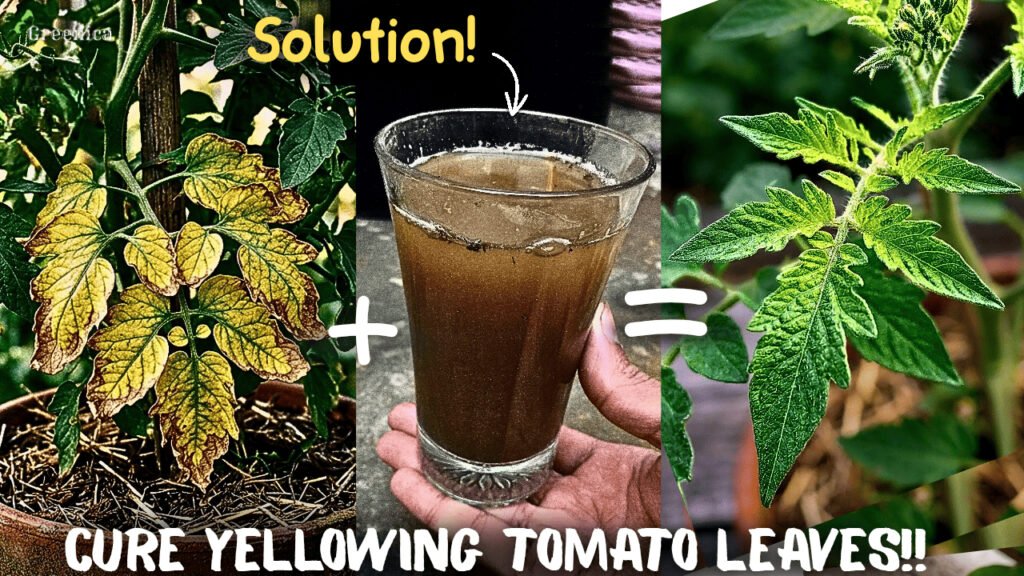
My tomato plant’s leaves started turning yellow, and its growth stopped completely. After finding the problem and fixing it, the plant recovered and started growing well again, with new flowers and fruit.
If your tomato plant leaves are turning pale, yellow, or even brown, don’t worry. The cause is usually one of four things: a pest attack, a nutrient shortage, poor soil, or a changing season. Here is how to recognize each one and what to do about it.
1. Nutrient Shortage
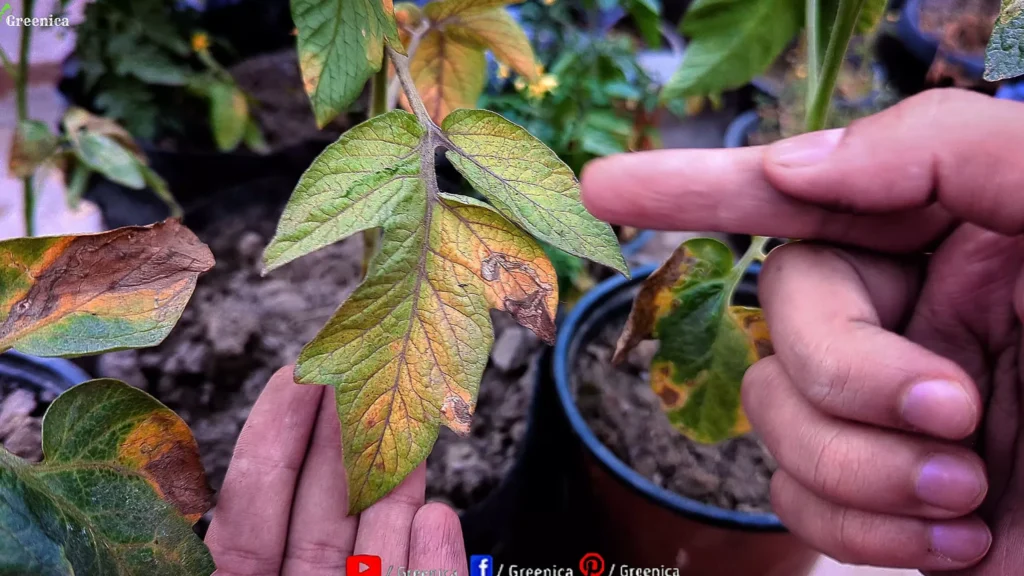
This is the most common cause of yellow leaves on tomato plants, and beginners often overlook it. Tomato plants are heavy feeders and need a steady supply of nutrients to grow well. When the soil runs low, the leaves turn pale or yellow and growth slows down. If it isn’t treated in time, the plant can weaken badly and even die.
How to recognize it: Yellowing that starts on the older, lower leaves, along with stunted growth, usually points to a lack of nutrients, especially nitrogen.
How to fix it: Feed the plant. A liquid fertilizer is a good choice because plants can absorb it quickly, while many solid fertilizers take longer to break down and reach the roots. I used compost tea, a liquid feed that is easy to make at home. Once the plant gets the nutrients it needs, new leaves come in green and healthy.
2. Pest Attack
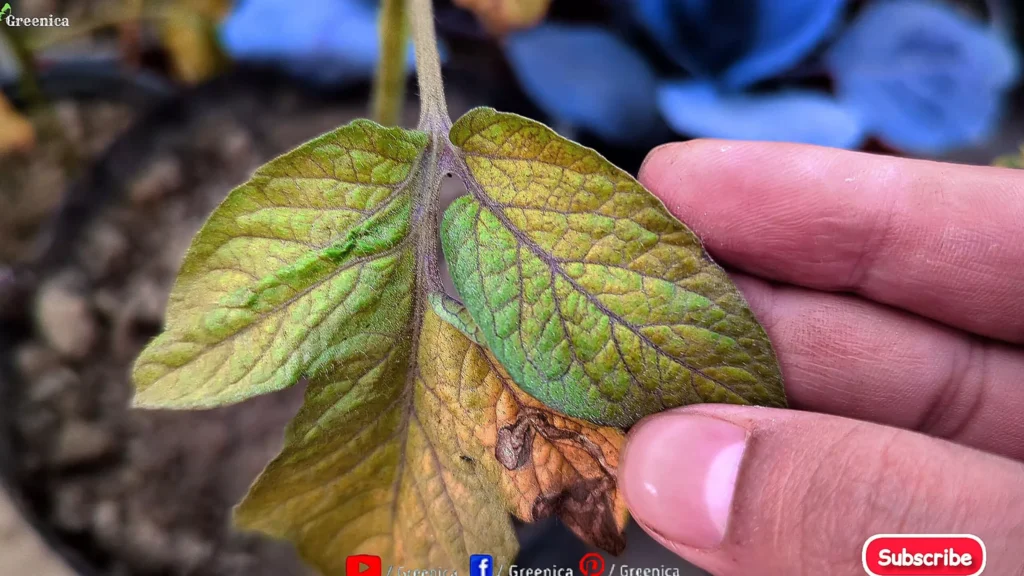
Sap-sucking pests such as mealybugs feed on the stems and leaves. Aphids, whiteflies, and spider mites do the same. Without proper nourishment, the leaves turn yellow.
How to recognize it: Look closely at the undersides of the leaves and along the stems. You may see tiny insects, white cottony patches, sticky residue, or fine webbing.
How to fix it: Treat the plant with a pesticide, or use neem oil if you don’t have one. A homemade garlic and onion spray also works well for early treatment. Repeat the treatment as needed until the pests are gone. After that, feed the plant with a liquid fertilizer, and it will start to recover with new, healthy green growth.
3. Poor Soil
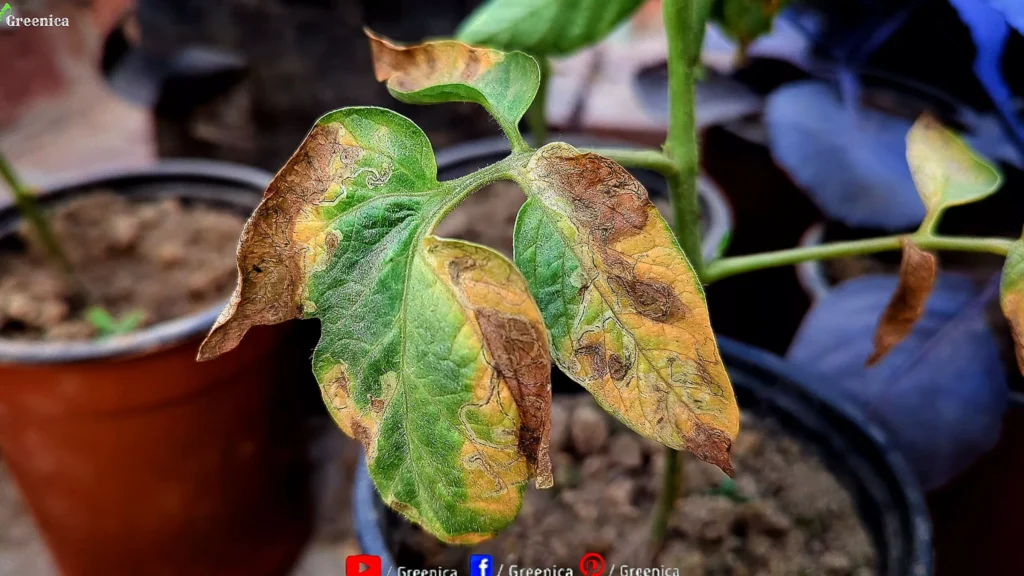
Bad soil can also cause yellow leaves on tomato plants. Yellowing can appear when the soil is too compact and hard, or when water doesn’t drain properly. In that kind of mixture, tomato plants don’t grow well and produce few flowers or fruit.
I had this problem at the beginning. I used a compact mixture for my plants, the leaves turned yellow, and there were hardly any flowers. After I shifted the plants into a looser homemade mixture, the new growth turned green and healthy, and lots of flowers appeared, some of which became fruit.
The soil mix I used:
- Garden soil
- Sand
- Cocopeat
- Some compost
Tips for changing your soil:
- Water the plant fully a day before you repot it.
- Do the repotting in the evening.
4. Changing Season
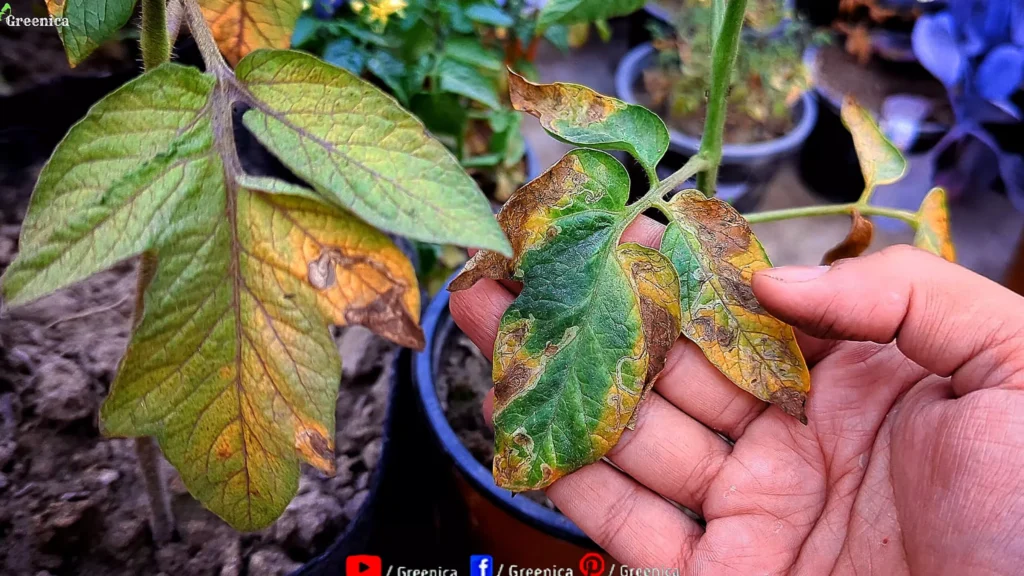
When the weather around your tomato plants changes quickly, it puts stress on them, and some leaves may turn yellow. This is temporary. Once the plant adjusts to the new conditions, the new growth will be green and healthy.
If the season is changing rapidly, a few yellow leaves are almost inevitable and not harmful to the plant. Just keep watering and feeding it normally.
When Should You Worry?
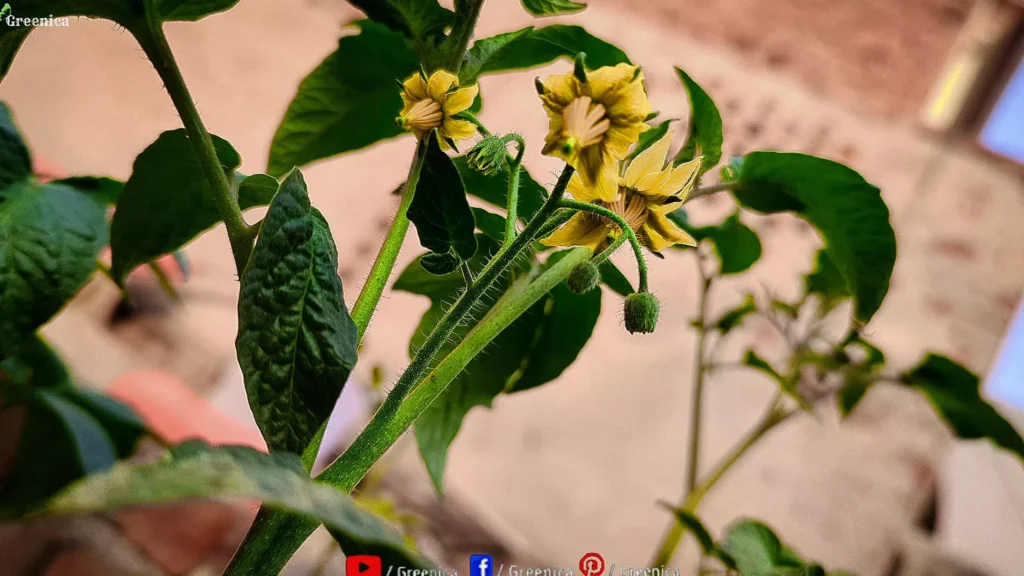
A few yellow leaves during a season change are normal. Take action if the yellowing keeps spreading, growth has stopped, or you notice pests, spots, or wilting. If the leaves are developing dark spots or the plant is wilting even though the soil is moist, a disease may be involved, which calls for a different treatment than the fixes above.
Final Thoughts
Tomato plant leaves turning yellow is usually fixable once you find the cause. Check for pests first, make sure the plant is getting enough nutrients, and look at your soil and the recent weather. Fix the cause, and your tomato plant should return to green, healthy growth, followed by flowers and fruit.
About the Author
Muhammad Hassan is the creator and gardening writer behind PureGreeny. He has been growing and caring for plants since 2017, gaining hands-on experience with different plants, soils, fertilizers, propagation, and natural plant-care methods.
Through PureGreeny, Hassan shares practical, easy-to-understand gardening advice based on real growing experience and plant-care experiments.