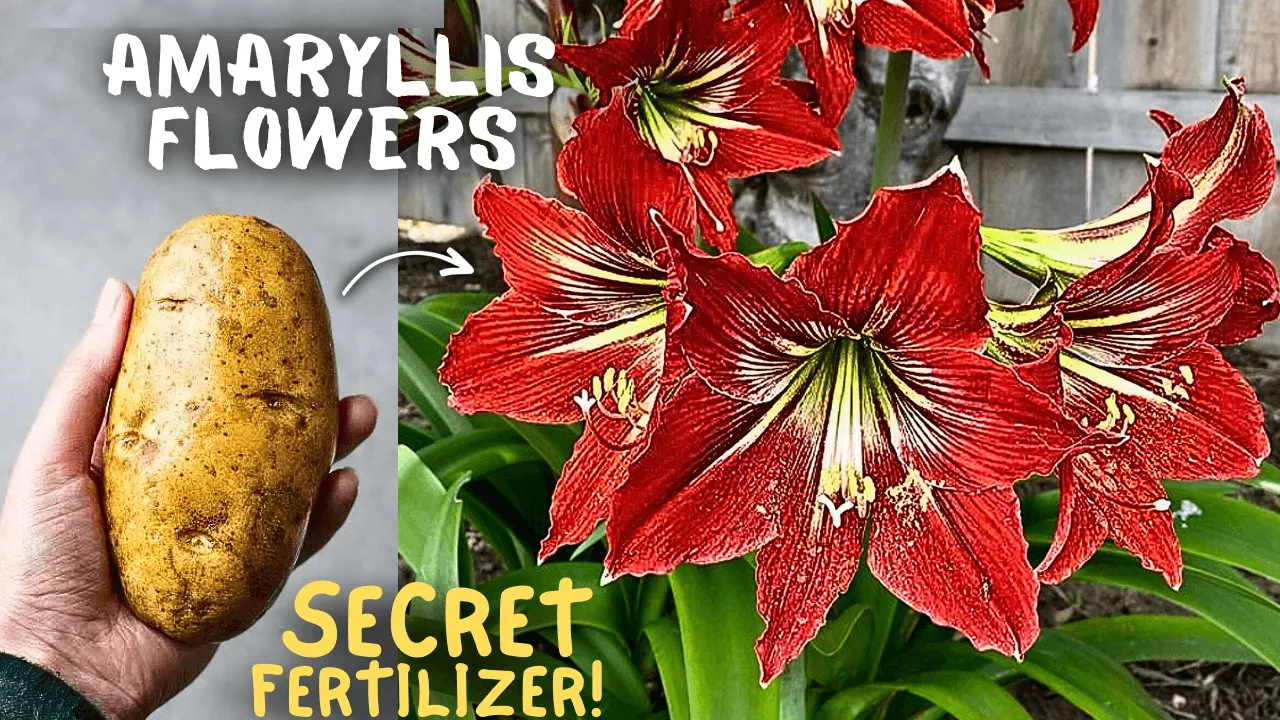
Secret Amaryllis Care Tips To Max Flowering!
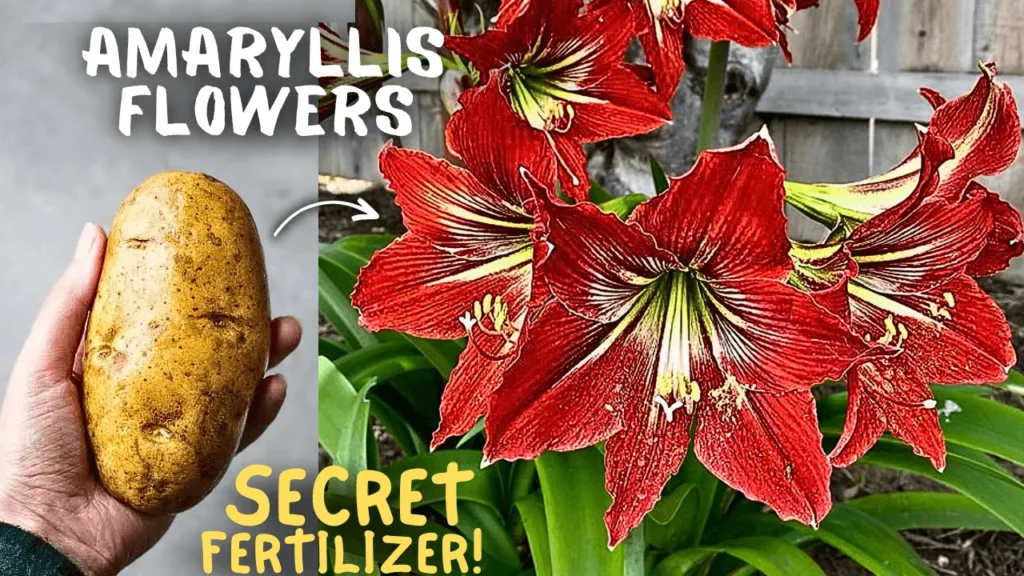
If your amaryllis plant is not flowering, this is the post for you. Here, we’ll see exactly what an amaryllis plant needs to grow and flower properly. So let’s begin.
Understanding the Growing Season!
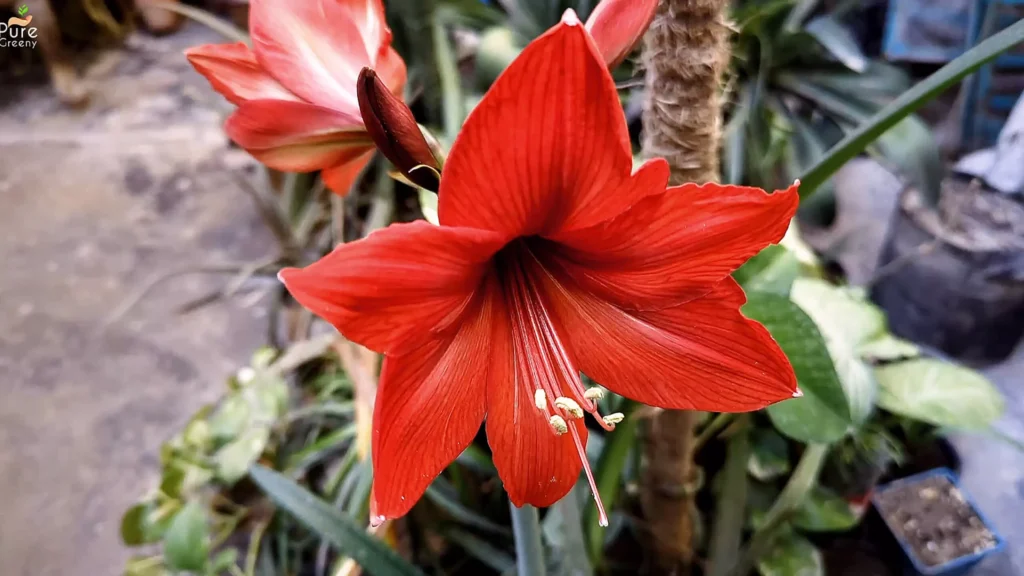
The amaryllis plant is a very hardy ornamental flowering plant that requires very little care. But the one thing that is most important, and is often missed by most beginners, is the ideal growing season.
It’s common sense: if the season is ideal, plants grow well. If it isn’t ideal, your amaryllis plant won’t grow properly, no matter what you do.
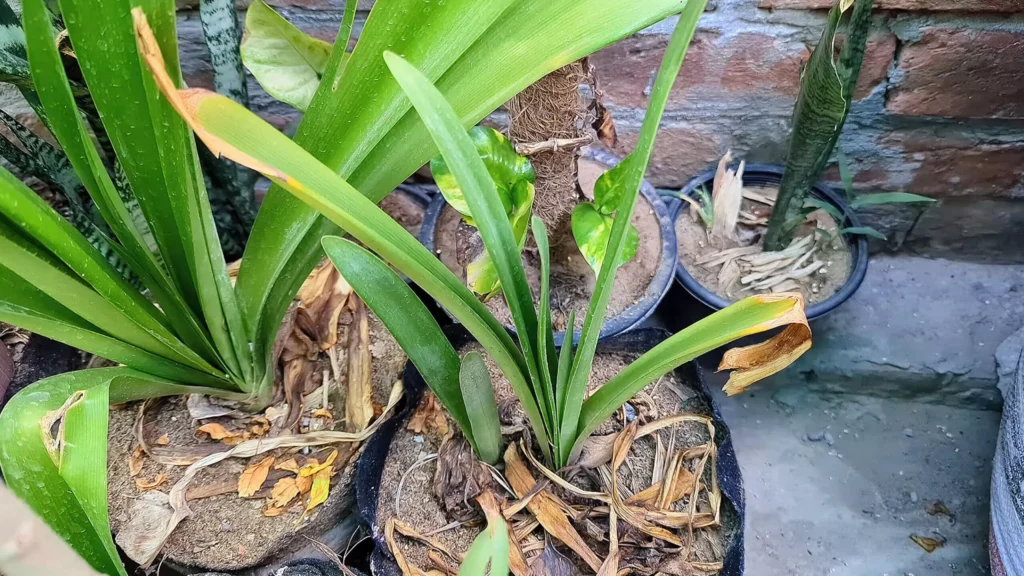
When I brought this plant home last year, I was unaware of its growing season. So my plant struggled, and I saw stunted growth and yellowing leaves. But I didn’t panic, and as soon as the growing season started, it burst with new growth and beautiful flowers.
Before I tell you how exactly this happened, one thing you need to understand is that amaryllis likes a moderate temperature range of 20 to 30°C.
In a cool environment, you’ll see new leaves growing, and as the temperature warms up a little bit, the flower buds appear. So here is the growing season.
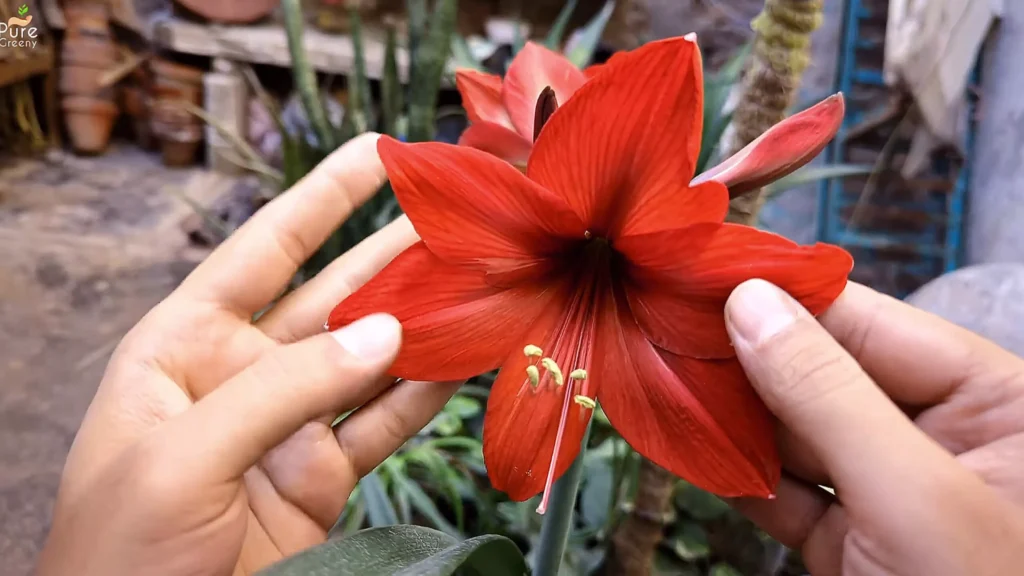
If you live in a colder region where winter temperatures reach 0 to 4°C or even lower, you shouldn’t grow amaryllis during winter at all. Plant the bulbs as soon as the spring season begins, and you’ll see the plant growing throughout the summer months.
On the other hand, if you live in a moderate or temperate region like me, things change a little bit, and here’s how. Summer temperatures reach 40°C, which isn’t ideal for the amaryllis plant at all.
So, in our region, we grow amaryllis during winter, with flowering in spring. So follow this growing season: winters for temperate regions, and summers for cold-climate regions.
Pot Size & Soil Media?
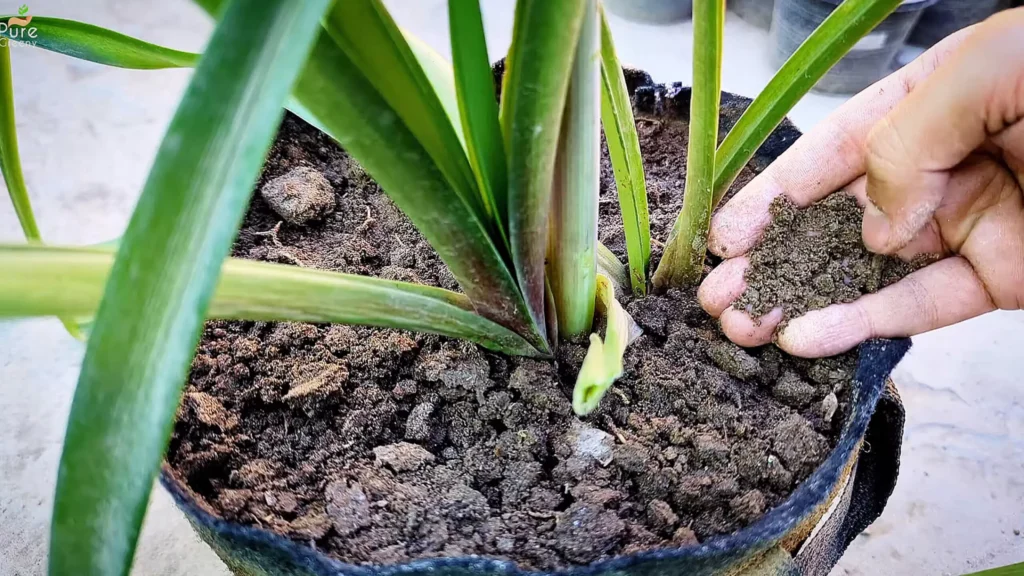
Another thing that plays a crucial role while growing an amaryllis plant in pots is the pot size and the soil media. Soil media is fundamental. If it’s good enough, you’ll see the plant performing really well.
When I brought this plant home, it was in clay soil, and that was one reason why it wasn’t growing. So here’s what I did. I shifted it into a better soil mix, and the results were amazing.
The amaryllis plant has bulbs growing in the root area. That is why even a little bit of overwatering can affect the plant’s growth badly. Watering bulb plants is the trickiest part, but in just a bit, I’ll tell you a simple nursery method that will cut your efforts in half.
Soil media also plays a big role in this. That is why I prepared this mixture at home. It works really well because it drains amazingly. It’s a mix of;
- Sand – 1 part:
- Garden Soil – 2 Parts:
- Cocopeat – 1 part:
- Compost – 1/2part:
- Cow dung – 1 bowl:
A Guide on this is also added Here, if you’d like more instructions.
And here is how you need to water an amaryllis plant to achieve such healthy flowering. Just make sure the soil is a little dry before watering. Nursery experts water their plants early in the morning.
That way, even if you overwater a little, it will evaporate during the daytime, causing almost no harm to the plant. That’s an amazing trick.
In recent years, while visiting many nurseries and talking to their owners, I learned many nursery tricks that boost plant growth and enhance fruiting and flowering. So I tried to compile all of them into this short book. Feel free to buy it from Here.
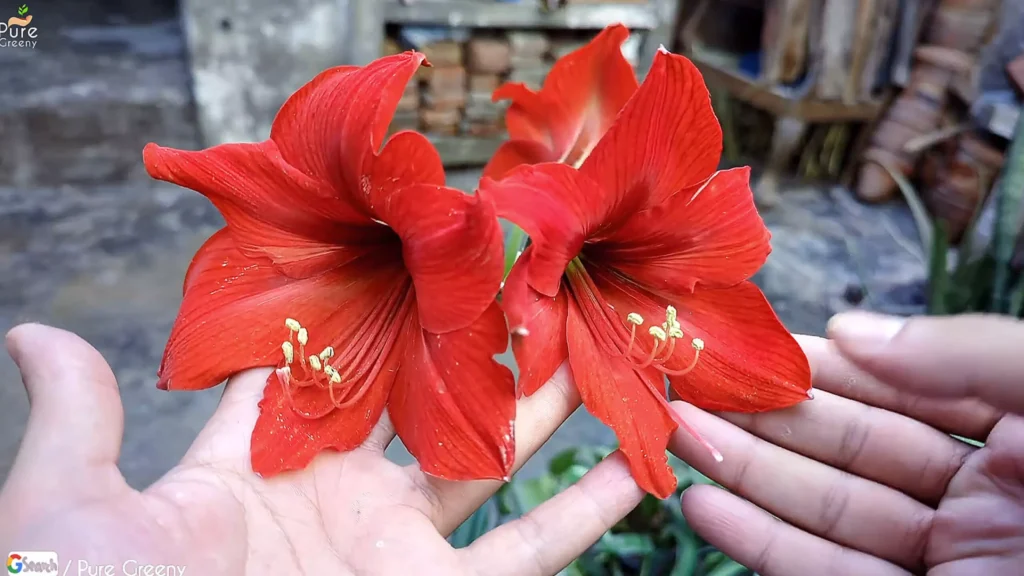
They also use grow bags because they are porous, which reduces overwatering drastically. On the other hand, in a plastic pot, the soil almost never dries out.
The ideal pot size for an amaryllis plant is at least 8 to 10 inches, and the best part of growing an amaryllis plant is that it doesn’t become root-bound like many other plants.
You can keep it in a medium-sized pot for several years. Some good-sized grow bags are also added Here if you’d like to buy them.
Where to Keep It for Maximum Growth?
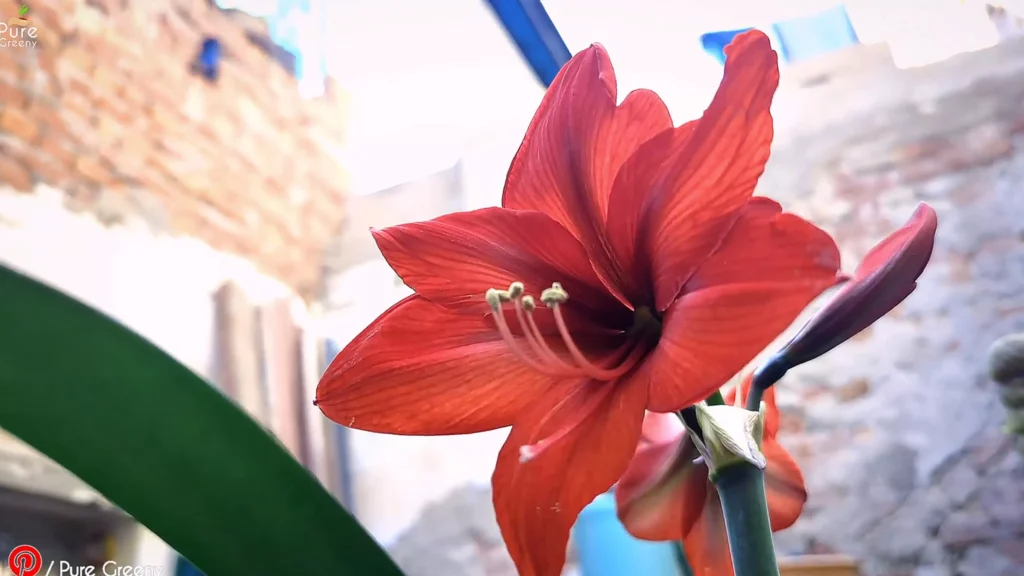
People often complain that their plants grow leaves but don’t flower at all. So here is the solution. This usually happens due to either poor sunlight or poor fertilization. This exact problem happened to me.
There were plenty of leaves on the plant but no flowers at all. But after I used this homemade flower fertilizer, a flowering stalk appeared with vibrant, healthy blooms on it.
We’ll see this fertilizer recipe in just a bit. For now, understand how important sunlight is for the amaryllis plant. It’s a tropical plant that likes a good amount of direct sunlight.
More sunlight means more blooming. That’s what I used to think, which is partially right. But here’s another side to it. If the sunlight is too hot, like in summer, it’s not ideal for the amaryllis plant at all.
It may even be fatal to the plant. On the other hand, winter and spring sunlight is very beneficial for the amaryllis plant. Just make sure you provide 2 to 4 hours of direct sunlight during the growing season, while keeping the plant protected during dormancy.
The Fertilizer That I Used?
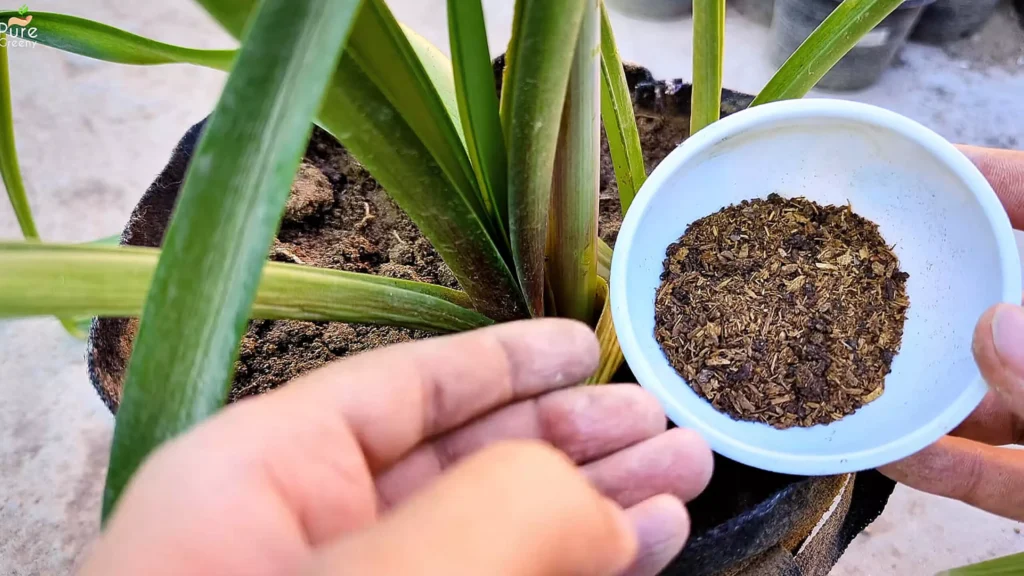
Now let’s talk about the amazing fertilizer that turned my non-blooming amaryllis plants into beautiful flowering plants. Flowering plants need nitrogen at their younger stage to grow plenty of leaves, roots, and stems.
But as the plant matures, it needs key nutrients like potassium, phosphorus, and calcium. These nutrients help the plant move into flowering and, later, fruiting.
In the absence of these nutrients, you cannot expect healthy flowering on your amaryllis plant. That is exactly what I did. As the flowering season approached—in my case, spring—I started using this flower fertilizer.
It contains potassium, phosphorus, and other flowering nutrients. That is why, when the temperature became ideal, my plants bloomed with such beautiful flowers. And here is the fertilizer recipe.
Make it at home and start using it twice a month, right before the flowering season. It’s a mix of leaf compost for a balanced supply of nutrients, dried potato peels for potassium, and eggshells for calcium.
A detailed guide is also linked right here if you’d like to learn more about this fertilizer.