5 Causes of Dieback Disease On Rose Plants & Their Complete Solutions!
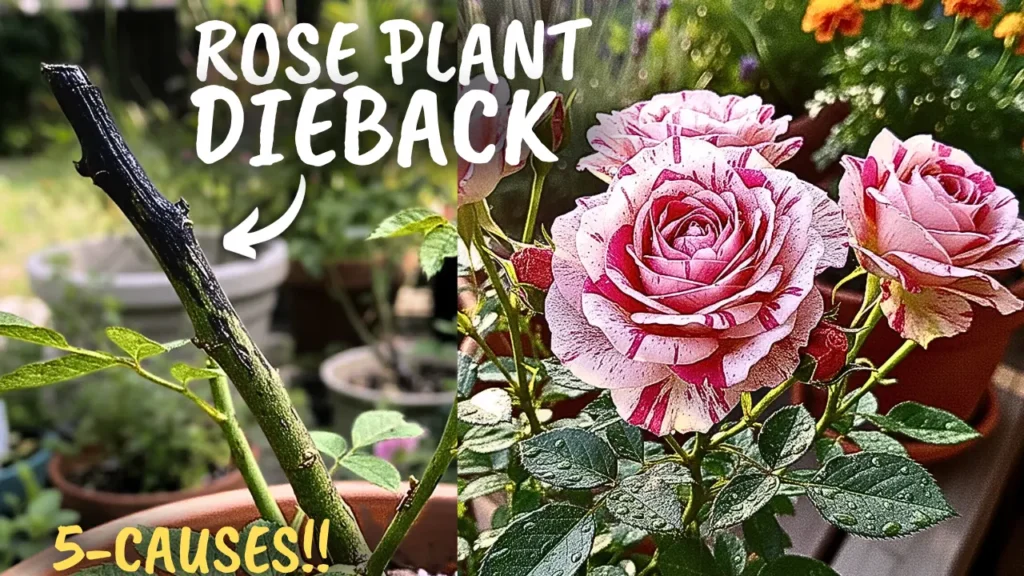
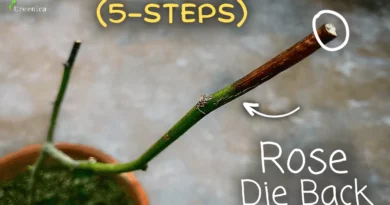
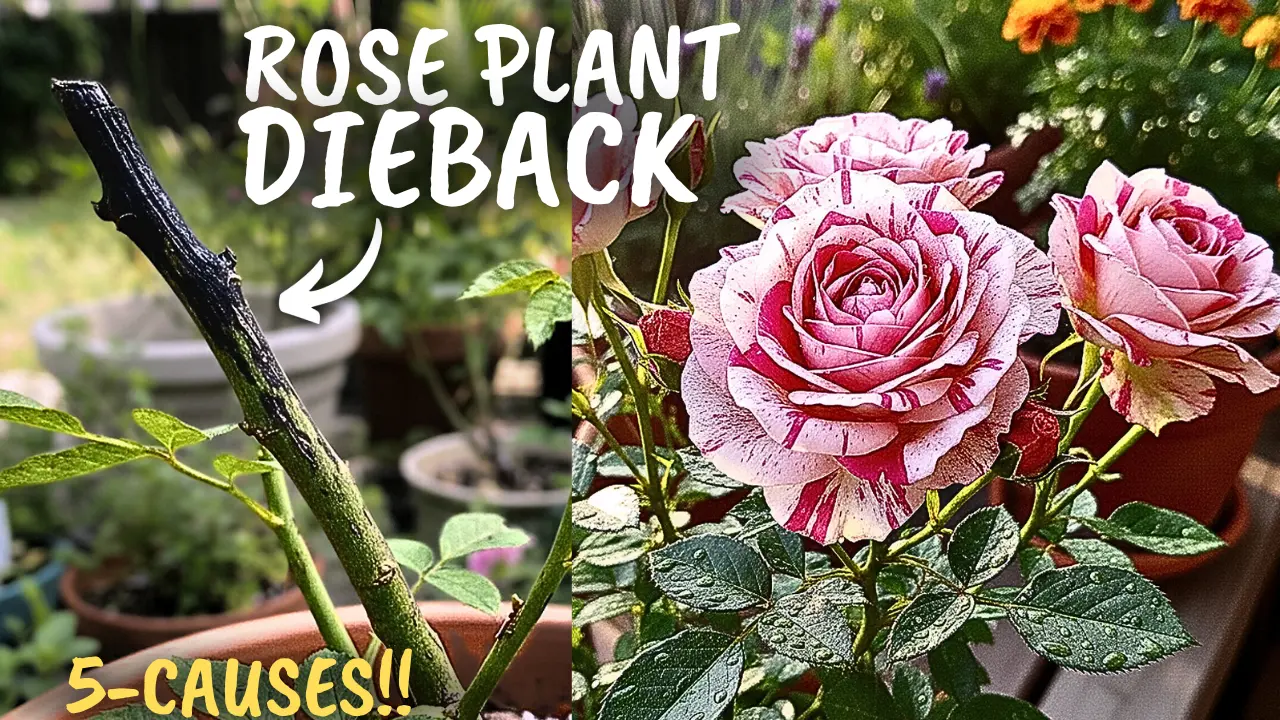
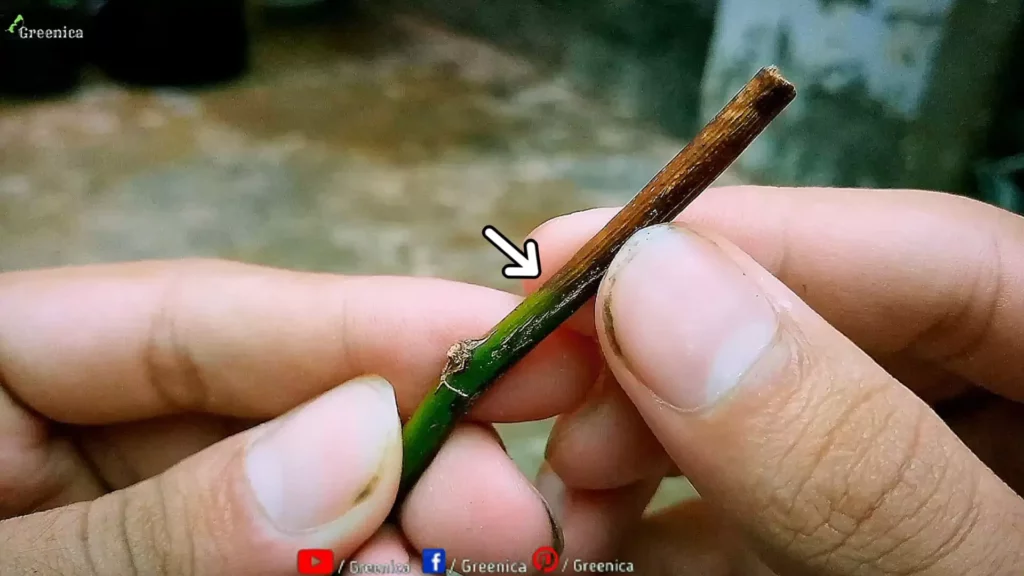
You must have seen rose plant branches turning black, and this condition is called dieback disease. First of all, the branches start turning black from the top. Then, this infection spreads back toward the main stem, and after some time, the whole plant may dry out.
So, in this Post, we will see what causes dieback disease in rose plants and how we can fix this issue at home. So Keep following.
1-Infected Pruners:
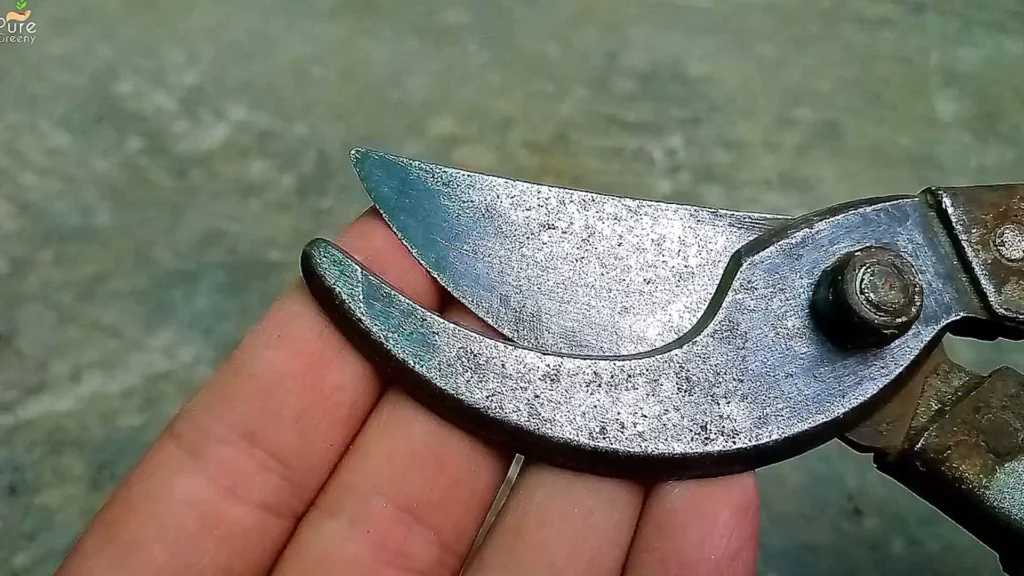
The first and most common cause of dieback disease in rose plants is the use of infected pruners. When we use a cutter or pruner on an infected plant and then use the same tool on a healthy plant, the infection gets transmitted.
At first, the second rose plant may try to fight it, but eventually, you will see the branches turning black from the top. This happens because of the infected cutter we used.
Make sure never to use an infected cutter on a healthy plant. Always clean it before using it on another plant. For cleaning, you can use hydrogen peroxide.

A link to buy it is added Here. For now, cut off the infected branches. Make the cut about 1 inch below the black part, and hopefully, your plant will start recovering.
2-Stress & Shock:
Another cause of rose plant dieback disease is stress and shock. When a rose plant faces stress or shock for a long time, it first shows yellow leaves, and then the branches start turning black.
This happens because stress weakens the plant from the inside, and any fungal attack cannot be handled properly.
This stress or shock can be caused by several reasons, such as too much or too little moisture in the soil, frequent temperature fluctuations due to sudden seasonal changes, exposing the roots during transplanting, or excessive humidity around the plant. Even compact soil media can trigger dieback disease.

So, make sure your soil media is good enough, drains moisture well, and is not too compact. Overall, ensure that your plant is not facing continuous stress.
If it is, fix the main issue first. Remove the infected branches using a clean cutter, loosen the soil slightly, and allow the plant to recover for some time.
3-Pest Attack:
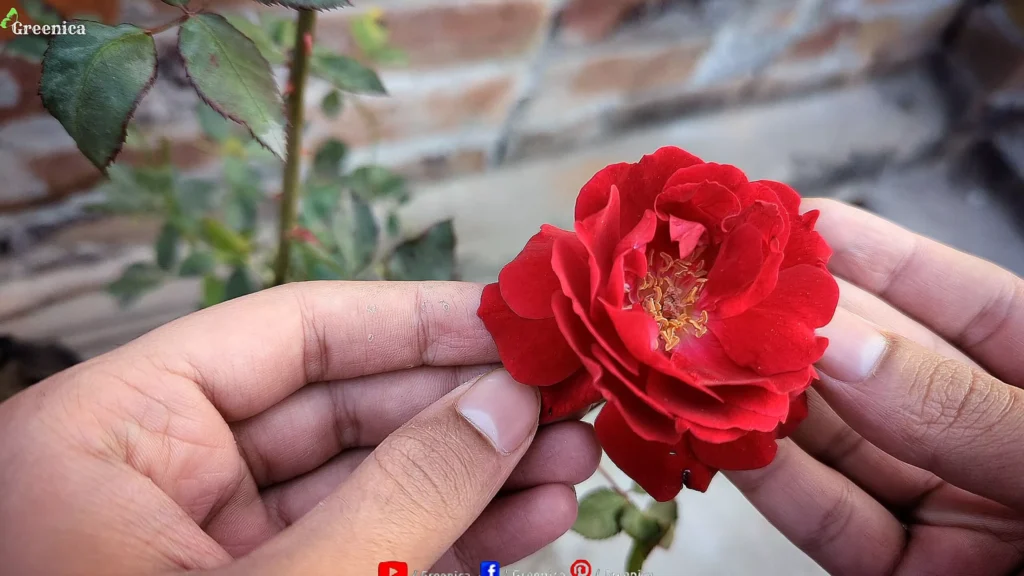
One common cause of dieback disease in rose plants is pest attack. When certain pests attack a rose plant, they suck nutrients from it, leaving the plant weak. As a result, it becomes more susceptible to dieback disease.
If you notice dieback disease along with pest infestation, immediately spray neem oil on the plant. As the plant recovers from the pest attack, it will also start recovering from dieback disease.
Just make sure to remove the infected branches with a clean cutter and use a suitable fertilizer to provide proper nutrients to the plant.
4-Nutrient Deficiency:

Another factor that can result in dieback disease in rose plants is nutrient deficiency. Apart from pest attacks, if your plant lacks nutrients for any reason, it becomes weak.
This could be because you are not fertilizing it properly, the soil pH is not ideal, or the fertilizer you are using is not effective. In all these situations, the plant weakens, and fungal infection takes over.
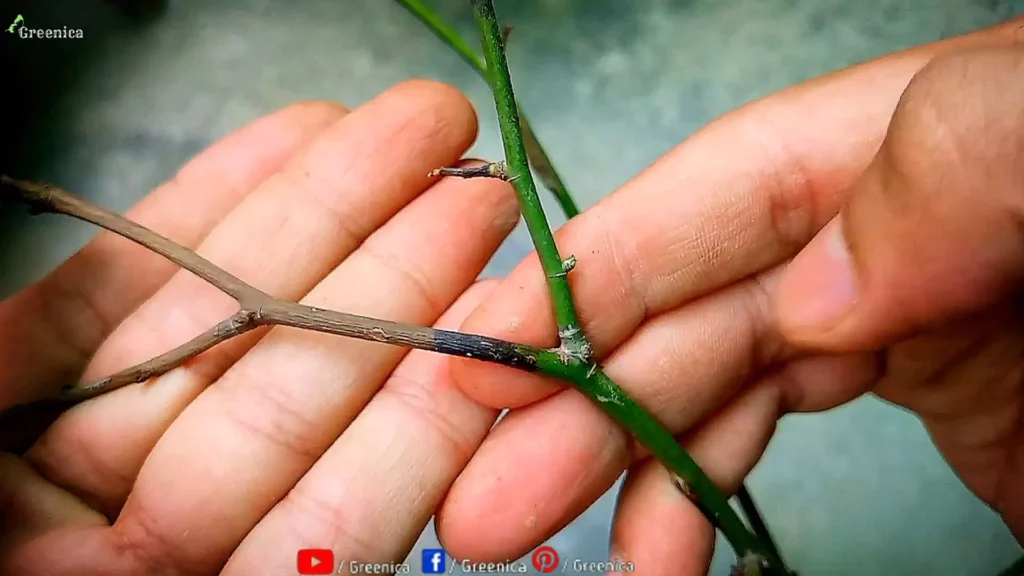
This is simply a reaction from the plant, so there is nothing to panic about. Just use a good-quality fertilizer. If the soil pH is incorrect, fix it with the help of compost.
Rose plants prefer slightly acidic soil. If the soil is too acidic, you can use a limestone solution. If it is alkaline, you can use compost or compost tea.
Within a few days, your plant will start recovering. For fertilization, you can use this homemade fertilizer, which is nutrient-rich and also provides a slightly acidic effect. A Detailed guide for this fertilizer is added Here.
5-Humidity Rise;

Another cause of dieback disease in rose plants is a rise in humidity. When humidity around the rose plant increases too much, the plant feels stressed, and dieback disease appears.
The branches turning black are simply a reaction to an uncomfortable environment around the plant. Make sure your rose plant is placed in an airy location and not crowded between other plants, as this can definitely trigger dieback disease.
For the solution, simply move the plant to an open space with plenty of light, sunlight, and airflow. Within a few days, you will notice new green growth. For the black branches, simply cut them off using a clean cutter.
That’s all about rose plant dieback disease. Here is a detailed Guide on proper rose plant pruning. Feel free to watch it, and don’t forget to subscribe to our channel.