Magical Benefits of Rock Phosphate For Plants! (& Proper Use)
Rock phosphate is one of the most useful fertilizers. It provides phosphorus to plants, and the role of phosphorus is extremely important; plants simply cannot grow without it. So in this Guide, we will see what rock phosphate is, how you can use it, and what its benefits are. So Let’s begin.
What is Rock Phosphate?

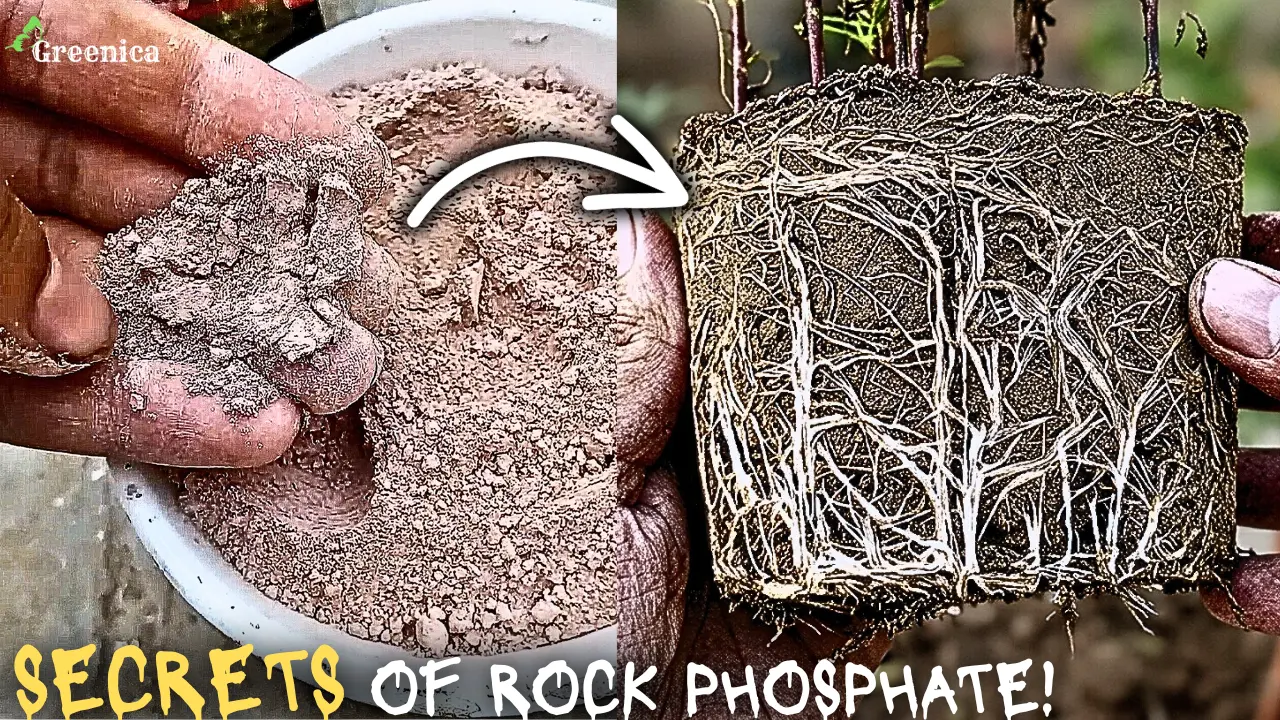
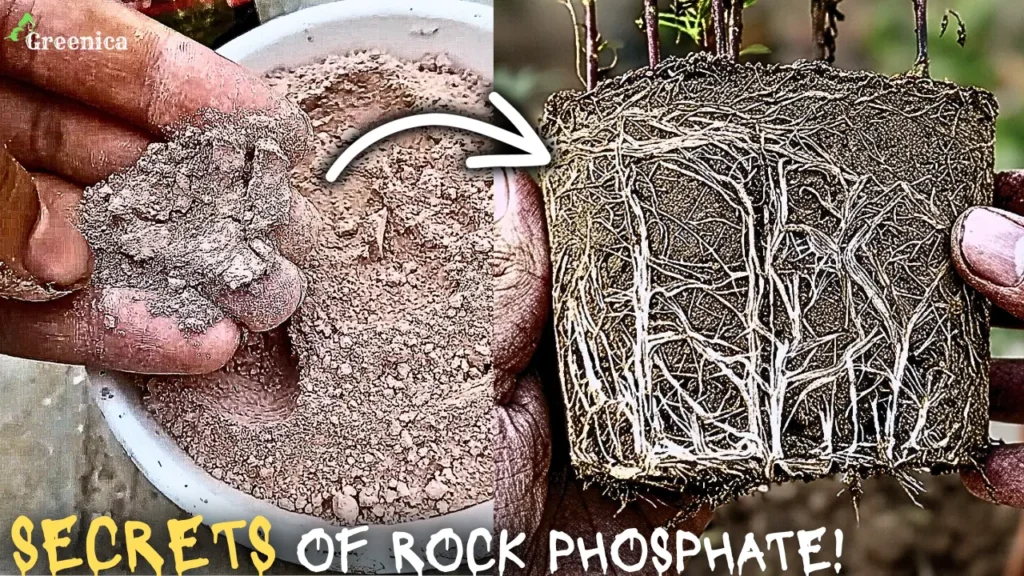
Rock phosphate is a powdery substance made from a sedimentary rock. It is full of phosphorus, calcium, and some trace elements. Its porous and powdery texture makes it more absorb-able for the roots.
The color of rock phosphate may vary depending on the area, and it does not have any smell. With time, rock phosphate dissolves in the soil, and the roots absorb it, providing the plant with phosphorus and other elements.
What are its Benefits for Plants?
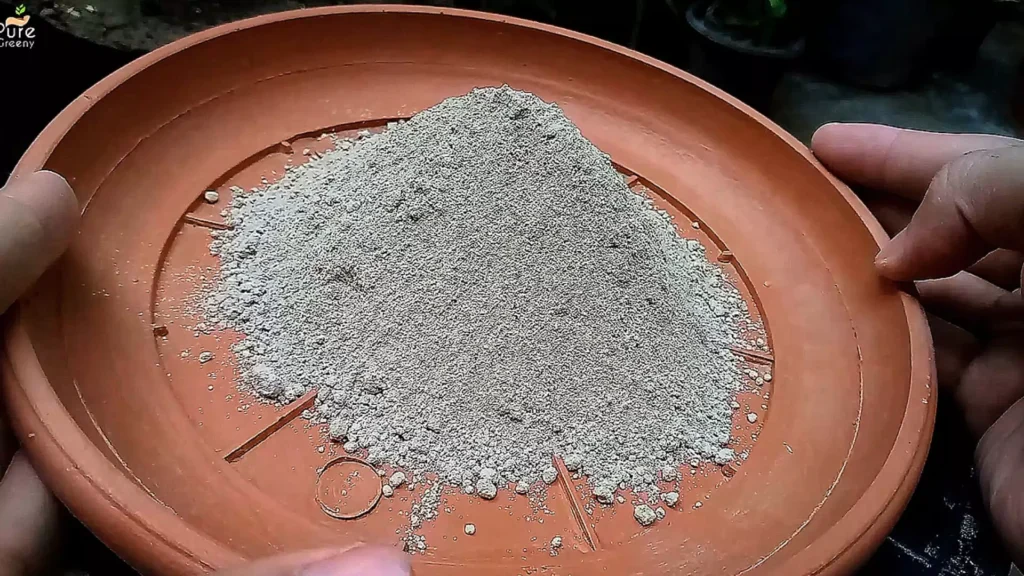
With the proper use of rock phosphate, plants get many benefits, including fast root growth, a healthier immune system, better fruiting and flowering, improved soil structure, and better microbial activity in the soil.
Rock phosphate works slowly, but the phosphorus element promotes fibrous root growth. These fibrous roots are responsible for better absorption of nutrients from the soil.
The calcium that rock phosphate contains helps the plant during the fruiting and flowering stage. Rock phosphate fertilizer is also organic, which is again very beneficial for our vegetable garden.
Overall, rock phosphate is a great fertilizer to use when your plants have phosphorus or calcium deficiency.
How phosphorus & Calcium Deficiency Affects Plant Growth?
When a plant faces a deficiency of phosphorus, it shows certain signs. First, older leaves turn dark green, then purplish, and sometimes reddish. Plants may have stunted growth, delayed flowering and fruiting, a weak root system, and thin stems.
If these signs persist on your plant, you should add some phosphorus and see how it responds. For learning more in depth about the importance of phosphorus for plants, you can check This link.
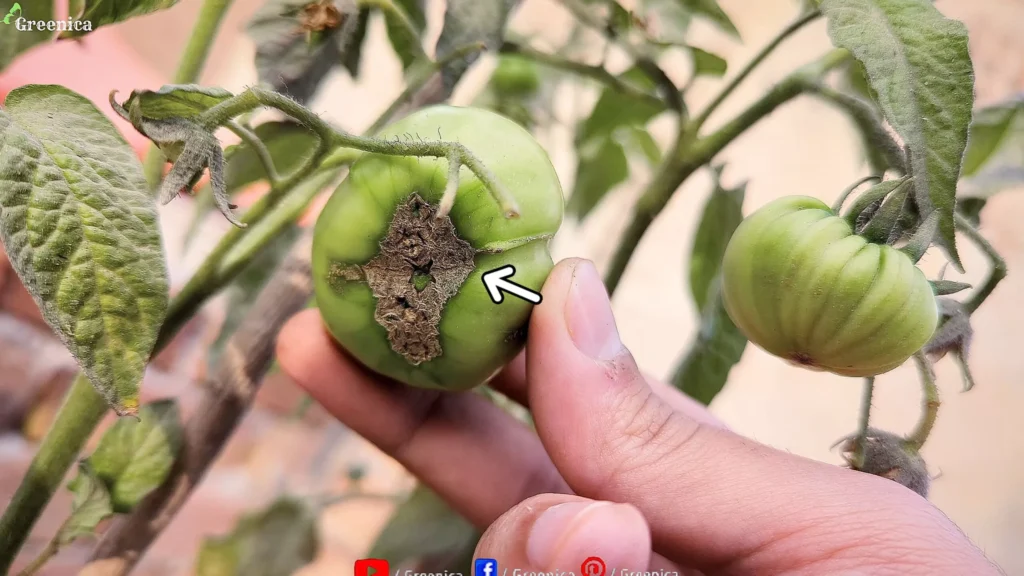
On the other hand, calcium is also an important element. Its deficiency appears as curling and twisted new growth, and a very common problem on fruiting plants called blossom end rot, where the bottom of the fruit turns black or brown.
Calcium is really important for plants. A guide on its organic sources and benefits is added Here.
How can we use Rock Phosphate for plants?
Now let’s learn how we can use rock phosphate fertilizer on our plants.
Adding to Soil:
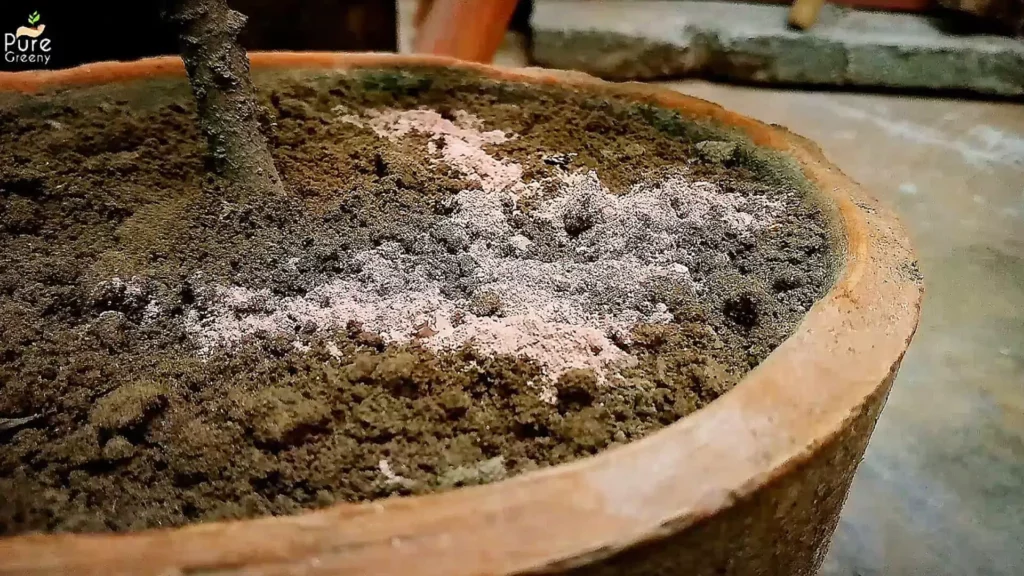
The first and the simplest way to use rock phosphate on a plant is to add it to the soil. Around 2 to 4 tablespoons for a 7 to 8 inch planter, once a month, is enough.
The best time to use rock phosphate is when your plant is facing phosphorus deficiency or during the growing season. Try not to use it more than once per month.
Mix it really well with the soil and add plenty of moisture. Remember, it will take some time for rock phosphate to dissolve in the soil before the roots can absorb it.
While Preparing Potting Mix;

When you are preparing any kind of potting mix for your plants, you can also add a small amount of rock phosphate to the soil and mix it well. Even if your soil media is low in phosphorus, this single tablespoon of rock phosphate can help balance it.
Adding In Compost;

Another effective way to use rock phosphate for plants is by adding it to compost. While you are preparing compost, or even after it is ready, you can add a small amount of rock phosphate, mix it well.
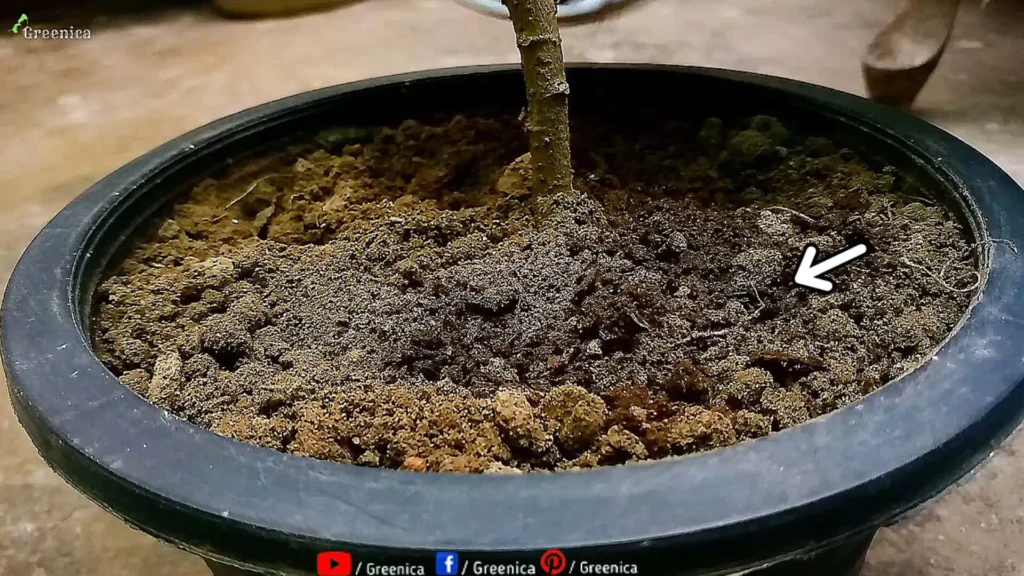
And then use this compost on your plants as usual. Rock phosphate has a slightly alkaline pH. On the other hand, compost is usually acidic, and mixing both helps balance it. A single teaspoon in 100 g of compost is enough.
On which plants can we use it?
One important question is whether we can use rock phosphate on any kind of plant. Yes, every plant requires phosphorus. Fruiting and flowering plants usually require more, but overall every plant needs it. Just do not use too much.
Some side effects!

There are also a few side effects of using rock phosphate that you should know about.
- Rock phosphate is high in phosphorus, while other elements like nitrogen and potassium are missing. So using it alone again and again can cause nutrient imbalance. The fertilizer you use regularly should be balanced, meaning it should provide all essential nutrients, not just one. So yes, you can use rock phosphate occasionally on your plants, but regular use is not a good idea.
- Frequent use of rock phosphate in the soil can raise the pH, which is not good for plants. It can limit their growth, and if the soil becomes too alkaline, it may even stop plant growth completely. The plant may become unable to absorb nutrients from the soil. So use only a small amount and apply it occasionally, not regularly.
- Low-quality rock phosphate also exists, and when you apply it, it can cause soil contamination and sometimes create a salty soil medium. Again, this is not good for plants, so you should buy it from a trusted source. One link is also added Here.
That’s all about rock phosphate, its benefits, uses, and side effects. Here is a detailed Guide on bone meal fertilizer, which is also very beneficial.