Hidden Benefits of Wood Ash, How to Use & Side Effects For Plants! (Nursery Secrets*)
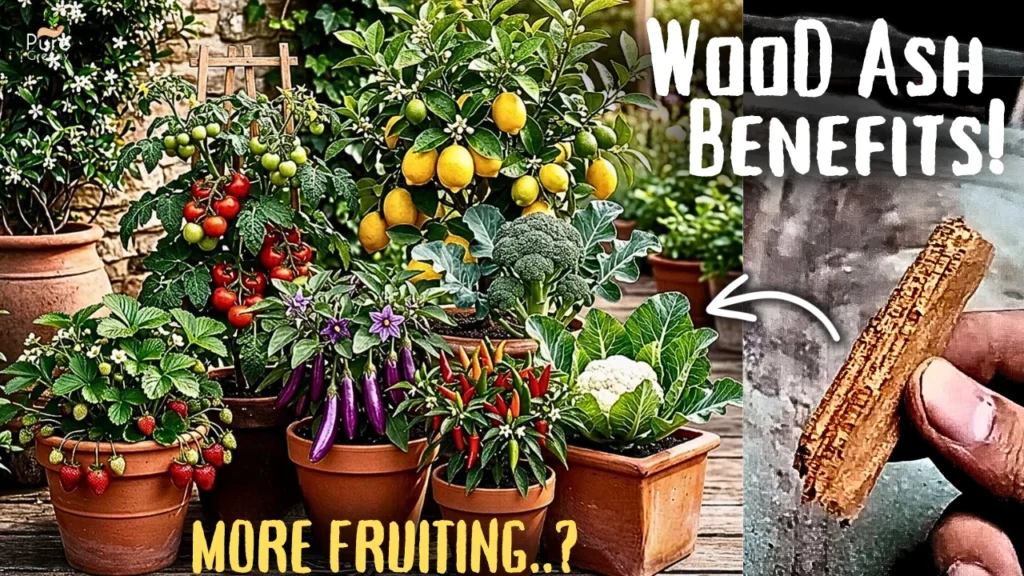
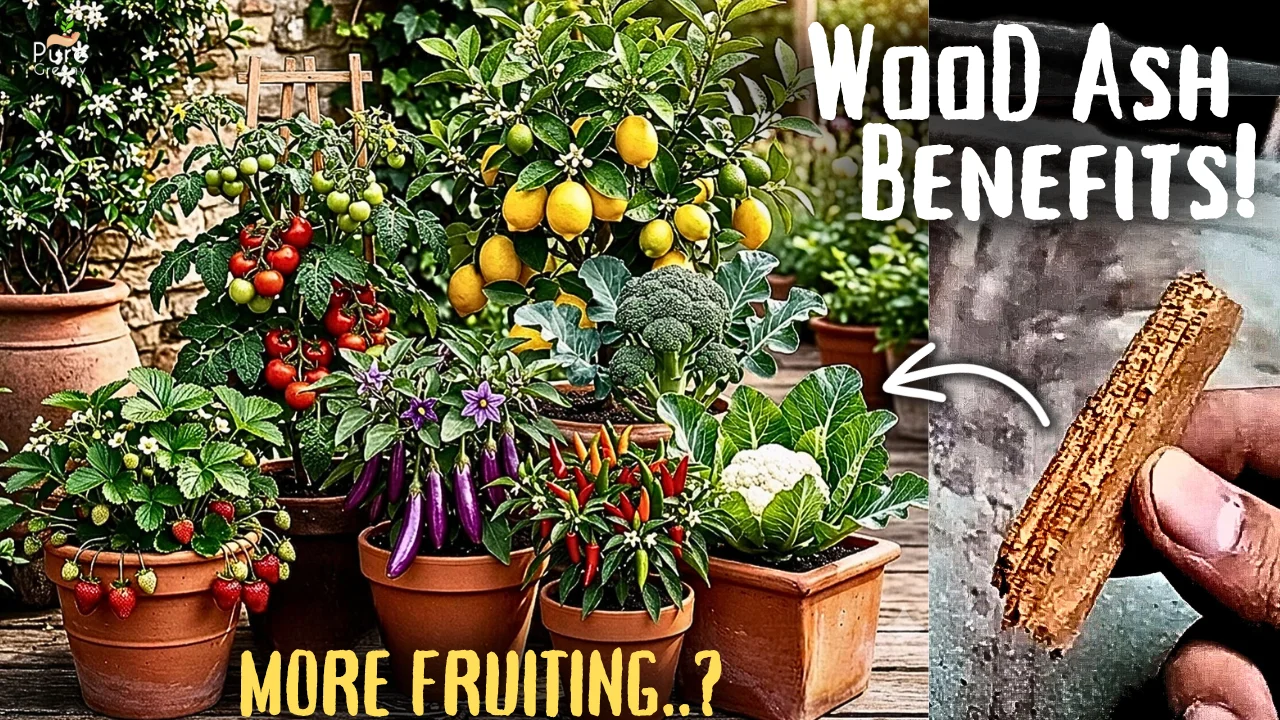
Do you know you can almost double your vegetables harvest just by using wood ash? It’s a very powerful fertilizer.
And in this post, I will break down each and every aspect of wood ash fertilizer: how to prepare it, its hidden benefits, the Secret nursery way to use it on plants, and some side effects. So, let’s begin.
What Is Wood Ash, and How Is It Useful?
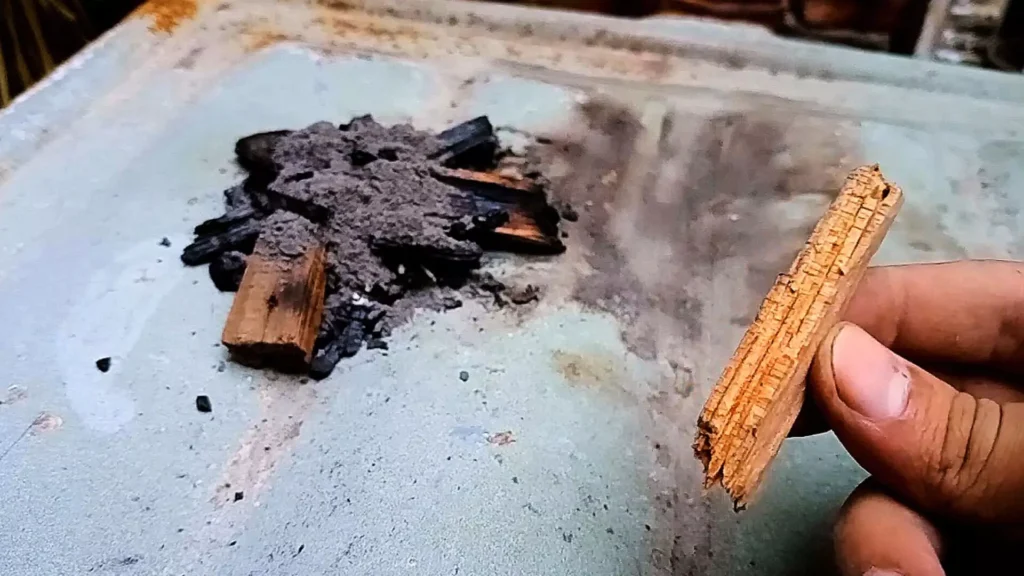
Wood ash is a powdery mineral fertilizer made by burning hardwood. This grey to white-colored powder contains something that flowering and fruiting plants love the most.
It’s potassium and calcium, and if you are unaware of how powerful these elements are, you are missing out on a lot. For every vegetable garden, potassium and calcium are crucial, and wood ash is one of the most powerful fertilizers for supplying these nutrients.
Benefits of Using Wood Ash for Plants?

By using wood ash fertilizer, we see a lot of benefits in our plants. These include better flowering and fruiting, enhanced flower size and shape, and more flavorful fruits.
It also helps reduce diseases due to the calcium present in wood ash. It improves soil structure and helps maintain the soil pH level.
A combination of these benefits creates the most favorable conditions for healthy fruiting in vegetable plants as well as fruit trees. However, all of this depends on using wood ash correctly and at the right time. We will discuss that in just a bit.
Wood ash also contains many trace elements in smaller but considerable amounts. These trace elements play a key role in maintaining proper plant health.
Deficiency of these elements often appears in the form of curling, browning, and yellowing leaves. Overall, wood ash fertilizer is very beneficial if you know the correct way to use it.
How to Correctly Use Wood Ash for Plants?
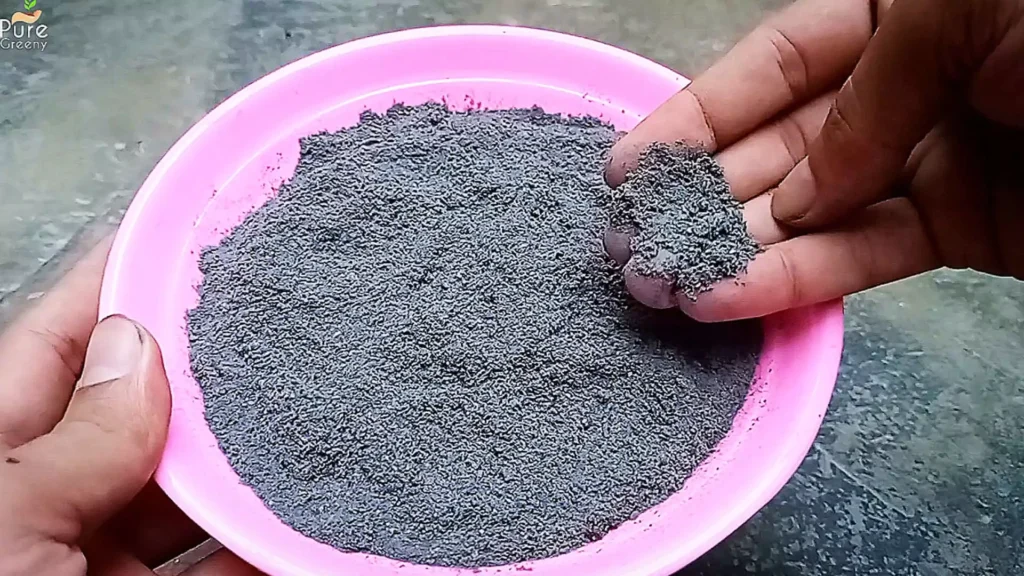
Now let’s see how we can use wood ash fertilizer on our plants to get the most benefits. Some people do use wood ash for their plants, but instead of getting benefits, they end up stopping plant growth completely.
That happens for a reason, which is incorrect usage, poor-quality wood ash, or the wrong timing for fertilizing. So, here is the nursery method to avoid all of this while using wood ash fertilizer.
First of all, if you are buying wood ash fertilizer, make sure it’s from a trusted and authentic source. one is also Added Here. Otherwise, simply take some hardwood from any tree and burn it until it turns grey to white in color. White ash is better because it is much more concentrated in nutrients.

For applying wood ash fertilizer to any plant, make sure the soil is a little dry. Add a small dosage at first. Around 1 to 2 tbsp for a 10-inch grow bag is enough.
I made the mistake of using too much at the start, and it resulted in many side effects, which we will discuss in a moment. So, don’t use too much. Smaller plants require a smaller dosage, while bigger trees can handle more. Try to keep a balance. Mix it really well into the soil and water thoroughly.
Such a mineral fertilizer changes the composition of the soil for some time. So, you have to be very careful and follow exactly what I say. Try to add the wood ash a little away from the main trunk.
Also, all of this only works if you apply it at the correct time. You should not use wood ash fertilizer when a plant is going through any kind of shock, nor when it is mainly growing leaves.

Normally, I recommend fertilizing during the leafy growth stage, but for wood ash fertilizer, things are a little different.
Here is the most ideal time to use wood ash fertilizer. Don’t use it until you see the plant reaching the flowering stage.
There is a major reason behind this, which I will explain in a moment. For now, just make sure you fertilize when the plant is near the flowering stage.
By following the correct method, I was able to enjoy many benefits of wood ash while growing vegetable plants.
In recent years, I have grown many vegetable plants like tomatoes, peppers, cauliflower, radishes, spinach, and Swiss chard. Guides on all of these are available Here, so feel free to browse them.
On What Plants Can It Be Used?
You might be wondering, can we use wood ash fertilizer on all kinds of plants? The answer is no. You cannot use wood ash on all kinds of plants. It’s a supplementary fertilizer used mainly for flowering and fruiting plants, and only during the flowering and fruiting stages.
Using it on houseplants or leafy plants won’t cause much harm, but you should not use it regularly. Even for vegetable and fruiting plants, the use of wood ash is limited to the flowering and fruiting stage only.
Some Side Effects?
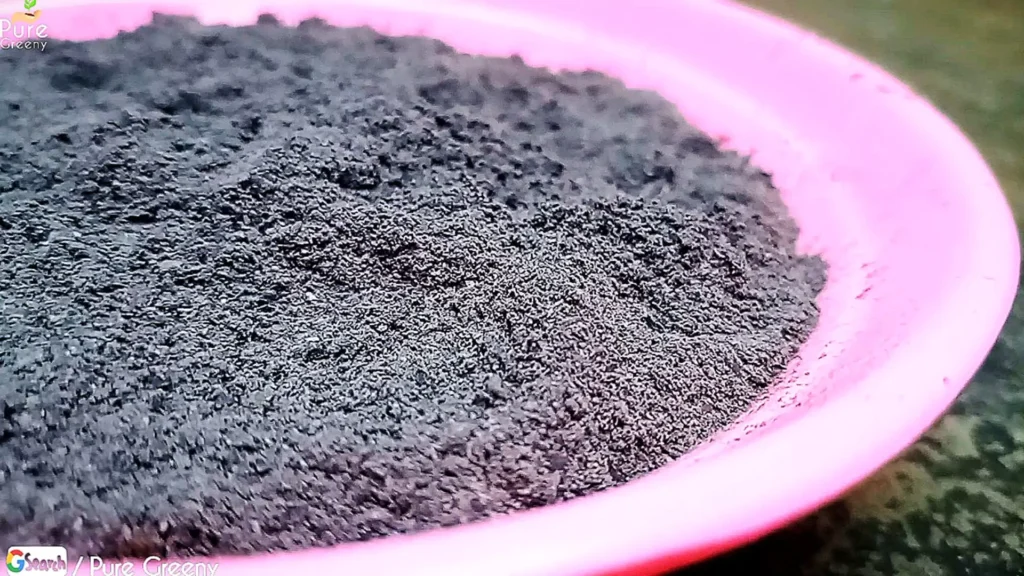
There are some wood ash side effects, which is why we need to learn the proper application method, along with one simple nursery trick at the end that can almost eliminate these side effects completely.
Wood ash doesn’t contain any nitrogen or phosphorus, which makes it less balanced as a standalone fertilizer. Using wood ash fertilizer again and again can disturb the soil composition completely.
The soil pH rises, nutrient imbalances occur, and the plant may go dormant due to continuous stress and shock. That is why you only need to use it when the flowering and fruiting stage arrives.
During this time, the plant requires much more potassium and calcium because these nutrients are essential for producing more flowers and fruits.
So, by using it only when the plant actually needs it, you will be surprised at how well your vegetable and fruiting plants perform.
I wasn’t aware of this simple yet effective detail until I met some nursery owners. They follow this exact method, which is why they achieve such good fruiting even in pots.
I found many other such tricks for vegetable plants as well as other plants. They are all included in this short book. Feel free to buy it from Here.

One way to not just manage wood ash side effects but almost eliminate them completely is to use it with compost. This secret method is used very frequently by nurseries. What they do is very simple.
They take a balanced fertilizer like compost and mix wood ash into it. This helps reduce the harmful effects of wood ash because the compost balances the nutrients.
I was also very surprised when I first learned about this. This is exactly why nurseries are so smart, and we should learn from them.
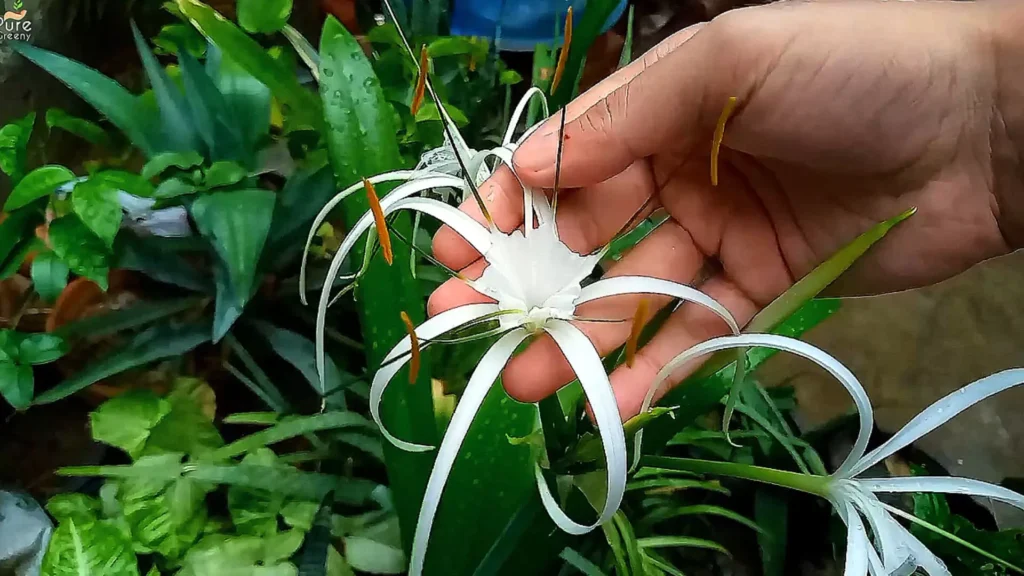
Feel free to check out this guide on how I grew these beautiful spider lily flowers at home, starting from their bulbs.