How to Make & Use Cow Dung Fertilizer Correctly?
I used cow dung for better growth on my plants, but the plant leaves started drying. That’s what happens when you use it incorrectly.
When you apply cow dung fertilizer correctly, all the yellow leaves disappear, and your plants start growing green, healthy bigger leaves. In this post, I’ll break down four easy ways to use cow dung fertilizer safely on our plants. So let’s begin.
Why Growth Stops When Cow dung is Used?
Cow dung is a nitrogen-rich fertilizer, and when used directly in the soil, it releases heat. This is what burns the plant roots and stops their growth completely.
In the beginning, I also made the mistake of using fresh cow dung on my plants, which ended badly. But this doesn’t mean cow dung is not a good fertilizer. We just need to understand the proper way to use it.
Benefits of Correct Usage?
There are a lot of benefits to using cow dung fertilizer correctly. It promotes fast and healthy growth, green vibrant leaf color, more vegetative growth, a better immune system, improved soil structure, and increased microbial activity.
It’s indeed a super beneficial fertilizer; otherwise, farmers wouldn’t have been using it for centuries.
1. Dried Cow Dung Cakes:
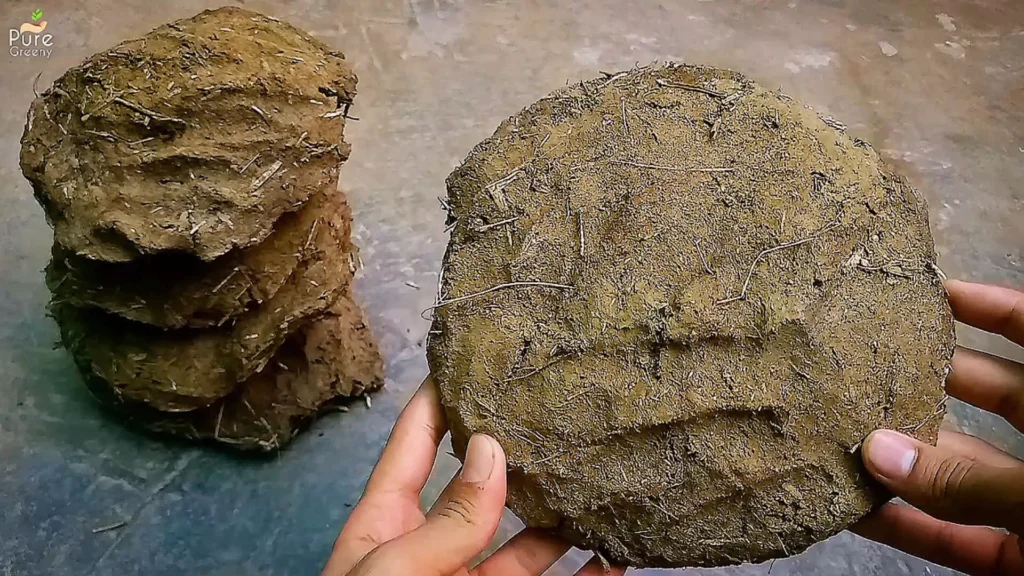
The first and most beneficial way to use cow dung fertilizer on our plants is dried cow dung cakes. This method is commonly used by farmers and nursery owners. What they do is very simple.
They dry fresh cow dung in the sun. Most of the harmful insects die, and much of the excess nitrogenous heat is gone.
Dried cow dung contains almost 60% less nitrogen than fresh cow dung, but it can still stop plant growth if used excessively. So here is the correct dosage.
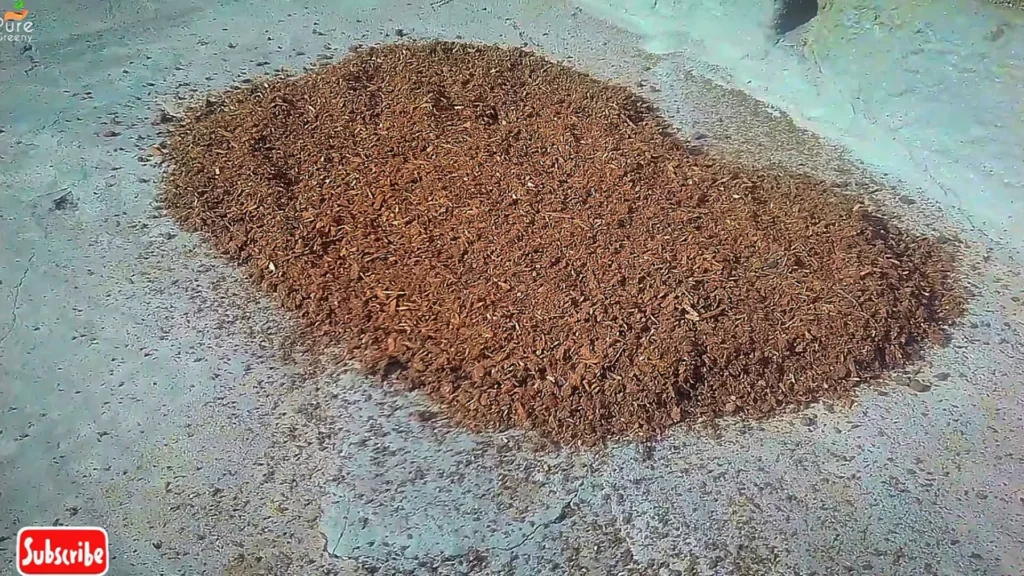
Dry the cow dung in the sun until it’s completely dry. Then use up to a handful for a 12-inch pot. Mix it really well with the soil and add plenty of water.
You still won’t get faster growth unless you apply it at the right time. Correct timing helps the plant absorb nutrients more efficiently.
So here is the ideal time to use cow dung fertilizer: when your plant is actively growing and producing new leaves and stems.
You can apply cow dung fertilizer once a month. Try to apply it during the evening, and avoid using dried cow dung during peak summer.
2. Cow dung Compost:
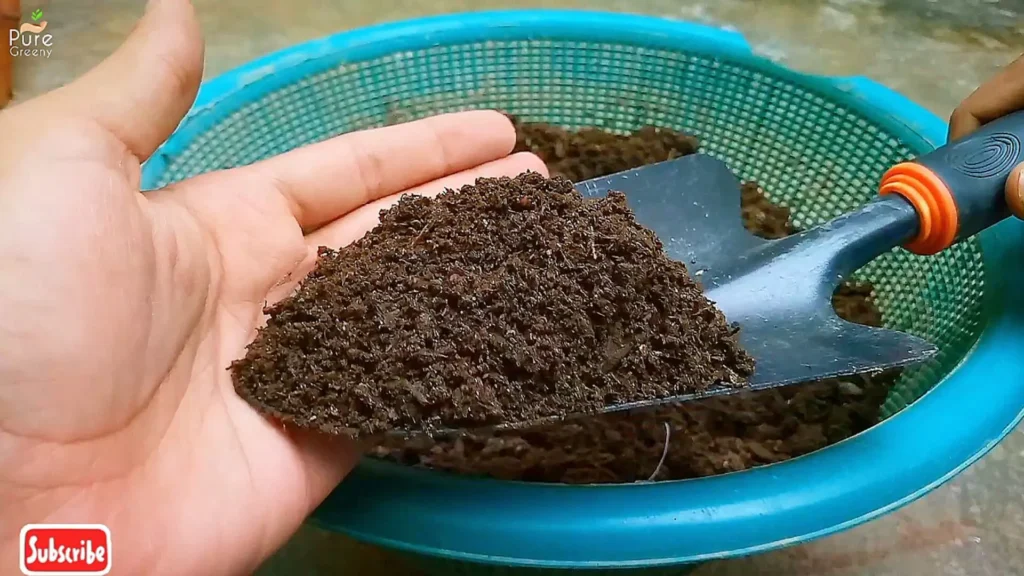
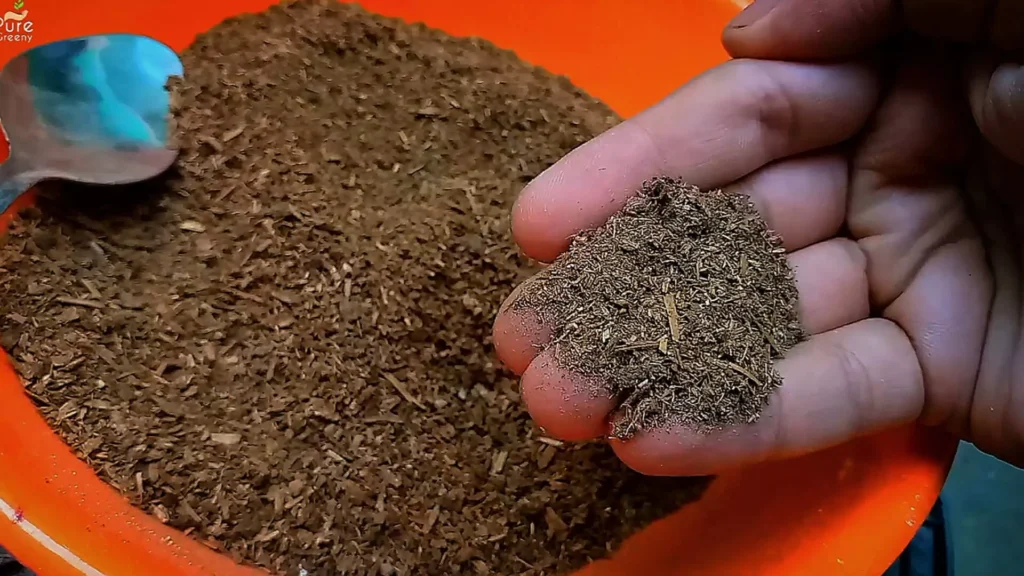
One more secret way to make cow dung fertilizer even more usable is by making compost. By decomposing cow dung, its nitrogen content reduces significantly, making it perfectly usable for our plants.
Over the past few years, I have made cow dung compost several times and used it on my plants. I never faced leaf burn or stunted growth. So here is how to make cow dung compost step by step.
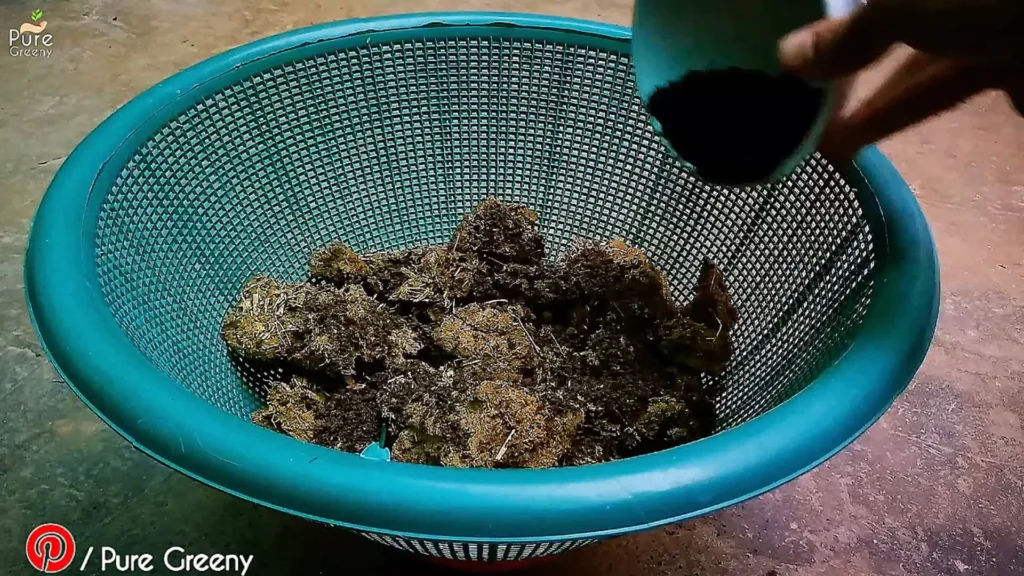
Take a large bucket. Add a layer of soil, then crush the cow dung cakes into smaller pieces and spread them evenly.
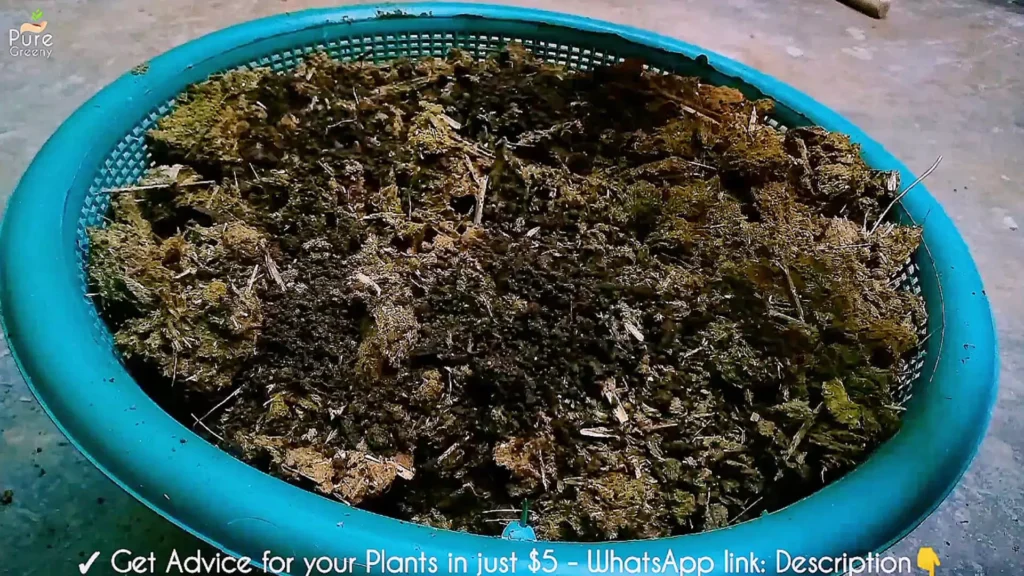
Add another layer of soil over them. Once the bucket is full, add plenty of moisture. Keep the bucket in an open, airy place. You can also buy a good-quality composting bin Here.
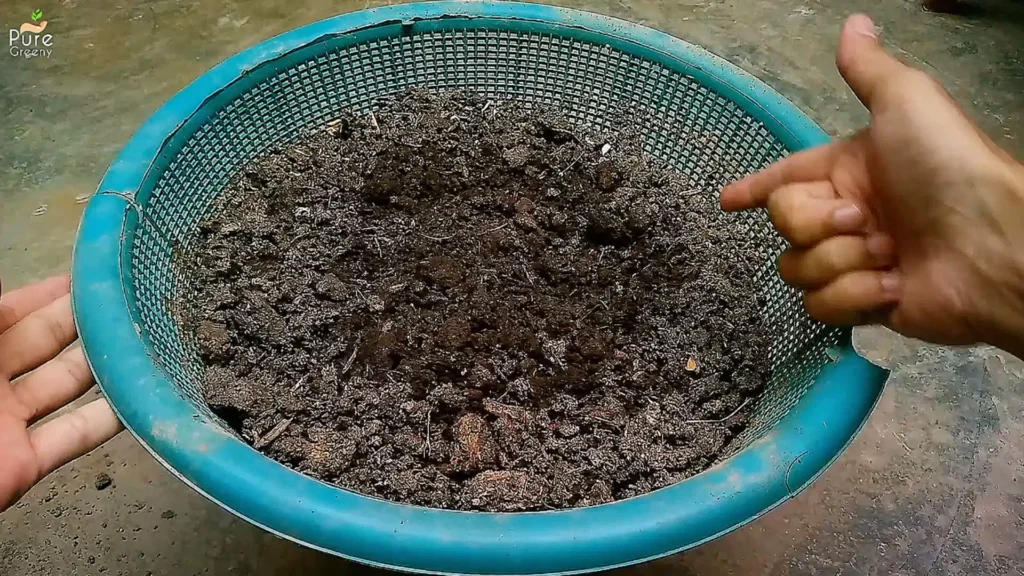
At the beginning, you’ll notice the composting material settling down, which is perfectly normal. Within a few months, your compost will be ready to use.
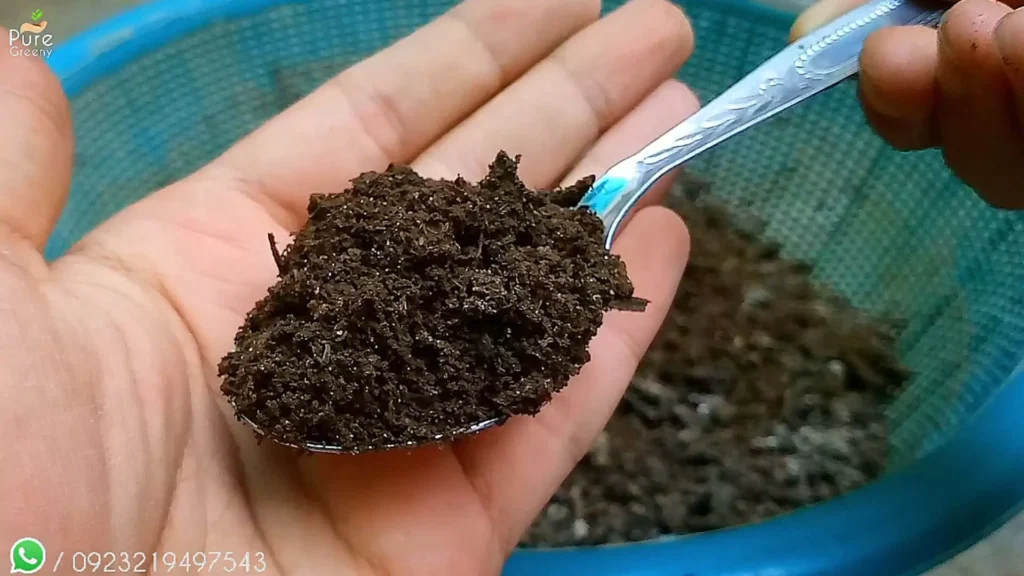
Here is how to check it. Dig up some of the material and see if it has fully decomposed. It is usually dark brown in color with an earthy smell, unlike fresh cow dung.
To use this cow dung compost on your plants, loosen some of the soil and add up to a handful of compost. Around a handful is enough for a 12-inch grow bag.
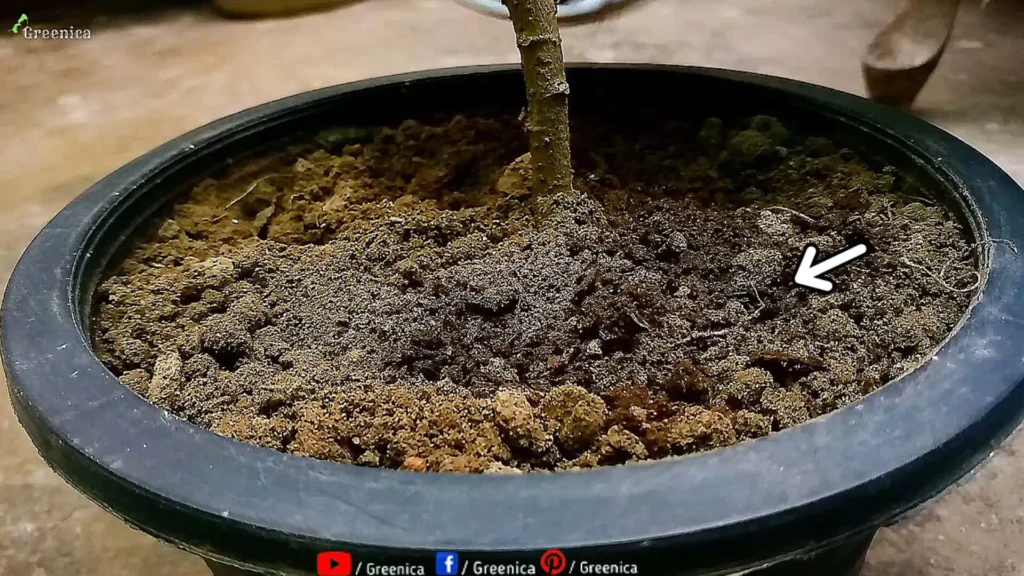
Using it once or even twice a month is perfectly safe. It doesn’t produce as much heat as fresh or dried cow dung.
And do you know which type of cow dung fertilizer nursery owners prefer to use? It’s cow dung compost. You might have seen a pile of cow dung at a nursery.
It’s actually being decomposed into compost. No wonder the plants look so healthy and green all year long. Some of the credit definitely goes to cow dung compost.
While visiting many nurseries over the years, I learned a lot of tricks they use. I tried to summarize them in this short book. Feel free to buy it from Here.
3. Compost Tea with Cow Dung:

Now let’s talk about the most beneficial form of cow dung, which is compost tea. By making compost tea from cow dung, we make its nutrients easier for the roots to absorb, and all the excess nitrogenous heat is gone. And there is one ingredient that makes garden compost tea even better.
First, let me show you its results. I often use compost tea on my leafy houseplants like Syngonium, Pothos, Boston Fern, etc., and you can see the growth.
I even included cow dung in my all-in-one houseplant fertilizer, which I use very regularly. More on that in a moment.
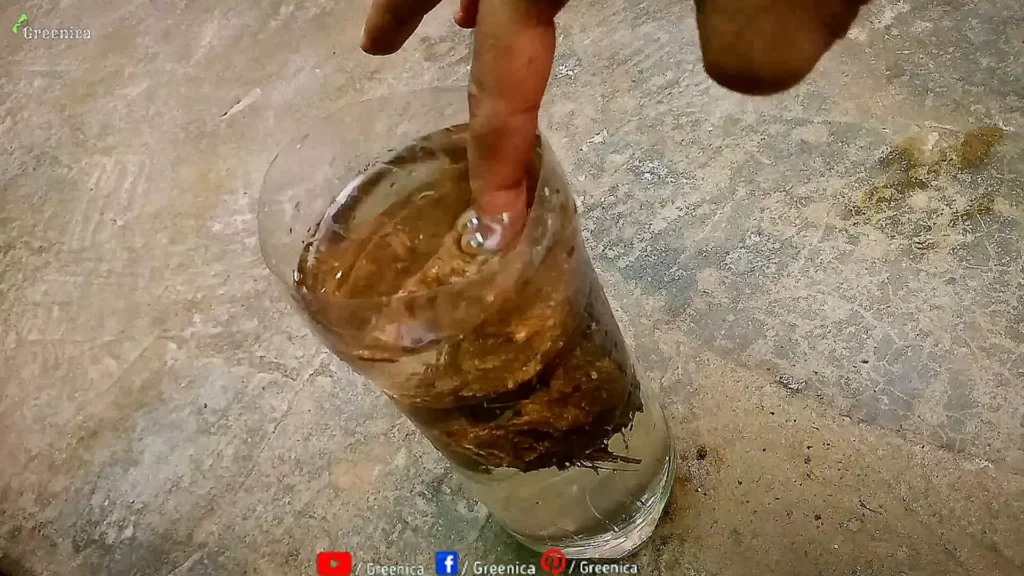
Here is the compost tea recipe. Take one cup of dried cow dung cakes and mix them in one liter of water. Add a small piece of jaggery or a little molasses.
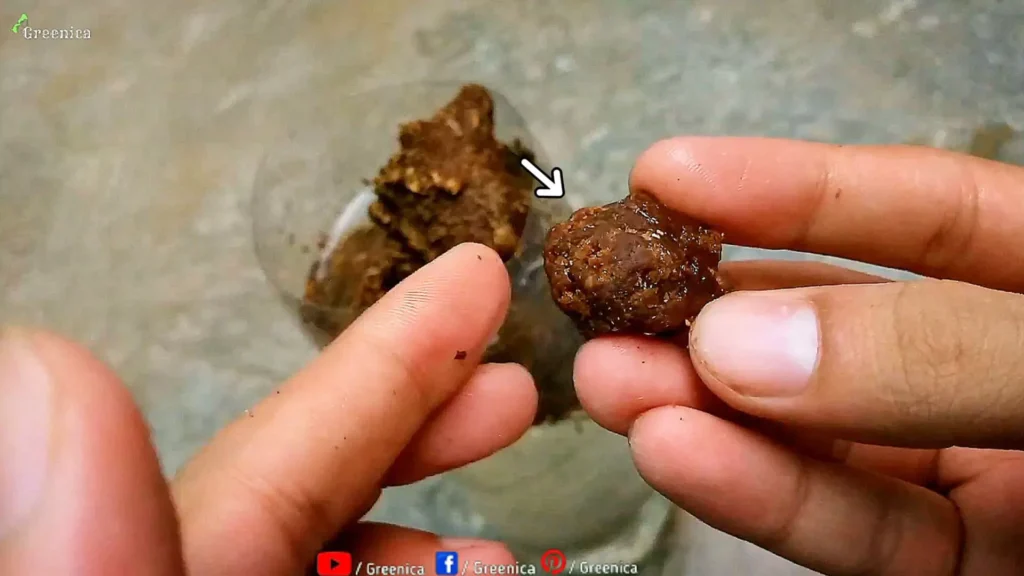
It is sugary and helps increase the microbial population in the water, which further decomposes the cow dung faster and more effectively.

After 2 to 4 days of fermentation, most of the nutrients from the cow dung will be dissolved in the liquid. Now dilute this liquid with 10 parts of water.

Use it on all your plants, even seedlings. It’s very safe because it is properly diluted. You can even use this diluted cow dung compost tea during peak summer, just don’t use too much.
This liquid fertilizer is extremely beneficial for young fruiting plants like tomatoes, peppers, mulberry, grapevine, etc.
4. Fertilizer Formulation:

One more way to use cow dung is through fertilizer formulation. Instead of using cow dung directly, you can include it as one of the ingredients in another fertilizer. This makes the fertilizer more balanced in nutrition.
If you only use cow dung, you won’t get good long-term growth. I faced this issue when I used it on my houseplants for some time. That’s when I formulated this fertilizer recipe.
It includes cow dung for nitrogen, compost for a wide range of nutrients, and rock phosphate for phosphorus. So you can see how all the nutrients are balanced in this fertilizer.
A guide is also linked right here if you’d like to learn more about this fertilizer.