Trichoderma Fungicide Uses For Plants, Benefits & Side Effects!
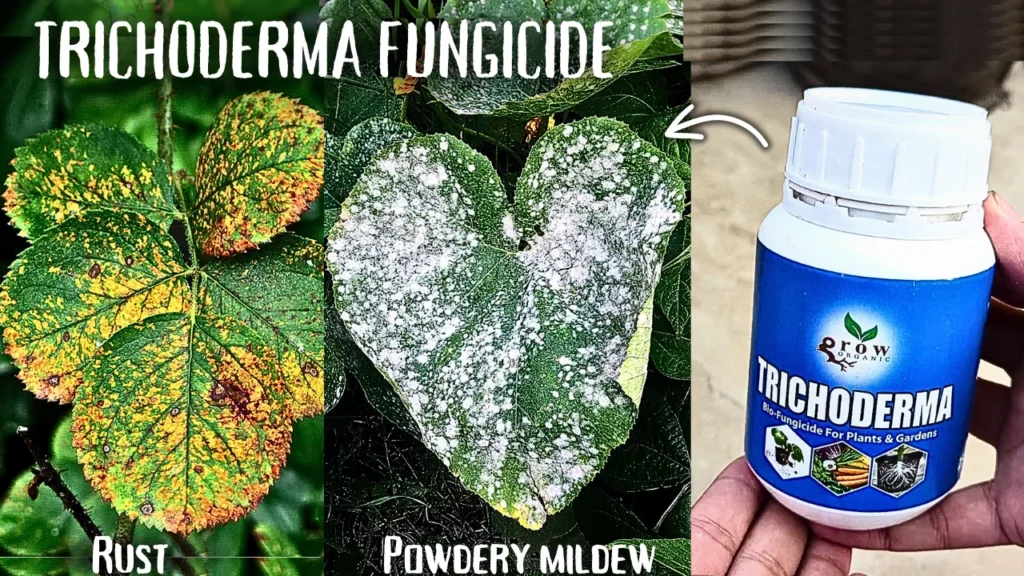
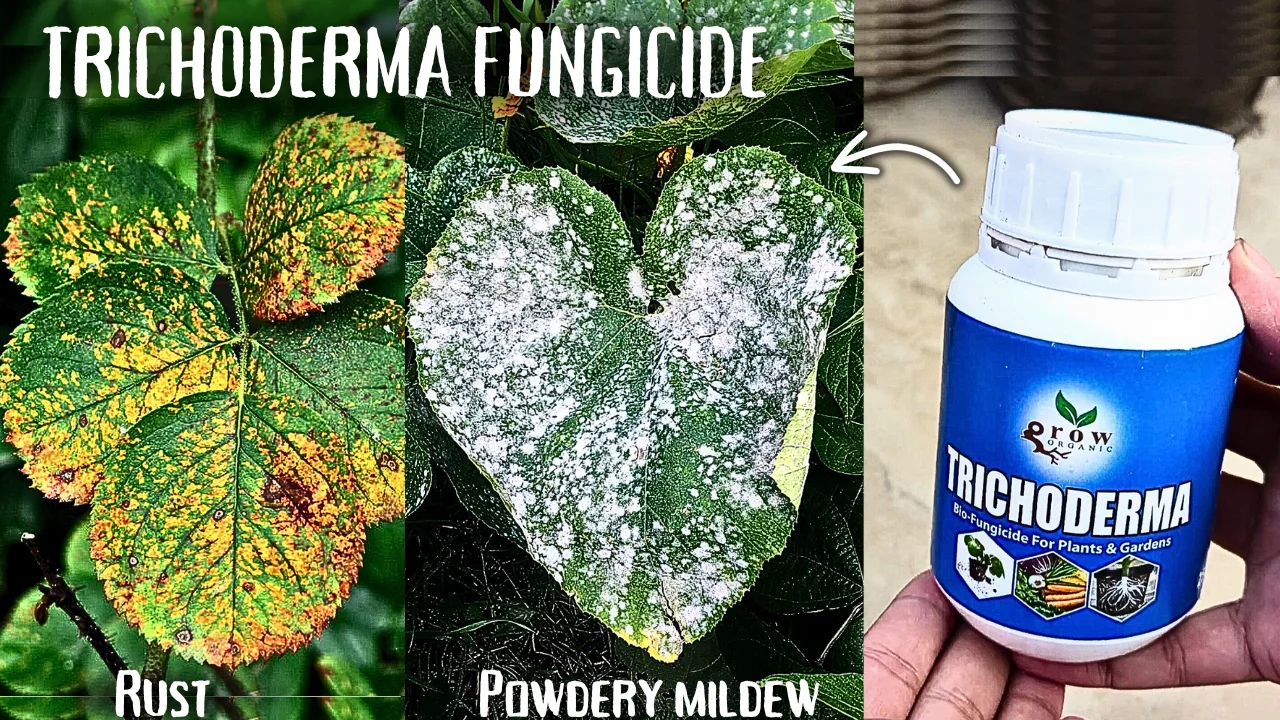
Root rot, powdery mildew, white mold, curling, patchy leaves, and slow, stunted growth often happen due to fungal attacks. And one of the best solutions is the use of Trichoderma fungicide.
In this post, I’ll take you through all the do’s and don’ts of using Trichoderma fungicide, its benefits, and its side effects. So let’s begin,.
What Is Trichoderma Fungicide?
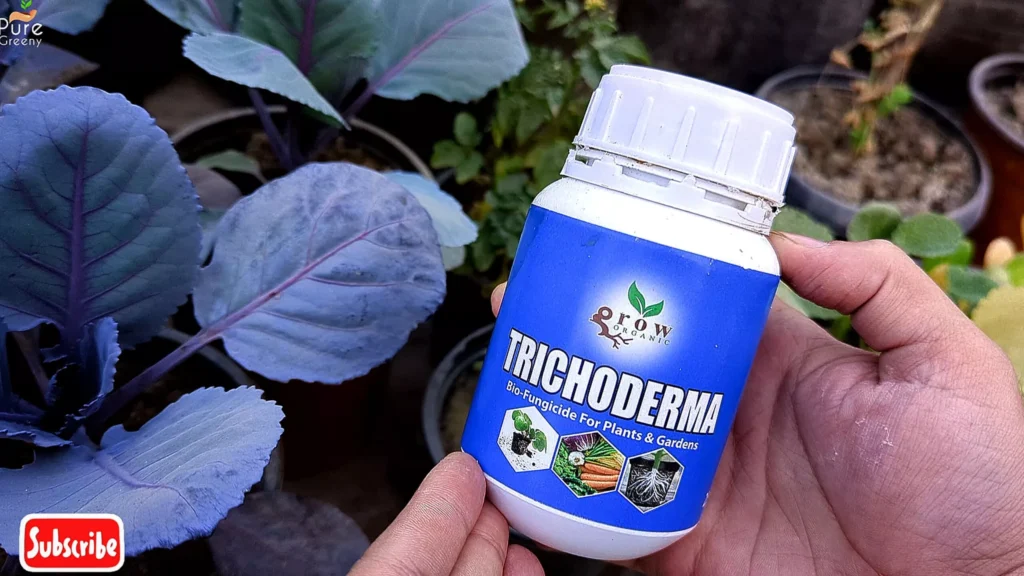
Unlike chemical fungicides, Trichoderma is a living culture of beneficial fungi. It acts like a harmless fungal army, fighting against other harmful fungi and bacteria.
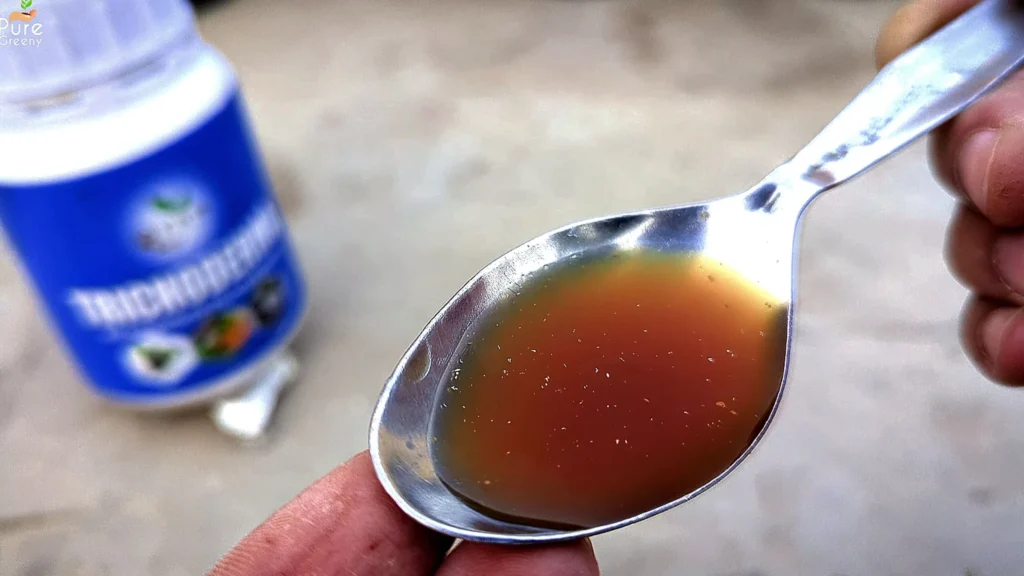
This fungicide forms a protective layer around the roots and repels harmful soil microbes. In appearance, it’s a dark brown-colored liquid full of Trichoderma fungi. It smells slightly sour and earthy.
And if used correctly, this simple solution can help prevent several plant issues, ranging from root rot, white mold, stem rot, and wilting leaves to many more.
What Are Its Benefits for Plants?
There are a lot of benefits of using Trichoderma fungicide. These include control over numerous plant diseases, strengthening the plant’s immune system, improving root growth, and enhancing soil structure.
And most importantly, the protective layer around the roots helps a lot in overwatered conditions. By using Trichoderma fungicide, you won’t see issues like root rot, powdery mildew, damping-off, wilting leaves, stem rot, etc.
It acts as a living defender and helps root tips grow further, ultimately enhancing nutrient absorption. All of this indeed depends on the correct use of Trichoderma fungicide, which we’ll see in just a bit.
But overall, Trichoderma fungicide is highly beneficial, especially for our vegetable gardens, and I clearly prefer Trichoderma over chemical fungicides.
How to Correctly Use It?
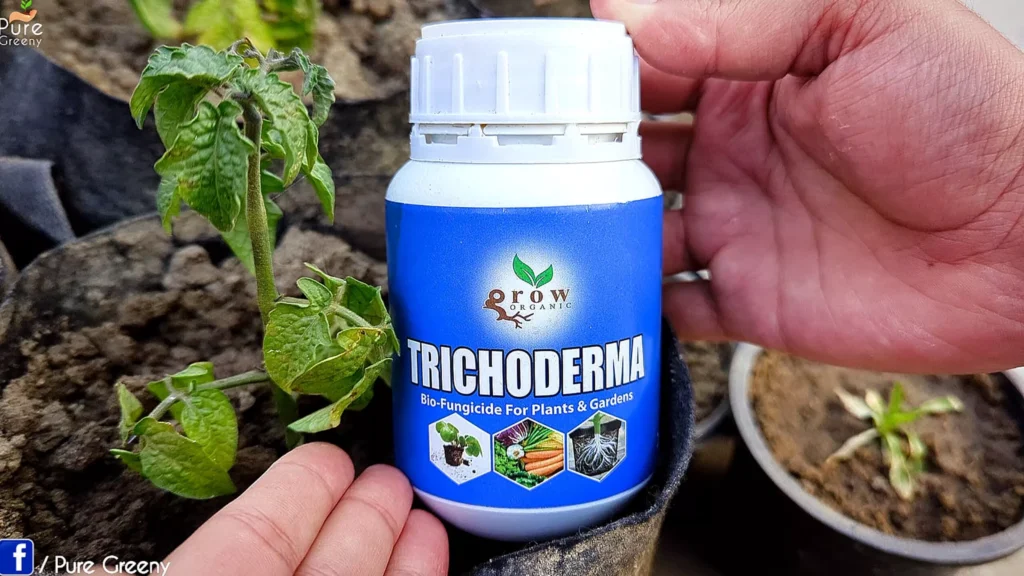
So, here is how to use Trichoderma fungicide on our plants in order to get the most benefits.
And let me tell you, it’s especially beneficial for healthy plants, not just for disease treatment. Before I tell you the correct method, understand how the fungicide actually works.
This liquid is full of beneficial fungi, and by adding it to the soil, they start establishing their colony. So, we have to make sure we use the correct dosage and provide the ideal environment.
For Potted Plants:
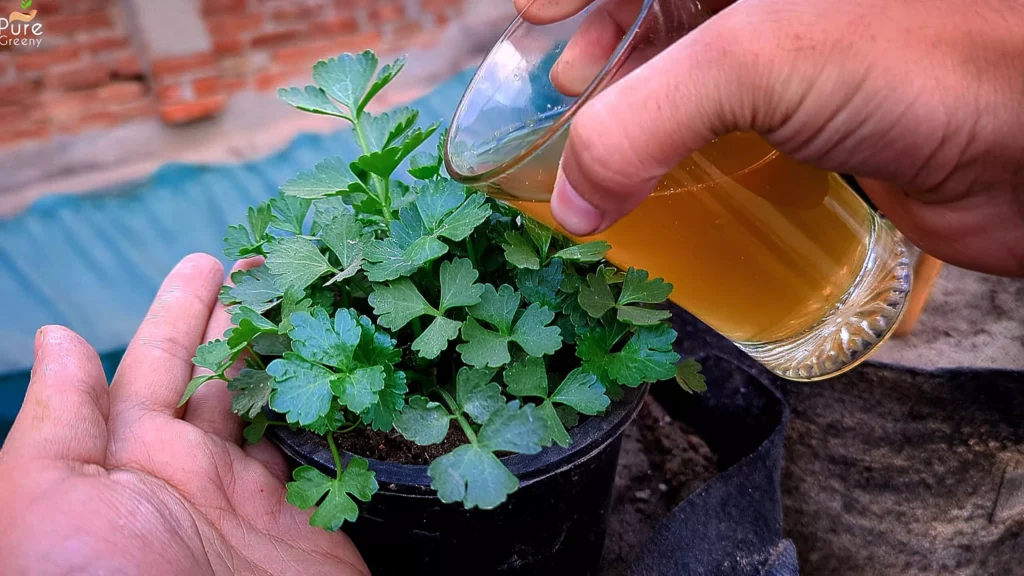
And here is how to do it step by step. First of all, make sure the soil is a little dry. Add up to 10 parts of water to the Trichoderma solution. If you bought the powder form of Trichoderma, mix 5 g in one liter of water.
Use around 100 ml of this solution in the soil of each plant. Use higher amounts for bigger plants. You can do this in the evening once a month. A Good Quality Trichoderma Fungicide is also Added Here.
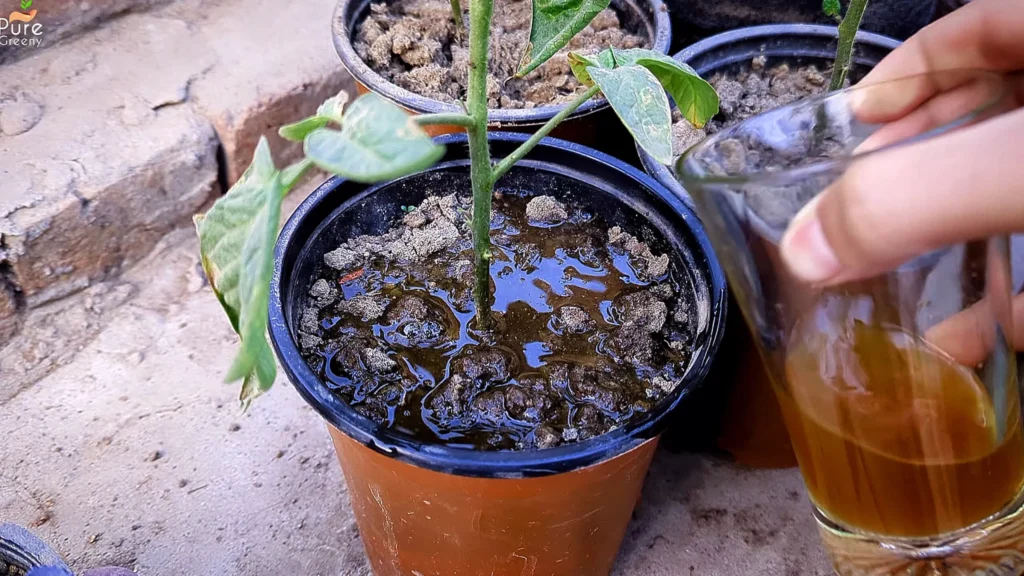
It is especially beneficial for vegetable plants like tomatoes, peppers, cauliflowers, and many others. Its usage doesn’t harm soil microbes like earthworms or beneficial bacteria, and it’s even safe for your pets.
And the best part is, you can use it whenever you like, whether the plant is actively growing or not.
While Transplanting:
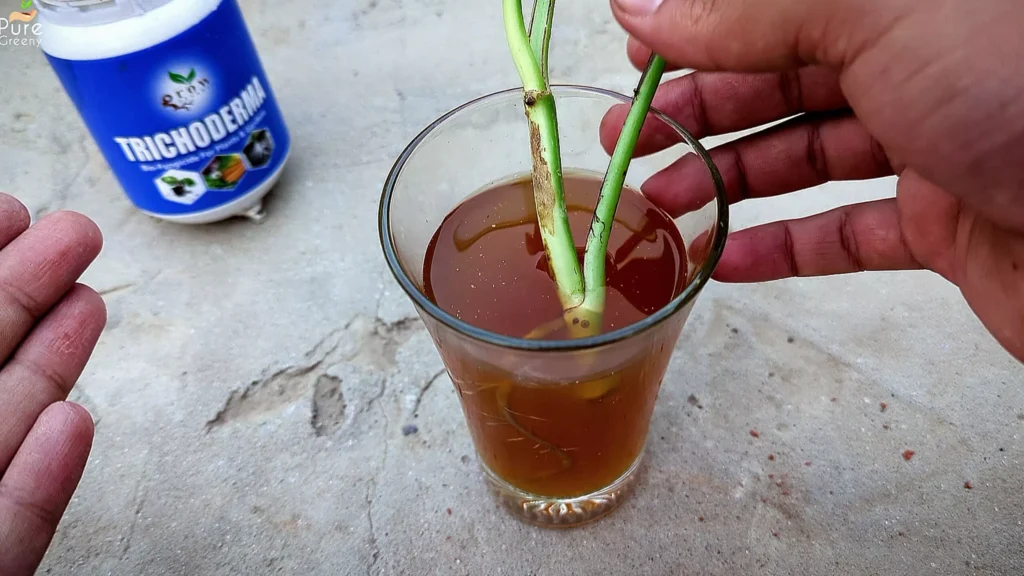
Another easy way to use Trichoderma fungicide is while transplanting. When I grow pothos in pots, it’s hard not to overwater them, so I often make a Trichoderma fungicide solution the same way and dip the plant roots in it for some time before transplanting.
The spores of Trichoderma attach to the roots and start forming a colony. And here is an important detail: Trichoderma fungicide works extremely well in organic soil mixes.
You might have used Trichoderma before, but it didn’t work. That happens for a reason, which is your soil media. I’ll tell you a simple and effective nursery secret to overcome this at the end. That simple technique enhances the effectiveness of Trichoderma even more.
WIth Soil:
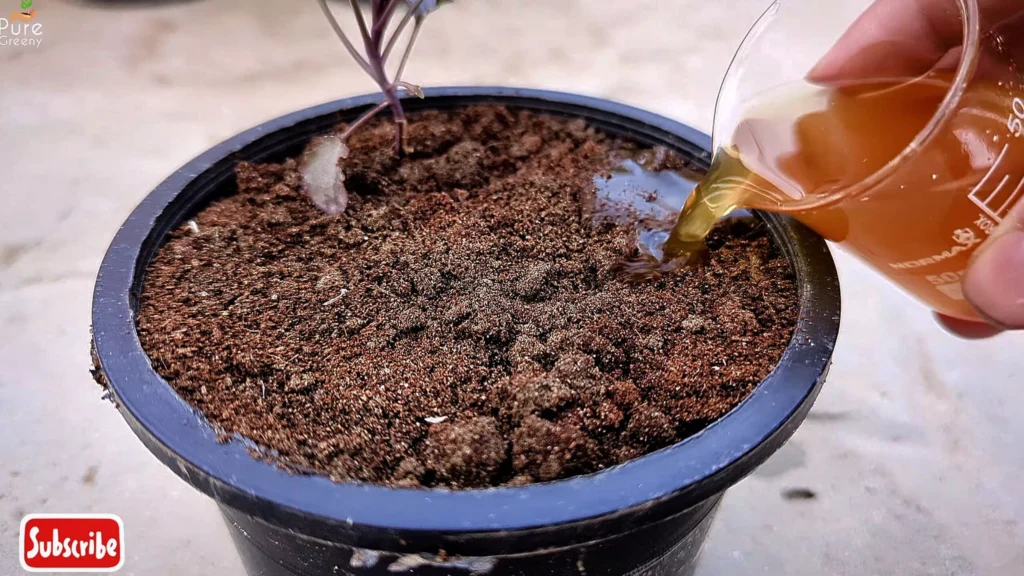
One way to apply Trichoderma fungicide is directly to the soil. You can add the Trichoderma solution to the soil, and the microbes will start forming a colony. Just make sure the soil doesn’t dry out.
Otherwise, all of them will die. Within 10 to 15 days, your whole soil media will become antifungal. You can transplant almost any kind of plant into it, and it will grow extremely well.
On What Plants to Use It?
By following the correct method, you can use Trichoderma fungicide on almost all kinds of plants. Just don’t use it on cacti and succulents. Otherwise, it works really well for vegetable plants, houseplants, indoor and outdoor plants, flowering plants, etc.
Side Effects?
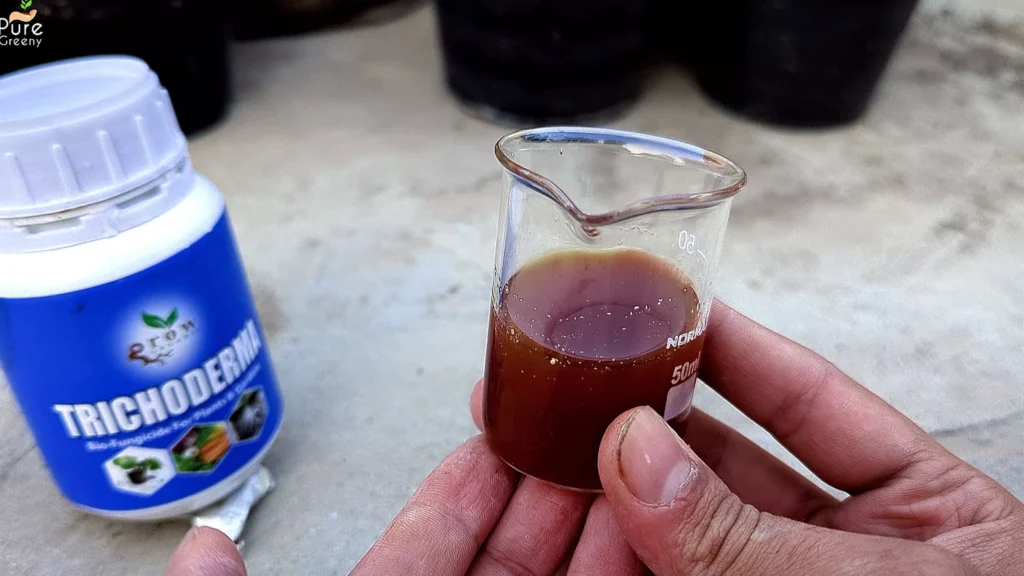
One major side effect of Trichoderma is that overuse can kill other beneficial fungi in the soil as well. You might have heard of a very helpful fungus called mycorrhiza. So, use it only in the recommended dosage.
One mistake people often make while using Trichoderma fungicide is the incorrect timing. You shouldn’t use it in hot and dry weather. Remember, they are living organisms that require moisture and stable temperatures to multiply.
Now here is a nursery technique that you can use in your home garden while using Trichoderma fungicide. These fungi need stable moisture and temperature. For that, you can use mulch.
Mulching helps maintain soil temperature and moisture. And this is one reason why nursery plants always look so healthy. They don’t even have to do the mulching themselves—nature does it for them.
There’s a lot more you don’t know about nursery methods. In recent years, I tried to collect all of these secret tricks and compile them into this short book. It’s added Here, if you’d like to buy one.
One more mistake that people often make while using Trichoderma fungicide is using other chemical fungicides along with it. Don’t use other chemical fungicides at all.
I tried a simple experiment while growing a Syngonium plant in water. I added some Trichoderma while propagating it, and it worked really well.
You can do the same for pothos as well while growing it in water. One Guide about growing Syngonium plants in water is also linked right here if you’d like to follow it.