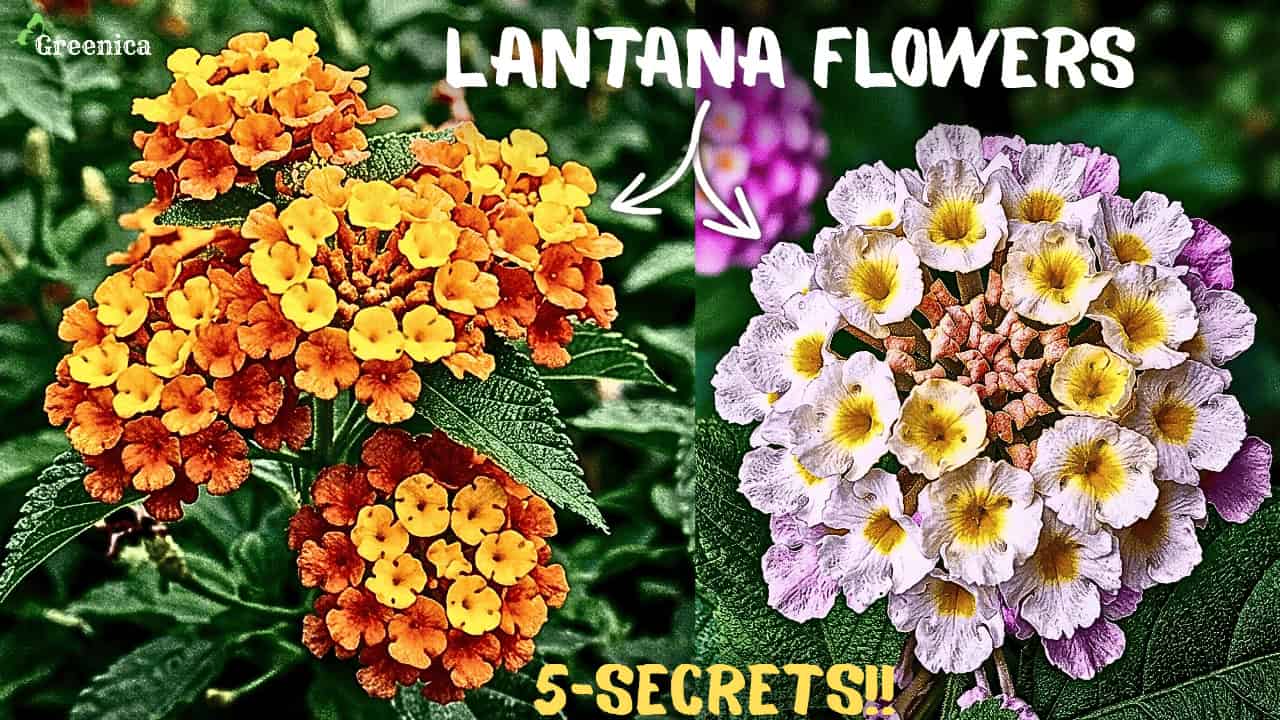
How to Grow A lot Of Lantana Camara Flowers In Pots? (5-Care Tips)
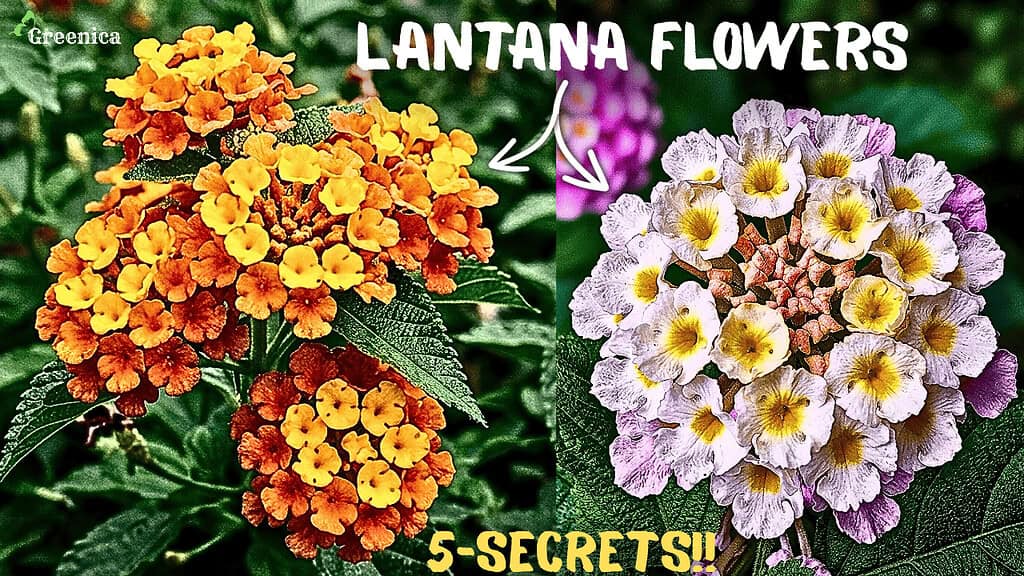
If your Lantana plant is not growing well, it’s usually because of the care method. Proper care helps the plant reach this kind of flowering, and in this Post, I’ll tell you exactly how to care for your Lantana plant so you can get lots of flowers all season long. So Lets Begin.
1-Understand Lantana’s Growing Season!

The first and most important thing beginners often miss while growing Lantana plants in pots is the season. The correct season matters the most. During the ideal season, you’ll see fast growth, more leaves, and more buds and flowers.
Lantana camara belongs to the tropical regions of India, and the plant is so hardy that it is even considered invasive. While growing them in pots, you can still get super fast growth if you understand the correct season.
The growing season of Lantana is the warm weather of spring and summer. One possible reason your Lantana plant is not growing well is the wrong season. Maybe you are trying to grow Lantana flowers in winter, which is incorrect.
When I started growing Lantana flowers, I made the exact same mistake and expected flowers even during winter. After several trials, I found that this plant prefers a hot environment to grow fast. So make sure you are not making this mistake. Grow your Lantana plants during summer.
Now you know the exact growing season of Lantana camara, but here is another pro tip. Follow this, otherwise your plant can even die. As winter arrives, the Lantana plant stops its growth completely.
You may also notice yellow leaves, but here is what you need to do during winter. If the winters are moderate, move the plant into shade. But if the temperature is too low, move your Lantana plant indoors somewhere warm so it can survive.
2-Plant it in This Soil!

The right soil media is another important thing in Lantana plant care that can unlock a lot of new growth. Lantana plants are hardy and survive in many soil mixes.
You may have even seen them growing in clay-like mixtures, but nothing matches this homemade soil media. Root growth just explodes in this mix, and here is why.
Lantana plants grow well in most mixes, but if you provide a loose, soft, and well-draining mixture, growth becomes even faster. I prepared this mixture myself, and I’m already using it for most of my plants. It simply works amazingly.
Before I tell you the exact soil recipe, here is another thing you should know. Lantana plants don’t like overwatering at all, and if you are a person like me who sometimes waters too much, this soil media can reduce your efforts because it drains moisture very efficiently.
It’s a mix of;
- Sand – 1 part:
- Garden Soil – 2 Parts:
- Cocopeat – 1 part:
- Compost – 1/2part:
- Cow dung – 1 bowl:
You can also prepare it at home and use it for your flowering plants. For learning in depth about the qualities of this soil media, you can follow the Guide linked Here.
3-Never Let it Become Root Bound!
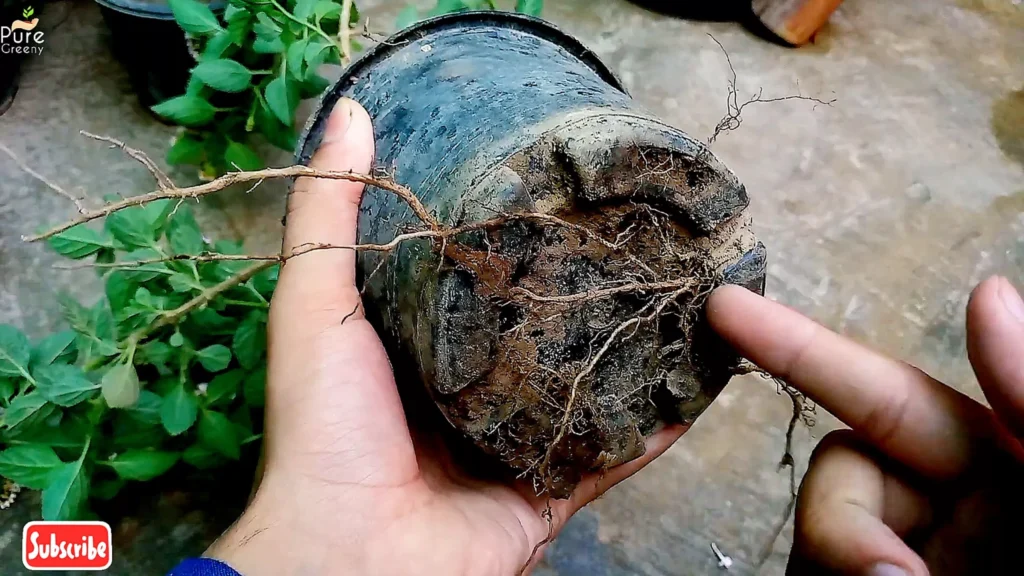
Another thing people often miss while growing Lantana plants in pots is root space, and it matters a lot. In the ground, roots can grow as far as they like, search for nutrients, gather moisture, and much more.
But when we grow Lantana flowers in pots, we have to be extra careful with the pot size. Lantana plants are very fast growing, and you may notice root binding within a few months. Here is my professional way of managing this issue from the start.
First of all, always grow Lantana plants in grow bags. In grow bags, roots become root bound less often, and they also help with overwatering. You can buy them from Here.
If your Lantana plant is not growing well, it might already be root bound, and here is how you can check. Look at the drainage holes. If you see roots growing out of them, immediately repot your plant.
Make sure to follow a proper repotting method. Don’t do this during sunny hours, and after repotting keep the plant in shade for a few days so it can recover. And here is one more secret.
You should fertilize your Lantana plant after recovery because it’s the most ideal time. At the end, I’ll tell you how I got this much flowering on my plants with this homemade fertilizer, so keep Reading.
4-Place it in Sun or Shade?
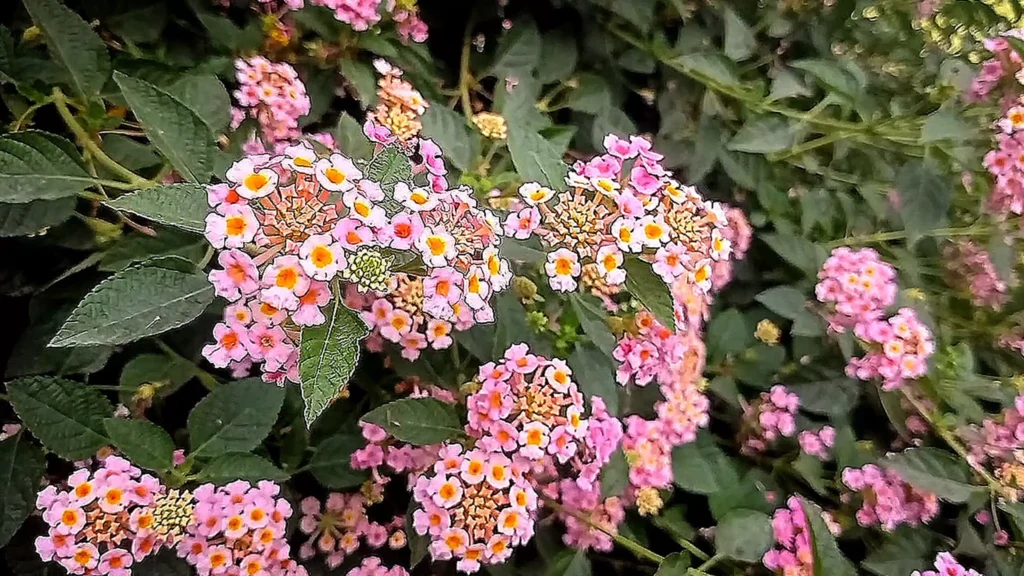
One more thing that is very important for growing Lantana flowers in pots is the right sunlight. Lantana plants need sunlight to produce buds and flowers, but not in the way most people think.
I’ll tell you exactly why your Lantana plant stops growing when you keep it in direct sun. When I started growing Lantana flowers a few years back, I also kept my plants in direct sunlight.
At first they grew really well, but after some time the growth stopped and flowering reduced too. Later, I found that when we grow Lantana plants in pots, the pot and soil get very hot during the daytime.
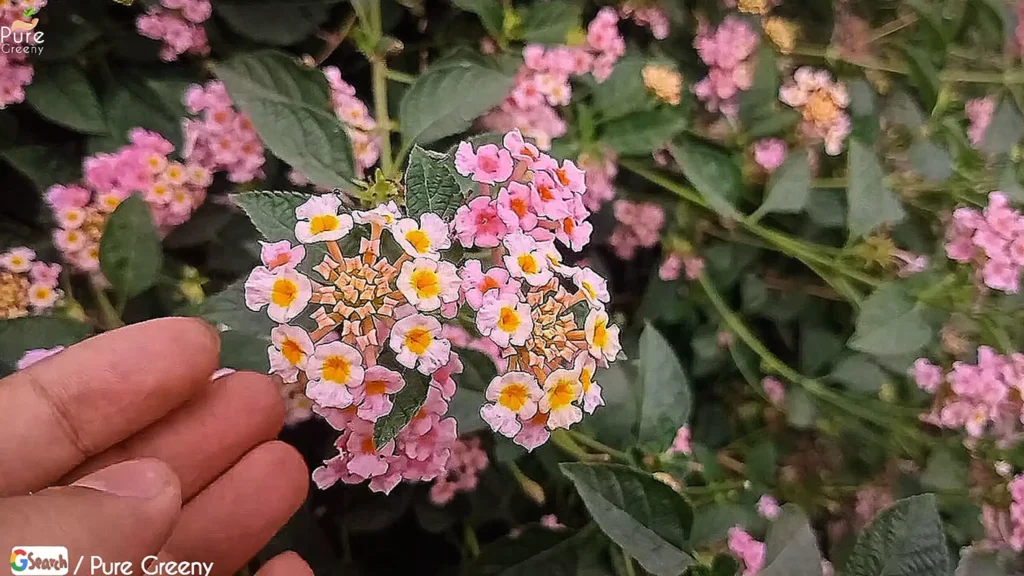
This creates heat stress, and that is why the plant stops growing. If you live in a cold climate region, this is not an issue for you. But for people like me who grow plants on rooftops, this is a major problem.
Instead of keeping your Lantana plant in direct sunlight, find a spot between plants where sunlight reaches for only a short period. Filtered or indirect sunlight is most ideal for Lantana plants. You will notice much faster growth because the plant is no longer struggling with heat stress.
5-The Fertilizer I Use…
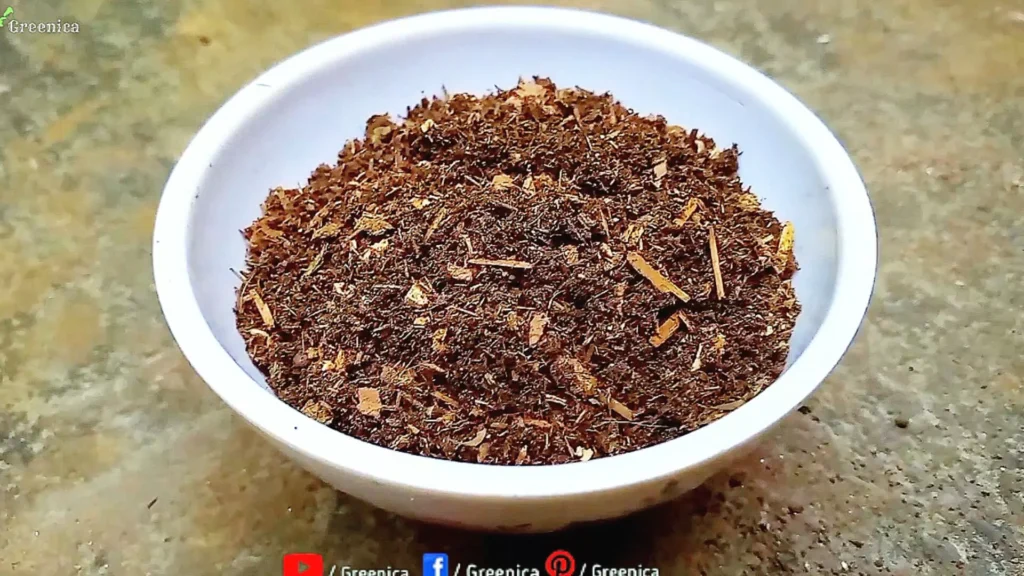
For fertilizing Lantana plants, you can follow two methods. You can use random fertilizers like compost or cow dung. I’m not saying they won’t work, but this homemade fertilizer that I prepared works much better.
It’s complete nutrition for such plants and even encourages more flowering. Before I tell you the exact recipe, let me explain why these plants flower so heavily. There are two reasons behind it.
One is the fertilizer I’ll tell you about, and the other is growing them in the ground. In the ground, roots have much more space than a pot can provide. So try to choose a bigger pot from Here, for better growth.
And here is the fertilizer recipe. It’s a mix of dried potato peels, leaf compost, eggshells, and cow dung. Potato peels contain potassium, which helps the plant flower more. A complete guide on this fertilizer recipe is also linked here if you’d like to follow it.