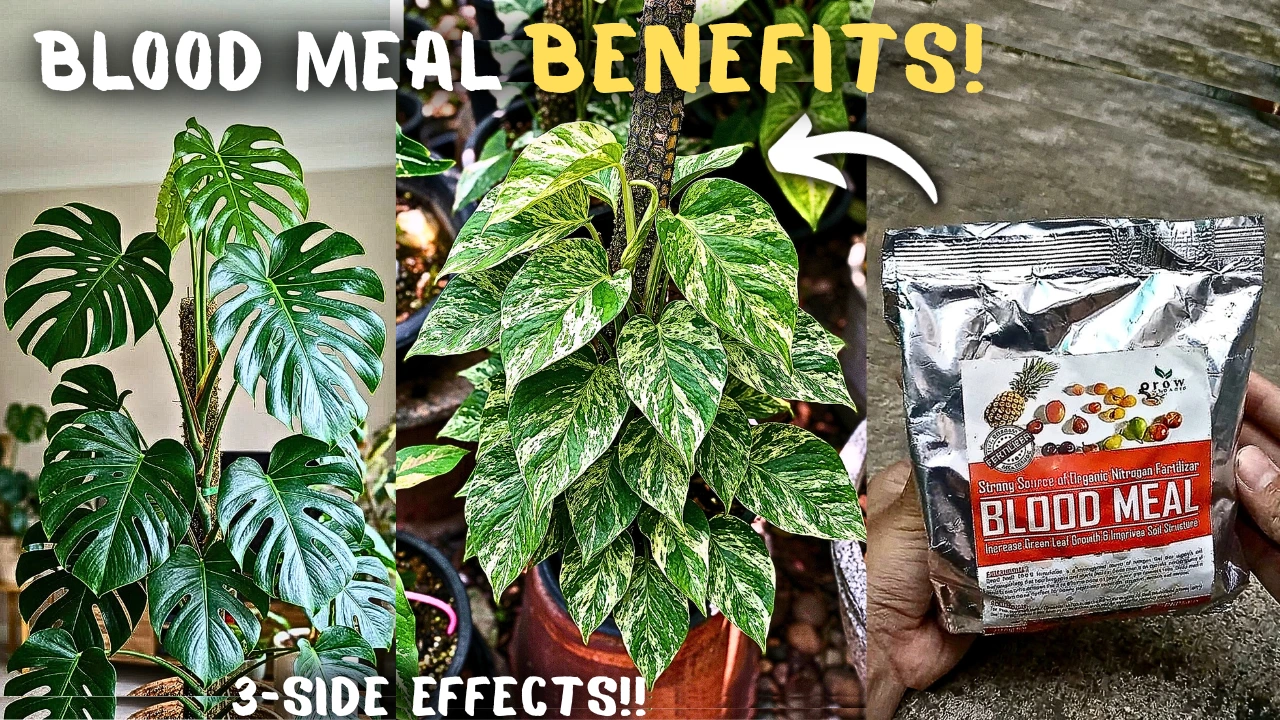
Blood Meal Fertilizer: How to Use It Without Burning Plants
Blood Meal Fertilizer: What It Is, How to Use It, and Its Side Effects
Yellow leaves, stunted growth, and patchy foliage usually point to low nitrogen in the soil. Blood meal fertilizer is a fast-acting organic nitrogen fertilizer that fixes this and also supports flowering and fruiting. Used in the right dose at the right time, it gives lush, green growth. Overused, it can burn roots. Below, you’ll learn what it is, how to use it correctly, which plants like it, and how to avoid its side effects.
What Is Blood Meal Fertilizer?
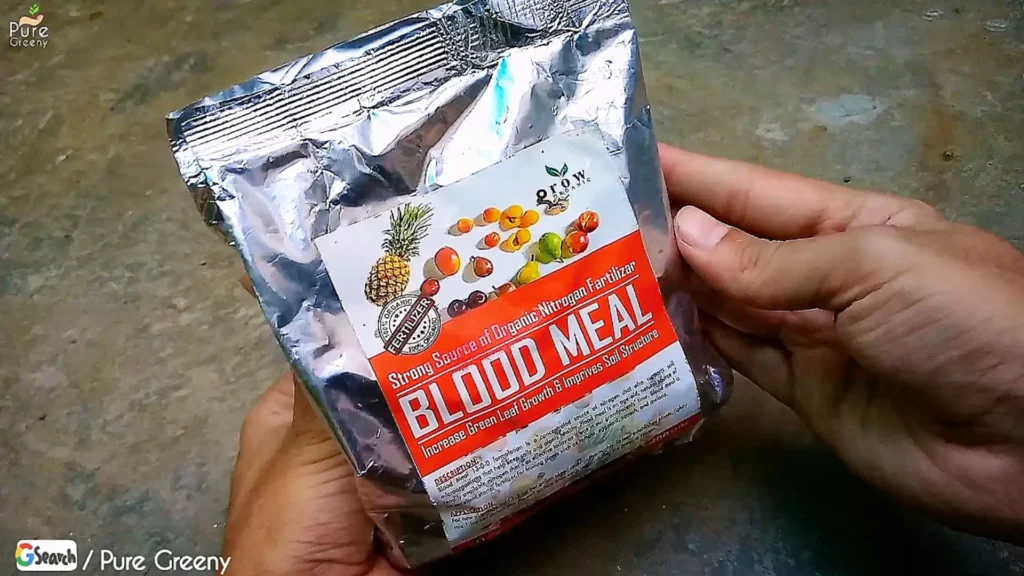
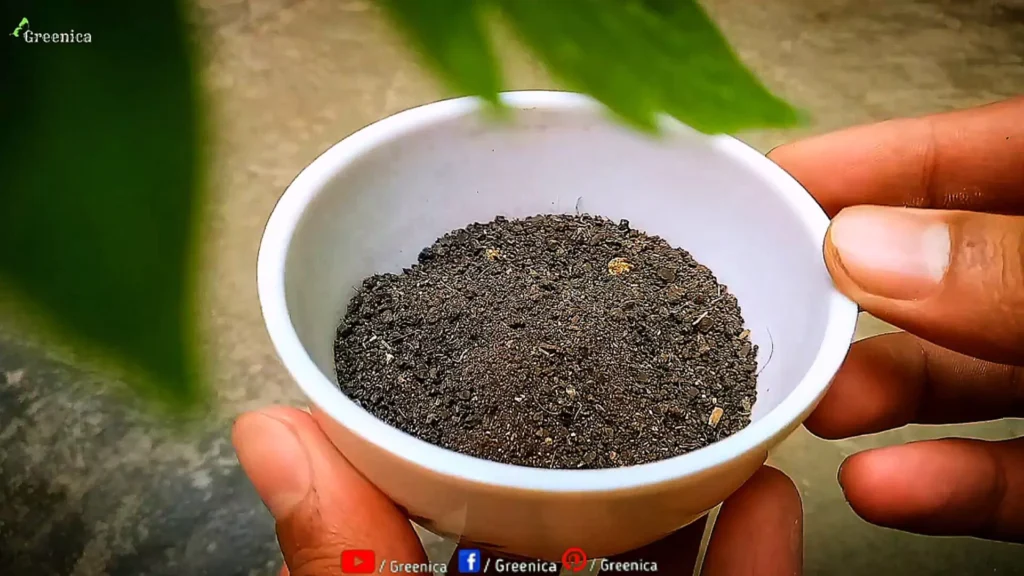
Blood meal fertilizer is an organic, high-nitrogen plant food made from dried animal blood. It looks like dark, granular powder and has a strong, decaying smell. That smell can attract pets, which may start digging in pot soil. A simple fix is covered below.
What Is in Blood Meal Fertilizer?
Blood meal fertilizer is mainly nitrogen. It also contains trace elements that support healthy flowering and fruiting:
- Iron
- Copper
- Magnesium
- Zinc
- Calcium
How Is Blood Meal Made?
Blood meal is a by-product of the meat industry. Blood collected from slaughtered animals is dried, processed, and bagged as a granular fertilizer. It isn’t practical to make safely at home, so buying a good-quality product is the better choice.
Is Blood Meal a Good Fertilizer? Benefits for Plants

For nitrogen-hungry plants, yes. Benefits of using blood meal fertilizer include:
- Faster leaf growth and better leaf color
- A healthier, stronger plant
- More branching and bushier plants
- Improved soil structure
- Steady feeding over several weeks
- Organic and beginner-friendly
I used blood meal fertilizer just once on my cucumber seedlings, and over the following weeks they grew bigger, with lush green growth and larger leaves. On a garlic vine, a single small dose produced new leaves even in the off-season.
All of this depends on the right dosage and timing. Like any nitrogen fertilizer, an overdose can burn roots and kill a plant overnight.
How to Use Blood Meal Fertilizer for Plants
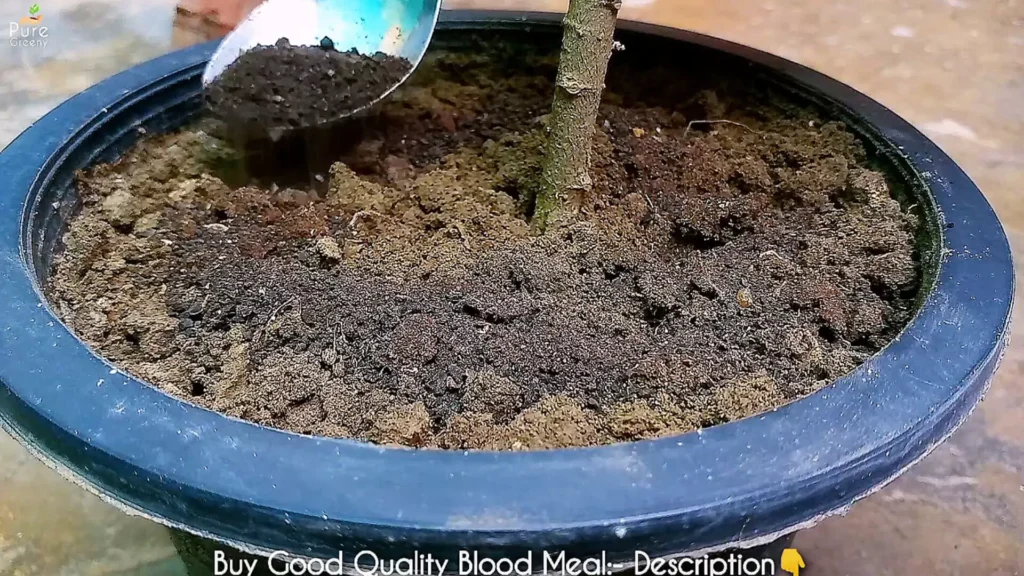
Follow these steps to apply blood meal fertilizer correctly:
- Choose a good-quality product. One is Added Here.
- Start with slightly dry soil.
- Measure the dose. Use 1 to 2 tablespoons for a 10- to 12-inch pot, only once a month. A small variation is fine since it’s organic, but don’t go much beyond this.
- Mix it lightly into the topsoil and water well.
How to Make Liquid Blood Meal Fertilizer
If you prefer a liquid feed, dissolve a small amount of blood meal in water, let it steep, and apply it diluted to the soil. Start with a weak mix, since liquid feeds act quickly and can burn roots if too strong.
When to Apply Blood Meal Fertilizer
Timing matters as much as dosage. Fertilize when the plant is actively growing and producing new leaves. You should see a response within a few weeks. If the plant is under shock or stress, fertilizing won’t help much.
What Plants Like Blood Meal Fertilizer?
Blood meal fertilizer works for most plants when used correctly:
- Seasonal and perennial flowers
- Vegetables
- Leafy houseplants
- Seedlings (in a very small dose)
Avoid using much on cacti and succulents, which need little nitrogen.
Blood Meal Fertilizer Side Effects and How to Avoid Them
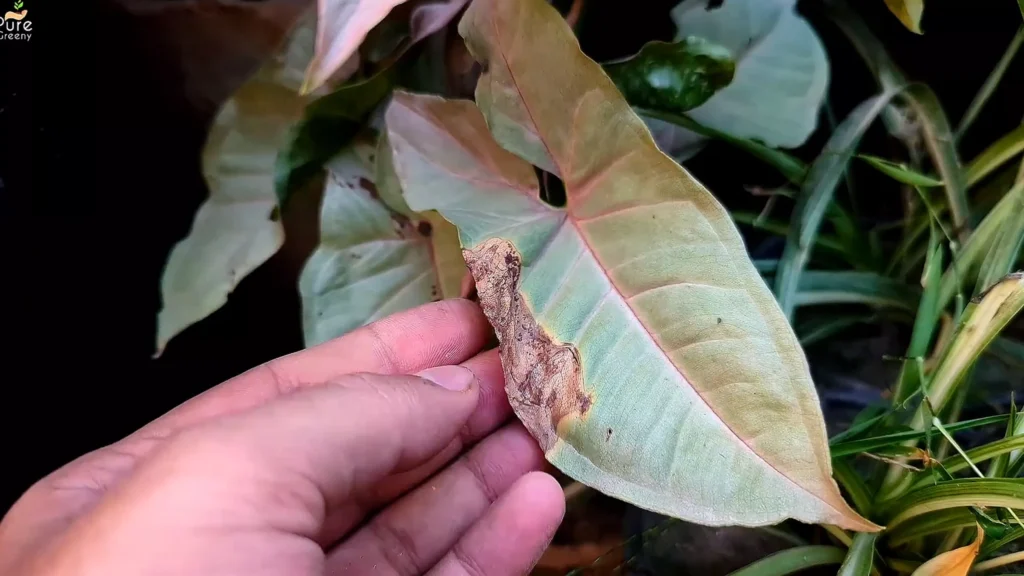
The main problem is overuse. Too much blood meal fertilizer can cause stunted growth or a dying plant.
Root Burn From Too Much Nitrogen
Blood meal is high in nitrogen, and too much can burn roots and push the plant into dormancy. Stick to the recommended dose.
Nurseries often reduce this risk by mixing high-nitrogen fertilizers like blood meal, cow dung, or fish fertilizer into compost. This lowers the overall nitrogen concentration and gives better growth.
Contamination From Poor-Quality Products
Low-quality blood meal may leave a powdery layer over the soil. Use an authentic, good-quality product.
Drop in Soil pH
Blood meal can lower soil pH. Use less, avoid frequent applications, and add garden lime occasionally to keep pH balanced. A pH meter shows exactly where your soil stands.
Pets and Smell
Because of the smell, pets may dig into treated soil. Mix the fertilizer in rather than leaving it on the surface, and water well after applying.
Ethical Concerns and Alternatives
Blood meal comes from slaughtered animals, which many gardeners prefer to avoid. Cow dung fertilizer is a common substitute, and there are several other organic nitrogen sources.
Conclusion
Blood meal fertilizer is a powerful organic nitrogen source that boosts leaf growth, branching, and flowering. Use it once a month at the right dose, apply it during active growth, and watch for root burn, pH changes, and poor-quality products. If you’d rather avoid animal products, cow dung is a good alternative.