How to Use Limestone For Plants? (Hidden Benefits*)
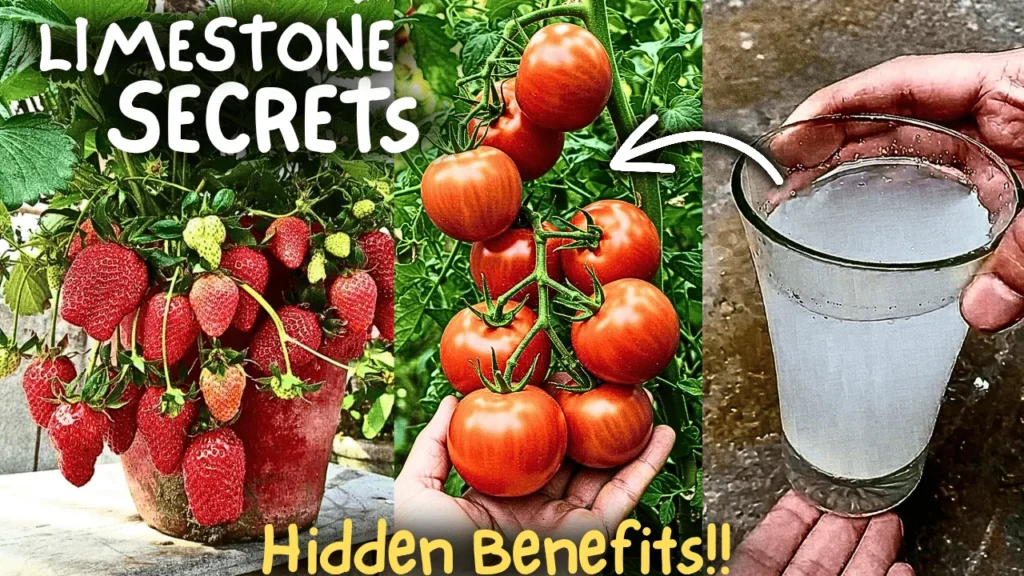
My jasmine plant stopped growing. There are a lot of drying leaves with no new growth. Can you tell what’s the reason behind it? It can be soil pH. For its cure, we need one ingredient, and that is Limestone.
In this post, I’ll explain each and every point about Limestone, the most ideal way to use it without causing severe side effects, and its hidden benefits that nobody talks about. So be prepared to know a lot of secrets.
What’s Limestone & How Is It Useful?

Limestone is a white-colored, powdery substance highly rich in calcium and often used to balance the soil pH. Through years of decomposition of organic matter under the sea, such a stone comes into existence, and it’s called Limestone.
We can simply process it a little and use it as a supplementary fertilizer for our plants. It results in wonderful growth and harvest. Obviously, the right usage matters the most, which I’ll tell you about in just a bit.
Benefits of Limestone for Plants?
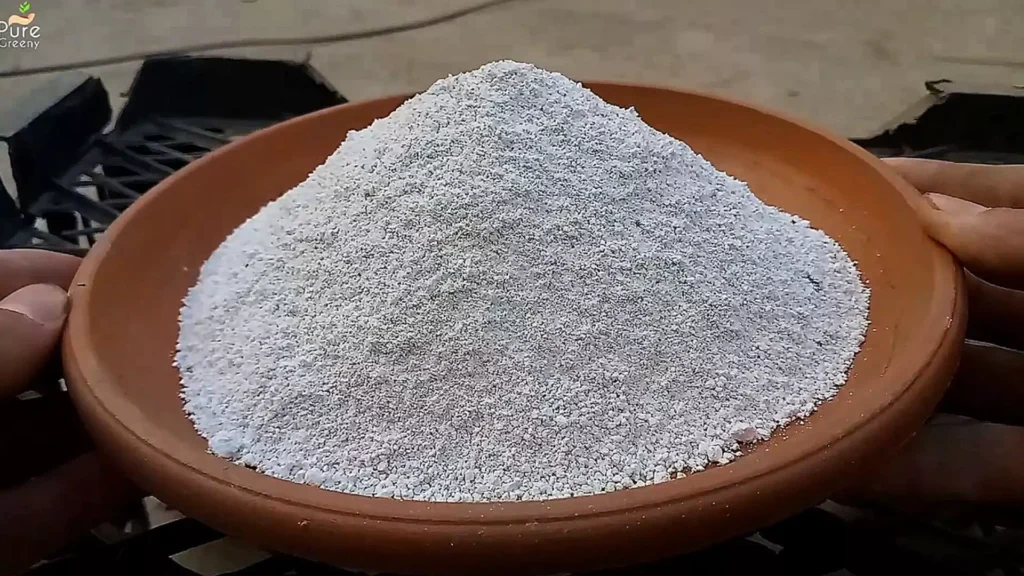
But first, let’s talk about some of the hidden benefits of using Limestone powder. It contains calcium, which is an essential plant element required at every stage of growth and is especially important during fruit development.
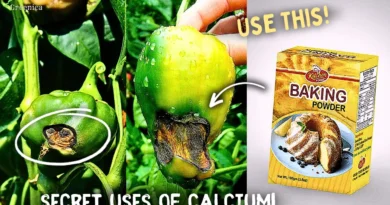
It gives fruits better taste and a more vibrant appearance. In the absence of calcium, we often encounter problems like blossom end rot, curling of leaves, pachy leaves, etc.
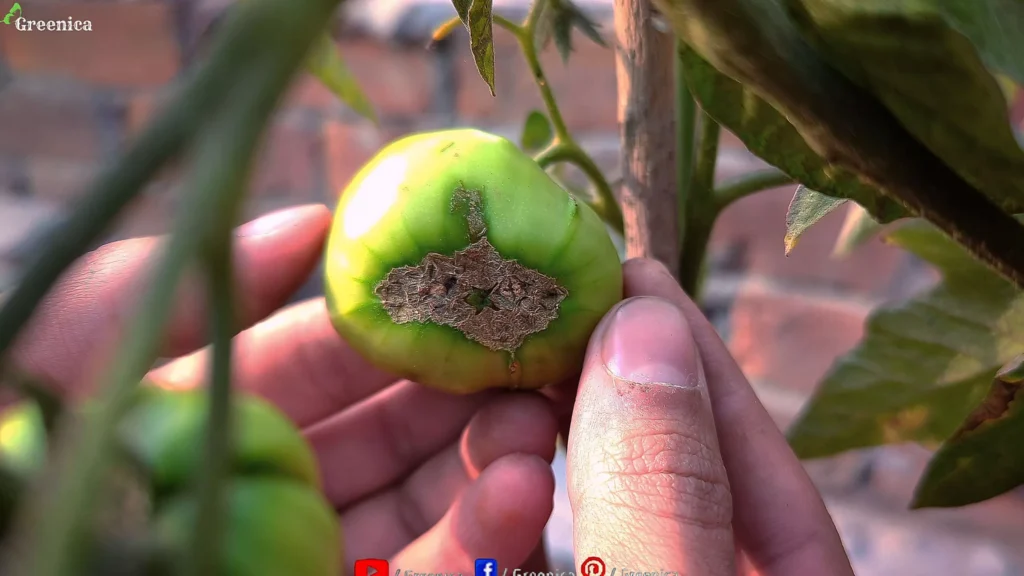
Recently, my tomato plants also faced this issue. The soil was lacking the calcium element, which resulted in brown spots on the fruits. So you see how important calcium is for vegetable plants.
Limestone provides calcium to our plants as well as balances the soil pH. If you are growing an organic garden and adding compost on a day-to-day basis, it’s possible that your soil pH will gradually drop.
So here again, we can use Limestone to fix this issue, and don’t worry, I’ll tell you the ideal method as we go. The available calcium in this also results in a much stronger immune system.
Your plant will be able to fight diseases and pests much more efficiently. The soil structure also gets better, which is again an important thing. Calcium also promotes much better root development.
Plants tend to grow much more fibrous roots that ultimately help in even better absorption of other nutrients.
So you see how exponentially beneficial Limestone fertilizer becomes, but only with the proper dosage. If you’d like to learn in depth about the calcium element and its free sources that you can use, feel free to follow the Guide added Here.
How to Correctly Use Limestone for Plants?

Now, let’s know how we should use Limestone powder for our plants. First and most importantly, you have to make sure the Limestone powder you are using is hydrated, not quicklime.
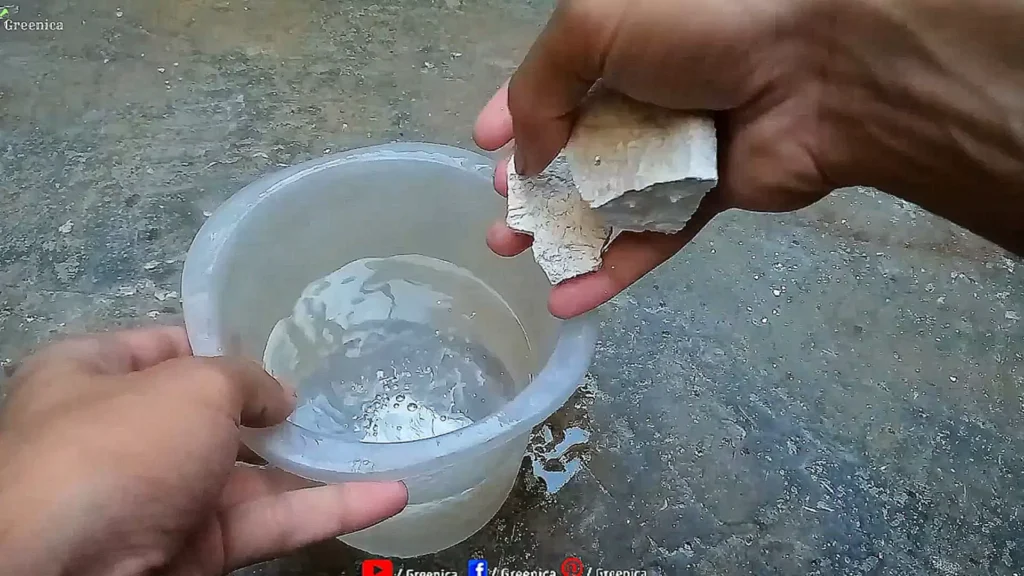
Limestone usually needs to be soaked in water to release all the heat it contains. Its direct usage can kill your plant overnight. That is why correct usage is so important.
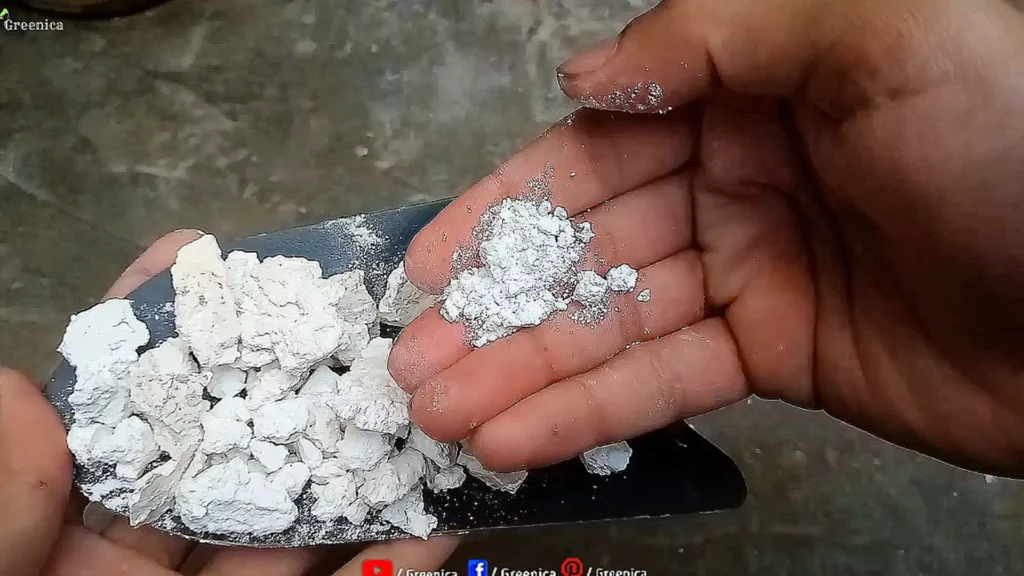
Once all the heat from the Limestone has evaporated, then you can use it for plants. I suggest you simply buy ready-to-use Limestone powder from Here. That is much safer for a beginner.
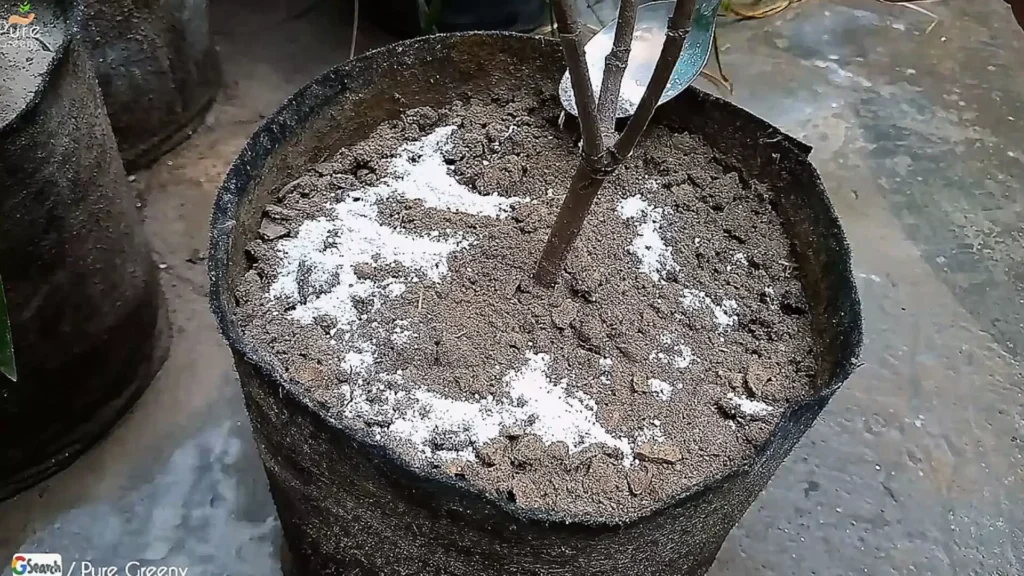
Allow the upper soil layer to dry out a bit. Add a small dosage, but before I tell you the dosage, here is a quick tip. If you want maximum results from Limestone powder, it’s most recommended to use it at the ideal time.
When you see your plant is producing new leaves and it’s not in some kind of shock or stress, that is the most ideal time to fertilize it.
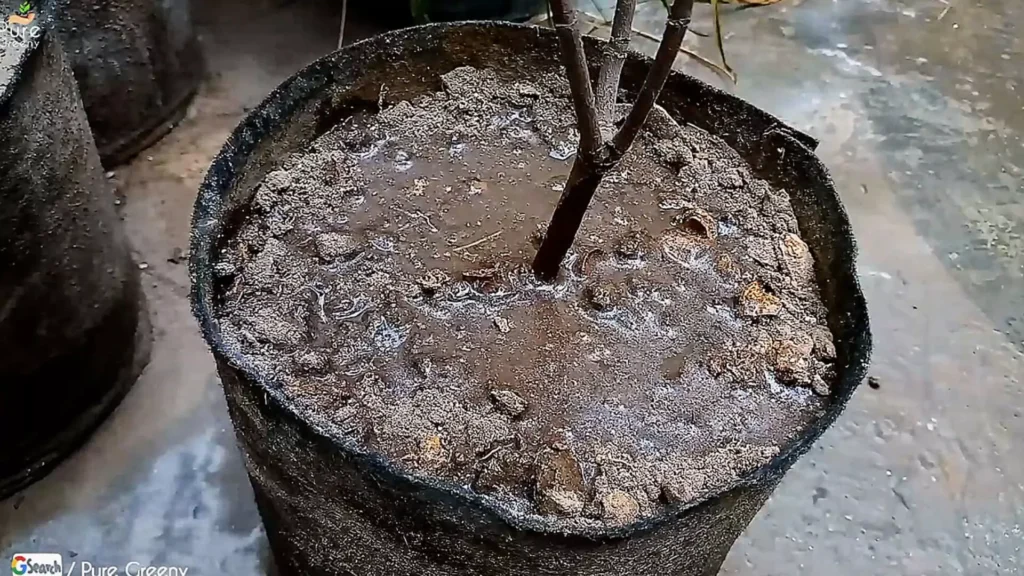
You can use around 1 tbsp for a 5 to 7-inch pot only once a month. Water thoroughly, and that’s it. It’s a supplementary fertilizer, not a balanced one at all, so dosage matters a lot. Otherwise, you can encounter many side effects, which we’ll see in just a bit.
So let’s suppose your soil’s pH is too acidic. You checked it on a pH meter like this, which you can buy from the description below as well.
Now you want to fix it. Like in my case, my jasmine plant stopped growing, as you can see. First, I’ll check the soil pH to see if it’s really acidic or not. Then I’ll prepare a liquid that will act much more quickly.
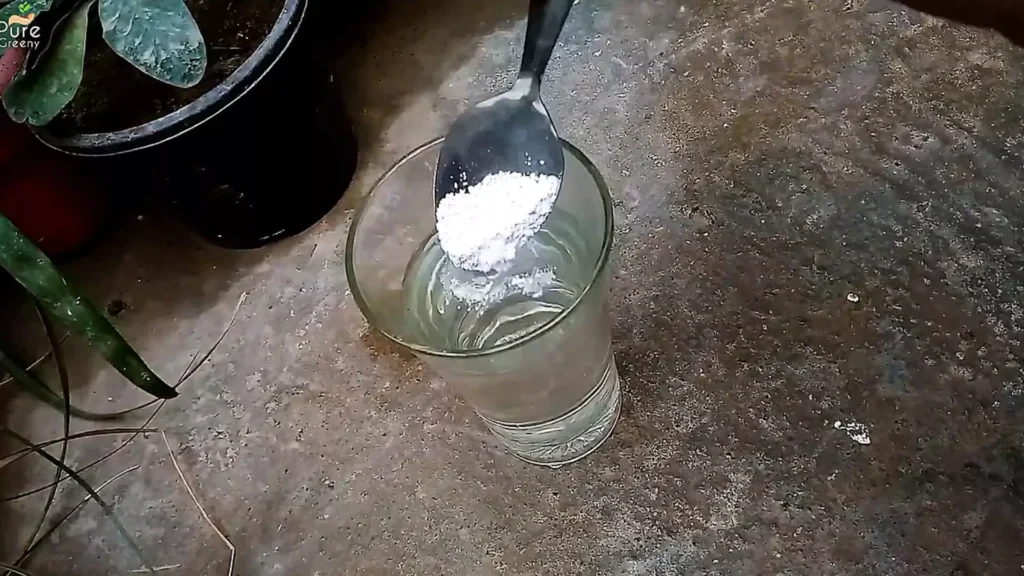
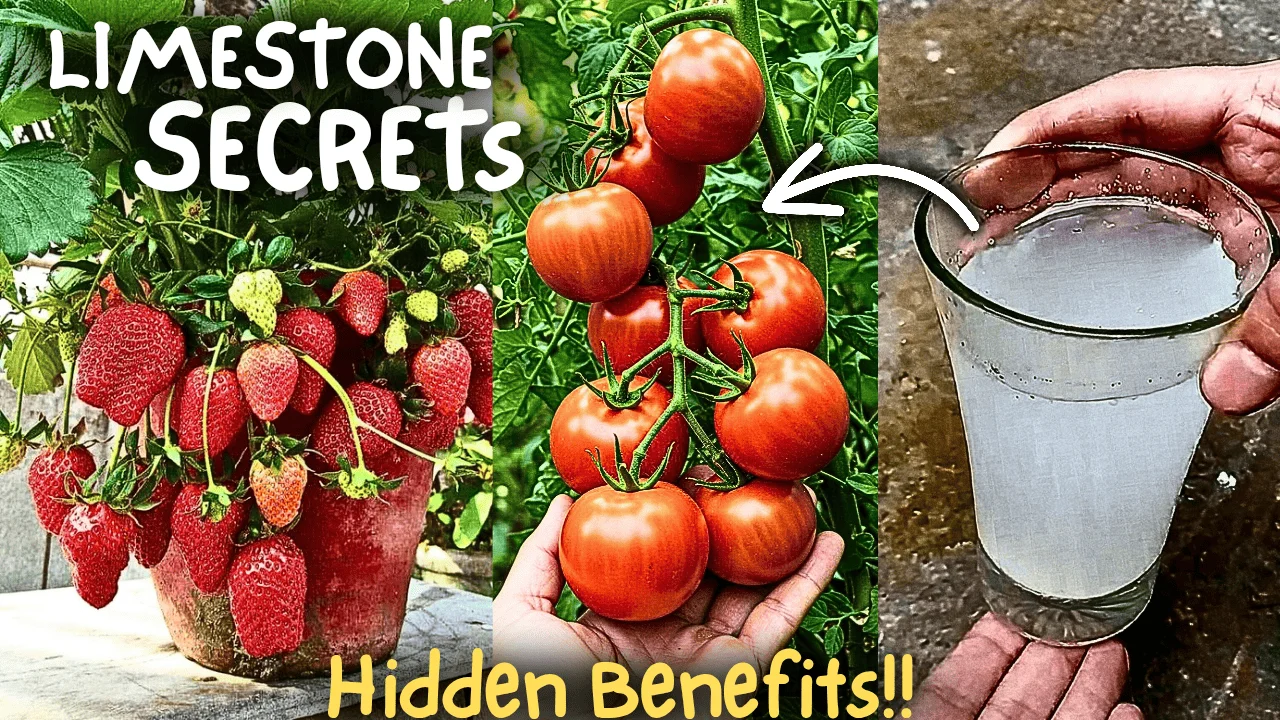
This liquid Limestone is even safer because there is no confusion between hydrated lime and quicklime. Add one tablespoon to one liter of water and mix really well. You can also let it sit for a few hours.
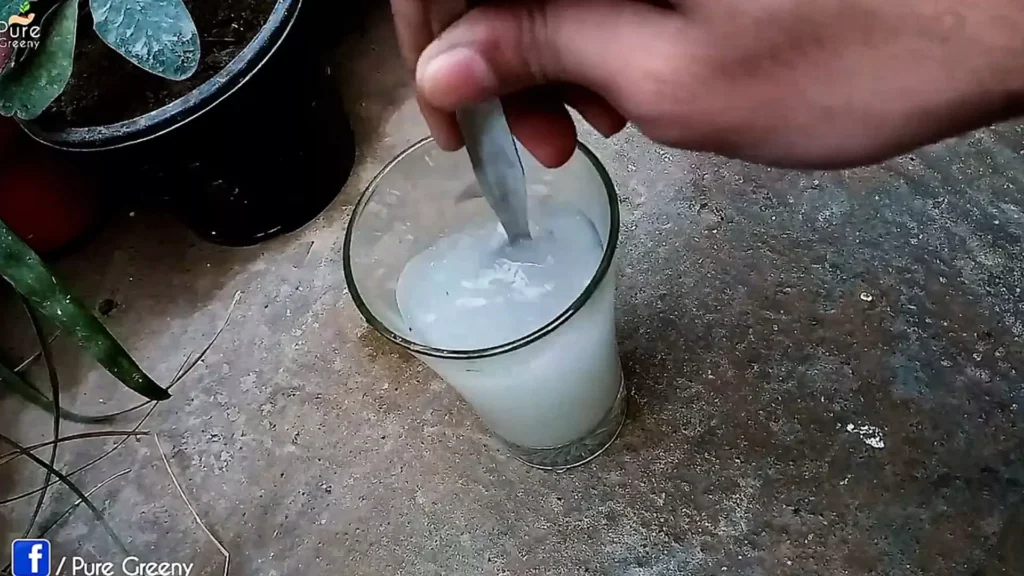
Then use this solution in the soil. Check the pH after a week or so, and if required, use it again. In my case, the jasmine plant’s soil pH is slightly alkaline, not acidic, so that’s not the issue.

But the hibiscus plant’s soil shows an acidic reading, so here we can use Limestone liquid.
On What Plants Can We Use It?
Following the correct method, you can apply Limestone powder to all kinds of plants, but it’s most useful for vegetables, houseplants, flowering plants, and fruiting trees. Not for cacti and succulents.
Some Overuse Side Effects?
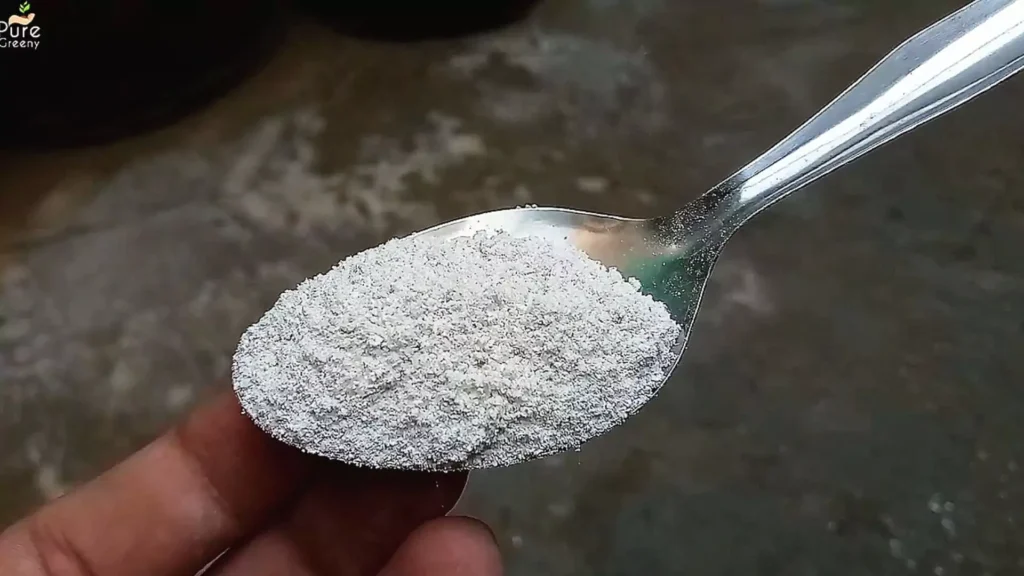
One problem you’ll face while using too much Limestone is the pH. It makes the soil pH rise, so using it again and again can result in alkaline soil, which is not good for plants at all.
They become unable to absorb nutrients from the soil, become stressed, and may even go dormant like this. The lesson is really simple. Don’t use more than the ideal dosage.
Some low-quality Limestone powders also exist. That’s why I recommend you buy one from Here, as it’s hydrated as well as pure in quality.
Limestone is a supplementary fertilizer, not a complete fertilizer. It only contains calcium, which is indeed beneficial for plants, but it’s not complete food. Plants also require nitrogen, phosphorus, potassium, etc.
You should use compost, cow dung, bone meal, blood meal, or a mix of these organic fertilizers. This results in abundant growth, healthier plants, and healthier soil. Here is a detailed list I made over the years that will guide you about each fertilizer in detail.