Petunia Plant Secret Care Tips! (2x Flowers)
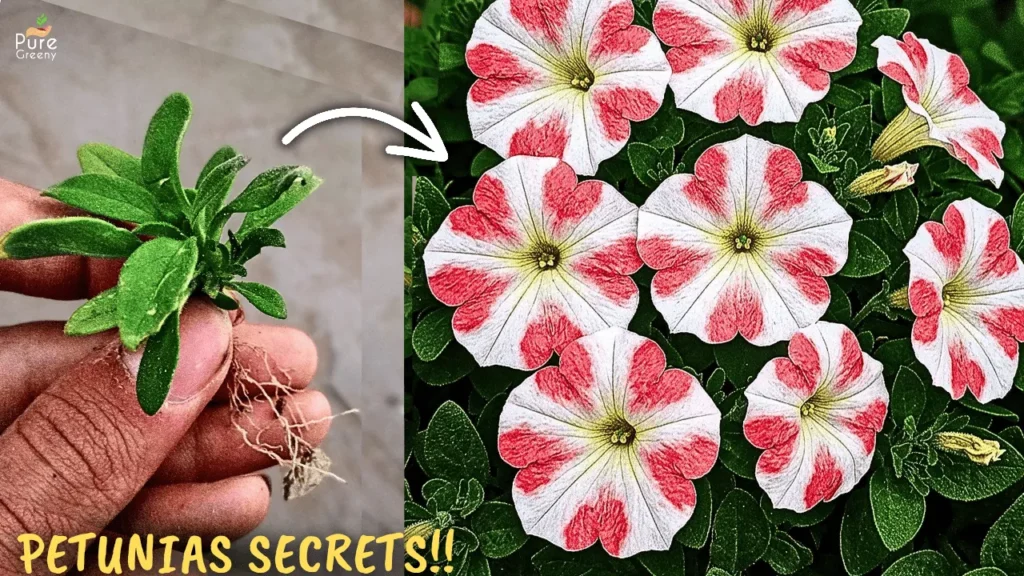
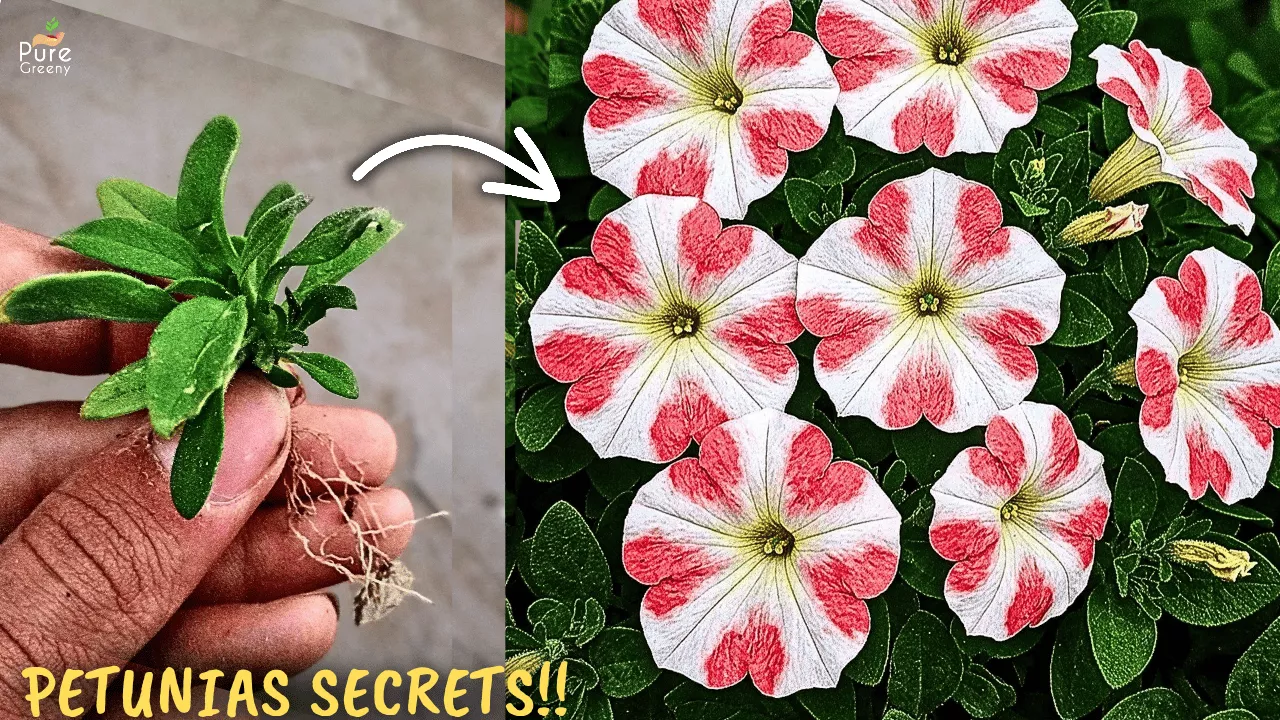
Petunia plants are one of the easiest flowers to grow during the winter season, and in this guide we will see some of their secret care tips that you can follow to get maximum flowering. So let’s begin.
1-Know Their Season of Growth!
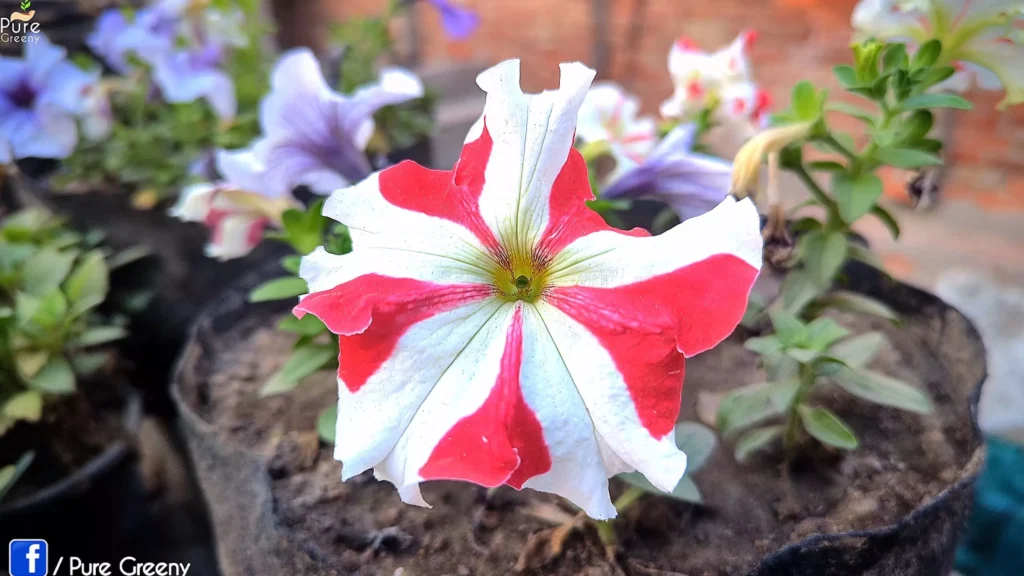
Petunia plants are almost zero-maintenance plants that you can grow in winters. They like a cool environment, not too hot and not too cold. I live in a moderate climate region with cool winters and very harsh summers.
If you also live in a moderate climate region, you can easily plant petunias during winter days. Plant them as soon as the season starts, and they will continue blooming during winter and spring. As summer starts, their growth will stop and eventually they will die.
But if you live in a cold climate region with very harsh winters, where the temperature drops below 0°C, planting petunias during winter is a bad idea because the cold weather will kill your plants.
In that case, try growing petunia seeds or seedlings when the spring season starts, and they will continue growing as long as the temperature remains below 30°C. You can get flowering on your petunias in early summer and even mid-summer.
Overall, it is a cool-season plant that likes a cool environment. Their ideal temperature range for maximum growth is 8°C to 25°C. So check the weather and climate of your region before planting petunias.
2-Start Soon with Seedlings!
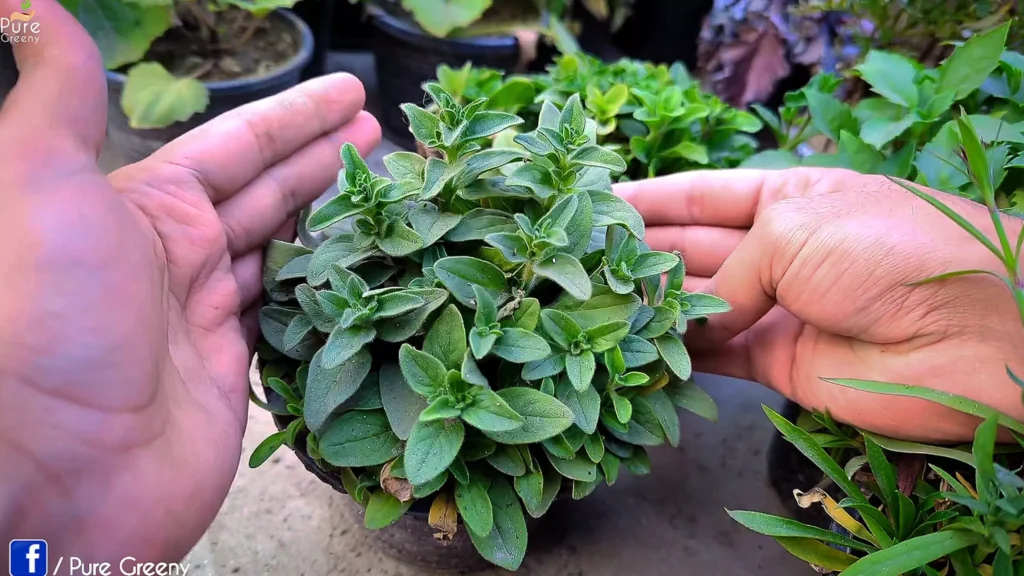
So if you are starting them for the first time, it is very important to follow these points carefully. I have been growing these plants for three to four years now, and they are very easy to grow.
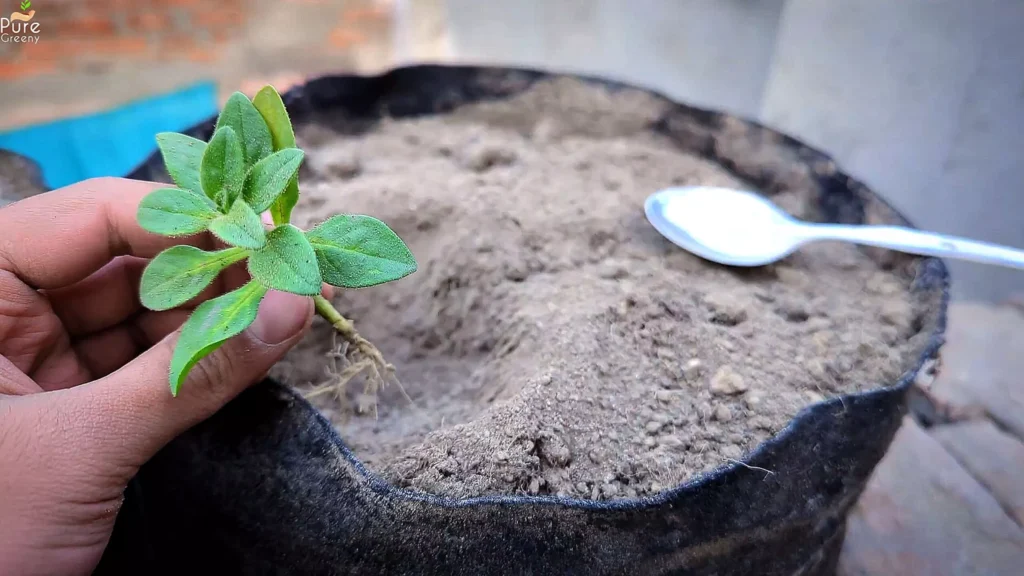
They are planted in only a 3 to 4 inch pot and still they are blooming fully. Starting them from seeds is generally hard, so you should buy their seedlings from a local nursery. They are easily available during the growing season.
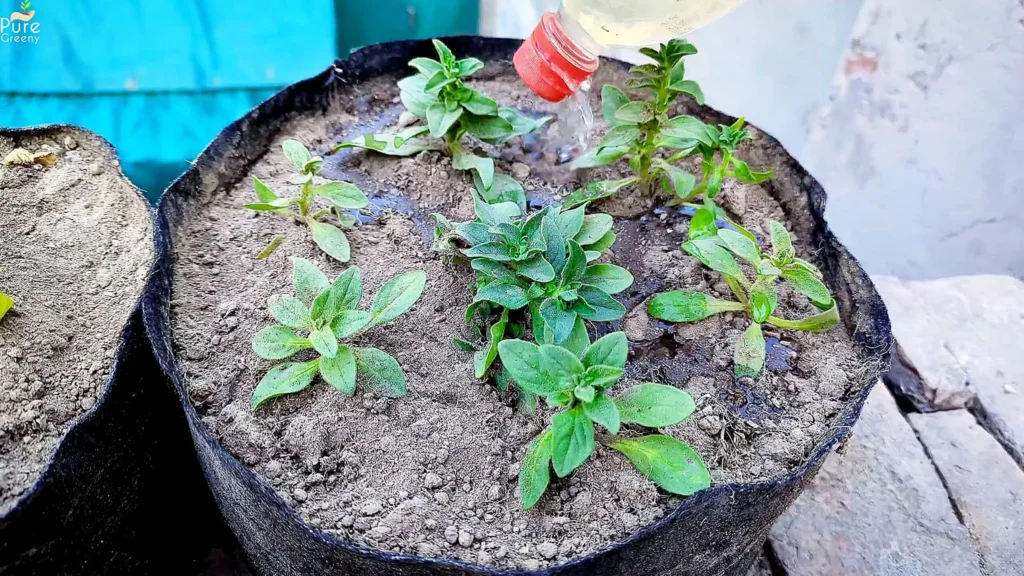
This winter I was late. I brought them home from the nursery in the middle of winter. I planted them into these grow bags when the spring season was just starting, so they did not have much time to grow bigger in size and develop more leaves.
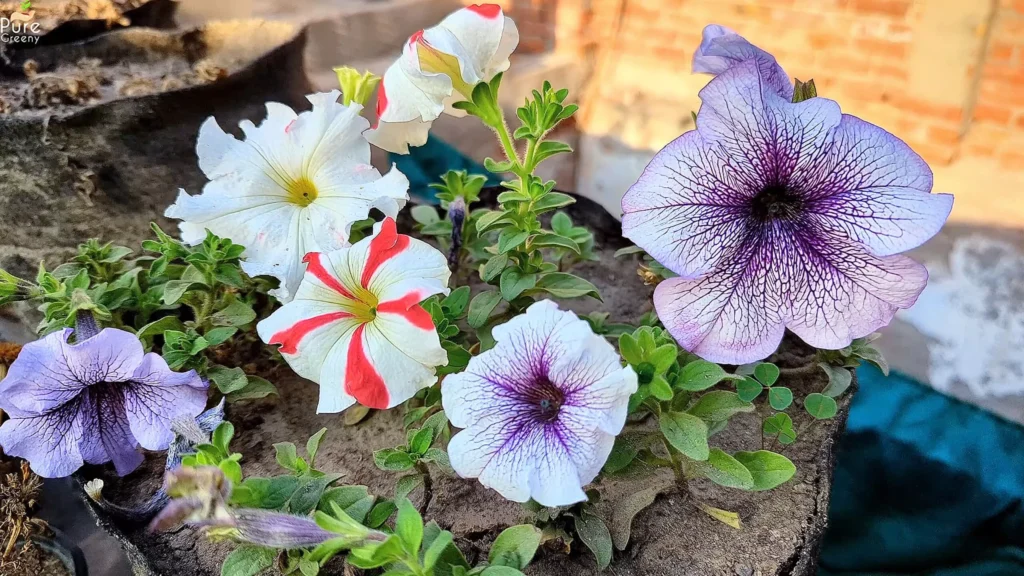
As soon as they established in the grow bag, the season was already ideal for flowering, and they immediately started producing buds and flowers.
Ideally, I should have planted them in early winter so they had a longer period of time to grow bigger before flowering. So you can learn from my mistake. Season is very important to understand.
3-The Best Soil Media?
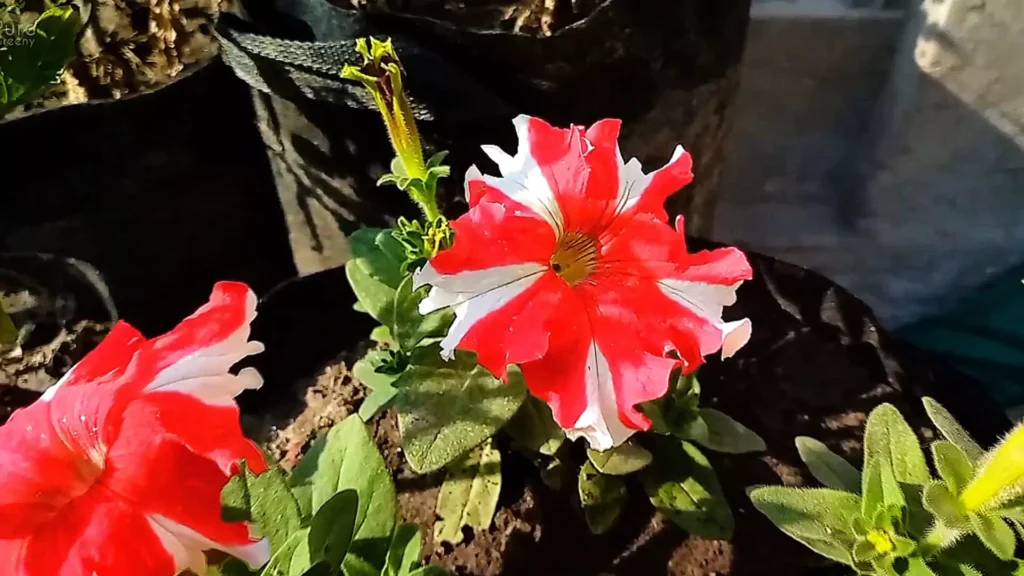
One of the most important things for getting ideal growth on petunia plants is the soil media. All seasonal flowering plants like a well-draining, soft, and loose mixture.
Petunias are a bit hardy and can survive in a variety of mixes, but if your soil media is compact or poorly draining, it is not ideal at all. Even in the ideal season, your plant will struggle all the time.
It may grow only a few branches and produce one or two flowers. Make sure the soil media you are using for your plants is soft and well-draining.
It is very easy. You can mix coco peat, sand, and soil to make an ideal mixture at home. A simple soil recipe is also added Here if you would like to try it.
4-Placing in Sun…
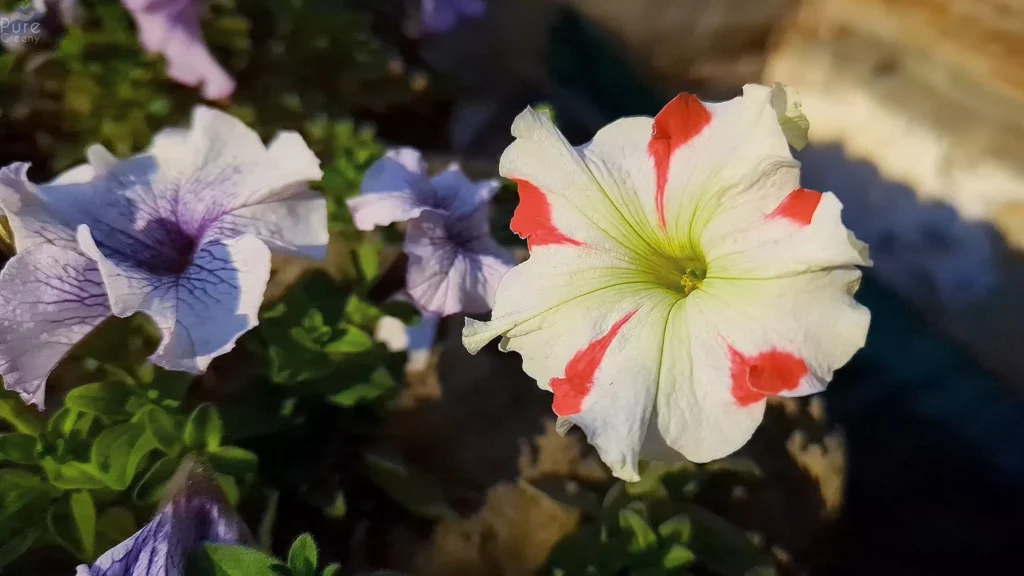
Another very important factor for growing a lot of flowers on petunias all season long is the ideal spot. When you place a plant in its ideal spot, it produces much more growth, fights diseases on its own, and the flowers bloom fully and vibrantly.
For petunia flowers, sunlight is the most ideal spot. Flowering plants simply produce more buds and flowers when they receive plenty of sunlight. Make sure you place your petunia pots in a spot with at least 2 to 4 hours of sunlight on a daily basis.
At the end of the growing season, when summer starts, you can move your plants to a bright shaded spot for some time to enjoy their flowering a little longer. But during the growing season, when the temperature is not too high, place your petunias in a fully sunny spot.
5-Fertilizer Required?

Proper season, soil media, and sunlight are the pillars of flowering. But to take your petunia plant’s flowering to another level, you can use a powerful fertilizer. A good fertilizer helps the plant produce even more flowers.
Always remember that the leaves, buds, and flowers you see on a plant are simply the result of soil nutrients. By adding more nutrients into the soil, you can push the plant to grow bigger and produce more flowers.
For flowering plants, I have prepared an organic fertilizer recipe that works really well. I tried it on almost all winter flowering plants like hollyhock, rose plants, verbena, African daisy, and many others, and they all performed really well.
The detailed guide for this fertilizer recipe is added Here if you would like to try it.
6-Deadheading Is Super Helpful!
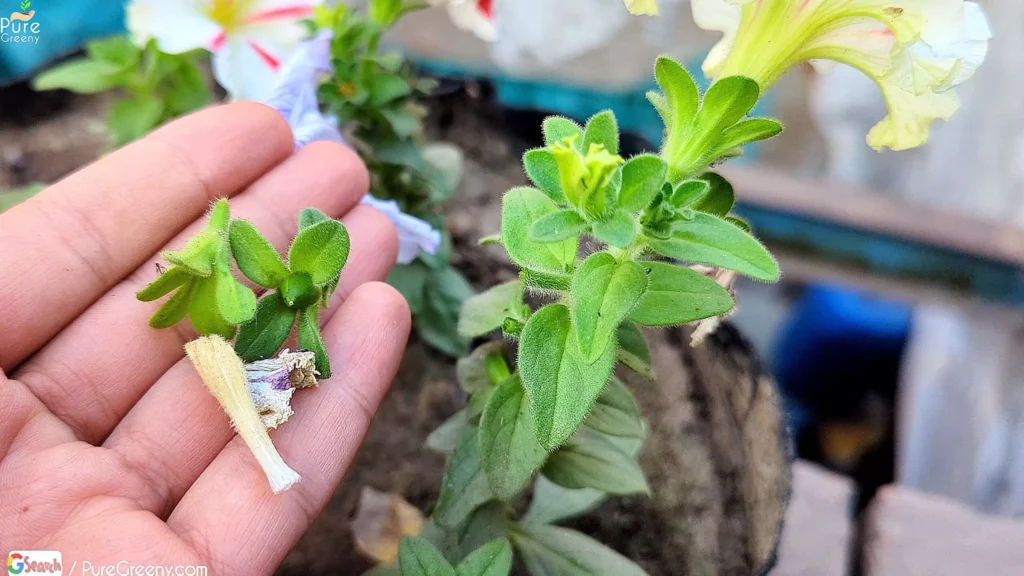
Now imagine you grew petunia plants and all the basic requirements were fulfilled. In return, your plants produced a lot of flowers. But after some time, they will start producing seeds, and when they do that, the flowering of your petunia plants will reduce.
This happens because the plant is now focusing on forming seeds instead of making more flowers. To encourage more flowers, you can follow a simple trick: remove the spent flowers whenever you see them.
This way the plant will keep producing more and more flowers as the season goes by.
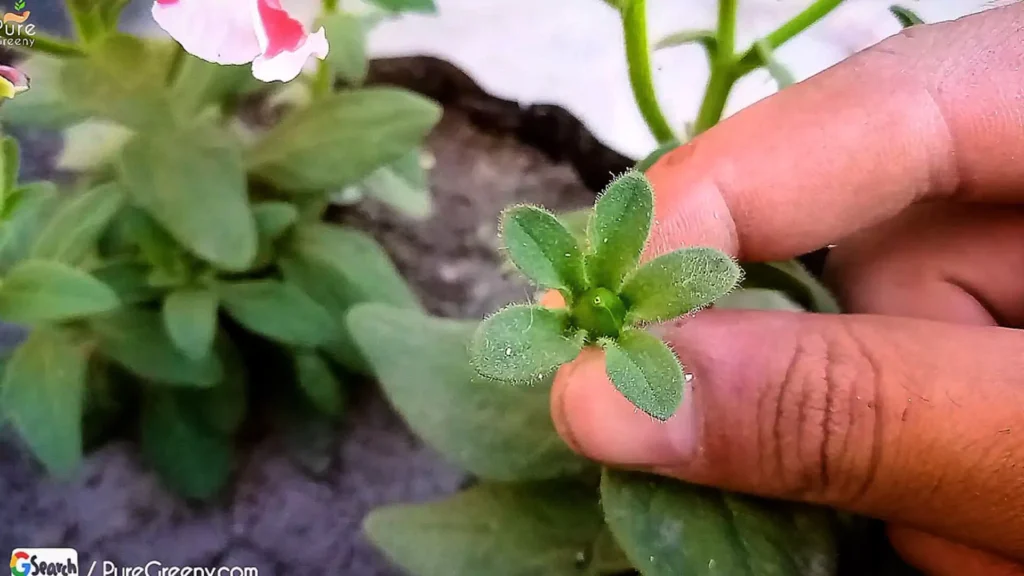
If you like, you can also collect these seeds when the season ends. Simply leave a few flowers on the plant and they will form seed pods. Let them dry out and crack open.
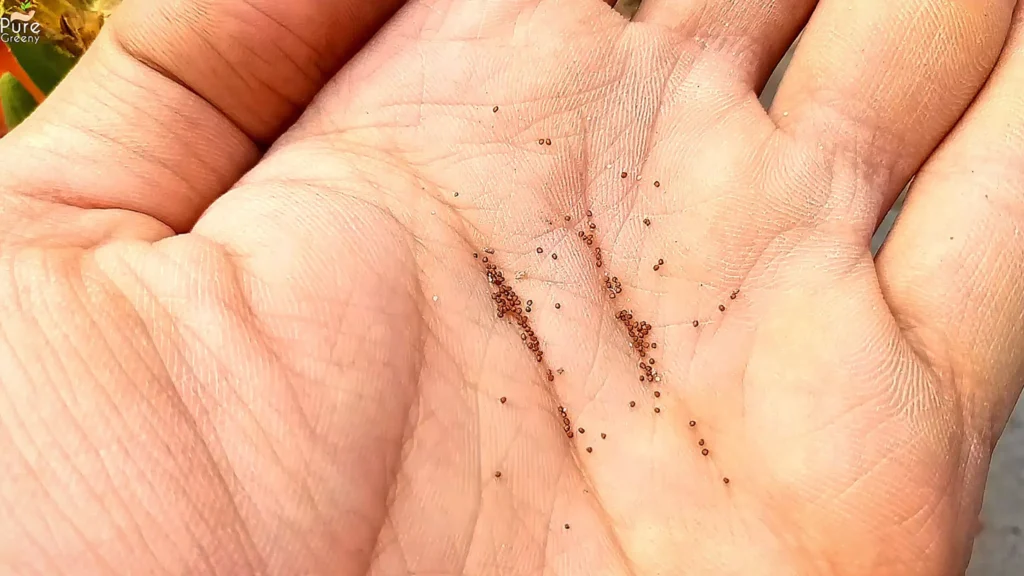
Then collect the seeds and store them in a dark and dry place. This way you can also try growing them in the upcoming season.
So these are the simple and basic care tips for petunia plants. If you want to learn not just one or two but 37 flowering tips that actually work, you can buy the guide from Here. These tips work on all flowering plants, which is why they are used by most nursery owners. So feel free to take a look.
And here is a detailed Guide on another winter bloomer called the Cineraria flower plant. Feel free to Follow it.