Why Your Hibiscus Plant is not Flowering, & How I Fixed Mine?
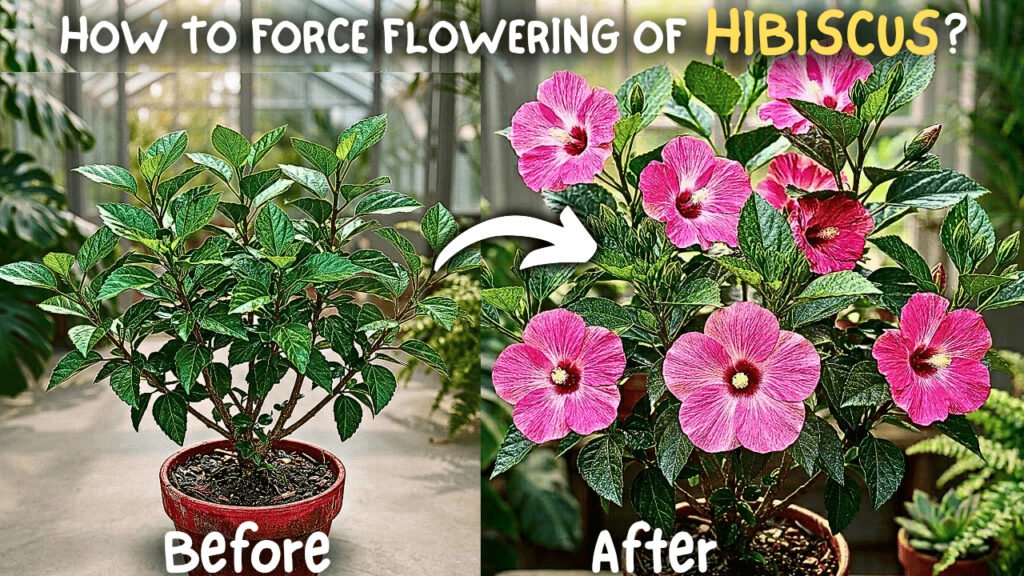
So if your hibiscus plant isn’t flowering, keep following this because here I’ll tell you exactly why it stops flowering and how to make it full of buds by just making a few simple changes. So let’s begin.
1 – Soil Isn’t Right?
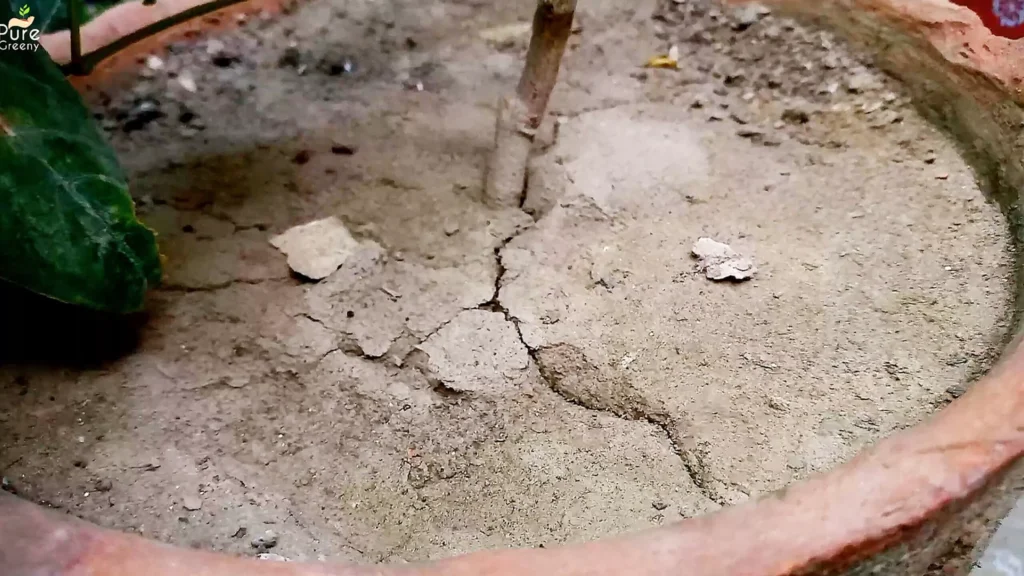
One thing that stops a hibiscus plant’s growth completely is its soil media. When your hibiscus soil is either too compact or poorly draining, the plant becomes unable to grow further and stops leaf growth as well as flowering.
When I first started growing hibiscus plants, this happened to me very frequently. At first, I had no clue about my wrong soil media. But as soon as I used this homemade soil, my plant burst with new growth.
It might be due to the softness and drainage of my mixture. So make sure your hibiscus soil is not too compact. You can use my soil recipe as well.
Before I tell you the soil ingredients, one more problem this soil solves is about drainage. Even if I overwater my hibiscus plant, the moisture doesn’t stay long in the soil.
It drains out very quickly, resulting in excellent plant growth. You can see the results by yourself on the screen. My homemade flower fertilizer also plays a role in this. More on this later.
And the soil ingredients are cocopeat, garden soil, sand, compost, etc. No special ingredients at all. To learn more about this mixture, you can find a guide Here.
2 – Stress & Shock?
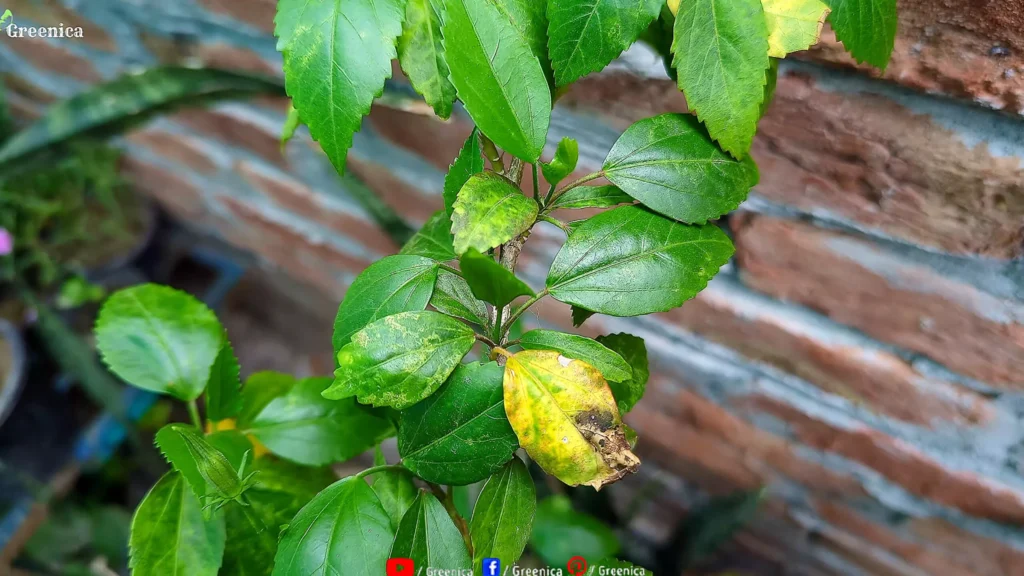
One common reason for less flowering of a hibiscus plant is stress and shock. Most ignore this simple mistake, and the people that know about hibiscus plant stress enjoy a lot of buds and flowers all season long. The problem is really simple. The plant goes into stress for some reason and stops growing as well as flowering.
The reason behind this stress and shock could be anything ranging from a change of place to transplant shock or even being root-bound. Let me show you this with a simple example.

Recently, my hibiscus plant stopped growing. There were zero buds or flowers on it. When I opened up the pot, here’s what I found. You can see there are so many roots. So it’s as simple as that: when roots stop growing, plant growth stops automatically.
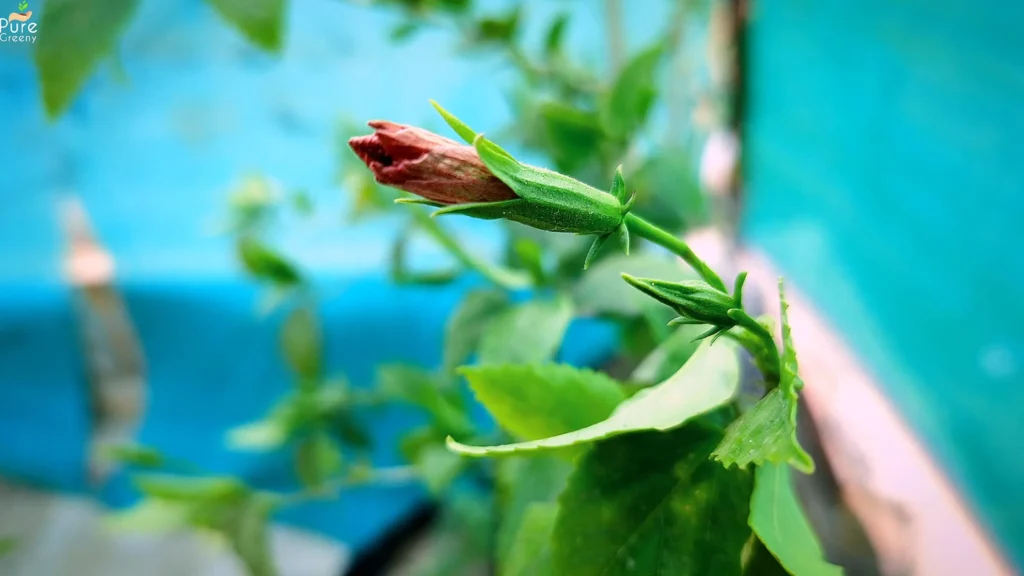
As soon as I shifted this plant into a bigger pot, after a short recovery, the plant started making new buds again. So just make sure that your hibiscus plant isn’t facing any kind of stress, such as too much moisture in the soil, frequent fertilization, or rising soil pH, etc.
3 – Incorrect Season?
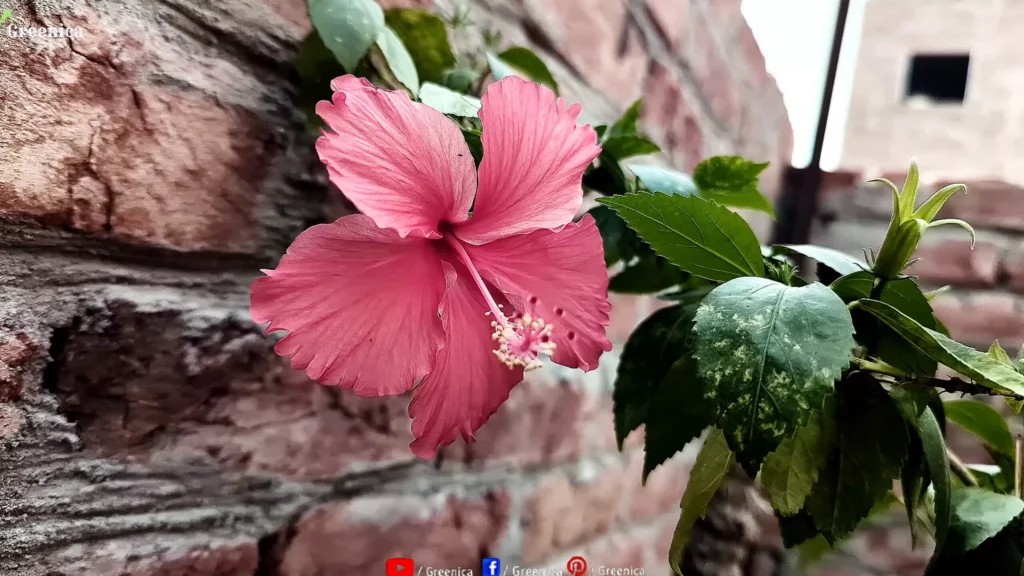
One more thing that can happen to your hibiscus plant, which limits its growth as well as flowering drastically, is the incorrect season. Understand that this hibiscus plant is from a tropical area.
The plant likes a hot and humid environment. It doesn’t perform well at all in cold weather. It likes a temperature range of 20 to 35°C.
In winters, or even at the end of summer when the temperature drops below this range, the plant naturally stops producing new leaves, and buds and flowers are far away.
Its growing season starts as soon as the spring season begins and continues over the whole summer season. Let me show you an example.
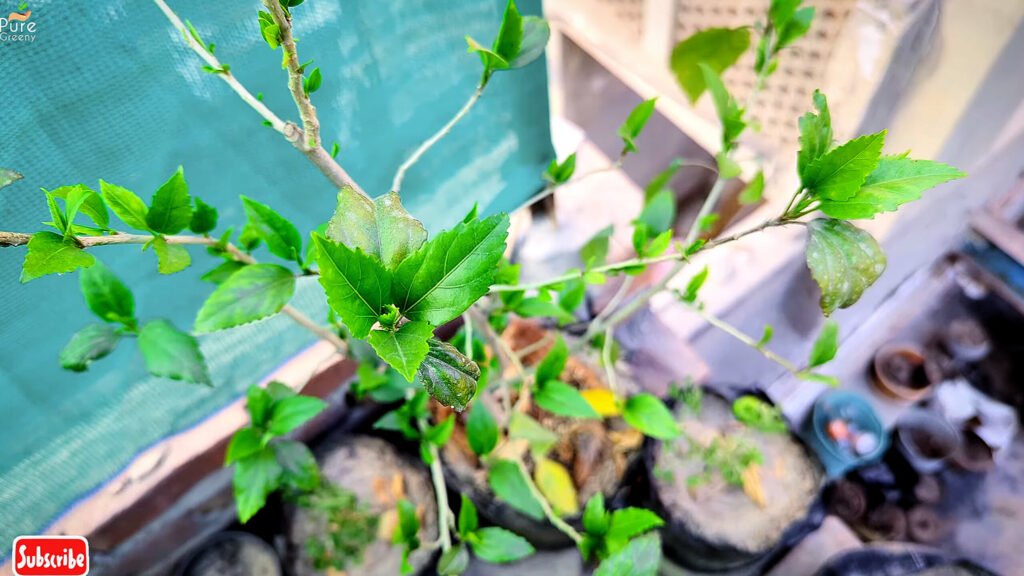
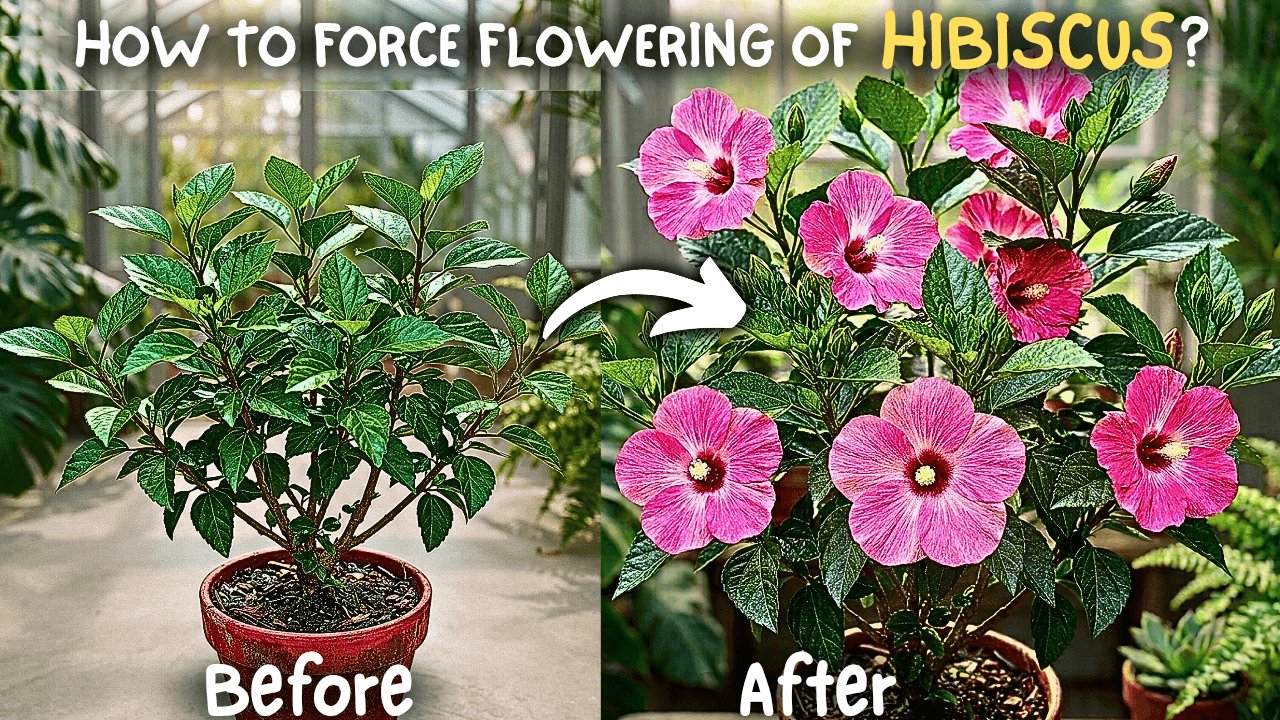
This is how my plant looked at the start of spring.
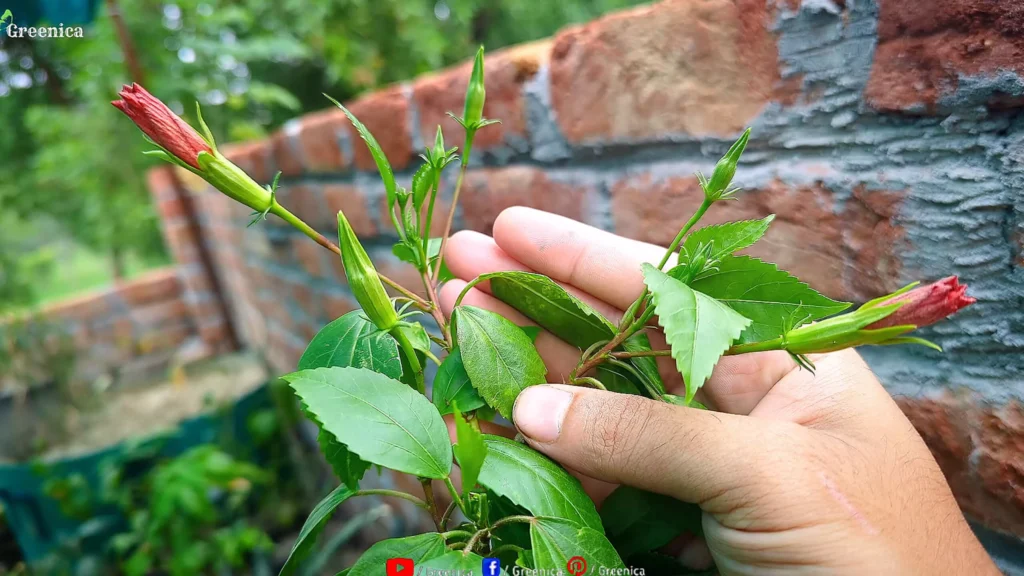
and now see how many buds and flowers are on it. What I did was simply use this simple fertilizer and follow the growing season.
4 – Fertilizer Isn’t Enough?
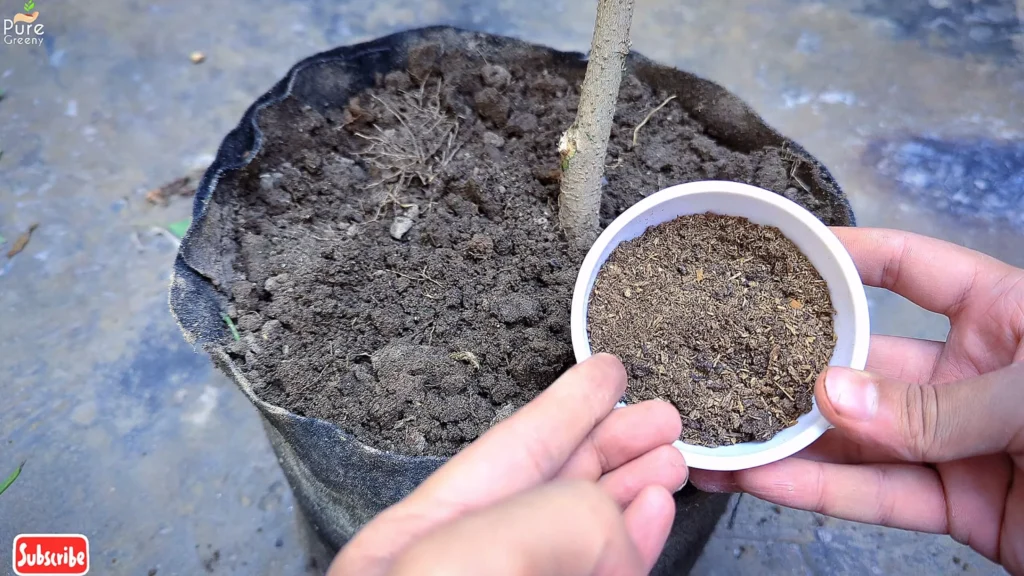
One reason why your hibiscus plant isn’t blooming is because you are fertilizing the plant. But wait, isn’t it? What plant needs good fertilizer, so how does flowering stop when we fertilize? Let me explain.
You might be fertilizing your plant well, but your fertilizer doesn’t have flowering nutrients in it. Just fertilizer isn’t enough. A hibiscus plant needs a powerful fertilizer.
For example, the use of cow dung promotes a lot of green growth on the plant, but it limits buds and flowers on the plant. So you see how only fertilizing isn’t enough. I had this issue at the beginning.
There were so many fertilizer options. After a lot of struggle, I eventually formulated this fertilizer, and I use it whenever my plant reaches the flowering stage.
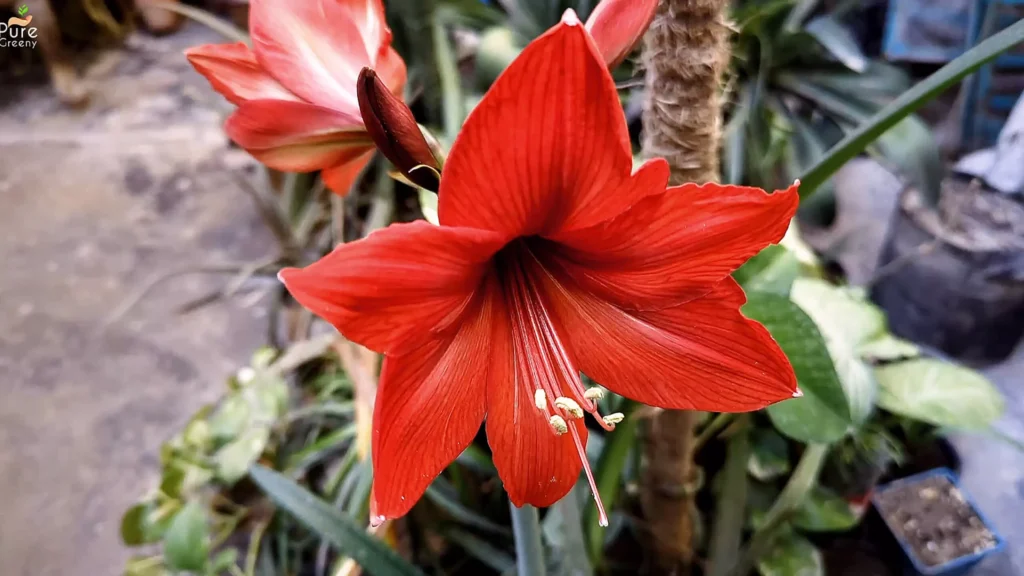
And let me show you the results. I used it on my hollyhock plants, African daisies, marigolds, and most importantly, this amaryllis plant, which wasn’t blooming. And after one to two applications, it finally made these plants. You see how big their size is.
Just because of this fertilizer. So let’s simply learn its ingredients. I used leaf compost, also known as black gold, the cow dung for consistent nitrogen, and for potassium, I used dried peels. And one thing is rock phosphate, which you can also replace with eggshells.
The full guide on making this fertilizer is also added Here, if you like to follow it. But here is another catch. Your plant may not flower after all because you are still missing one thing.
You don’t just need a good fertilizer but also the correct timing. Shortly, the ideal time to fertilize is when the plant is making new leaves. To learn more about this, you can follow this ebook from Here.
How I Fixed My Plant?
Now let me tell you how I fixed my non-blooming hibiscus plant step by step.
At the beginning of the spring season, this is how my plants looked.
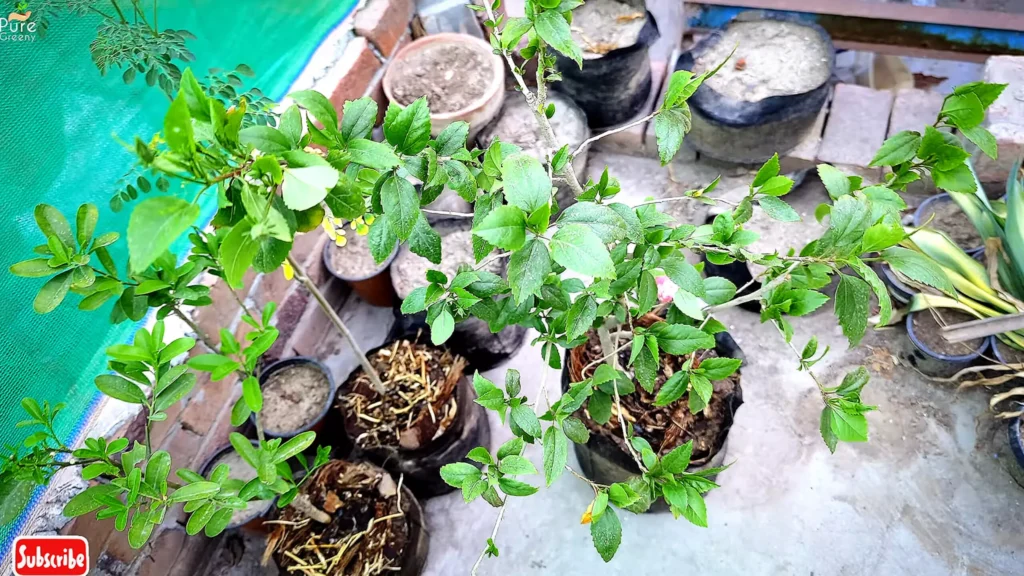
First of all, I made sure my plant was not root-bound and the pot had enough space. That is why I use grow bags. They are much wider than ordinary pots, and they are porous as well. You can also buy them Here.
Then I used some mulch, which made my soil softer over the weeks because as the leaf mulch decomposes, the microbes make the soil even softer, which my soil media was already.
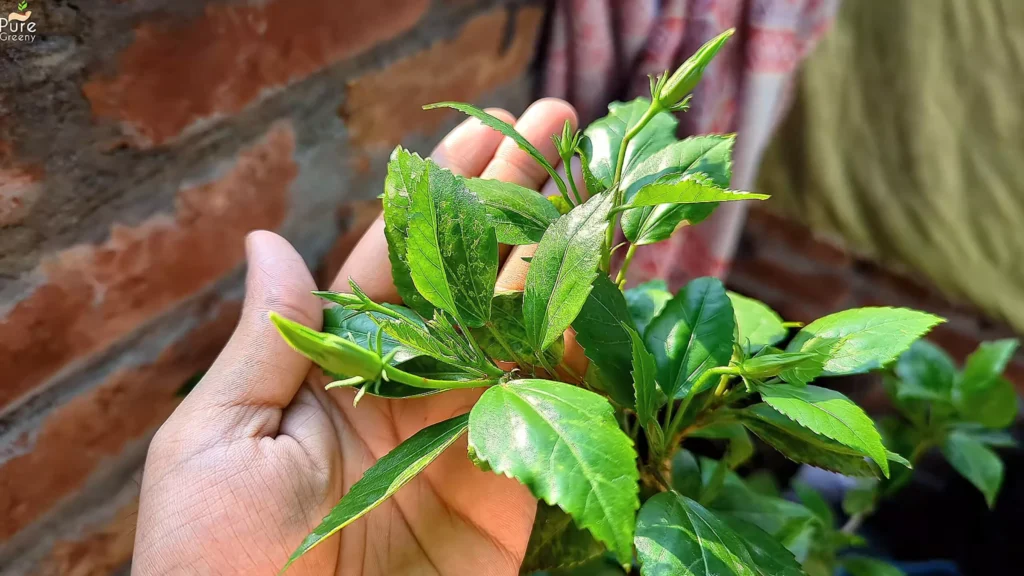
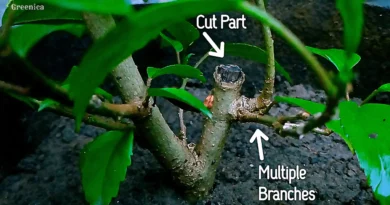
Then I pruned my plant a little bit. Just a little chopping, and I used this fertilizer twice a month.
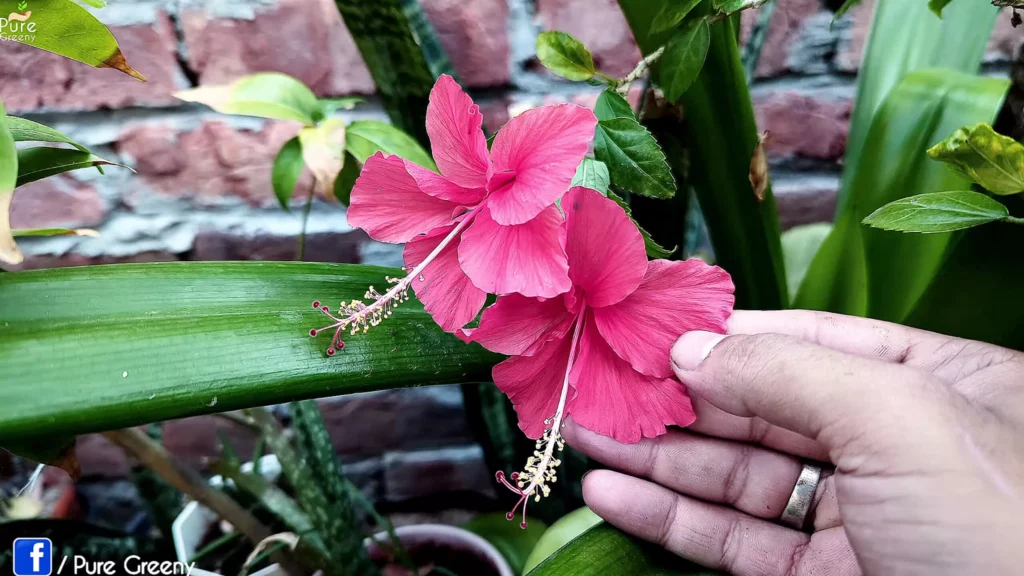
And you can see the results. My plant eventually made a load of leaves. All of them are green and healthy. Buds are forming regularly.
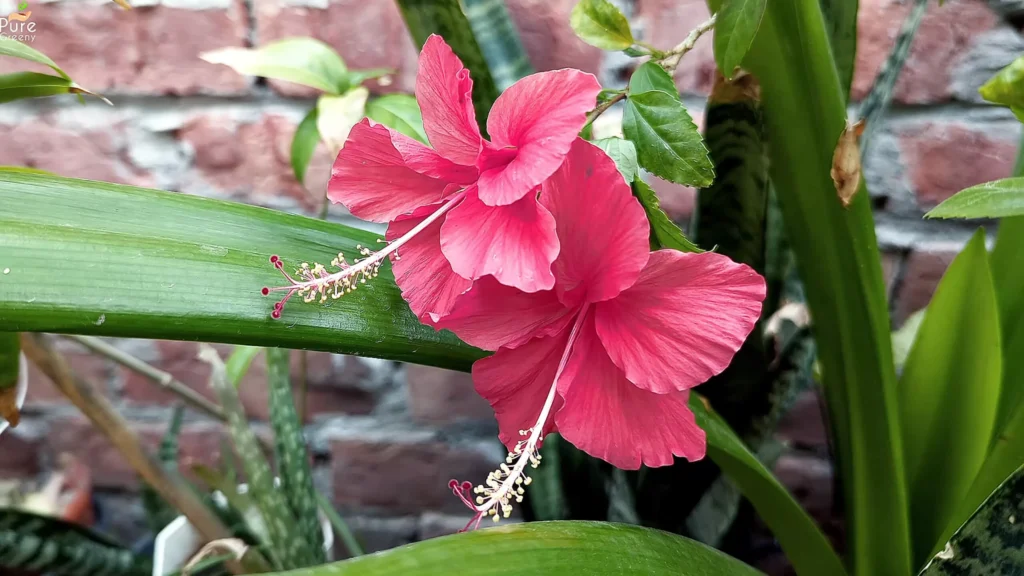
Here, let me show you an interesting thing that nobody will tell you. At first, my hibiscus plant produced smaller-sized flowers, as you can see on the screen.
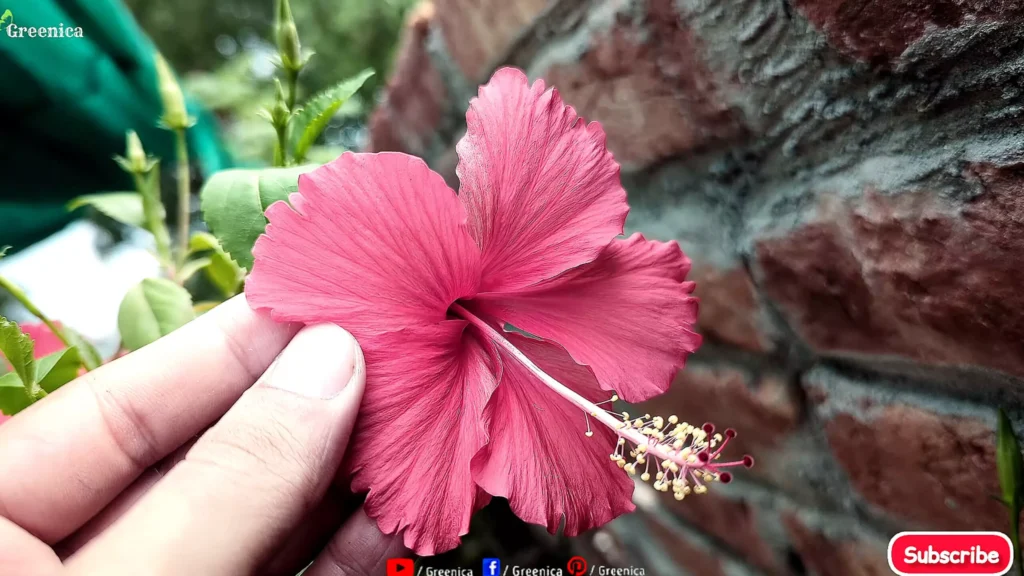
But I kept on using the fertilizer, and now see the flower size. It’s much bigger.
Here is a Guide on the proper pruning method for hibiscus plants if you like to follow it.