Tomato Plants Blossom End Rot Treatment!
Blossom end rot is a very common problem in tomato plants. It mostly happens due to calcium deficiency, but there is much more you need to understand. & In this Post, we will talk about tomato plants, blossom end rot, and its treatment. So let’s begin.
TOMATO’s Blossom End Rot:
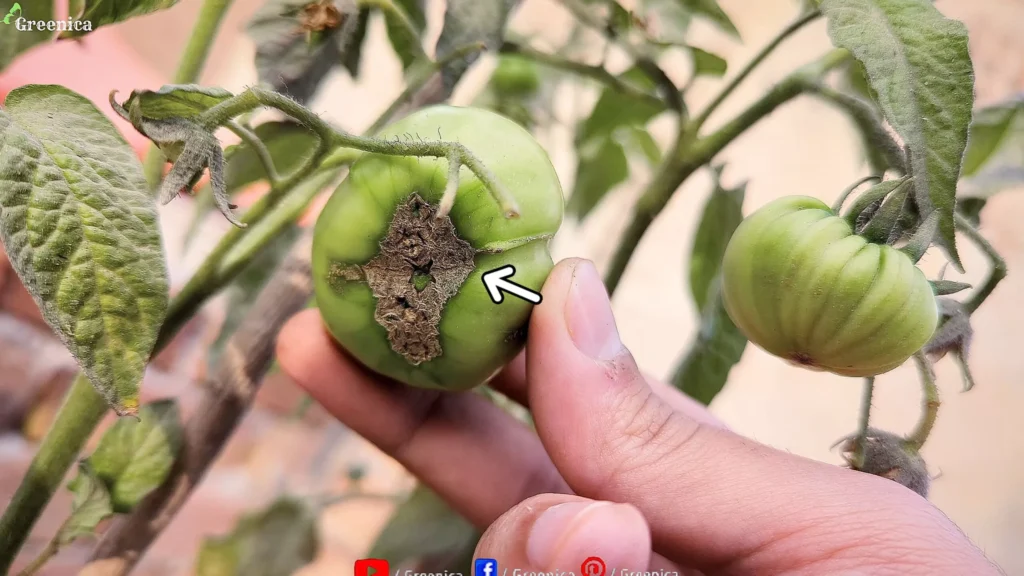
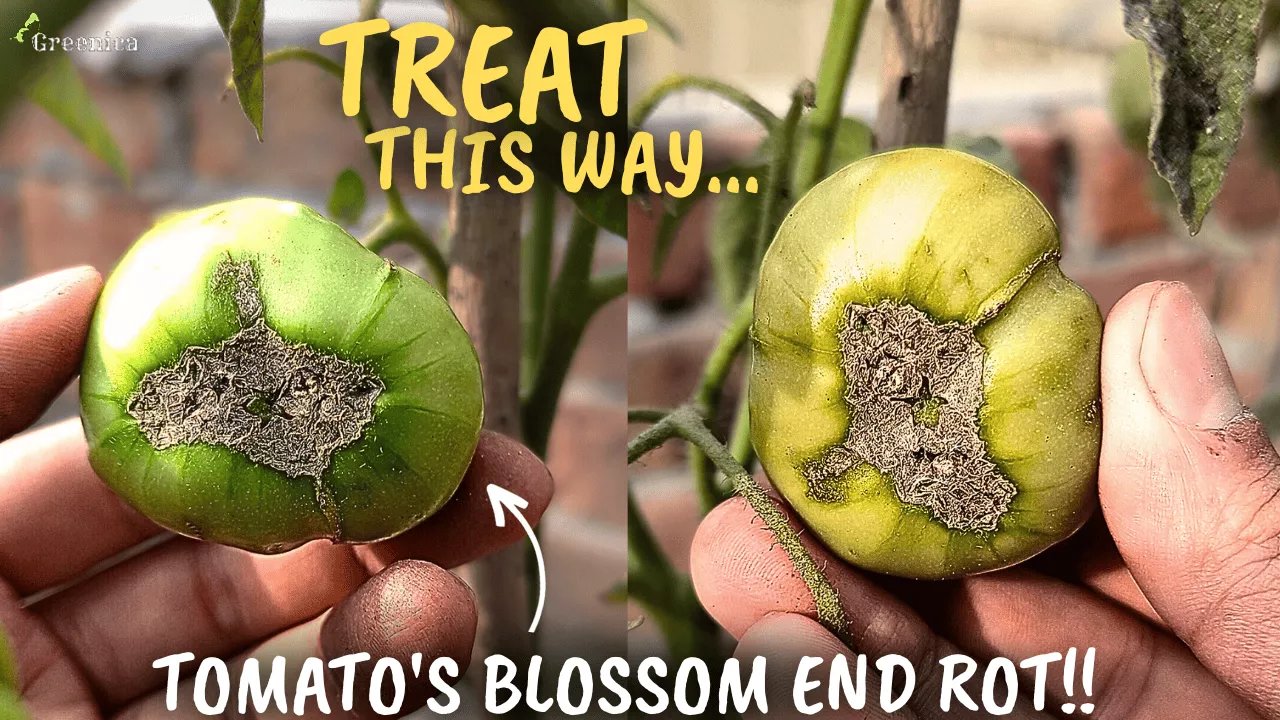
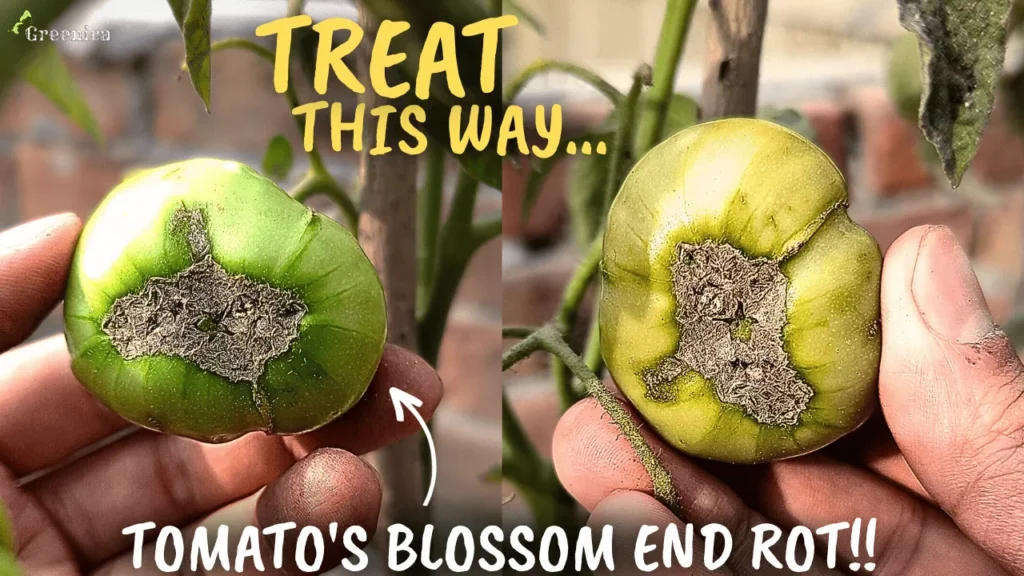
Blossom end rot is a common problem in tomato plants. It is a physiological disorder and not a disease caused by pests or viruses. In this condition, you will see the bottom tip of the growing fruit turning black, leathery, or brownish.
Basically, this happens because, at the early stage of development, the fruit did not get enough calcium, and this leaves a permanent mark on the fruit. Such plants produce fewer or abnormal flowers & fruits.
You may also see some leaves turning yellow or purplish on your tomato plants. The good news is that it is curable. You just need to make a few adjustments, and your plants will start growing healthy-looking fruits.
1-Calcium Deficiency…
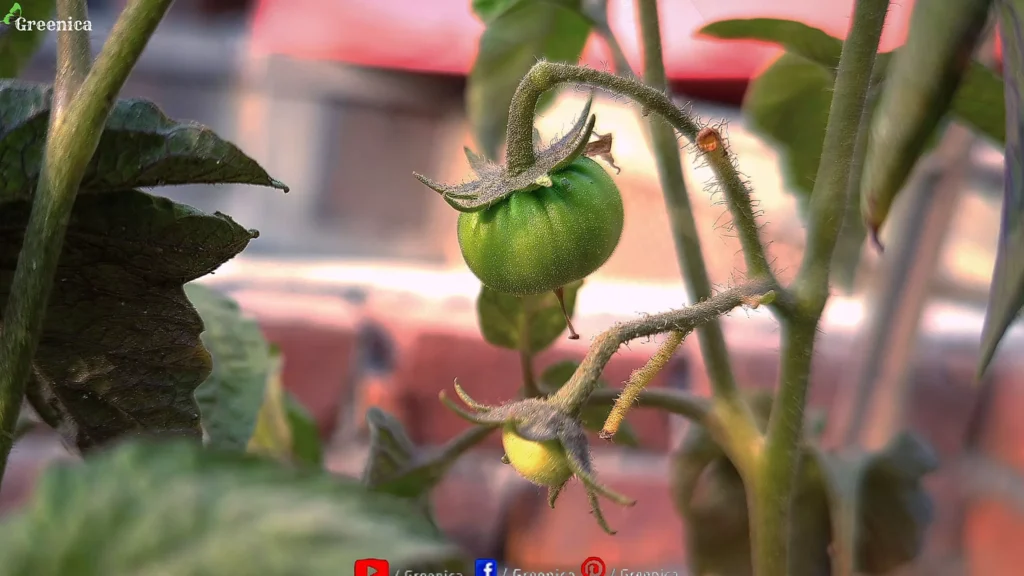
The first and most common cause of blossom end rot in tomatoes is calcium deficiency. Almost 95% of the time, calcium deficiency is the main reason behind blossom end rot. Calcium is a very important plant nutrient.
A major part of the plant structure depends on calcium, and during fruit development, calcium plays a key role. When your soil is deficient in calcium, you will see blossom end rot problems in your tomato plants.
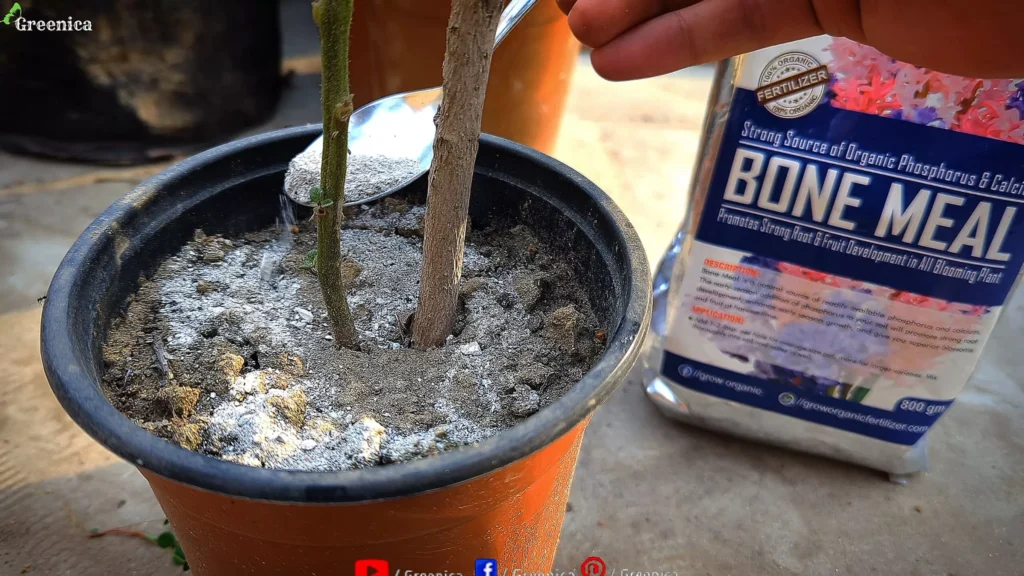
The solution is very simple. You have to add calcium to the soil. For calcium, you can use eggshells, bone meal fertilizer, or limestone powder. If you use eggshells, they provide calcium slowly and steadily.
On the other hand, bone meal and limestone powder act faster. Roots can absorb them within a few days, so it is better to use bone meal or limestone powder. Guides for both of these fertilizers are added Here. You can check them out.
2-Unideal pH!
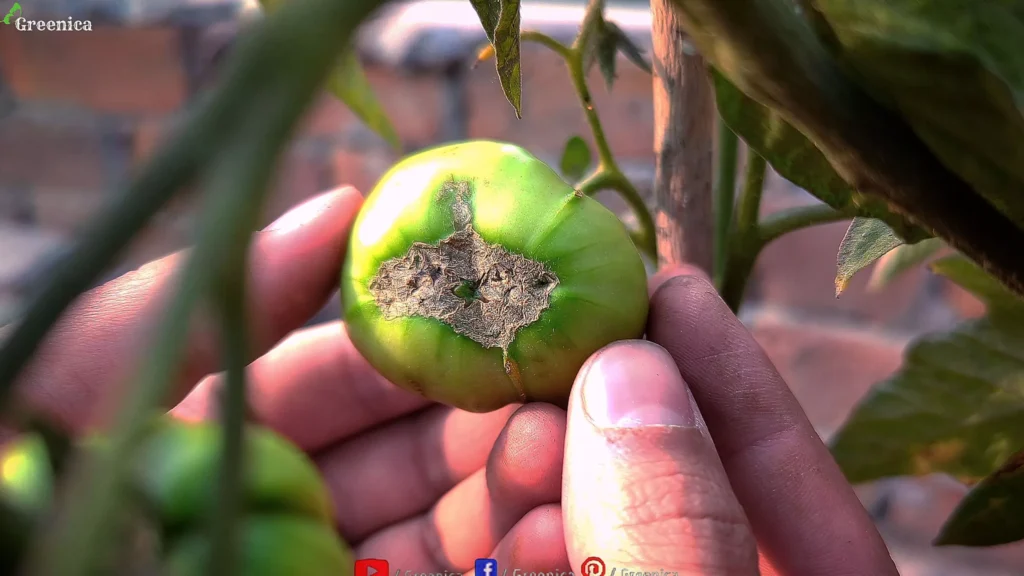
Another reason blossom end rot can happen, even when calcium is present, is unideal soil pH. When the pH of your soil goes above or below the ideal range, it affects nutrient absorption.
This means the roots are unable to absorb nutrients properly. You may notice slow growth, yellowing or pale leaves, more pest attacks, and obviously blossom end rot. The solution is simple.
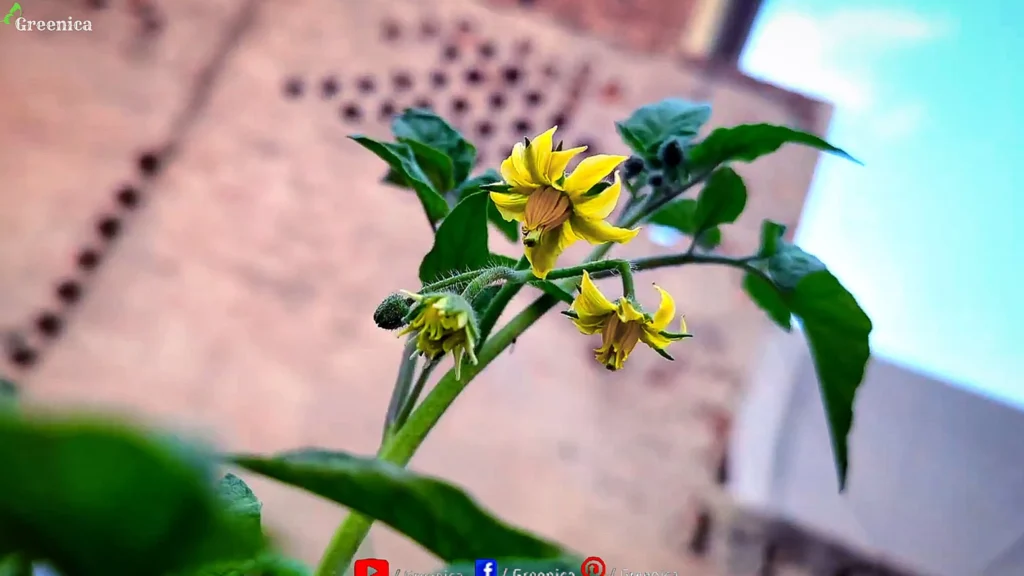
You have to check the pH of your soil media. You can use a pH meter, which is linked Here. If the pH of your soil media is much above or below 7, you must fix it; otherwise, your plant will not absorb nutrients properly.
If your soil is acidic, you can add limestone to raise the pH and bring it back to around 6.5 to 7. If your soil pH is above 7, you can use compost or compost tea. Both make the soil slightly acidic and help bring the pH back to the normal range.
3-Salty Soil?
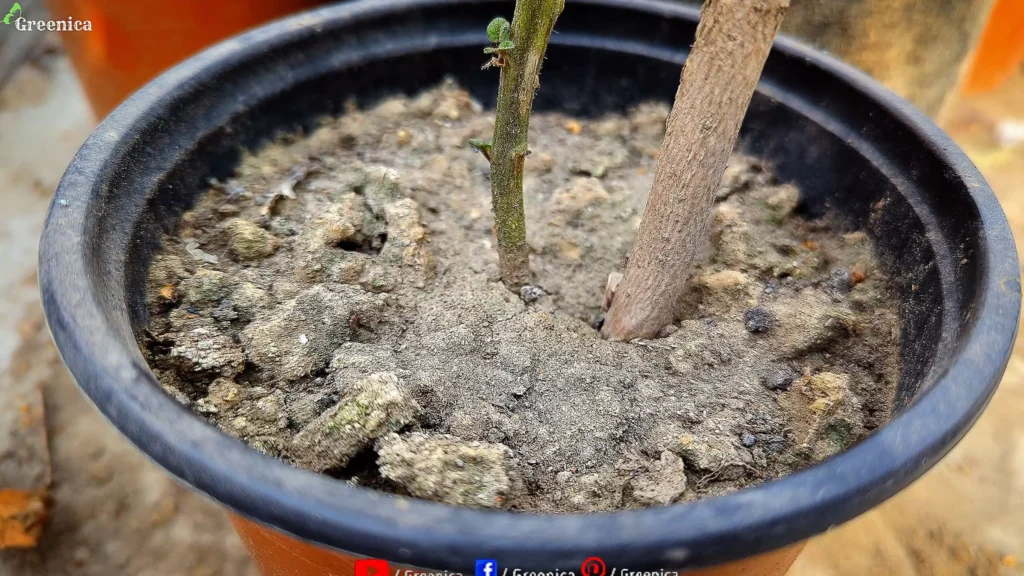
Another common cause of blossom end rot in tomatoes is salty soil media. If your soil becomes salty for any reason, your plants will not grow well. Yellowing leaves, drying leaves, black spots on leaves, and eventually blossom end rot can occur.
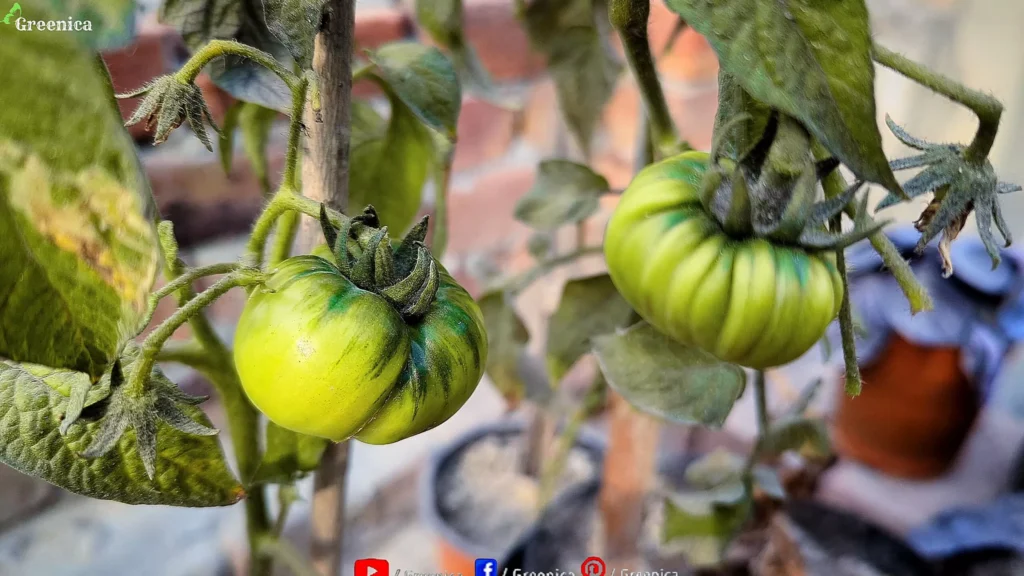
Salty soil is harmful to all types of plants. If you see a white powdery substance on the soil surface, it is most likely salt buildup. You must fix this issue to get good growth in your tomato plants.
Soil media is a fundamental part of plant growth. You can completely change the soil if needed. A simple soil recipe for vegetable plants is added Here. You can follow it.
4-Inconsistent Watering…
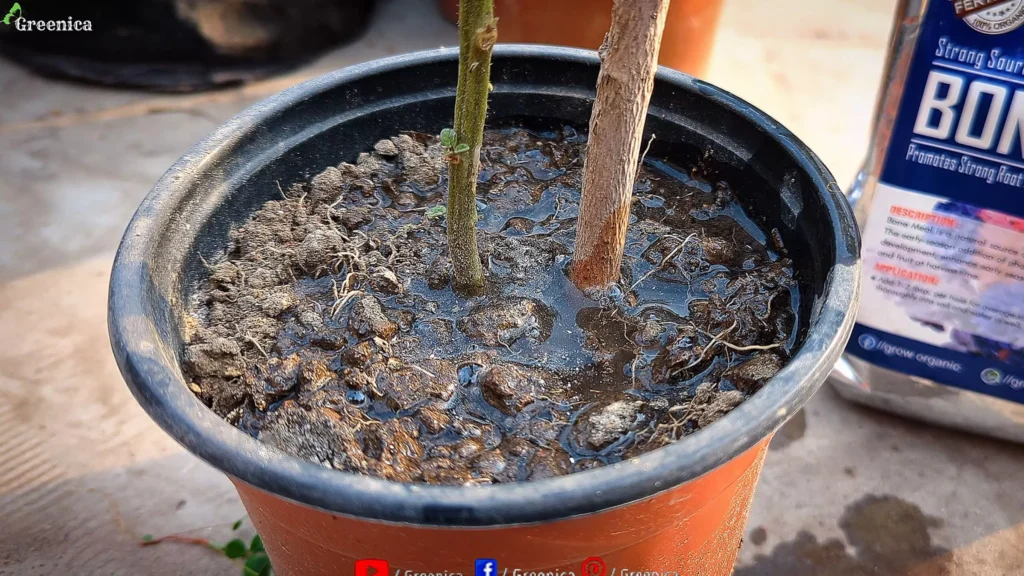
One more possible cause of blossom end rot in tomato plants is inconsistent watering. Inconsistent watering means sometimes watering too much and sometimes too little. In both cases, roots become less efficient at absorbing calcium from the soil.
The ideal method is to water when the topsoil looks slightly dry. Do not let the soil dry out completely and then overwater it. That is wrong. If your soil media retains a little moisture consistently, that is ideal for tomato plants.
5-Prolonged Stress…
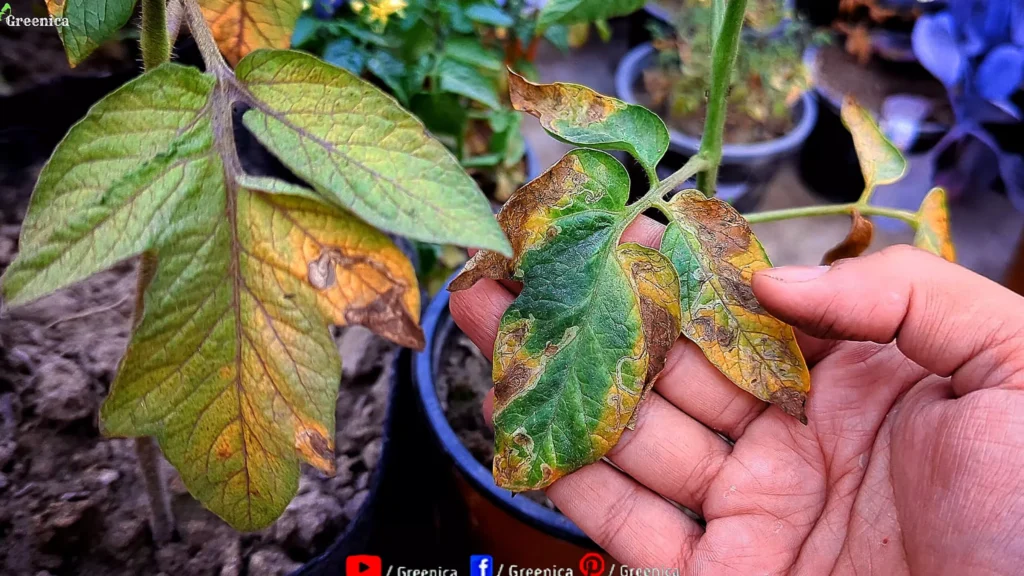
If your tomato plants are going through shock or stress for a long period, this can severely affect fruit development. The young stage of the plant should be healthy so it can produce healthy fruits later.
When tomato plants are young, they store nutrients from the soil for future fruiting. If they face stress during this stage, they will not be able to store enough nutrients and will produce poor-quality fruits.
Stress can be caused by recent transplanting, drought, heat, sudden seasonal changes, or compact soil media. So make sure your plants are not under stress for long periods. Let them recover, and you will not face blossom end rot problems.
That’s all about tomato blossom end rot and its treatment. Feel free to follow our guide on tomato plant leaf curl disease.