4 Reasons / Why Is My Lemon Plant Not Flowering? & How to Fix it?
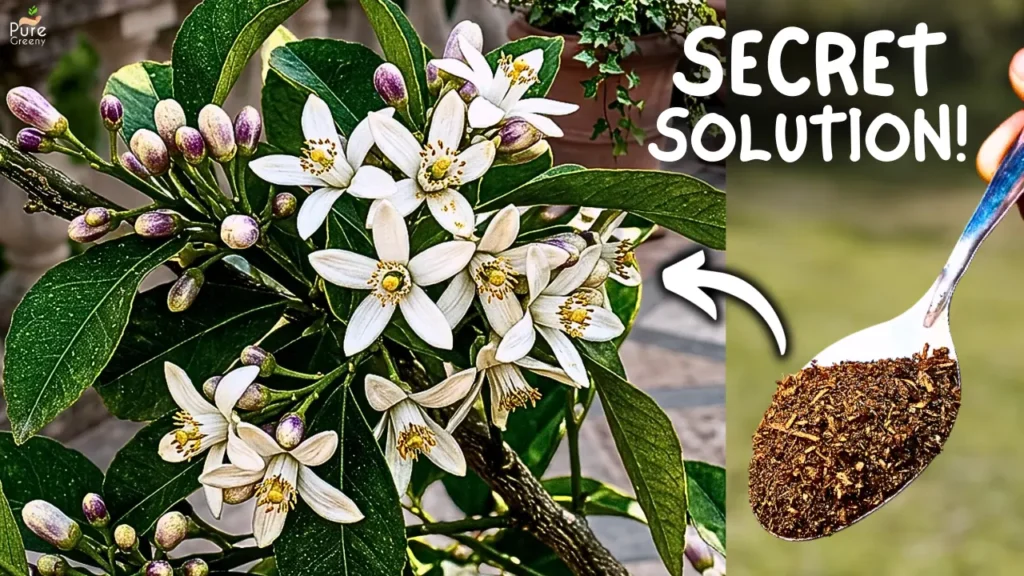
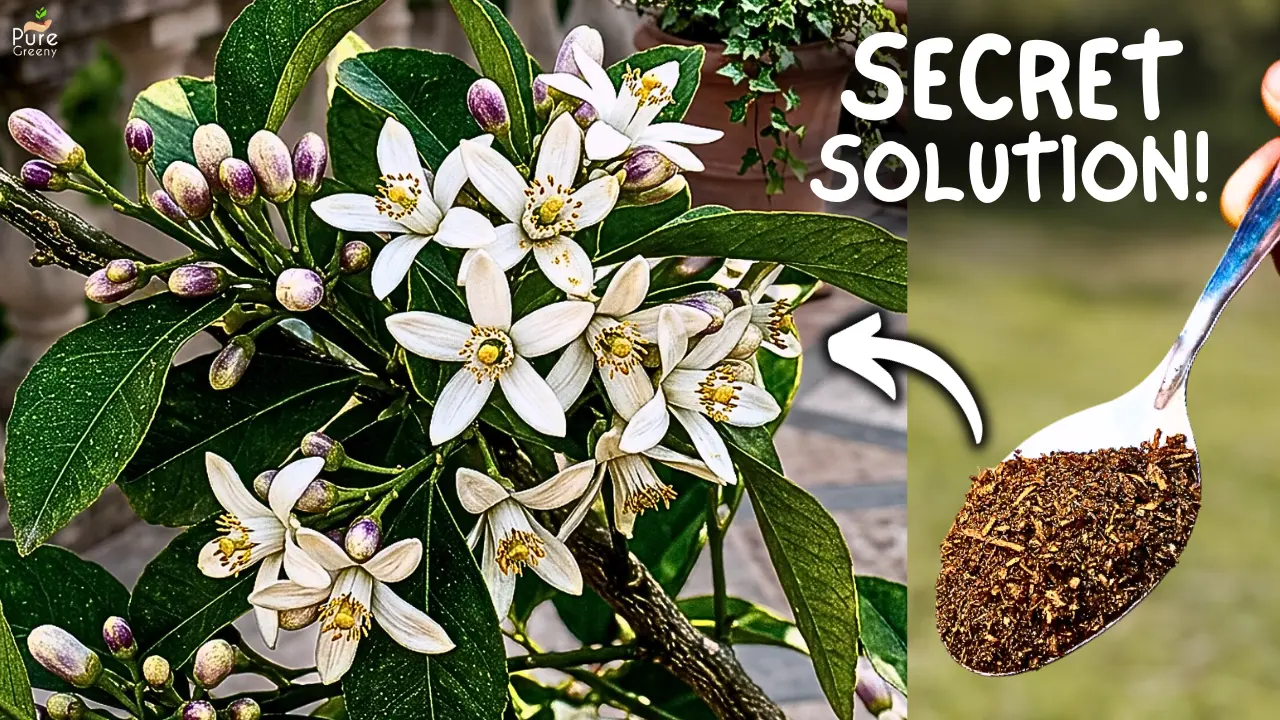
There are four major reasons behind less or no flowering of lemon plants. So, if you are also facing this issue, keep following this Guide because here we will see each and every reason why your lemon plant is not flowering and their simplest solutions Like This Super Useful Fertilizer. So your lemon plant starts flowering again. Let’s begin.
1-Season Is the Key…
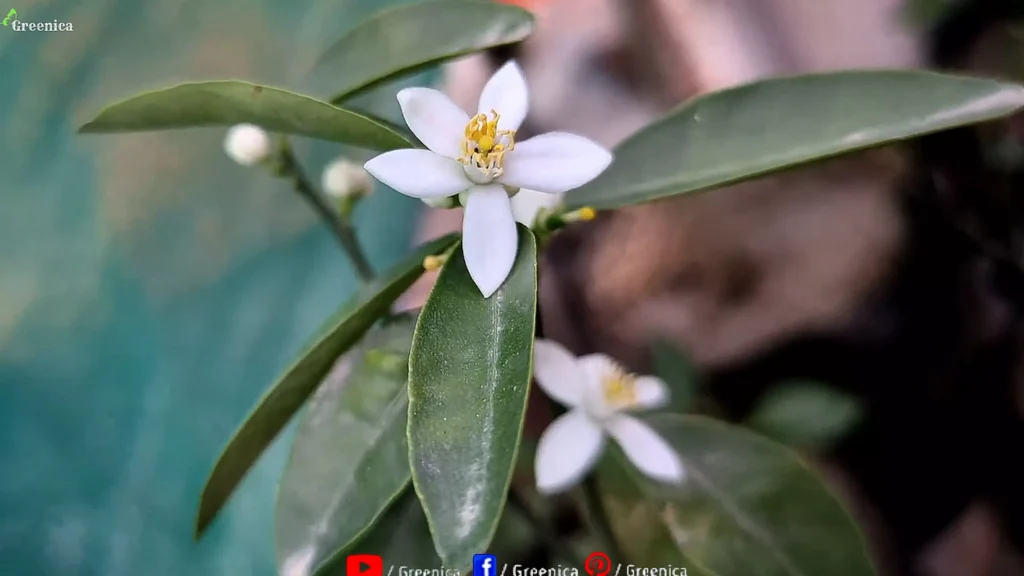
The first and the most important thing that plays a crucial role in healthy flowering of a lemon plant is the correct season. Season is so important that if it’s not right, your lemon plant simply cannot flower, no matter how good a fertilizer you use.
The ideal season is often ignored by beginners, but you will be surprised to know that without the ideal temperature, a lemon plant doesn’t initiate flowering at all.
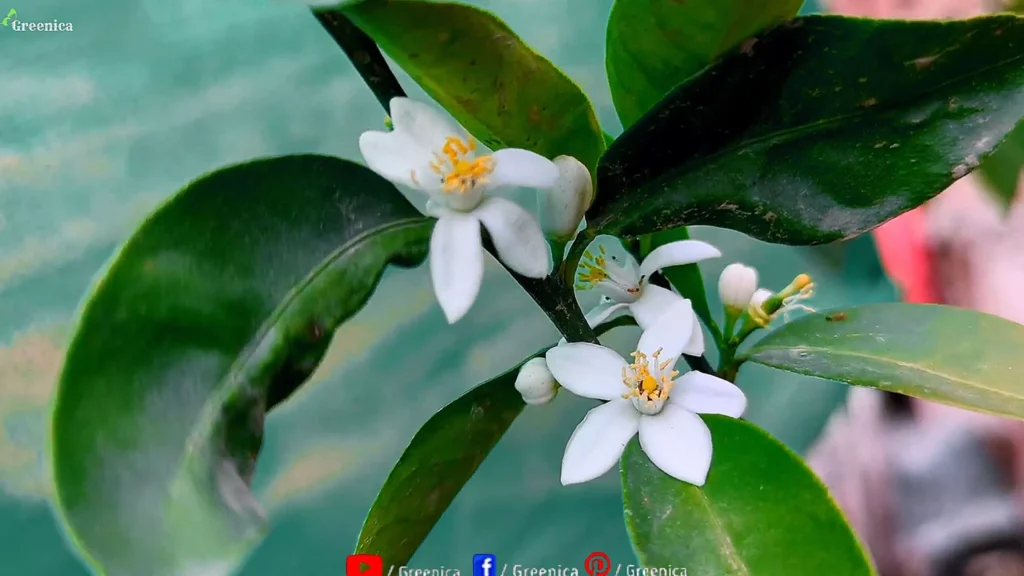
So, what is the ideal season? As soon as the spring season begins and the temperature starts warming, the lemon plant’s growing season begins. You may see a lot of new flowers in the spring season, and here is another interesting point.
You might have seen a lemon plant suddenly burst with a lot of new buds right after a seasonal change, maybe after a rain. This happened to my plant.
When I searched, I found that when the season changes towards the ideal conditions, it signals the plant to start flowering. You might be making the exact same mistake. Make sure you are growing your lemon plant in the right season. It doesn’t flower in winter as it’s resting.
2-Soil Quality Matters!
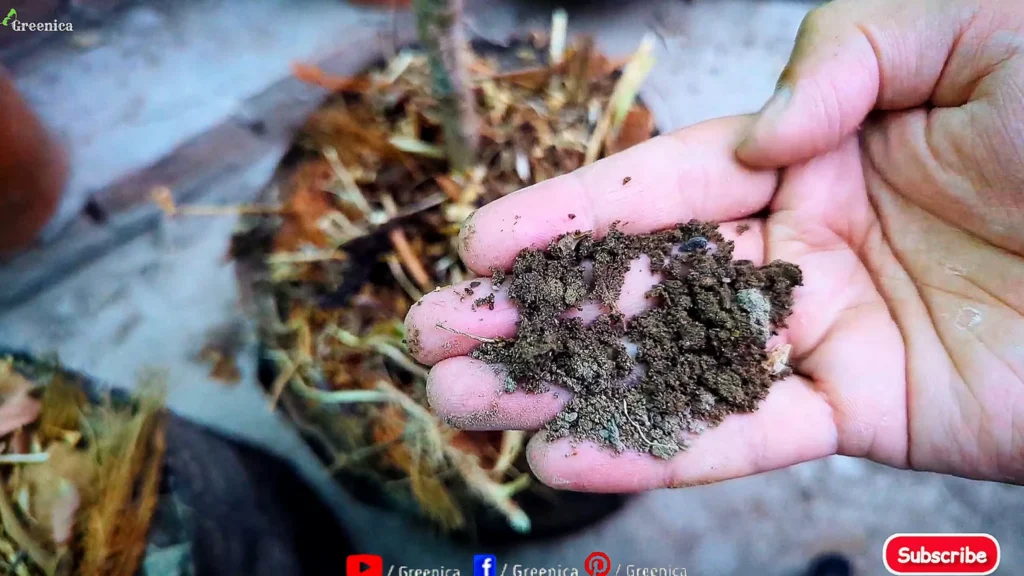
One mistake beginners often make while growing lemon plants, especially in pots, is their soil media. So, let me tell you, a lemon plant is very sensitive. It likes its soil media to be well-draining and soft.
When I started growing lemon plants, I tried to grow them in a clay-like mixture. The growth was stunted, but as soon as I shifted the plant to this homemade mixture, it immediately started producing new buds and leaves.
This happens because, in a compact mixture, roots are unable to grow further. When root growth stops, plant growth stops automatically.
Before I tell you this amazing soil’s ingredients, here is another tip you can use. Using dried leaves as mulch, especially for a potted lemon plant, can be very beneficial.
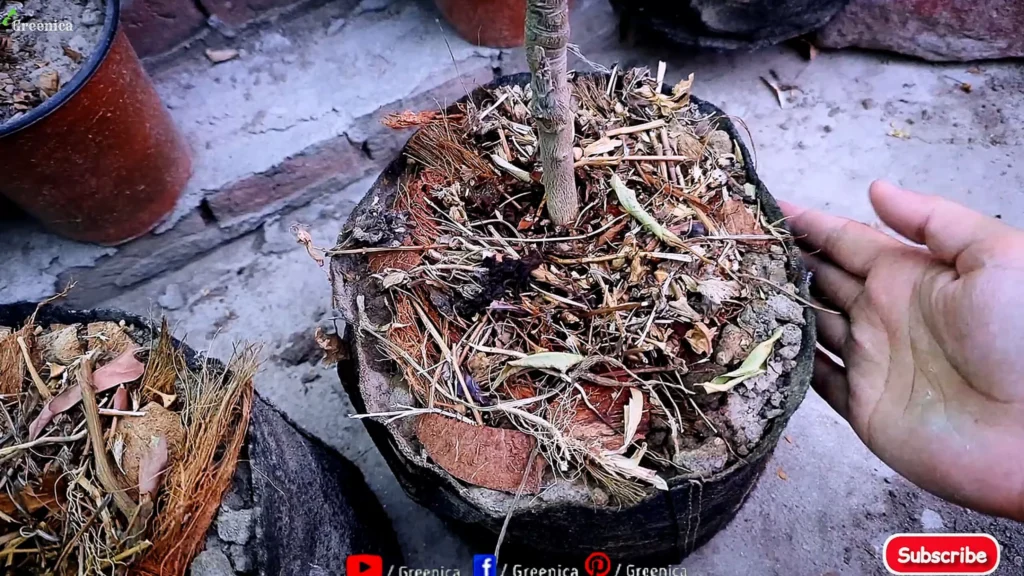
Over time, the leaves decompose and make the soil softer and softer, while also providing a lot of nutrients to the plant. Mulching is very beneficial, especially for container plants. You can find a Guide on this Here.
And here are the soil ingredients.
- Sand – 1 part:
- Garden Soil – 2 Parts:
- Cocopeat – 1 part:
- Compost – 1/2part:
- Cow dung – 1 bowl:
Very simple ingredients. Even a beginner can make it at home. If you would like more instructions, again, the Guide is added Here.
3-Does Sunlight Help?
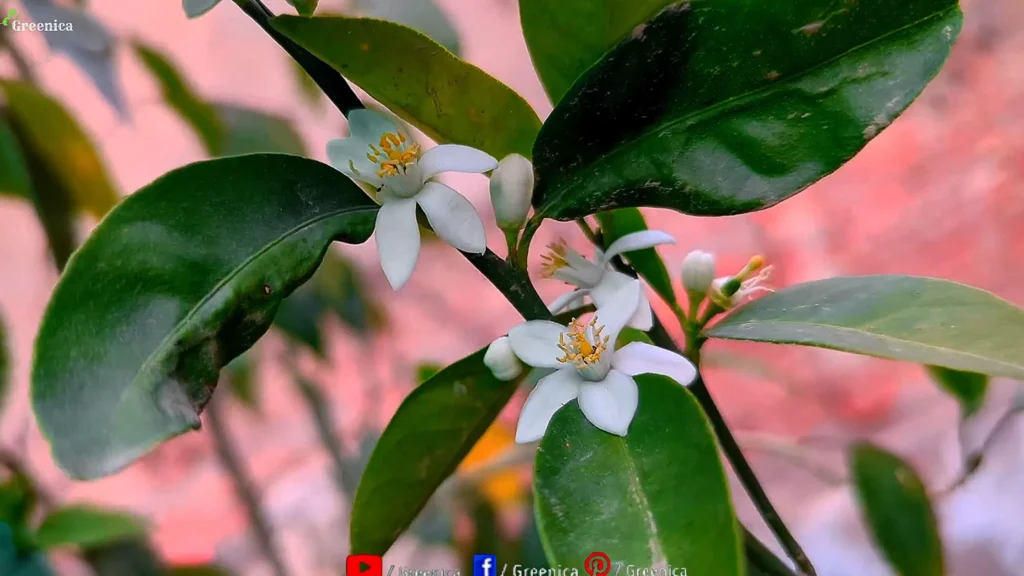
One mistake you might be making while growing lemon plants is about sunlight, especially if you are encountering fewer buds and flowers on your plant. What happens is really simple.
The plant receives less sunlight, and this results in less flowering. Lemon plants require plenty of direct sunlight on a daily basis. Otherwise, you’ll see less or sometimes no flowering on the plant.
Before I tell you the most ideal spot for the lemon plant that nurseries use, here is another interesting point. Do you know your lemon plant can also stop growing and flowering when you keep it in too much sunlight?
But wait, didn’t I just say it needs plenty of sunlight? So, how can growth stop? This is where nurseries win due to their expert techniques, and we home gardeners often struggle.
Even I learned this secret technique just recently. Hot sunlight for a full day can put a potted lemon plant right into heat stress. Our plastic pots become hot. The soil becomes hot. Roots become hot, and the plant just cannot grow.
So, here we have to learn the importance of balance, but what nurseries do is really interesting. First, they keep their plants on the soil. The moist soil provides some coolness to the plant, and they also use green netting to make a semi-sunny spot.
So, here is what I did. I kept my plant in a less sunny spot, especially in the hot months of the year. This results in consistent growth and flowering, and just believe me, you will be surprised how well your plant performs.
And if you would like to know more of such secrets that nurseries use, here is an e-book that I wrote. It includes several such techniques. I made it by visiting and talking to nursery owners to learn their methods. You can take a look.
4-Nutrients Are Essential?
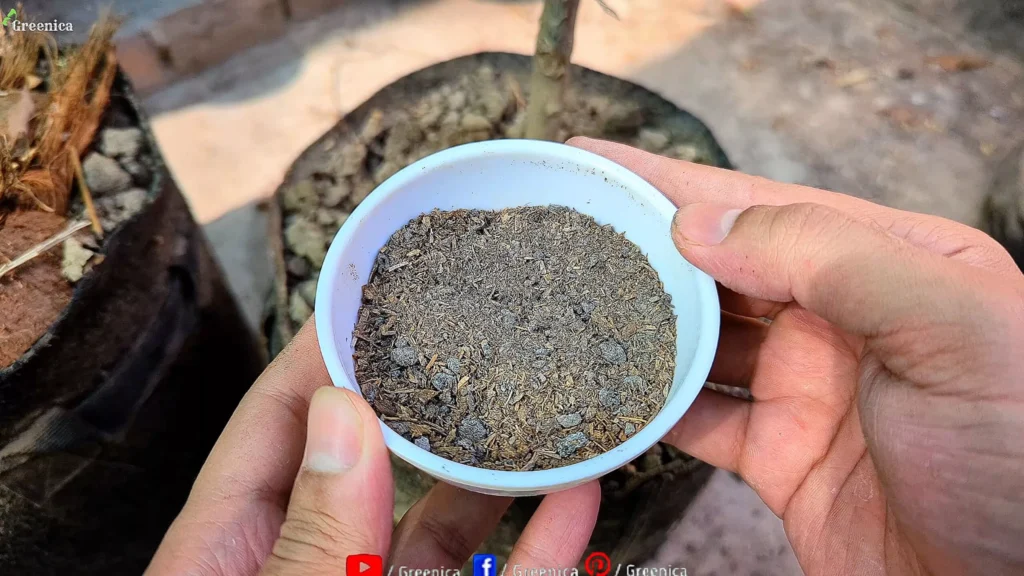
Now comes the most important part that promotes a lot of flowers on the plant. A lemon plant requires a powerful fertilizer to grow healthily. It’s a heavy feeder, so you need to fertilize it at least once a month.
And your fertilizer should be balanced as well. Here is the fertilizer that I use. It’s a tried-and-tested fertilizer that promotes flowers, not just on lemon plants but on several other plants as well.
It includes flowering nutrients, and when applied properly, you don’t just see buds and flowers but consistent growth as well as fruiting on the plant.
Before I tell you the fertilizer ingredients, understand this: this fertilizer won’t just magically make the plant full of flowers.
It should be planted in a big-sized pot, placed in an ideal spot, and the soil should be good as well. What fertilizer does is encourage the plant to push more and more buds and flowers.
The fertilizer ingredients are leaf compost for mixed nutrients, cow dung for consistent nitrogen, most importantly, dried potato peels that provide potassium, and some rock phosphate for phosphorus.
So, that’s our flowering fertilizer. Make it at home and use it on your lemon plant, but make sure you apply it properly. For that, you can follow this Guide.