How To Treat Hibiscus Leaf Curl Problem? (CAUSES & CURES)

Hibiscus leaf curl is not the most common problem, but if your hibiscus is showing curling leaves, then you should follow the steps I am going to show you. In this post, we will see 6 causes of hibiscus leaf curl, along with their solutions, so keep reading.
What is A Leaf Curl Problem?
In the hibiscus leaf curl problem, the leaves start to curl up, down, or inwards. It does not only affect the hibiscus plant. Some of its other victims are tomatoes, cotton, roses, and all varieties of peppers, although the cause can differ from plant to plant.
Commonly, the new growth shows the curling leaves, and then the plant starts to grow really slowly. Some of the leaves may then turn yellow, and leaving the plant untreated can seriously weaken it or even kill it. That’s why it is extremely important to solve this issue in time.
1-Viral Infection (Aphids)

The first and most common cause of hibiscus leaf curl is a pest attack, and the viral infection that can follow it. The hibiscus is a soft, leafy plant, which is why many pests attack it. Pests like whiteflies carry leaf curl viruses and transfer them from plant to plant, while aphids can make the leaves curl just by feeding on the soft new growth. This way the virus (or the damage) gets into the plant and causes the curling leaves of the hibiscus.
How To Identify the Viral attack on a hibiscus Plant?
This is a variety of hibiscus plant that was attacked by whiteflies a few days ago, and leaving it untreated resulted in these curling leaves. To identify the main cause, inspect the leaves of your hibiscus plant for any type of pests and insects.

Also, take a look under the leaves, because many pests hide there. As you can see, we have some white spots here, which could be a sign of a pest infestation. However, white spots alone don’t confirm the presence of pests or a viral infection. Other clues are a sticky residue on the leaves, tiny white insects flying up when you shake the branches, and thickened veins on the curled leaves.
Some pests can transmit plant viruses, which may spread to other plants as well. Viral infections are often difficult to treat, but controlling the pests that transmit them can help reduce the risk of further spread. However, the plant’s ability to recover depends on the cause of the leaf curl. Once the pest attack is over, a healthy plant can usually recover on its own with new, normal growth.
How To Treat a Pest attack on a Plant?

To treat a pest attack, you should immediately use a pesticide, and the best option is a neem oil pesticide spray. It’s easy to make and apply. A detailed guide on that is linked here to show you the whole method.
While applying it on a hibiscus plant, make sure to mix it properly and spray all over the plant. It is very important to spray the lower side of the leaves as well, so do this procedure properly. Spray in the early morning or evening (not in strong sun), and repeat it every 5 to 7 days until the pests are gone.
This will be more effective if you do it as soon as you find the pest attack and curling leaves. If you can’t see any pests on the plant, then the cause could be one of the other reasons below.
2-Humdity Rise:-

The second cause of hibiscus curling leaves is a humidity imbalance. The hibiscus itself is a humid-area plant that likes humidity and warmth, but there are several varieties of hibiscus that like less humidity.
So if you try to give them more moisture, this can also result in curling leaves. On the other hand, very dry air and hot, dry weather can make the leaves curl too. Humidity is not bad for the hibiscus plant, but besides that you should also make sure the air circulation around the plant is good.
Congested environment & Leaf Curl….
In a congested environment, the plant faces stressful conditions, such as poor airflow and trapped moisture, that can result in the leaf curl problem. So it is better to give the plant some space and maintain a balance, so the hibiscus plant can grow properly.
3-Calcium Deficiency (Egg Shells):-

Another big cause of the hibiscus leaf curl problem is a nutrient imbalance. The hibiscus plant is a heavy feeder and requires a lot of nutrition. Different deficiencies can result in different leaf signs. For example, nitrogen and magnesium deficiency can cause yellow leaves, while calcium deficiency can lead to curling, distorted new leaves. So if your soil mix is low in calcium, this can result in the leaf curl problem and stunted growth as well.
Can Ph Imbalance cause leaf curl Problem?
There is another scenario here that can result in leaf curl. Maybe your soil has all the essential nutrients, including calcium, but the hibiscus roots are unable to take them inside the plant. This can also cause curled leaves on a hibiscus plant. It mostly happens when the soil pH is either too low or too high.
What Should be The Hibiscus Plants Soil ph?

Ideally, the soil pH for a hibiscus plant should be about 6.0 to 6.5 (slightly acidic), and up to 7 is still fine. But when it goes too high or too low, this can cause leaf curl. A major cause is the use of an acidic or alkaline fertilizer for too long. This can ultimately affect the soil pH, which results in leaf curl.
So the solution is very simple. First, take a look at your soil pH. You can do this with a pH meter, linked here to buy. After that, use a fertilizer accordingly.
How To Treat a Calcium Deficient hibiscus Plant?

For a calcium deficiency, you can use any organic calcium-rich amendment, like eggshells, bone meal, or rock phosphate. I am using 2 tablespoons of rock phosphate, and you can do the same. Rock phosphate releases its calcium slowly, so for a faster calcium boost you can also add bone meal, gypsum, or finely crushed eggshells (eggshells break down slowly, so grind them into powder first). This will make sure there is enough calcium in the soil. Water the plant well after applying it, because roots can only absorb calcium when the soil is moist.
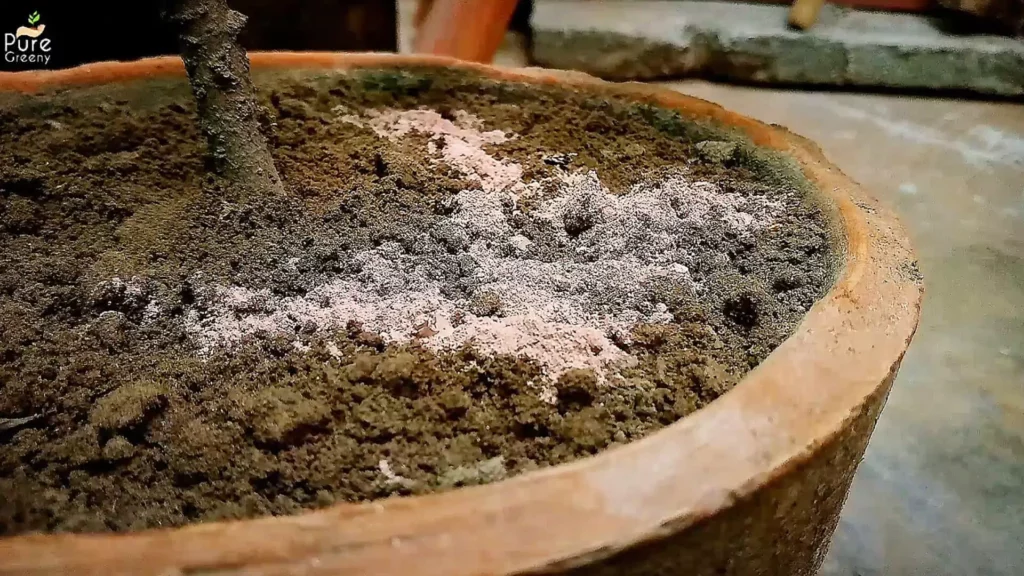
Remember, it can take time for the calcium to be absorbed by the roots, so have patience. The curled leaves will not un-curl, so judge the result by the new growth.

As soon as the plant takes it up, the new growth will be normal.
4-Soil Compaction:-
Another big cause of the hibiscus plant leaf curl problem is the compaction of the soil. When the soil is too hard, the roots can’t grow properly, and this kind of stress also leads to the curling of leaves on a hibiscus plant.
What Type of soil is Good For Hibiscus Plant?

Hibiscus likes a well-draining and loose soil mix, otherwise many problems can appear. If your hibiscus soil is hard and compact, you can either add a part of sand or cocopeat to it to make it better.
Otherwise, it’s better to choose a loose mix for your hibiscus plants. This one is linked here to buy. Just make sure the soil is loose.
5-Roots Bounding:-

Another Important Thing related to Roots, Is their Bounding that also can Cause leaf Curl Problem. When ever the Roots Stops Their Growth, in result plant shows Some Signs, Like Sometimes Yellowing leaves & Sometimes Leaf Curl Problem. & When These Roots Try to Grow, New buds & leaves Appears on The Hibiscus plant as well. So This Way It works about roots.
Why a Big Pot is So Important For Hibiscus Tree?

Another thing is that, not just for the leaf curl problem, a hibiscus plant also requires a big pot to grow like a tree, which it basically is. So yearly repotting can help a lot. A hibiscus plant grows a lot of roots, especially in the rainy season, and that is a good time for repotting too (the start of the growing season in spring also works well).
So if you haven’t repotted your plant for a long time, it’s better to give it a good-sized pot with a good soil mix too. Grow bags work really well for such tree-type plants. You can also buy them from Here. Must check them out.
Once the hibiscus plant is repotted, it may not grow for a while and can also show you yellow leaves, but that’s temporary. Just give it some time alone. After that, the new growth should be normal.
6-Seasonal Change & Imbalance:-

After observing your hibiscus plant regarding these points, if you still don’t know what the potential reason could be, then it is probably the seasonal change. When the temperature starts to fluctuate, it can cause big stress on the plant, which results in this type of curled leaves. Mostly it affects all the leaves, not just the new growth.
But it’s a temporary thing that will be solved automatically as soon as the temperature stabilizes. At this time, just have some patience, move your hibiscus plant to a semi-shaded area, and water it normally.
By now I hope you have found the reason and the cure for your hibiscus plant. Here is the guide that helps you make a perfect soil mix for your hibiscus using very simple ingredients, so must check it out.