Growing Marigolds In Pots! (6-Secret Tips)
Marigolds are one of the most beautiful flowers of the winter season. They grow very fast if the season is slightly cool. In this Post, we will see some marigold plant growing tips that you can follow to get a lot of flowers. So let’s begin.
1-What’s the growing season of marigold plants?
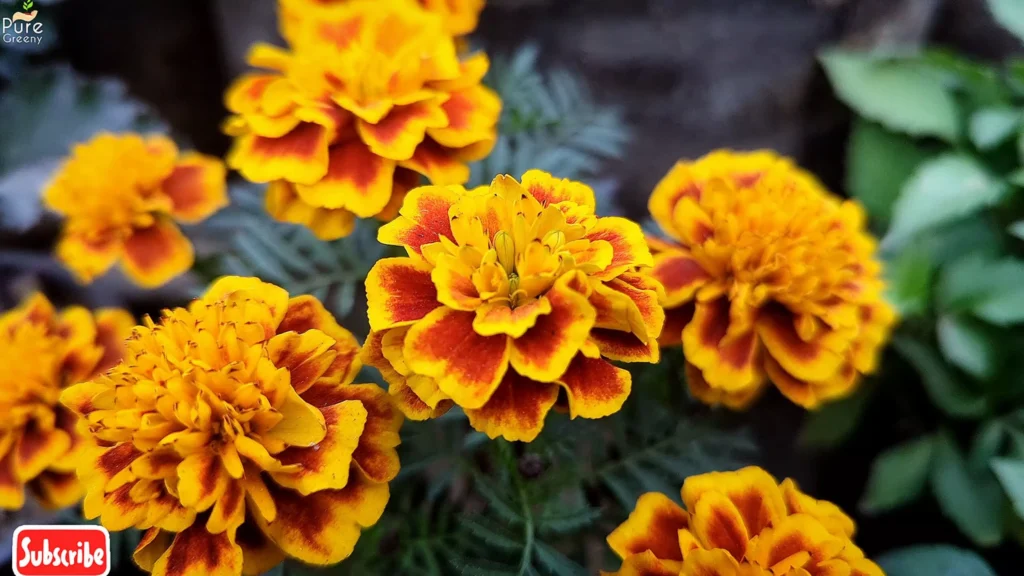
First of all, it is extremely important to understand the correct growing season of marigold plants. If you grow them when the season is ideal, they will establish in the soil very soon and start growing new leaves, then buds and a lot of flowers.
In the ideal season, the plant tends to fight diseases on its own. Any kind of pest attack or stress like drought or heat can be resisted by the plant on its own.
For marigold plants, you need a slightly cool environment, not too hot and not too cold. I live in a moderate climate region where the temperature in winter stays above 8°C, and you can easily grow very good plants during winter days.
But if the winter temperature in your area drops below 0°C, you should be concerned. You are living in a cold climate region, and growing marigolds in winter is a bad idea.
You should try this plant in spring and early summer instead. Within this period of 3 to 4 months, your plants will get bigger, grow new buds, and bloom beautiful flowers.
Overall, it is a cool-season plant. Grow it in winter if you live in a moderate or temperate region, and grow it in spring and summer if you live in a cold climate region.
2-What soil do they like?
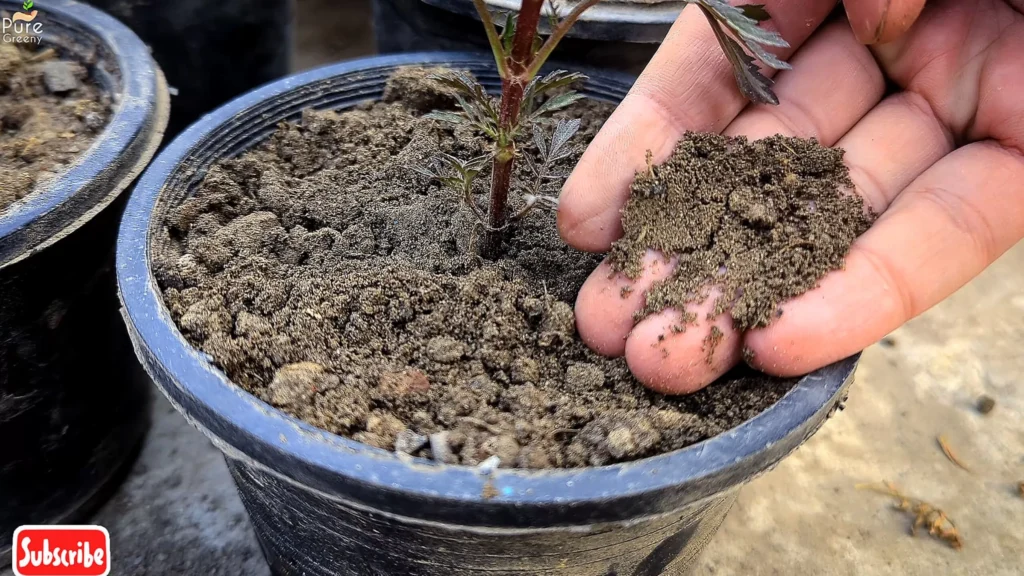
One of the most important things for growing very good and healthy plants is your soil media. It is the most basic requirement of a plant. If the soil is loose, well-draining, and soft, your plants will grow really fast.
On the other hand, if you plant them in compact or poorly draining soil media, they will struggle throughout the season. You may see only one or two flowers. The best flowering happens when the soil media is also ideal.
You can make a good soil mixture at home by following the guide added Here. I prepared it myself, and I am using it on most of my plants, and it works amazingly well.
3-How to water them correctly?
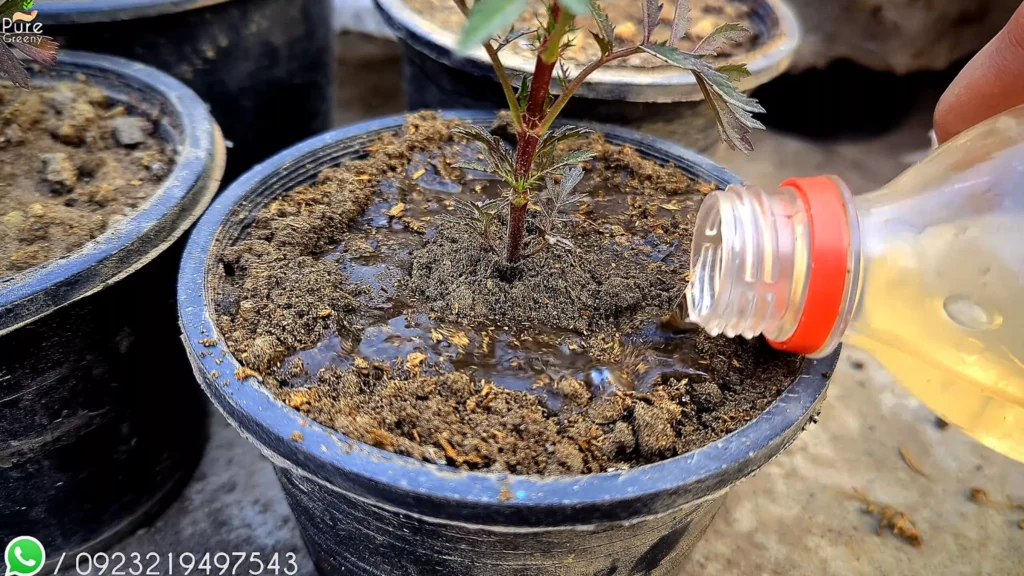
While growing marigold plants, you may have seen rotten stems where the plant suddenly stops growing and the main trunk starts rotting.
Most of the time, this is caused by overwatering. If your soil media is good enough, you are mostly safe, but learning the proper way of watering is also important.
Simply allow the upper layer of the soil to dry out a bit. Do not let it become completely dry, just slightly dry, and then water a little. If you are a beginner, this is the most ideal way to start.
As time goes by, you will learn the proper watering method. There is no fixed schedule. It totally depends on your soil media. If it dries once a week, you should water once a week. If it dries twice a week, you should water it twice a week.
4-Where to place marigolds?
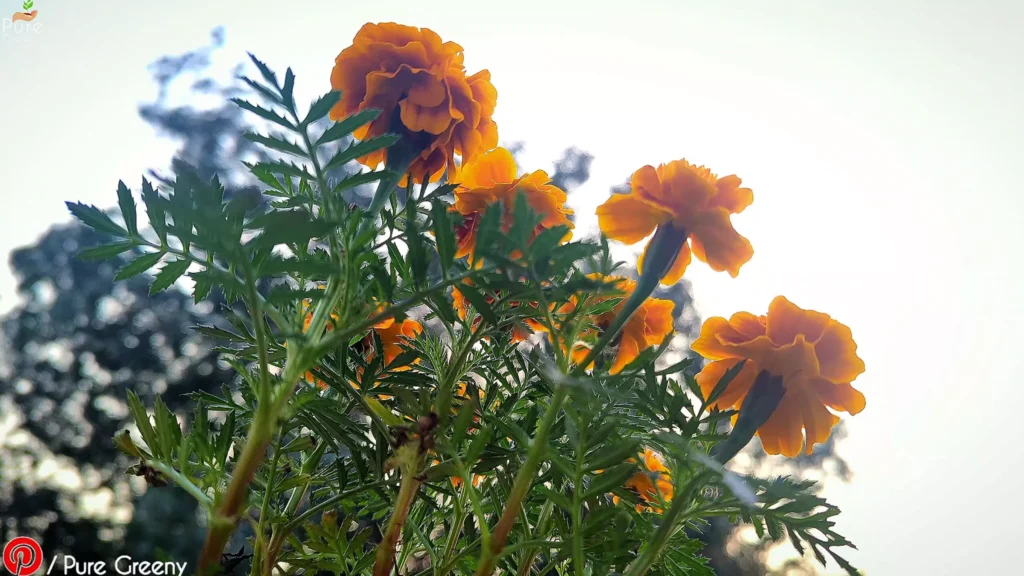
One of the most important things in marigold plant care is their ideal spot. It is a flowering plant, so obviously it needs a lot of sunlight in order to produce buds and flowers.
You can place it in a sunny spot that receives a minimum of 3 to 4 hours of sunlight on a daily basis. If you have a limited amount of sunlight, simply place them in the sunniest spot available.
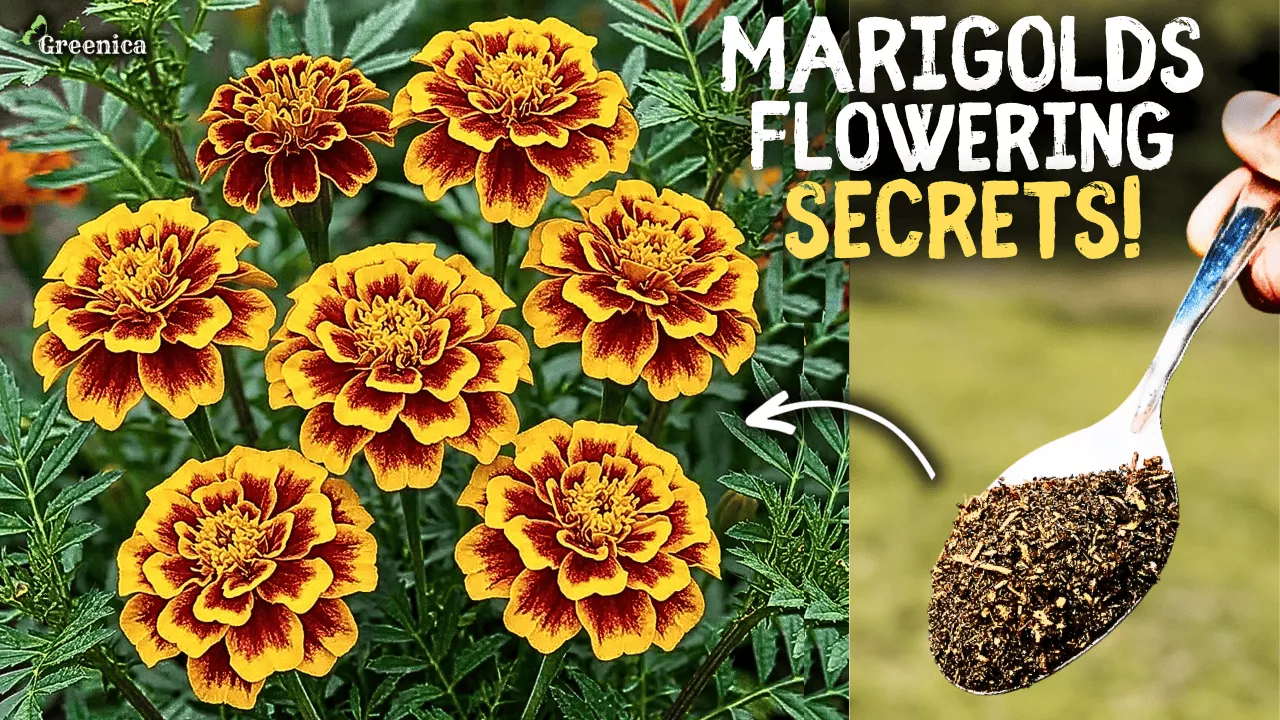
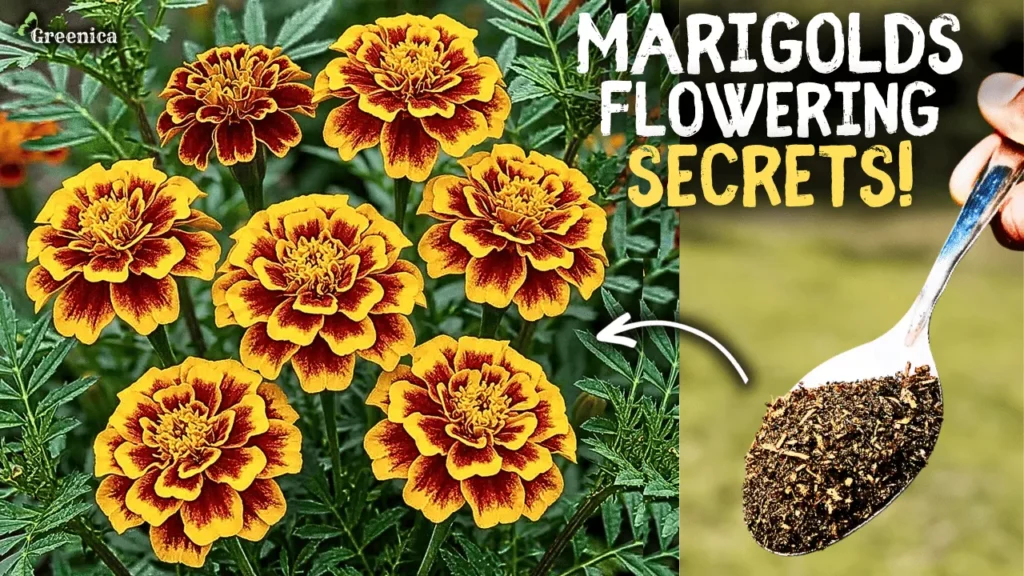
Lack of light may appear in the form of fewer flowers and yellowing leaves. These are French marigolds. They have a very unique flower shape and color, and they also love a lot of sunlight.
I bought these seedlings from a nursery just a few days back, and here they are already producing flowers because of sunlight.
5-Do they need fertilizer?
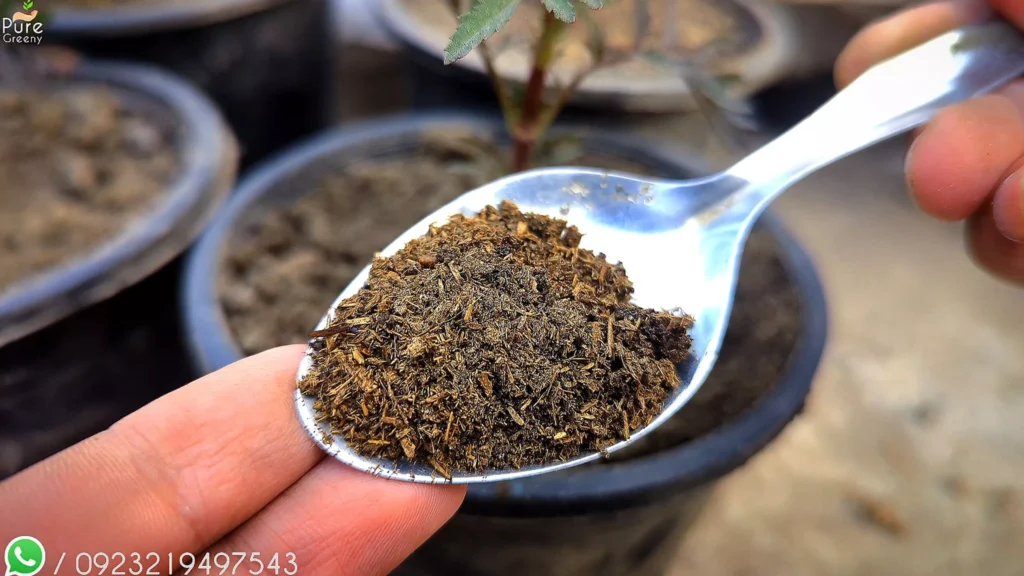
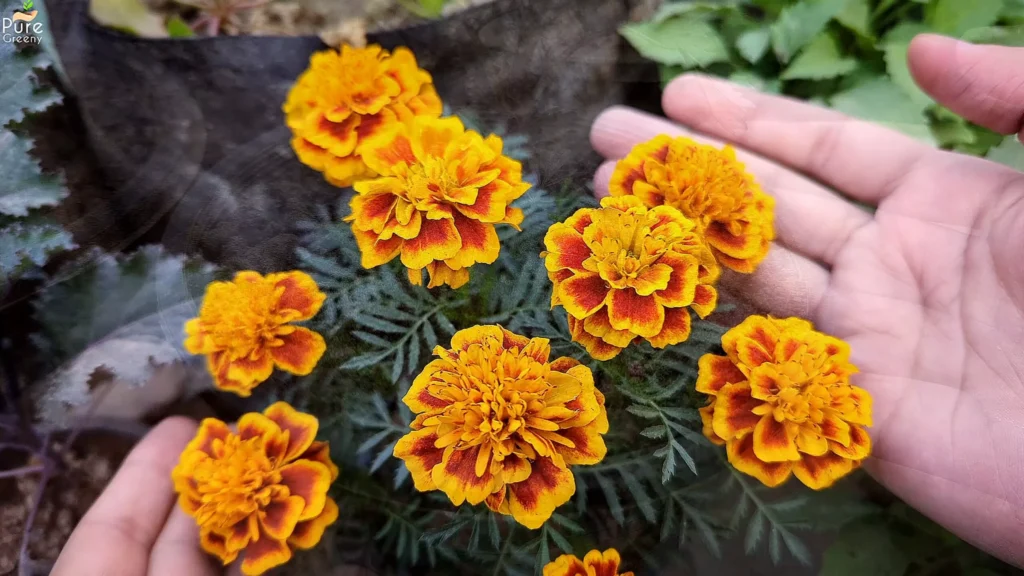
A good fertilizer is not an absolute requirement, but if you can provide fertilizer to your plants, especially when they are actively growing, you will see your plants blooming with a lot of flowers, bigger in size and with vibrant colors.
Marigold plants are seasonal. They have a short life cycle. They naturally produce flowers in order to continue their generation, but a powerful fertilizer can definitely double their flowering.
I use my Homemade fertilizer. It is made at home using organic materials. I applied it to my rose plant and it grew really well. I also used it on hollyhock plants, verbena plants, African daisies, cosmos plants, and many more.
It is a tried and tested fertilizer. With just one or two applications, you will see the results yourself. A detailed guide on making this fertilizer is added Here if you would like to follow it.
6-Is deadheading required?
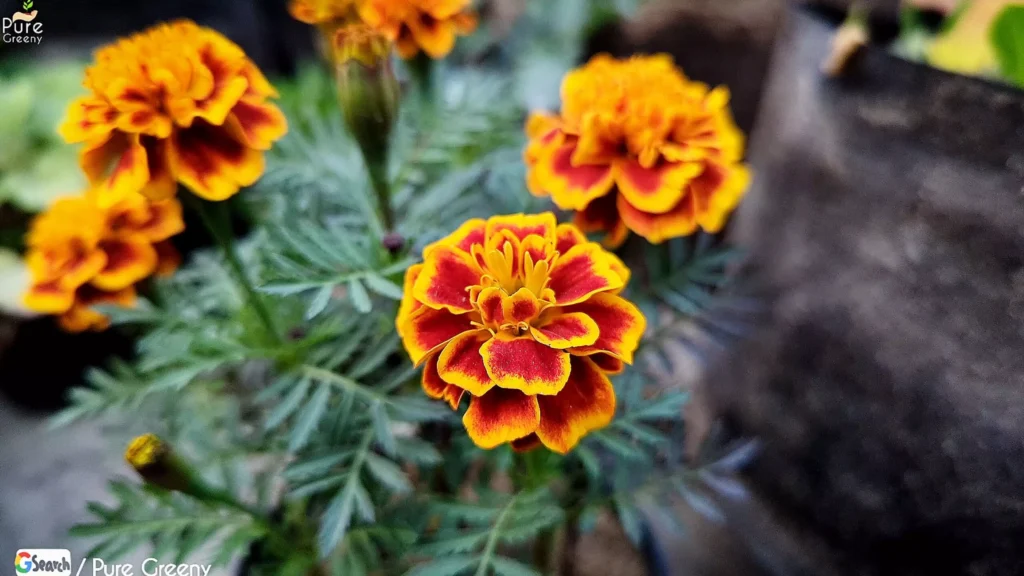
During the growing season, you will see your plants blooming with beautiful flowers, and then they will try to produce seeds. While making seeds, the overall flowering of the plant will definitely reduce.
If you see a dried flower on your plant, remove it immediately so you can get more flowers in the future. The main focus of the plant shifts to seed formation instead of producing flowers, so simply remove the spent flowers to encourage new blooms.
So these are some of the basic care tips for marigold plants. I have been growing winter and other flowering plants for 3 to 4 years now. Besides these basic care tips, there are many simpler yet very effective tricks that can enhance the flowering of a plant.
I tried to sum up all of these in this guide. It is very beginner-friendly. You can buy it from Here, and let me know if you find it useful.
Here is another guide with a list of winter-season flowering plants if you would like to follow it.