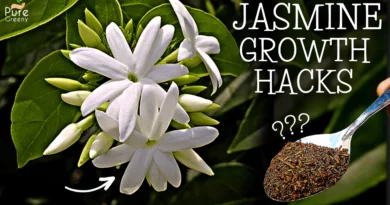
6 SECRET Jasmine Plant Growing Tips, For Max Flowering!

Jasmine Plant is a Hardy Flowering Plant, But Getting Alot of Flowers On It Requires a Few Things. & In This Post We Will See What Are These Jasmine Plant Growing Tips, So Lets Begin Follow Them One by One.
1-Plant it In The Right Season…

The First & The Most Important Thing in Jasmine Plant Care Is Its Season Of Growth. For All Plants, The Growing Season Is a Key Factor For More Growth & Blooming. In an Ideal Season, Jasmine Plant Also Grow Effortlessly, Make New Buds, Grow More Flowers, Less Pests Attack On It & Much More.
The growing Season of Jasmine Plant Starts As The Temp Starts rising In Springs, & then The Growth & Blooming Continues all Over The Summers. While In The Winters, The Plant Stops Growing, May Show You yellow Leaves, But That’s Totally Normal, Its Because of The Droping Temp..
Just Keep The Plant Safe Under s Shade, don’t Fertilize, Prune or Repot During Winters. As The Plant Grow Again In Springs, You can Do All That Stuff. Overall, Spring & Summer Season is The Growing Season of all Kind Of Jasmine plants, So Simply Plant Them During Springs or Summers, Not In Winters.
2-Soil Media is a Key Thing!
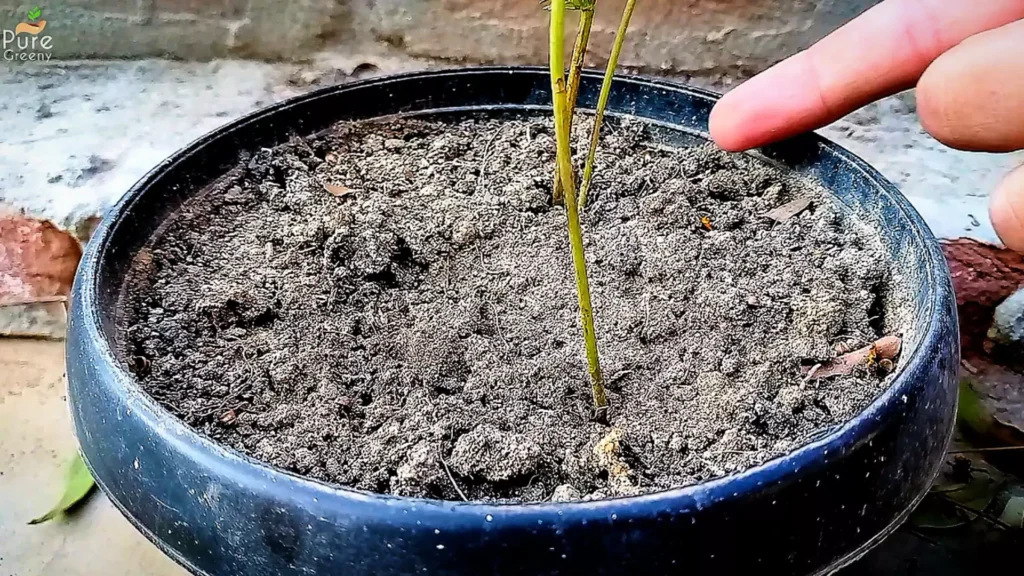
Another Key Jasmine Plant Growing Tip Is it’s Soil Media. It’s a Fundamental Part of a Plant, With an Ideal Soil Media Plant Feels Like Home & Pushes Alot of Buds & Flowers All Summers. So For Jasmine Plant, A Well Draining & Slightly Loose Soil Media With a Slightlt Acidic ph Works The Best.
In a Compact or a Water logged Mixture, you will see A Stunted Growth, Very Less Budding & Flowering, Plant may Curl Its Leaves or Show Yellowing Leaves. So Better To Keep The Soil Well Draining & Loose.
You can Add a Part of Sand or Cocepeat In 2 Parts of Your Existing Mixture if Its Compact & Water Blocking, This Will Make The Soil Just Perfect For Jasmine Plant. Timely Drying of Upper Soil Surface Is a Sign Of Well Draining Soil.
Once The Soil Is Dry., You can Also Feel The Surface To See how Hard It is. This Will Give You An Idea How Ideal Your Soil Is. To Make an Ideal Soil Media for Jasmine Plant From Scratch, You Can Follow This Guide.
3-Pot Size Matters…

Another Important Jasmine Plant Growing Tip Is The Pot Size. Jasmine Plant Grow fast As The Ideal Season Starts, & With This Growth Roots Grow Too. If The Pot is Small, The Roots Will Bound & Growth Will Stop, & that’s Why an yearly Repotting of Jasimine Plant is Important.
You can Use a Grow Bag Like This To Plant Your Jasmine, The Best Time To do The Repotting is Springs Or Rainy Days, Never Do This In Hot Sunny Summer Days. A detailed Guide On a Proper Repotting Is Linked Here. Just make Sure The Roots Are not Bounded In Your Jasmine Pot.
4-Use a Sunny Spot?

Another most Important Jasmine Plant Growing Tip is The Ideal Spot. Jasmine Plant Is a Flower Producing Plant, Obviously It need A lot Of Direct Sunlight To Grow. in a Shaded Space, Leaf growth may happen But Budding & Flowering Happens At Its Peak In a Sunny Spot.
You can Simply Place Your Jasmine Plant In a Fullyl Day of Sun, If You Dont have That Much of Sun, Make Sure The Plant Atleast Recieves 2-3 Hours of Direct Sunlight Daily. Otherwise Problems Will Happen.
In Sunlight, Plant Grow More Shoots, With Stronger Stems, More Buds & Flowers With Bigger Size & Better Colors, Pests & Insects also Stays Away From Such Plants. So Just make Sure of Alot Of Sunlight.
5-Fertilize Regularly….
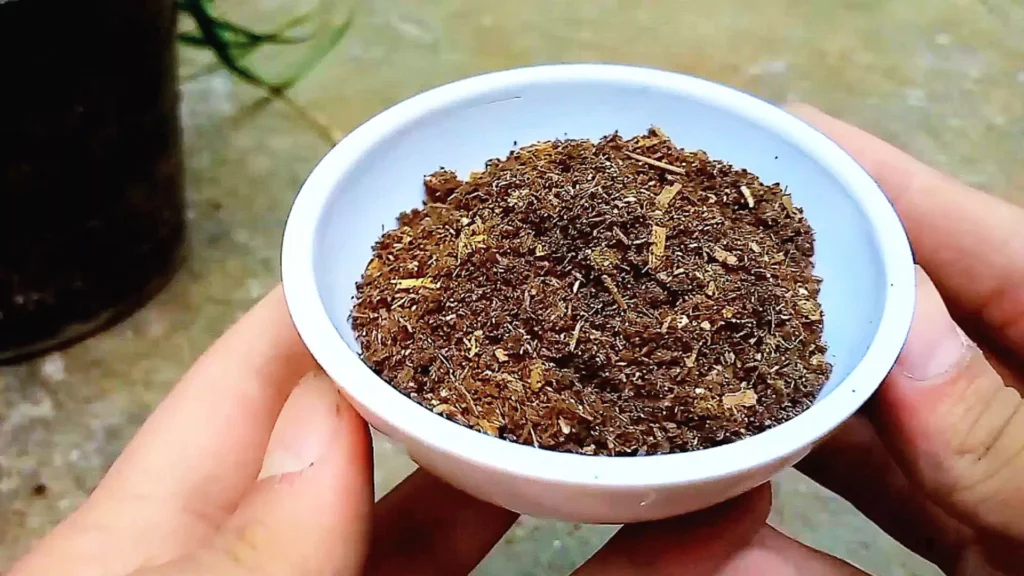
Another Important Thing in Jasmine Plant Growing Tips is Its proper fertilization. Beside Its hardiness, Its also a Heavy Feeder, Requires Alot Of Nutrients On Regular Basis. You have to use a Powerful Balanced fertilizer, Dont Worry You can make It At Home, Using Simple Kitchen base Ingredients Like Potato Peels, Compost etc.
A Detailed Guide On This Fertilizer Making & Applying Is added Here, Feel Free To Follow. This fertilizer recipe Pushes The Plant To Produce Even More Buds & Flower, Keeps All Its Nutritional Need Fullfilled. Just Use Every 2 Weeks In Its Growing Season.
6-Prune To Get Even More Flowers!

One of The Things To Get a alot of Buds & Flowers On Your Jasmine Plant is it’s Pruning. Jasmine Plant Grow Like a Vine, Specailly Mogra jasmine, Arabian Jasmine, They Likes To Be Pruned Time to Time, Otherwise They Will Stop Blooming.
So Pruning Jasmine Is also an Important Thing, Its Simply The Triming of Its Younger Shoots. I Have Described all About Pruning Jasmine In This Guide, Follow It Point By Point & get Alot Of Flowers.