What Causes Pepper Leaf curl Disease, & How to Fix It?
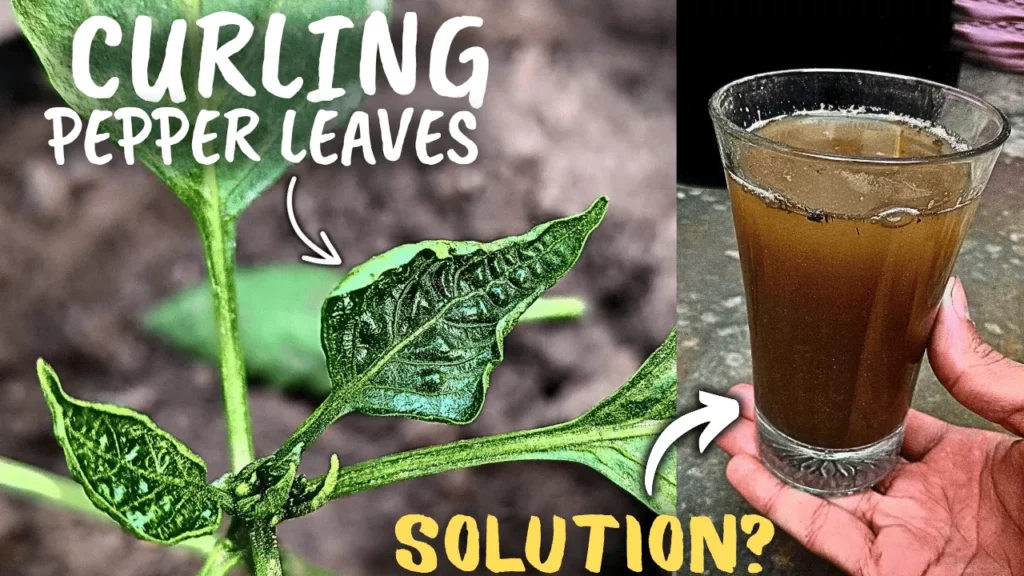
Curling leaves of pepper plants are very common. They can be caused by several factors, and in this post, we will explore the main causes of pepper leaf curl disease and their solutions. So, let’s begin.
1-Stress & Shock!
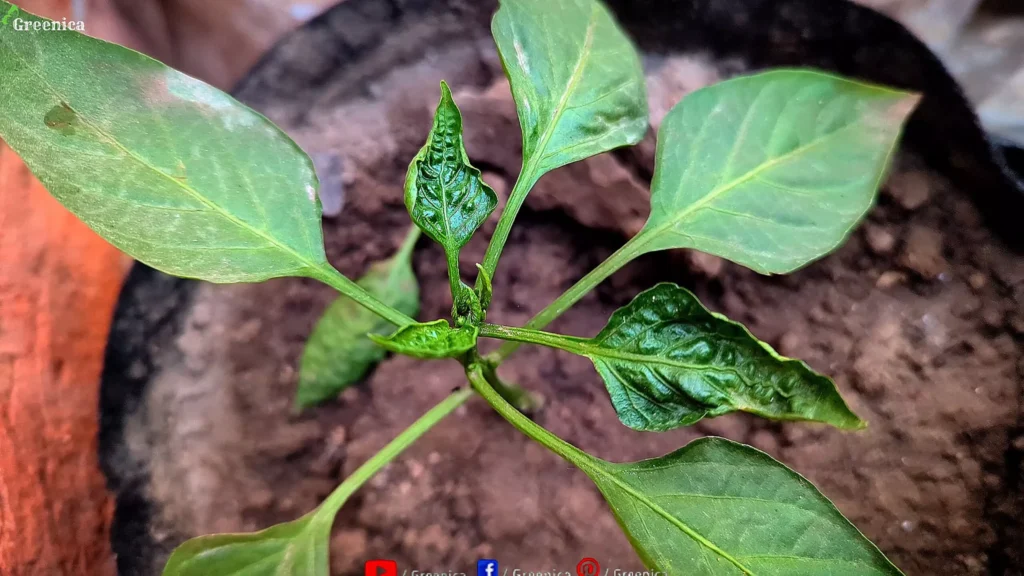
The most common cause of curling leaves in pepper plants is stress and shock. When pepper plants experience heavy stress or shock for a period of time, they start curling their leaves as a response.
This stress and shock can be due to changing seasons, transplant shock, overwatering, over-fertilization, and many other factors. Curling due to transplant shock or seasonal changes usually recovers automatically after some time.
However, if your plant is overwatered or over-fertilized, you need to make adjustments. As soon as the main cause of stress is removed, the plant will start recovering within a few days.
2-Nutritional Shortage…
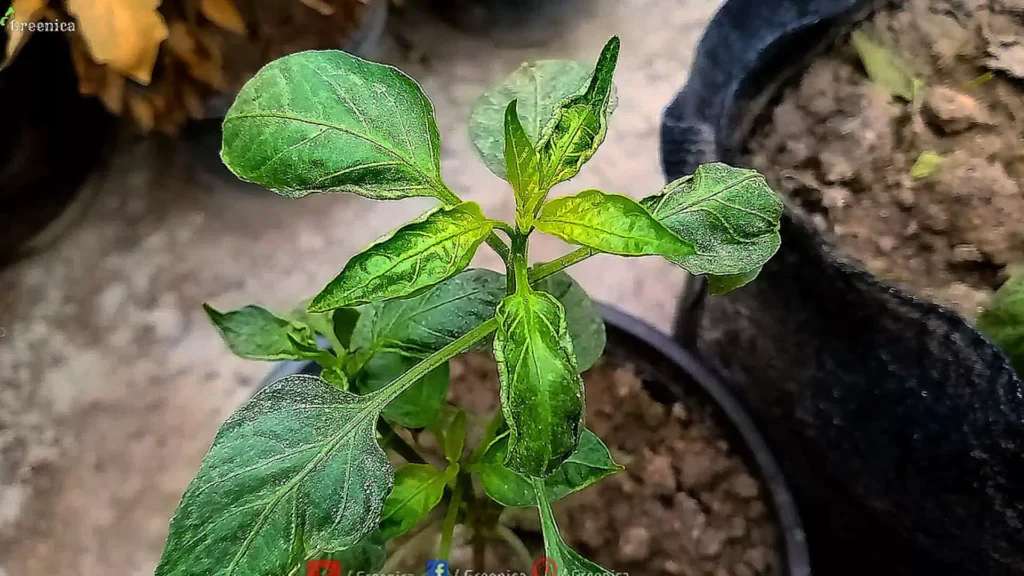
Another cause of curling leaves in pepper plants is nutrient deficiency. Pepper plants are heavy feeders and require a lot of nutrients to grow properly. When they don’t get enough nutrients, they show symptoms like leaf curling, yellowing leaves, etc.
Generally, it is difficult to pinpoint the exact deficient nutrient, but here are some indicators:
- In the case of nitrogen deficiency, you will see pale growth, with older leaves curling downward.
- Potassium deficiency causes leaves to curl from the edges, with a burnt and dry appearance.
- In calcium deficiency, new growth becomes curled and deformed, while older leaves remain unaffected.
- In magnesium deficiency, the veins remain green while the rest of the leaf turns yellow, and older leaves may curl slightly upward.
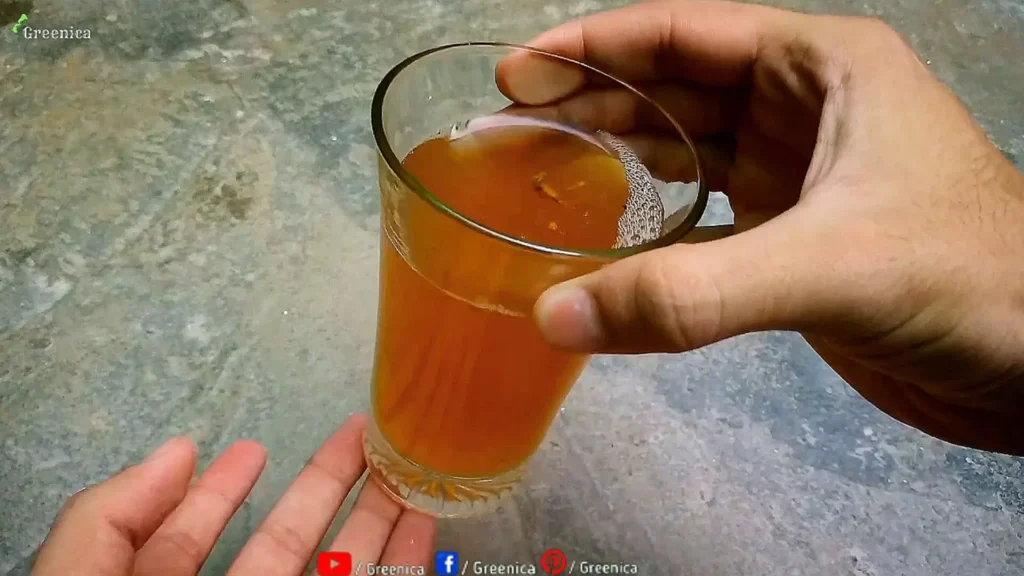
You can use compost tea liquid fertilizer to provide nutrients instantly to your pepper plants. They will start recovering within a week, and you will notice healthy, green leaves again.
If your soil already contains sufficient nutrients due to recent fertilization, but the plant still shows deficiency symptoms, the issue may be soil pH. When the soil pH is imbalanced, plants cannot absorb nutrients properly, which leads to nutrient deficiency and leaf curling.
You can use a pH meter to check the soil. If the pH is too low, apply limestone solution. If it is too high, use compost tea or organic matter to balance it.
3-Viral Attack,
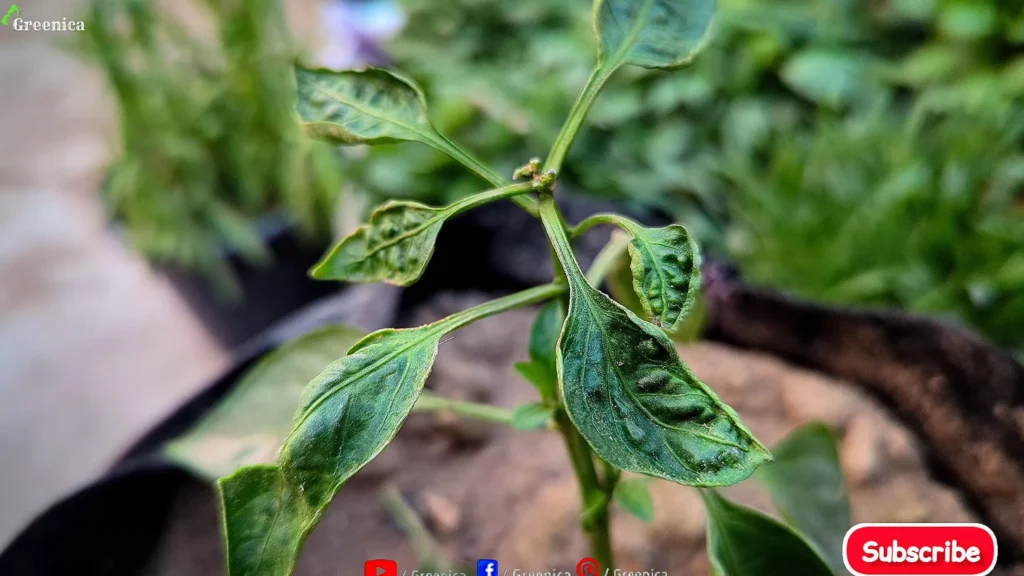
One type of leaf curling in pepper plants is caused by a virus known as leaf curl virus. This virus is transmitted by pests, mainly whiteflies. These pests carry the virus and infect plants while feeding on them.
If your plant is infected, the new growth becomes highly distorted and deformed. The leaves turn hard and brittle. The plant shows severe stunted growth and remains dwarf.
If you notice whiteflies on or under the leaves, there is a high chance of a viral infection. Unfortunately, there is no cure for leaf curl virus. You must remove and dispose of the infected plant to protect others.
If the infection is at an early stage, you can try controlling whiteflies using pesticides. Once the pest attack is controlled, the plant may fight the virus on its own. This method works best for mature plants with early-stage infection.
A guide on making neem oil spray at home is also added Here. You can follow that. Pest attacks in pepper plants are very common.
You can use neem oil spray on a time to time basis but for an effective and long lasting solution over your whole vegetable garden, I recommend using certain tricks along with neem oil, you can Buy this short Amazon guide. It contains all the methods you need to get control over pest forever.
4-Unideal Soil Media,

Pepper plants may also develop curling leaves due to compact and hard soil. Soil quality plays a crucial role in plant growth. A loose, fertile soil mix allows roots to grow properly, resulting in healthy plants.
On the other hand, compact soil restricts root growth, causing stress, which leads to abnormal leaf curling. You may also notice stunted growth and pale leaves. If not corrected, the plant may eventually die.
It is easy to prepare a good soil mix. I use this Soil it’s made at home by using cocopeat compost, simple garden, soil, etc.
In the recent years, I grew turnips beet Roots, tomatoes, pepper, plants, cauliflower plants in this mixture very successfully. So it’s a tested soil media. You can find the Guide Here.
5-Pest Problem?
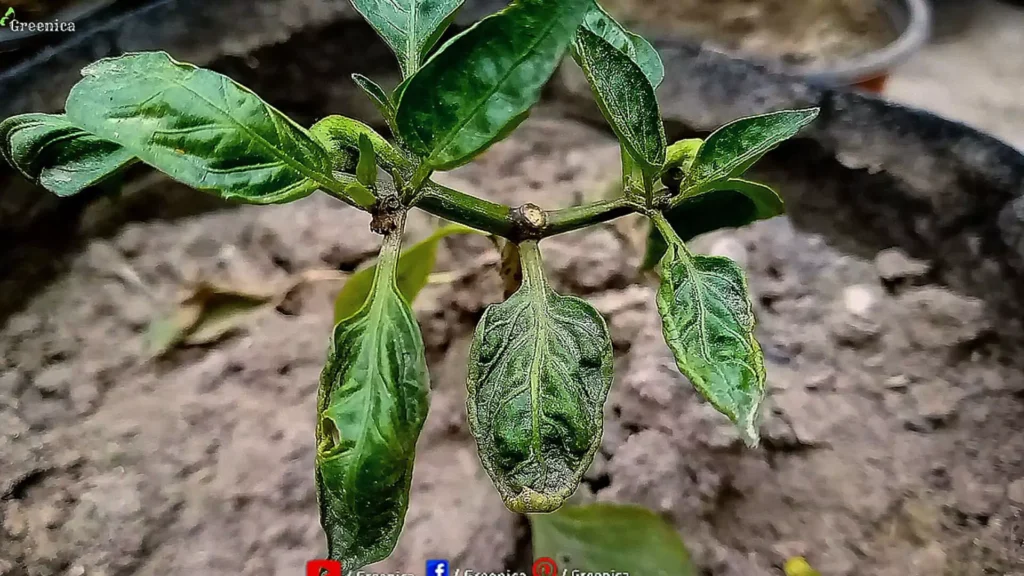
Another reason for leaf curling is pest attack. Even if the pests are not whiteflies, they can still damage the plant. Some pests suck sap from the plant, which contains essential nutrients. When this sap is removed, the plant becomes weak and nutrient-deficient.
If you notice any pest attack, immediately isolate the plant and apply neem oil spray every alternate day. Once the pest problem is resolved, use a good fertilizer to restore nutrients.
You should be alert when you see a pastor tag on your pepper plants, that is why I recommended this short guide, it’s best for beginners.
As soon as you see any kind of past attack on your pepper plants immediately separate them and use neemal spray every alternate day. As soon as pest attack is over. Use some kind of a good fertilizer to restore the nutrients.
How I Cured My Pepper Leaf Curl?
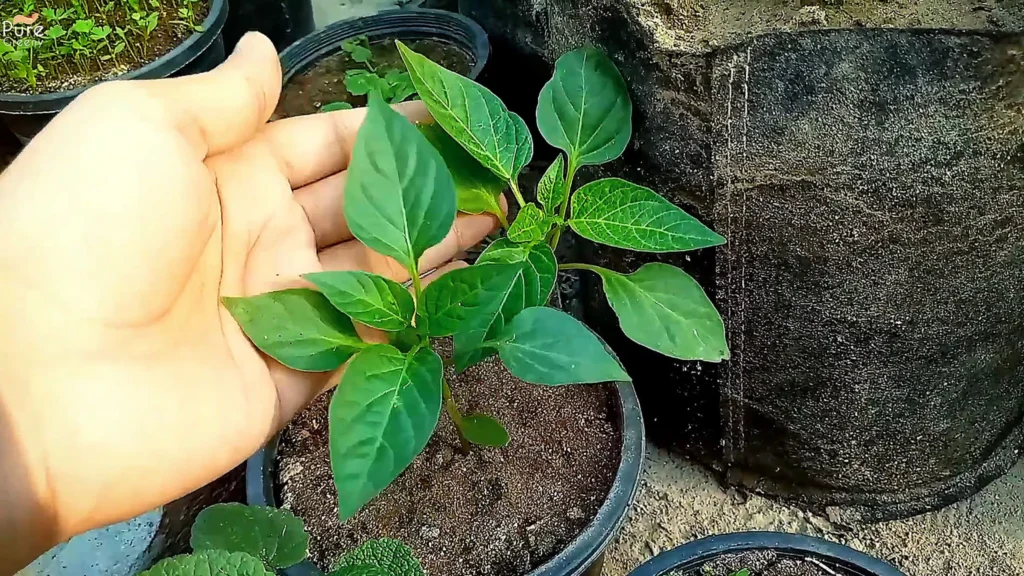
Now, let me share a short story about how I cured my infected plant. I grew the plants from seeds, and they sprouted well, producing healthy leaves. After transplanting, they went into shock. Initially, I was not concerned, as it seemed temporary.
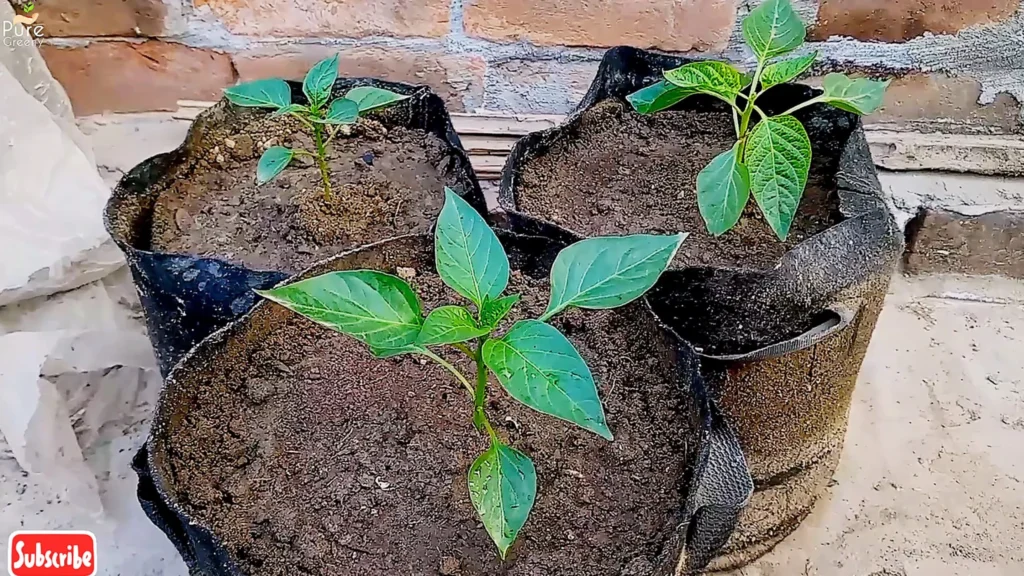
However, the leaves started curling, and one plant even died. I also noticed pale and abnormal leaves, which indicated nutrient deficiency. But my soil was fine, and I was not overwatering. I was also using organic fertilizers only.
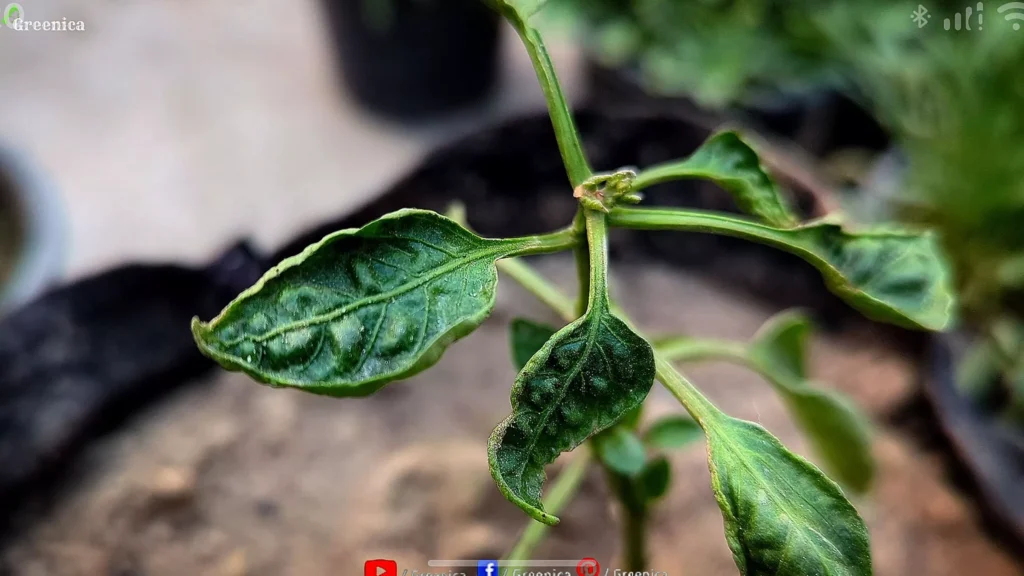
After observing carefully, I realized that the weather in my area was changing rapidly. I live in a moderate climate region where winters are cool and summers are very harsh. As midwinter approached, all my plants entered dormancy.
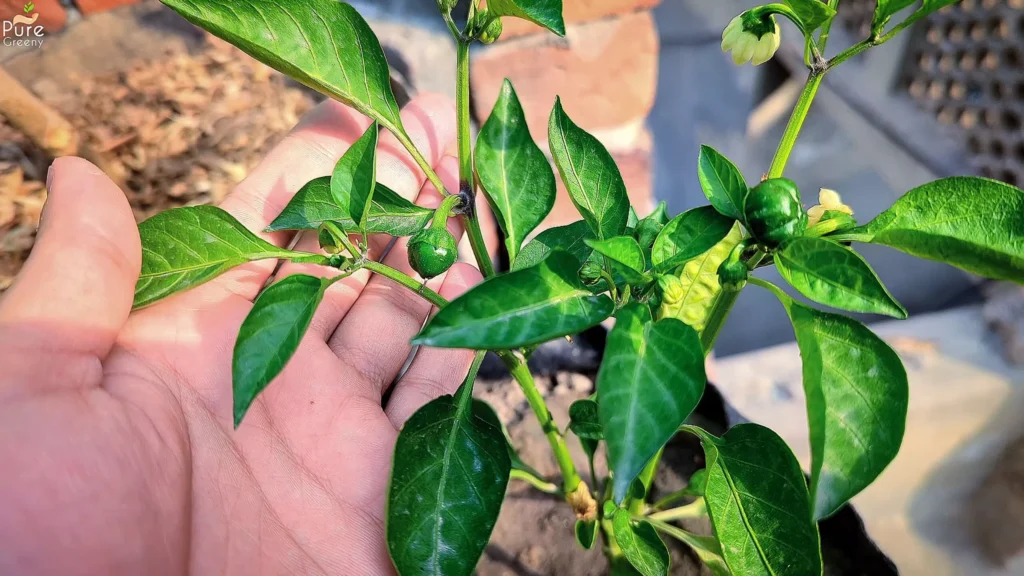
The solution was simple: I waited for spring. As soon as spring arrived, the plants started producing new leaves, followed by buds and flowers. The plants remained smaller due to prolonged stress, but they still produced fruits.
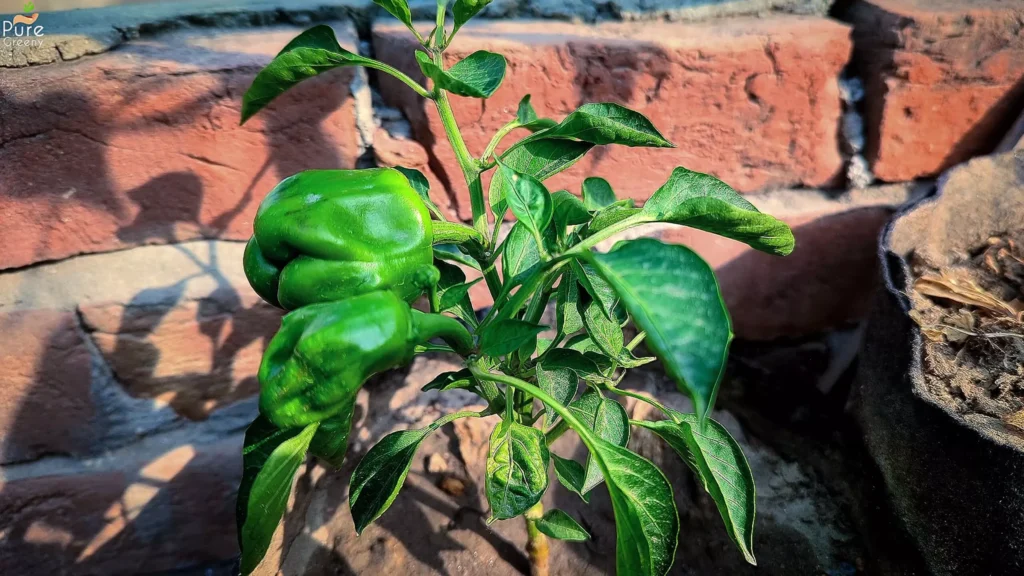
The lesson is simple: learn from your mistakes. It is natural to make errors in gardening. Be patient and keep learning every day.
As mentioned earlier, pepper plants are heavy feeders and require a balanced supply of nutrients. You need a strong and effective fertilizer for the best results. After several trials, I formulated an organic fertilizer for my vegetable plants. It has worked well for turnips, radishes, cauliflower, tomatoes, lettuce, and more.
If you want to learn the recipe, you can Follow a Guide linked Here. It is a complete fertilizer solution for your vegetable plants.