6 Hibiscus Plant Growing Tips that Nobody tells you!
If your hibiscus plant is not growing well, you are definitely missing 1-2 key points. In this video, we’ll go through 6 Secret hibiscus growing tips. Work on these, and you’ll see better growth and more flowering on your plant. So let’s begin.
1-Positioning Into The Season
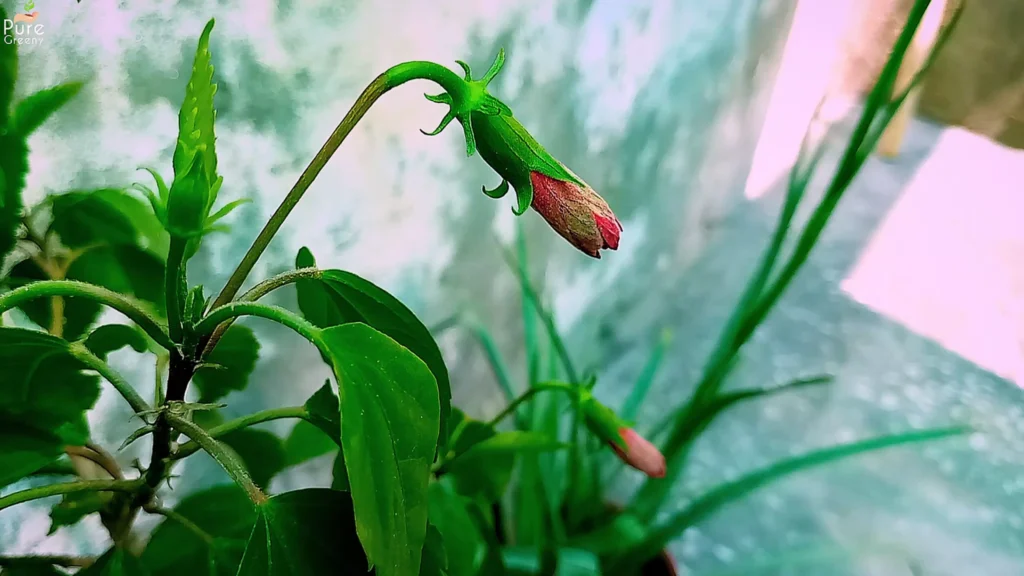
The most important factor for fast hibiscus growth is the right season. Beginners often make this mistake—they try to grow hibiscus when the season is not suitable, and the plant struggles. This single mistake can stop growth completely.
Hibiscus is a tropical plant. It naturally prefers warm and slightly humid conditions, and it does not tolerate cold weather well. If you want healthy growth and fully blooming flowers, you need to fix this first.
Start growing your hibiscus as soon as spring begins. In warm weather, the plant grows faster and healthier. You’ll notice new leaves, buds, and flowers appearing regularly.
I live in a Moderate climate region with some Rains in Summers, & hibiscus performs much better in such areas.
If you live in a similar area, plant it in early spring and let it grow through the warm months. Avoid growing or expecting growth in winter—it simply won’t grow, and that’s where most beginners go wrong.
If you live in a colder region, protect your plant as soon as winter starts. Otherwise, it can get damaged or even die, especially young or potted plants.
You can move your hibiscus indoors or place it under the shade of larger plants or a covered area. This helps protect it from frost and keeps it safe during harsh weather.
2-Preparing The Right Soil
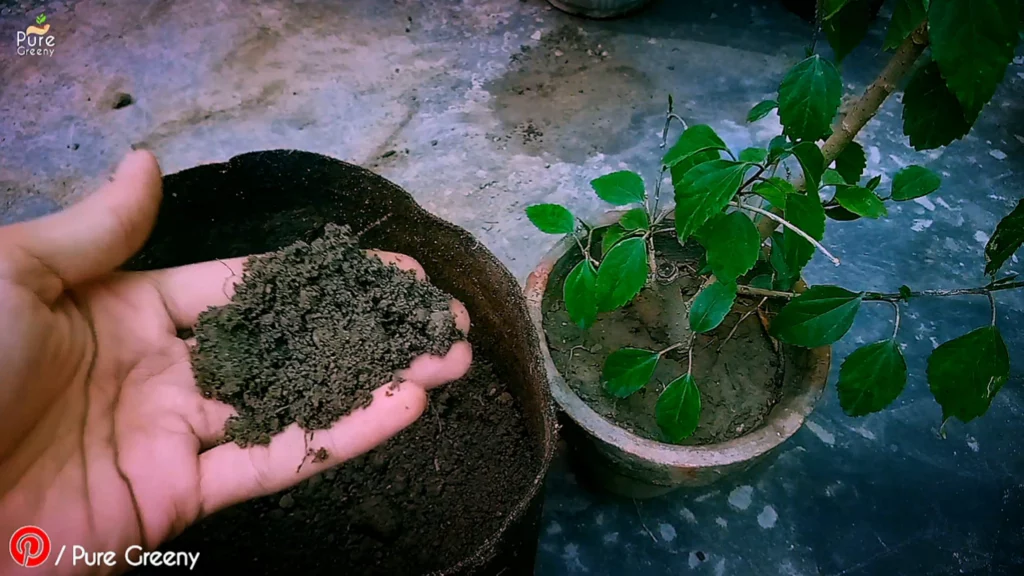
Now let’s talk about soil, which is another key factor for fast growth.
If your soil is not right, your plant will struggle no matter what you do. I made this mistake in the beginning—I used a clay-heavy, compact mix. The plant grew very slowly and produced only a few flowers in the entire season.
After testing different mixes, I realized hibiscus needs a loose, well-draining soil. A slightly sandy mix works very well. If the soil is too hard or holds too much water, roots don’t develop properly.
A light, airy mix allows roots to spread easily, which directly increases growth and flowering. If your soil also has a slightly acidic nature, it can boost root activity even more. you can do this by the use of this fertilizer, but more on fertilizer later.
You can easily prepare such a mix at home using simple ingredients. I’ve already shared a full soil recipe Here, you can follow that for best results.
3-Pruning or No Pruning?
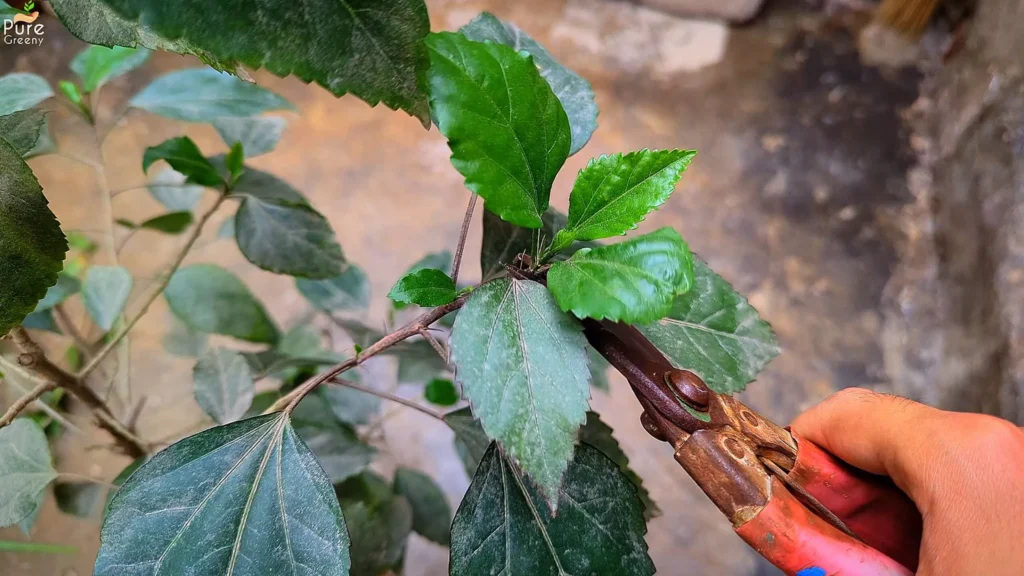
Another important factor is pruning—but more important than pruning itself is when you do it.
Many people prune their hibiscus but don’t see results, or sometimes the plant even stops growing. The reason is wrong timing.
Never prune when the plant is dormant or stressed. Always prune when the plant is actively growing.
Here’s a simple way to check: If you see fresh shoots and new leaves coming out, your plant is in active growth mode. That’s the perfect time to prune.
Use a clean and sharp cutter. You can clean it with something like hydrogen peroxide. Then trim the long, leggy branches. This helps the plant become bushier and produce more flowers.
After pruning, always fertilize the plant. This supports faster recovery and stronger new growth.
4-Watering The Right Way

Now comes the step where most mistakes happen—watering.
Overwatering is one of the biggest reasons hibiscus plants stop growing. When soil stays too wet, roots don’t get enough air, and the plant goes into stress. You’ll often see yellow leaves as a result.
I used to overwater my plant as well, and yellow leaves kept appearing. But once I followed this simple rule, the problem almost disappeared.
The rule is: water only when the soil starts to dry.
You can check this by inserting your finger into the soil. If it feels moist, wait. If it feels dry, then water properly.
In larger pots, the bottom soil stays moist for longer, so you don’t need frequent watering. It’s a very simple rule, but if you follow it properly, you can avoid most watering problems.
5-The Fertilizer I Use
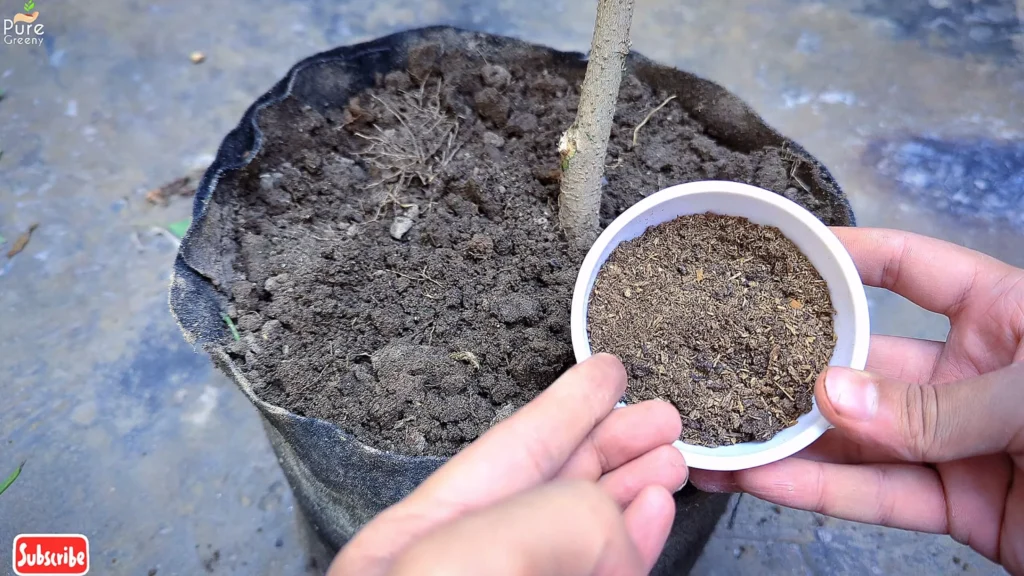
Now let’s talk about fertilization, where you can really boost growth and flowering. If your plant is growing slowly, this is the area you should focus on. A good fertilizer increases growth, which leads to more buds and flowers.
I use a homemade organic fertilizer made from simple ingredients like cow dung, compost, and a few others. I mainly use it when the plant is in its active growing and flowering stage. It not only supports flowering but also improves its quality and quantity.
One common mistake beginners make is using random fertilizers without understanding the plant’s needs. Hibiscus is a heavy feeder—it needs proper nutrition.
At first, I tried compost tea, but it wasn’t enough on its own. After that, I adjusted the mix and got much better results.
You can apply a good organic fertilizer once a month during the growing season, preferably in the evening. A detailed Guide on this fertilizer is also given Here.
6-& Sunlight Is The Key
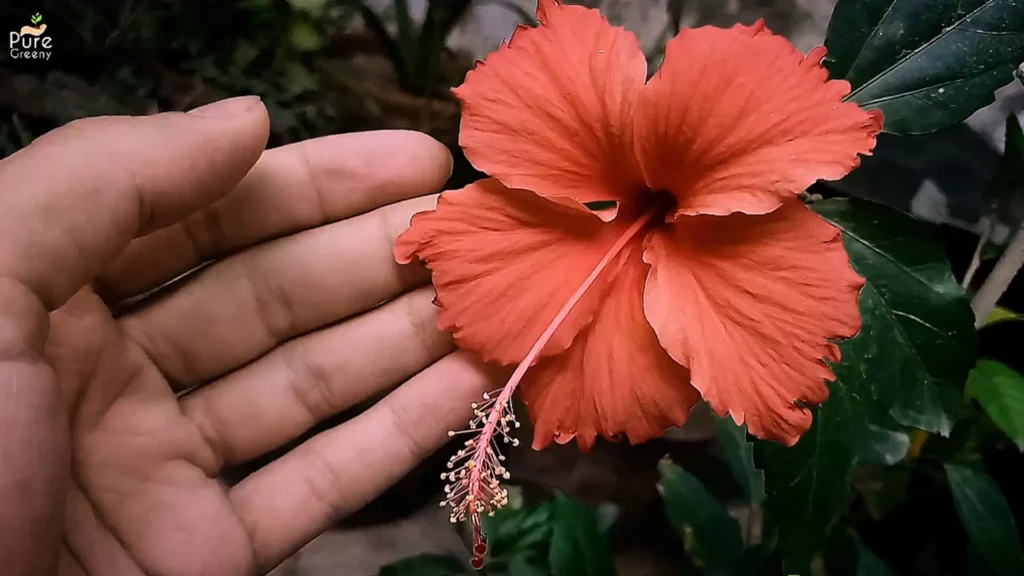
Finally, sunlight—this is what completes everything. Even if you do everything right, without proper sunlight, your hibiscus won’t perform well.
Hibiscus needs at least 2 to 4 hours of direct sunlight daily. More sunlight generally means better growth and more flowers.
If you keep it in a low-light or dark spot, growth will slow down, leaves may turn yellow, and in some cases, the plant can even decline completely.
So always place your hibiscus in a bright, sunny location for the best results.