5 Reasons Why is Your Hibiscus Plant Not Flowering? (& THE CURE)
If your Hibiscus plant is not flowering, it’s usually not the plant—it’s how you care for it. Most beginners ignore a few simple but important details, and that stops growth and flowering. In this Post, I’ll show you exactly why your Hibiscus plant is not flowering and how to fix it step by step. So let’s begin.
1-Proper Season?
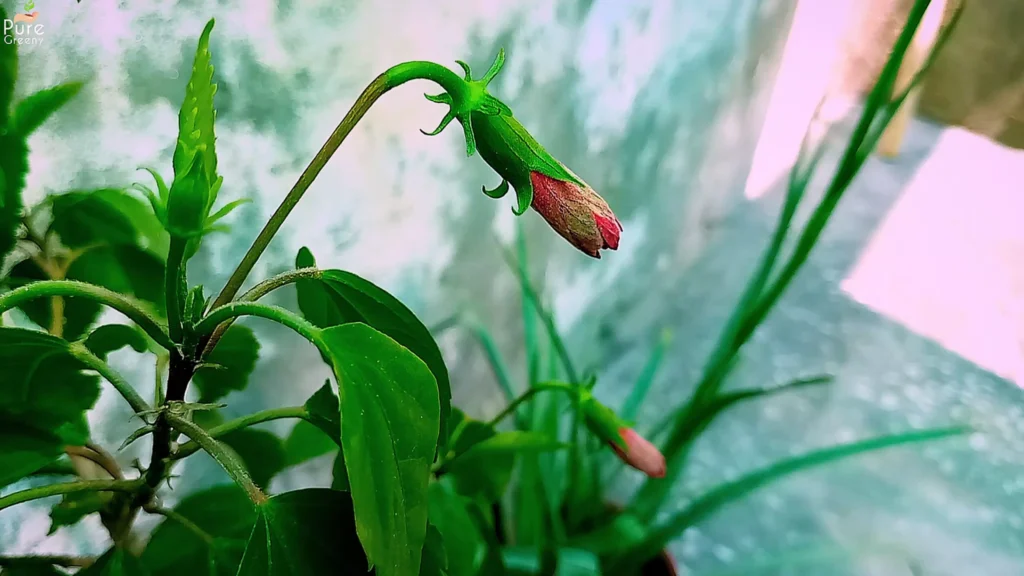
The first and most common cause of this problem is the season. This simple mistake alone can stop the plant’s growth completely. Most people don’t realize this, but once you understand it, getting healthy growth and flowering becomes much easier.
Hibiscus is a tropical plant. It likes a warm and humid environment and naturally grows very actively during summers and monsoon months.
Many people think of it as a four-season plant, but that’s not completely true. During winters, the plant usually goes into dormancy. Growth slows down, leaves may turn yellow, and sometimes they even fall off.
When I started growing Hibiscus a few years back, I made the exact same mistake. I remember checking my hibiscus plant every day for flowers, but nothing was happening because the season itself was wrong. I expected growth throughout the year.
After several failed attempts, I realized the plant performs best in spring and summer. As soon as the weather becomes slightly warm, it starts producing new shoots and prepares for flowering.
So you might be making the same mistake. Try growing your Hibiscus plant during the warmer months, not in winters.
2-Soil’s Right?
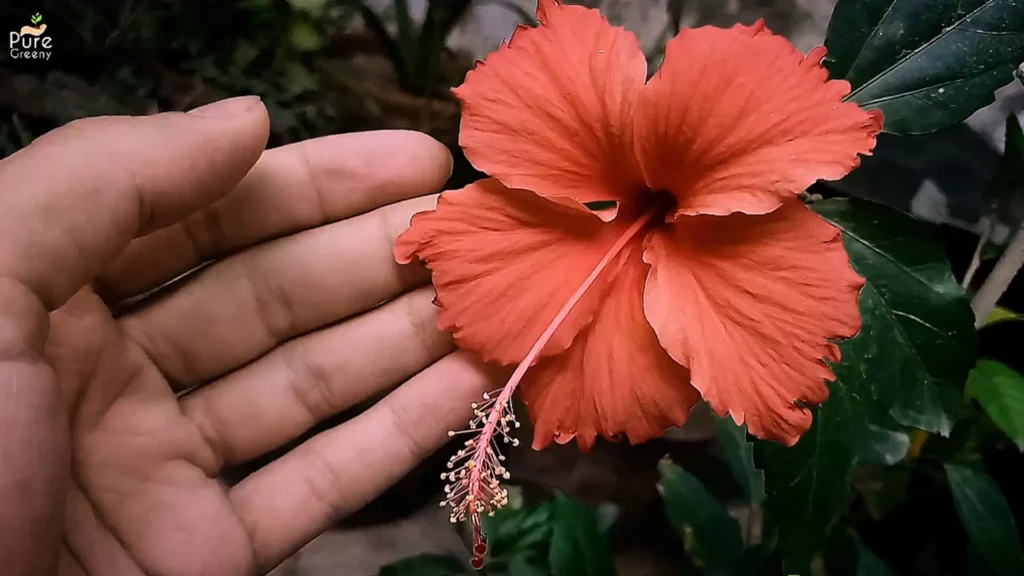
Another key detail most beginners miss is the soil media. Soil is indeed the foundation of plant growth, but Hibiscus needs a little extra attention here because poor soil can even damage the plant badly. Slow growth, fewer flowers, yellow leaves, and watering issues are all linked to this same problem.
One of the hardest things while growing Hibiscus in pots is proper watering, and a good soil mix solves a huge part of that issue automatically. If you can provide a loose and well-draining mixture, you’ll be surprised how fast the plant grows and flowers.
In such soil, feeder roots develop much faster, helping the plant absorb more nutrients and moisture efficiently. And when this kind of soil is combined with the fertilizer I’ll show later, the growth becomes even faster.
Hibiscus likes a soft, fertile, and well-draining mixture. Many people use random mixes that hold too much water, and you might be making the same mistake too.
But nothing to worry about—I prepared an ideal homemade soil mix for Hibiscus using simple ingredients. A full guide on this soil recipe is added Here, and you can follow it easily.
3-Root Bounded?

Another very common reason behind poor flowering is root bounding. When we grow Hibiscus in pots, this is easy to miss. Hibiscus is a very fast-growing plant. As soon as the season becomes ideal, you’ll notice rapid growth above the soil—but the roots below the soil are growing just as quickly.
Here’s a simple way to check if your plant is root bounded. First, look under the drainage holes for roots. You can also dig a little into the soil near the edge of the pot. If you see a thick web of roots, your plant most likely needs a bigger pot.
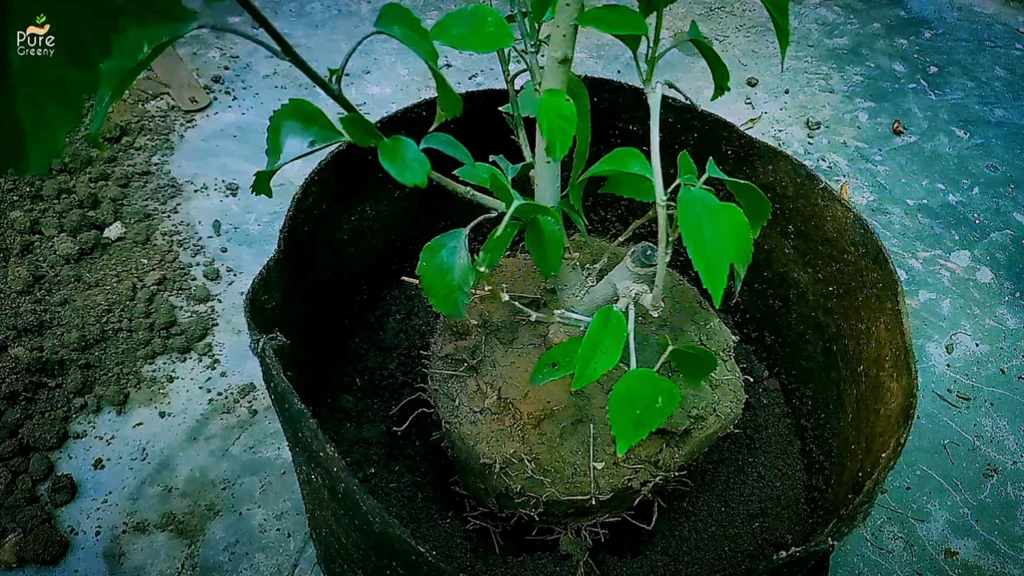
Last year, my Hibiscus suddenly slowed down despite good care. I checked the pot and found a complete web of roots inside. I shifted it into a grow bag, and after a short recovery period, the plant burst into new growth and flowers again.
Grow bags are very useful because they are lightweight and available in different sizes. I’ve also added a few good ones Here.
4-Where Is It Placed?

One of the simplest mistakes people make while growing Hibiscus is its placement. It may seem unimportant where you keep the plant, but believe me, the right location makes a huge difference in flowering.
Plants naturally grow toward sunlight, and proper light encourages flowering. But here’s one important thing most people don’t understand: Hibiscus loves light, but extreme direct sunlight all day is not always ideal.
I made the same mistake myself. I placed my Hibiscus in harsh direct sunlight and didn’t get healthy growth. At first, I thought more sunlight would automatically mean more flowers, but I was completely wrong.
Later, I realized Hibiscus naturally grows in rainforest-like regions where it receives filtered or partial sunlight under bigger trees. That’s why it performs extremely well in a semi-shaded spot with a few hours of sunlight instead of intense full-day exposure.
In deep shade, flowering becomes very poor, while harsh sunlight can stress the plant. So the ideal spot is partial sun with good brightness throughout the day.
5-The Fertilizer I Use!
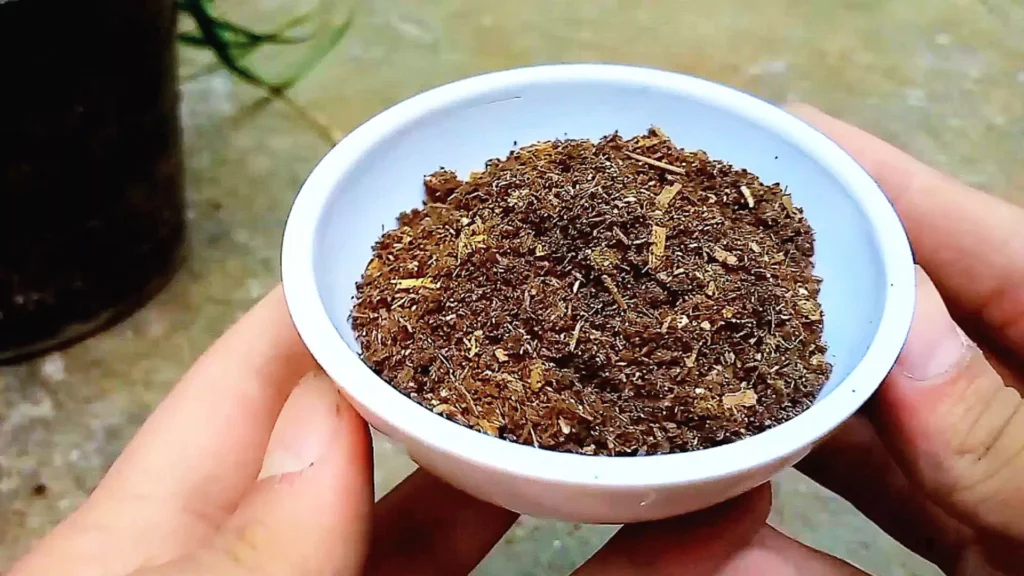
Now let’s talk about fertilization, because this is another major reason why Hibiscus plants fail to flower properly. Hibiscus is a heavy feeder. It needs regular nutrition to continuously produce buds and flowers. When nutrients become limited, growth slows down automatically and flowering reduces as well.
A good fertilizer not only improves flowering but also strengthens the plant, promotes branching, and supports healthy growth. In the beginning, I had no idea which fertilizer worked best for Hibiscus.
I tried everything from compost tea to cow dung. After several tests, I finally settled on a homemade fertilizer made from similar organic ingredients. It worked much more consistently for me.
This fertilizer acts like a complete plant food. You can use it regularly during the growing season. But one important thing to remember is this: fertilize only when your plant is actively growing. If the plant is under dormancy or stress, even the best fertilizer won’t show good results.
When the plant is actively growing, you’ll notice the difference much faster. For making this fertilizer at home, you can follow the recipe Guide is added Here.