Haworthia plant Care Tips, That nobody Tells you!
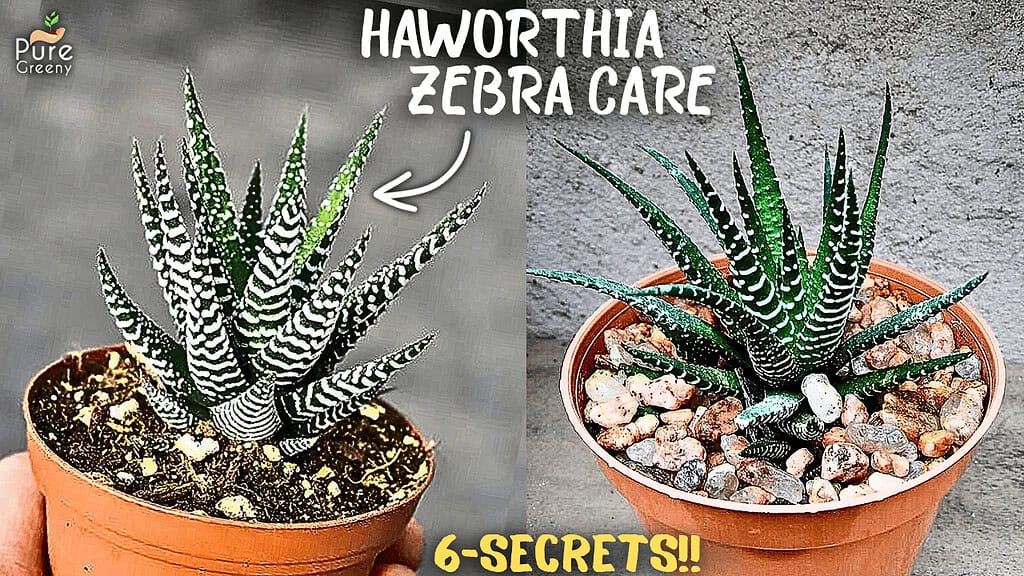
If Your haworthia plant is not growing well, It’s usually not the plant, but the care method. most beginners get the watering & Season Wrong & This Stops Growth Completely and in this guide I will Show You exactly How to Fix it. So let’s begin.
1-Positioning Into Right Season!
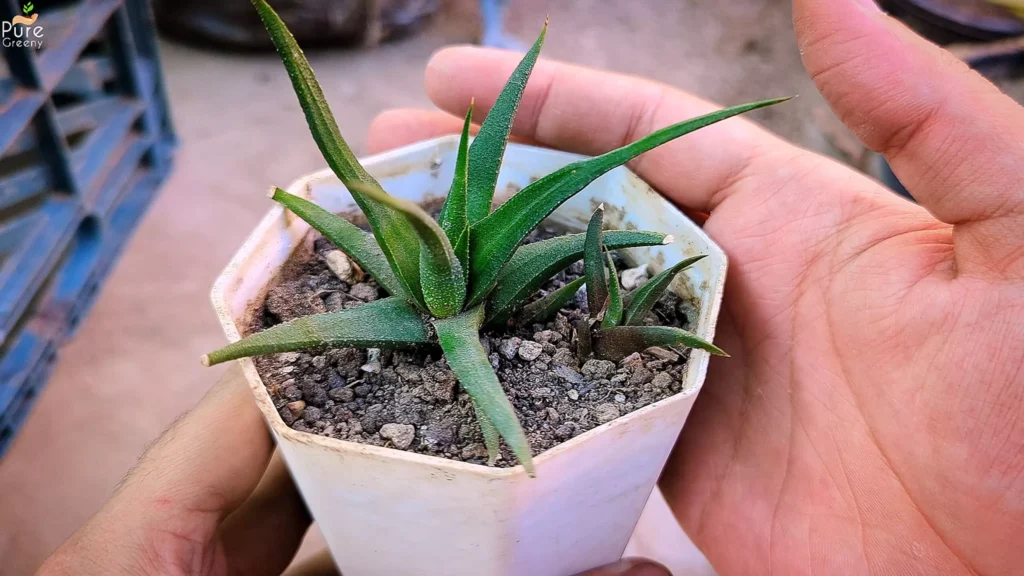
The most important thing that beginners get wrong is the growing season of the Haworthia plant. And if you fix this one thing, you will see a lot more growth, more baby pups, healthier leaves, and an overall stronger plant.
Haworthia is a long-living succulent native to South Africa. It prefers a moderate temperature range, not too hot and not too cold. The ideal temperature is around 15°C to 30°C.
Within this range, you’ll notice active growth, the plant getting bigger, and producing new baby pups.
It is a beginner-friendly indoor succulent. Its growing season usually starts in spring and continues through summer. In winter, the plant goes into a resting phase, and growth slows down significantly.
Now, if you live in a moderate climate like mine, where summers can get extremely hot (above 45°C), you may notice something slightly different. The plant grows actively during spring and early summer, but takes a small break during peak summer heat.
In winter, growth becomes very slow, and many beginners panic. But this is completely normal. Winter is its resting period, so there’s no need to worry.
If you live in a similar hot region, grow your Haworthia during spring and summer, but protect it during extreme heat by keeping it indoors or in a shaded area.
In colder regions, where winters are harsh, never leave your Haworthia outside. As winter begins, move the plant indoors to a dry and protected spot, otherwise it may not survive the cold.
2-Haworthia Plant Propagation Methods!
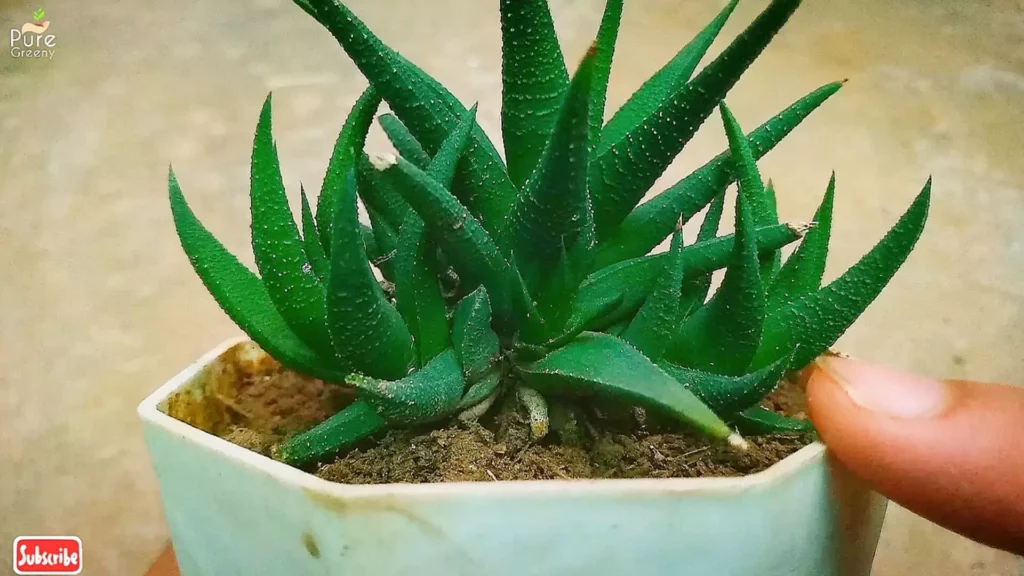
Now let me show you how to propagate a Haworthia plant that is already growing well.
During the active growing season, you’ll notice the plant producing baby plants (pups) from the base. As these pups grow bigger, they become individual plants that you can easily separate and grow on their own.
And the best part is, propagating Haworthia is very easy, even for beginners. Just follow this simple method.
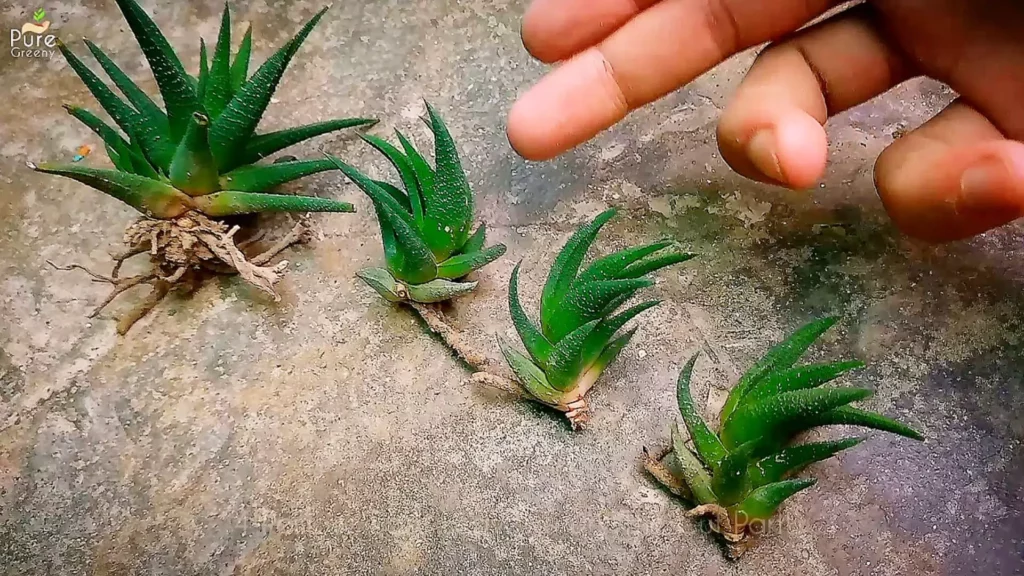
First, gently remove the plant from its pot. Then carefully separate the baby plants from the mother plant without damaging them. Now these are the baby plants we got from our mother plant.
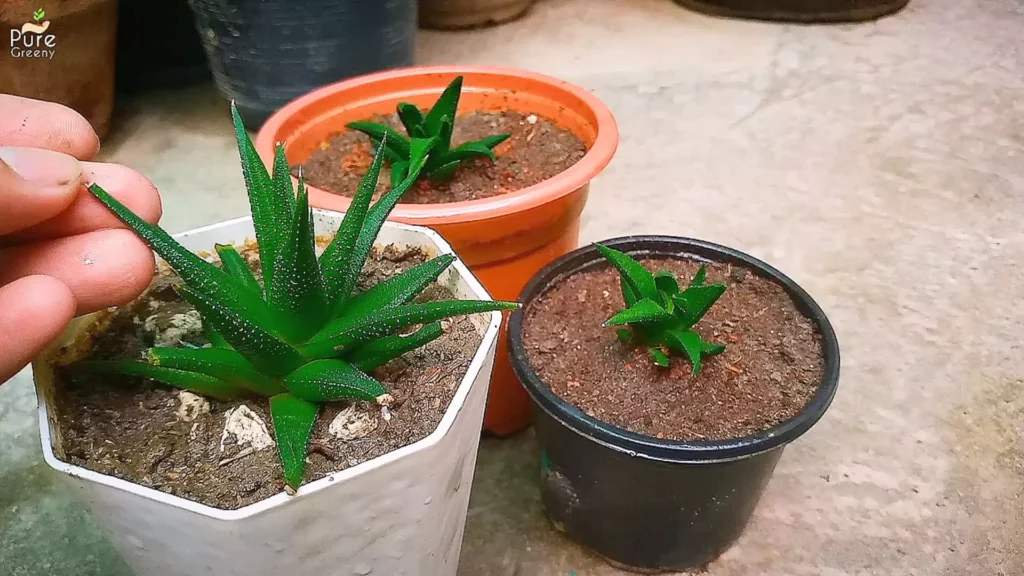
Planting them in a well-draining succulent mix will give you faster recovery and better growth. I personally use my own homemade succulent mix, and it works amazingly well — I’ll explain that in detail later.
For now, plant each pup in an individual pot and water them lightly. Since succulents have a small and delicate root system, avoid heavy watering at this stage.
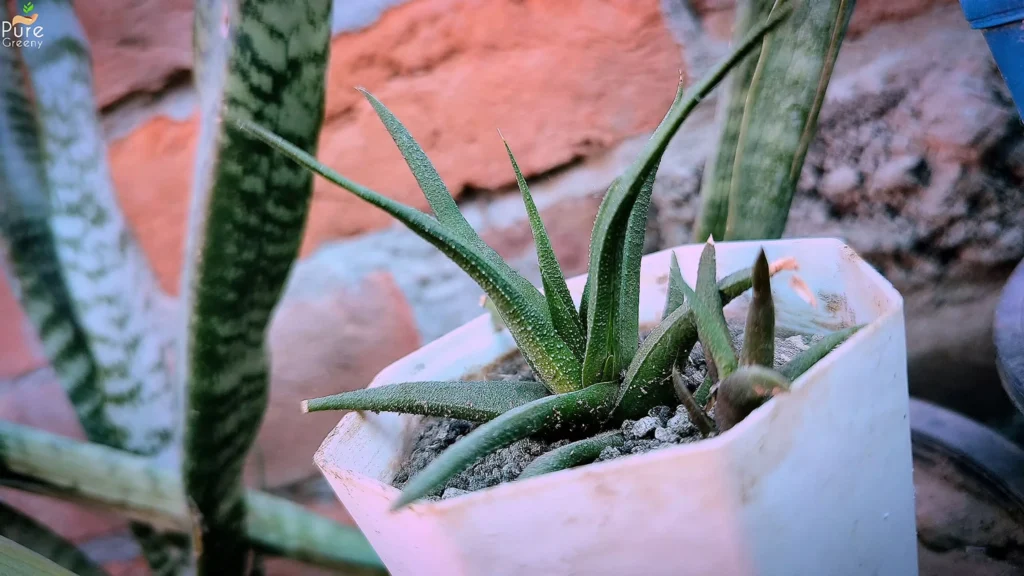
And don’t worry if some pups don’t have roots yet. They will develop roots naturally as they settle into the new soil.
Finally, place the mother plant back into a slightly bigger pot with the same soil mix.
And that’s it — this is how you can easily propagate Haworthia plants at home.
3-Finding The Correct Spot!
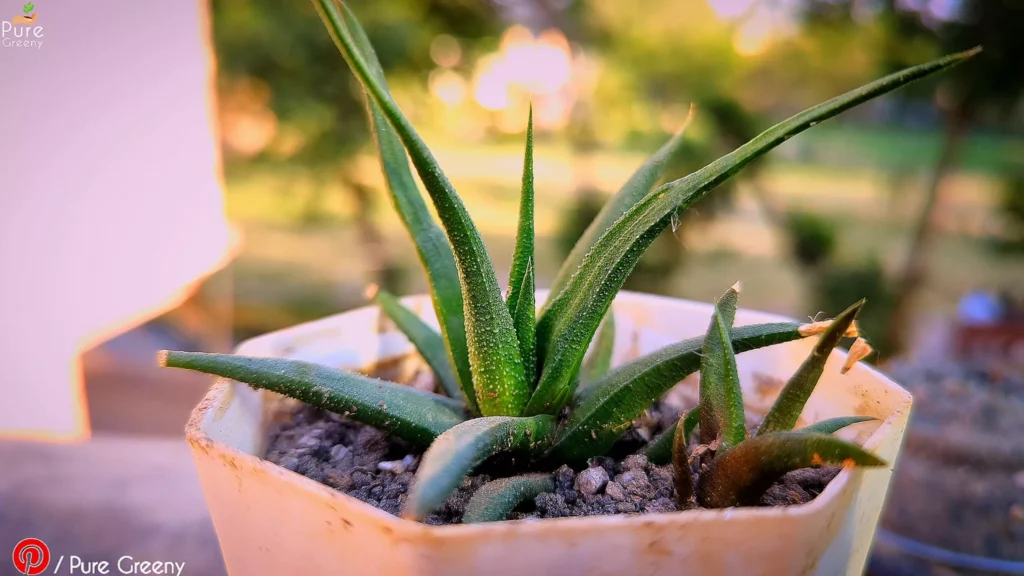
One thing where people struggle the most is finding the ideal spot for a Haworthia plant.
It’s a hardy succulent that likes a dry and warm environment, but not how you think. One of the most common mistakes beginners make is placing the Haworthia pot in direct sunlight where the harsh sun keeps hitting the plant.
I still remember when I started growing this beautiful succulent a few years back, and I made the exact same mistake. I placed it in a sunny spot, the growth stopped almost completely, and the leaves started turning red like this.
But over the years, I finally discovered the best spot for Haworthia plants, and now mine grow really well.
Before I tell you the exact spot, there’s one important thing you should understand. Haworthia is a succulent, and succulents naturally grow slowly. So don’t expect extremely fast growth overnight. A better expectation is steady and healthy growth over time.
Now here’s the ideal spot that most people — even many nurserymen — never properly tell you.
The best place for a Haworthia plant is actually a bright shaded spot. In a shaded, low-light area, Haworthia grows surprisingly well. You’ll notice thicker, healthier, and more fleshy leaves developing over time.
Haworthia also loves bright indirect light — not harsh direct sun, but not a dark corner either. A bright, well-lit shaded area is the most ideal location for a Haworthia plant.
Simply place it there, keep the care routine right, and enjoy healthy growth.
4-Succulents Mix vs Common Mix?
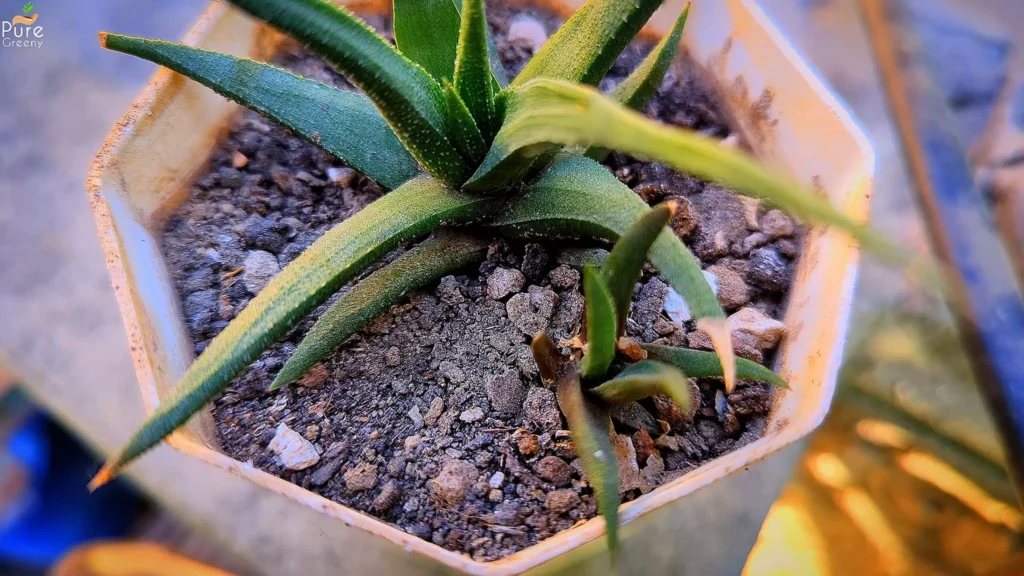
Now let’s talk about the soil mix I use for my Haworthia plants.
Haworthia is a succulent that absolutely hates overwatering, and this is another area where most people make mistakes.
Yes, we all know succulents don’t like excess moisture in the soil, but somehow we still end up overwatering them.
The reason is simple. Succulents already store a lot of moisture inside their leaves, so their soil should never stay wet for too long. We need a well-draining, slightly sandy soil mix that dries out properly.
Using the right succulent mix can solve a huge portion of overwatering problems.
I personally prepared this mix myself using simple ingredients, and it has worked amazingly well for my plants. You can find the full guide for making this succulent soil mix Is Linked Here.
And here’s one pro tip that helps even more:
Add a good layer of pebbles or small stones at the bottom of the pot. This improves drainage further and helps prevent water from sitting around the roots.
5-How to Water Haworthia Plant Correctly?
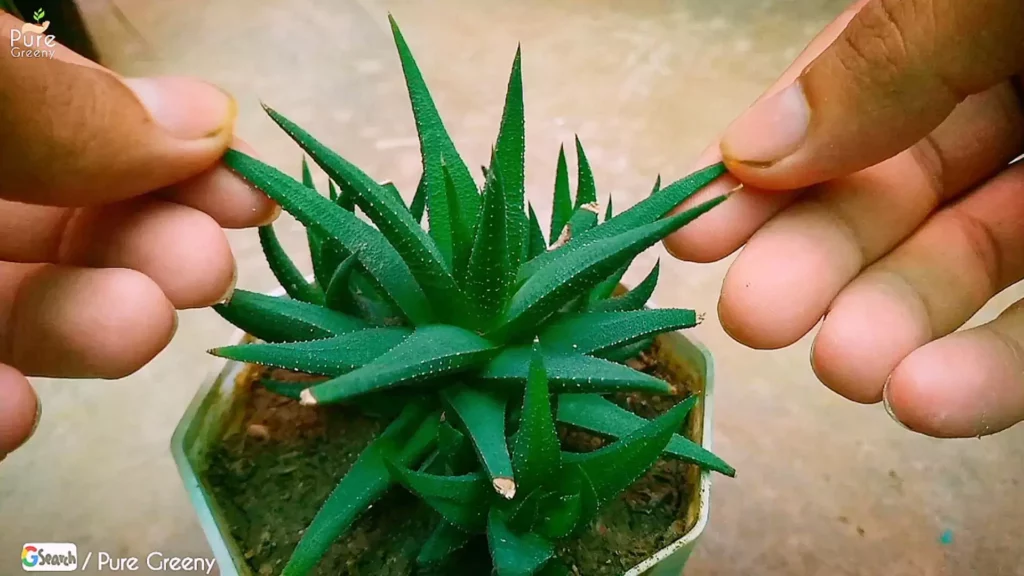
One of the most important things in Haworthia plant care is the correct watering technique, Proper watering of succulents is actually one of the most difficult tasks, especially for beginners.
But once you understand this simple method, I’m sure you won’t struggle with overwatering again.
First, let me show you a small experiment I did. I had two pots of Haworthia plants placed in the same spot. I used the same soil media and gave them the same care, except for watering.
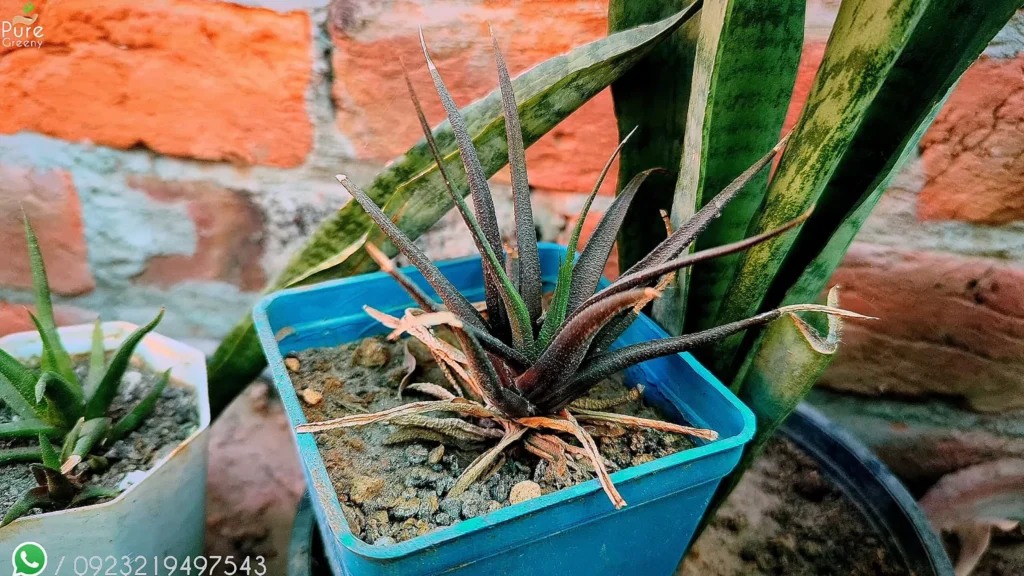
This plant was watered only once a month. Over time, the growth became uneven and inconsistent. The plant went into stress, and the leaves even started turning slightly reddish due to long periods of underwatering.
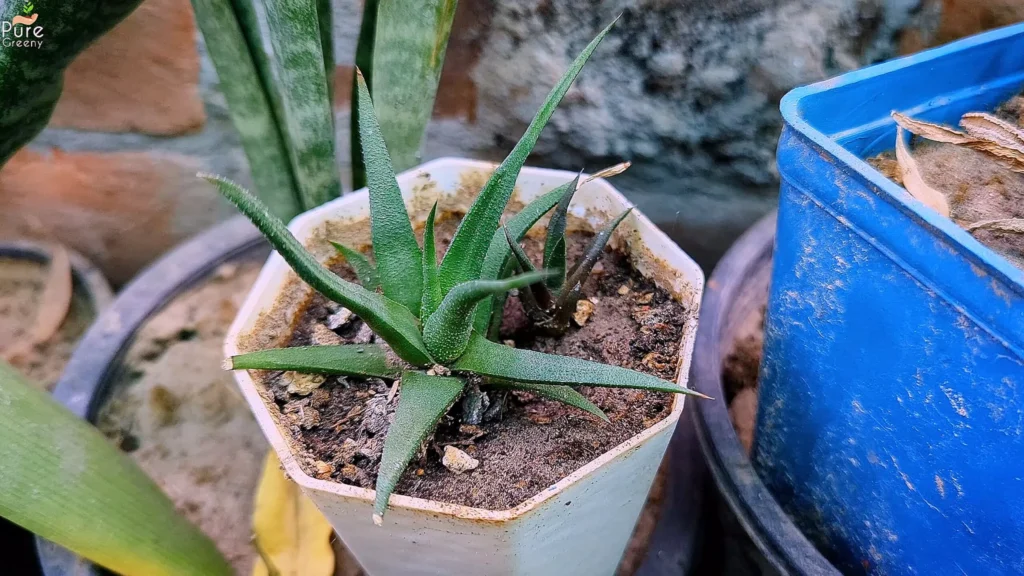
On the other hand, the plant in the white pot was watered using my simple technique — and the results are very clear.
I didn’t follow a fixed schedule. Instead, I simply checked the soil. Whenever I noticed the top layer was dry, I added a small amount of water — just enough to lightly moisten the soil, not soak it.
This method works so well because it prevents excess water from staying in the pot. The soil only retains a small amount of moisture, while the extra water drains out.
In this way, the plant receives consistent moisture without going into shock or stress, unlike the other pot which suffered from irregular watering. And a stress-free Haworthia will always grow healthier and faster.
So the simple rule is this: use a well-draining soil mix and water only when needed, not on a fixed schedule.
Even if your soil stays dry for a few days, you won’t see any major issues — Haworthia can handle that better than constant overwatering.
6-The Fertilizer I Use:
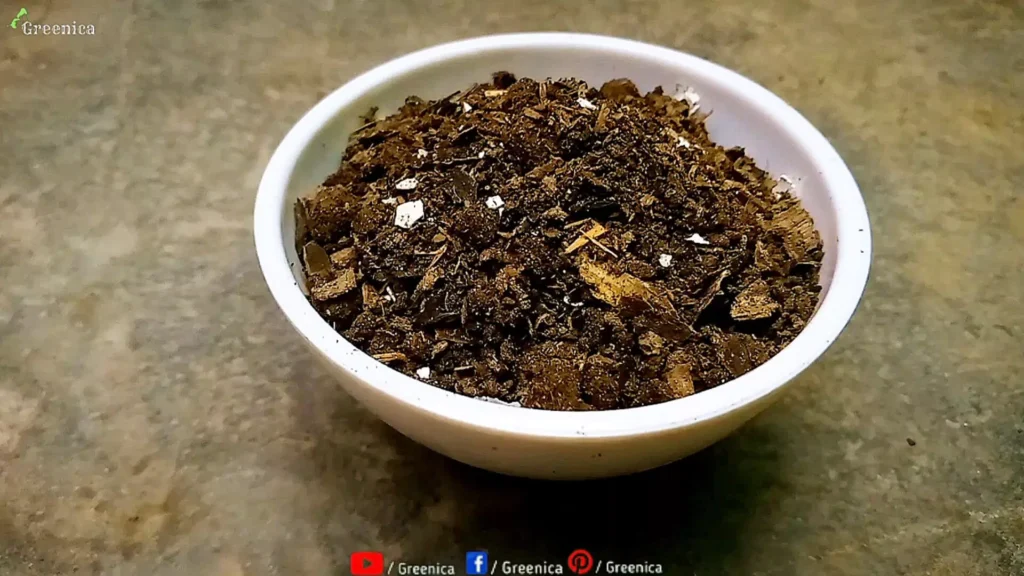
One mistake beginners often make while growing Haworthia is a lot of fertilizing, which is actually not ideal for this plant.
For proper fertilization, you can use this homemade organic fertilizer that I prepare using kitchen-based ingredients. It works as a slow-release fertilizer, which is a big advantage because it feeds the plant gradually over time instead of giving a sudden burst of nutrients.
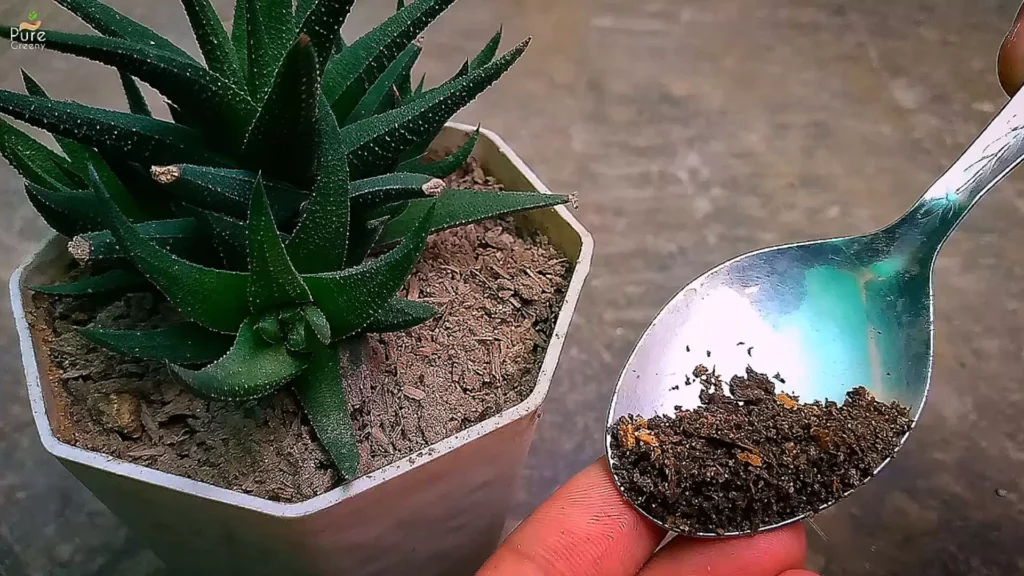
This slow and steady feeding is perfect because Haworthia is a light feeder. It doesn’t require heavy nutrition like many other plants.
However, at the same time, you also shouldn’t keep the soil completely nutrient-free. There should be a balanced amount of nutrients available so the plant can grow consistently, produce more leaves, form baby pups, and stay strong overall.
This balance is what keeps the plant healthy without forcing it into fast but weak growth.
a detailed guide on how to make a succulents fertilizer is linked here. Feel free to check it out.