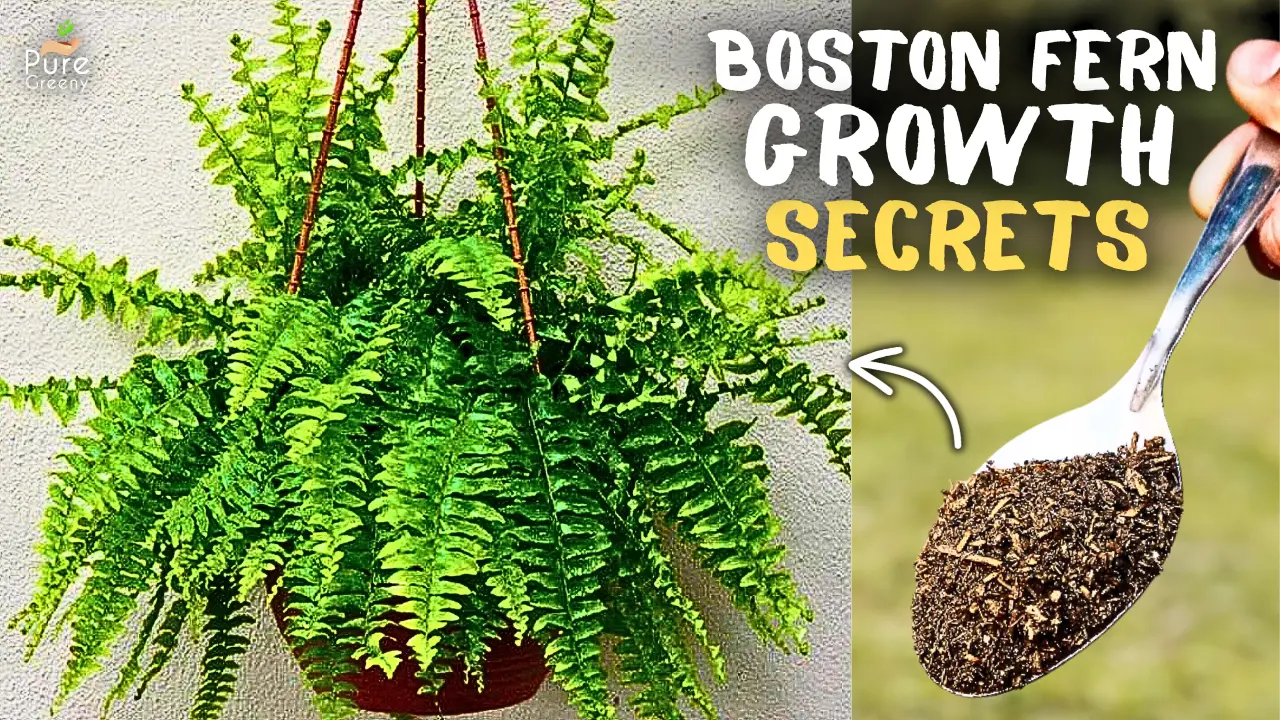
An Ultimate Guide on Boston Fern Care & Growing Tips!
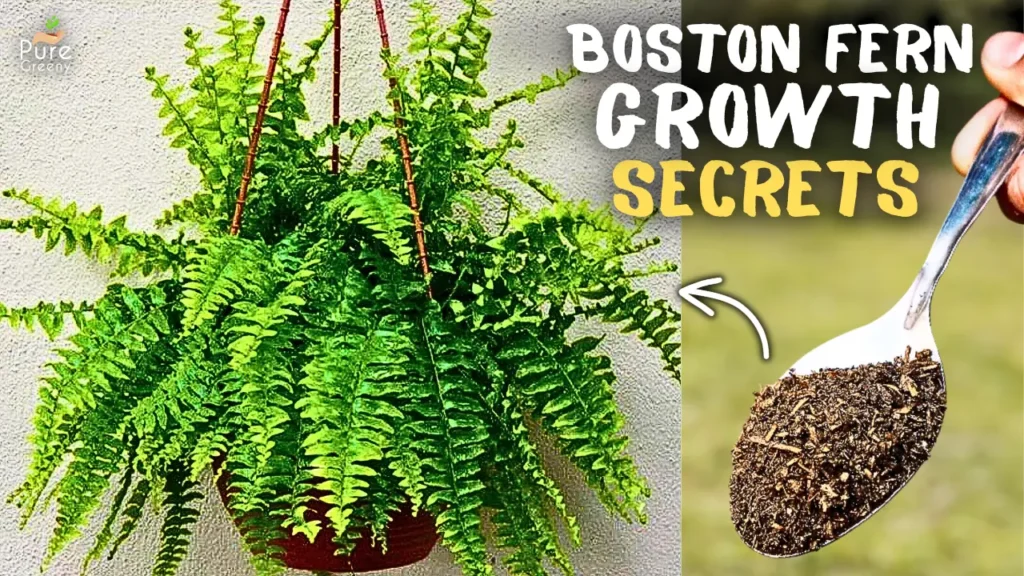
If your Boston fern plant is struggling, it’s usually the care method, not the plant. Proper placement alone makes a huge difference. In this Post, I’ll tell you exactly how to care for your Boston fern plant from my experience and some nursery secrets.
And most importantly, the fertilizer that I use, which makes the growth unstoppable. So keep watching.
1-Does Season Matter?
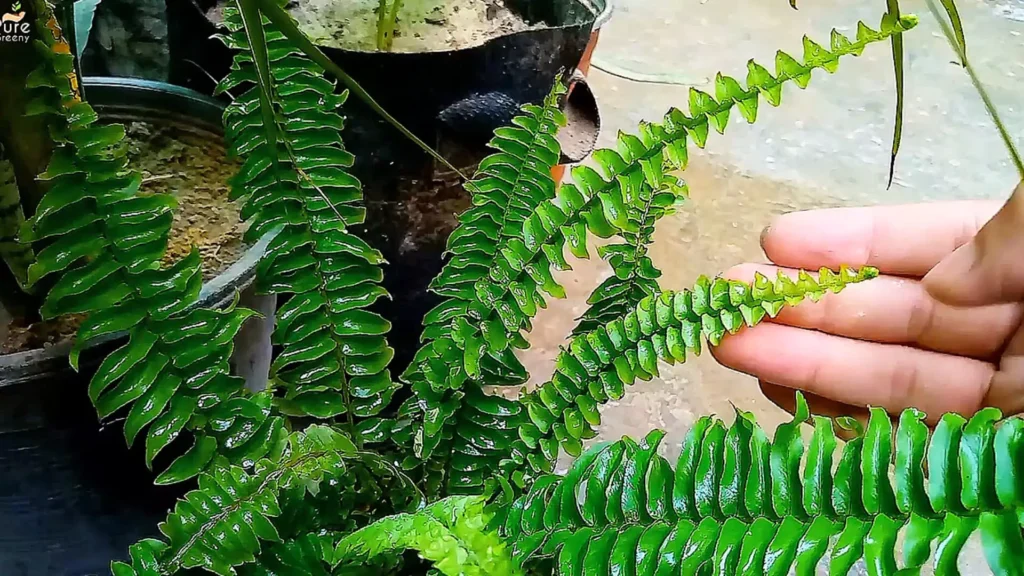
The one and only thing that matters the most is the ideal environment for the Boston fern plant. Most beginners grow their Boston fern plant in the wrong kind of environment and season.
This stops growth completely. I remember when I was a beginner, I made the exact same mistake of growing it during summers, which at first put a lot of stress on the plant.
But then, after trial and error, I found that this plant loves a hot and humid environment. Besides the weather, the ideal spot also makes a huge difference, but we will talk about that in just a bit.
For now, understand this: for getting a lot of growth on your Boston fern plant, if you live in a region with cold weather, you can keep it in the shade of other plants and grow it during summers.
But if you live in a moderate or temperate region like me, you can grow it from spring up to summer in an open environment. You won’t see any bad effects even in winters, and the most growth appears during rainy days.
And here is another secret that provides a lot of growth. Never bring this plant from a nursery during hot weather. Grow it or bring it home during spring or rainy days. The nurseryman might not tell you this, but it saves your plant from stress.
2-What Kind of Soil Media Does It Like?
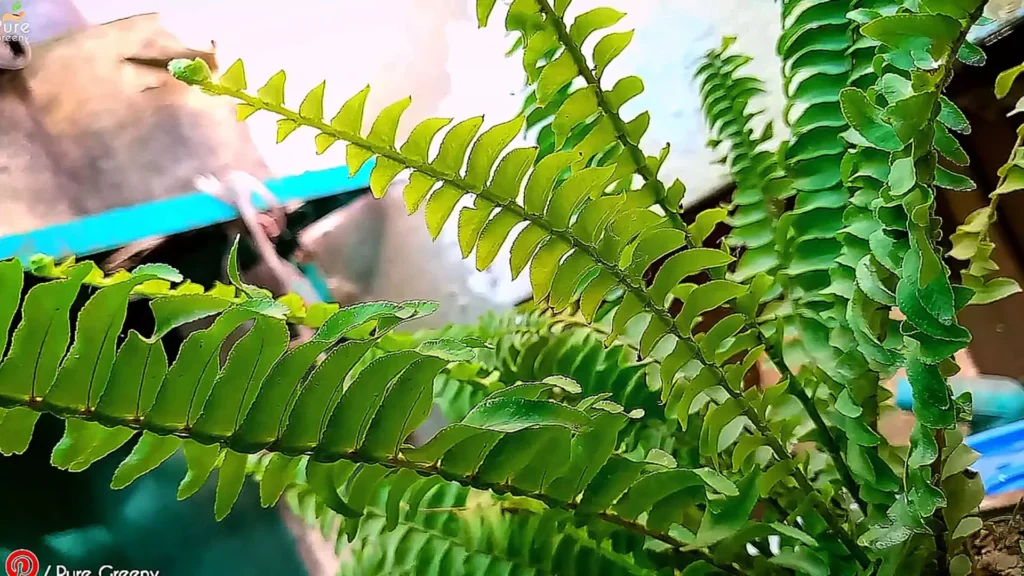
When it comes to growing Boston fern plants in pots, you should pay a lot of attention to your soil media, as it plays a crucial role in the healthy and faster growth of roots and leaves.
A clayish or hard kind of mixture limits the growth of new roots and leaves. On the other hand, when you use the soil media that I prepared myself at home, you will be surprised how quickly your Boston fern plant produces new baby plants.
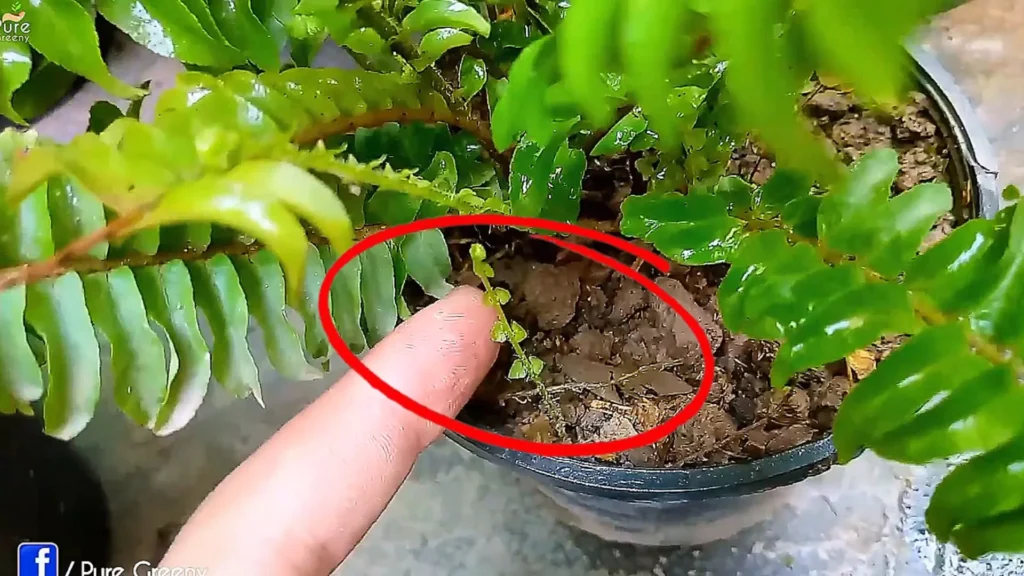
Before I tell you the soil recipe, here is the result. I used this mixture, and I have a few baby plants growing. The credit goes to the soil media. And here is a pro tip: combine this soil media with the fertilizer that I’ll tell you about in just a moment, and the growth will explode.
This soil media is a mixture of:
- Sand – 1 part:
- Garden Soil – 2 Parts:
- Cocopeat – 1 part:
- Compost – 1/2part:
- Cow dung – 1 bowl:
No special ingredients at all. Even beginners can make it at home and use it for their Boston fern. A detailed Guide is also added Here, if you would like more instructions.
Nurseries use no special ingredients at all, and yet they get much better growth, foliage, and overall plant health than a home gardener.
You might wonder why their plants look so healthy and vigorous. In recent years, I found many tricks they use, simple yet very effective.
I tried to make these tricks usable for a home gardener like you and me. Whatever worked, I added it to this short book. It’s added Here, if you’re interested in buying it, and feel free to leave a review.
3-Where to Keep This Plant?
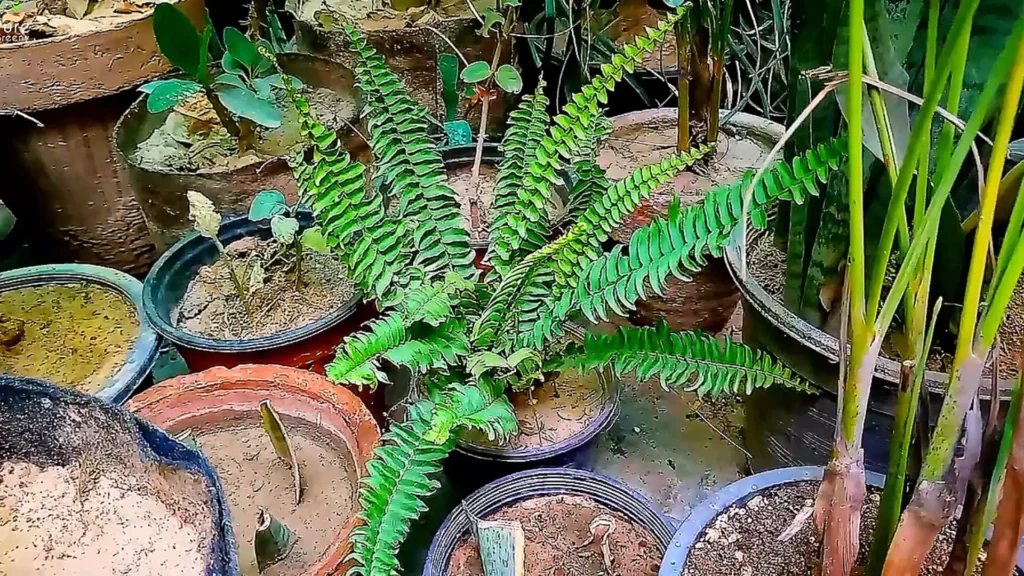
One thing that is very important for the Boston fern plant is its ideal spot. It belongs to a rainforest-like region and grows very well in a hot and humid environment.
And I have a trick that can even turn dry summers into an ideal environment for your Boston fern plant.
When the environment is moist and hot, the Boston fern plant produces a lot of new leaves. You might have seen this during rainy days.
The plant suddenly bursts with new green growth. That’s the power of an ideal environment.
And here is the secret method that nurseries use to create this environment for their Boston fern plants. First, they keep their plants on moist ground. That raises humidity around the plant.
Then, there is shade from bigger plants above the Boston fern. These bigger plants also release moisture. And now you can see how they create an ideal environment all year long for their plants.
You can also do the same in your home garden. You can keep the pot of your Boston fern plant on top of a bigger pot’s soil, or directly on the ground, and create some shade using bigger plants. Make sure you don’t keep your Boston fern plant in a completely dark area. That would stop the growth.
4-The Fertilizer That I Use!
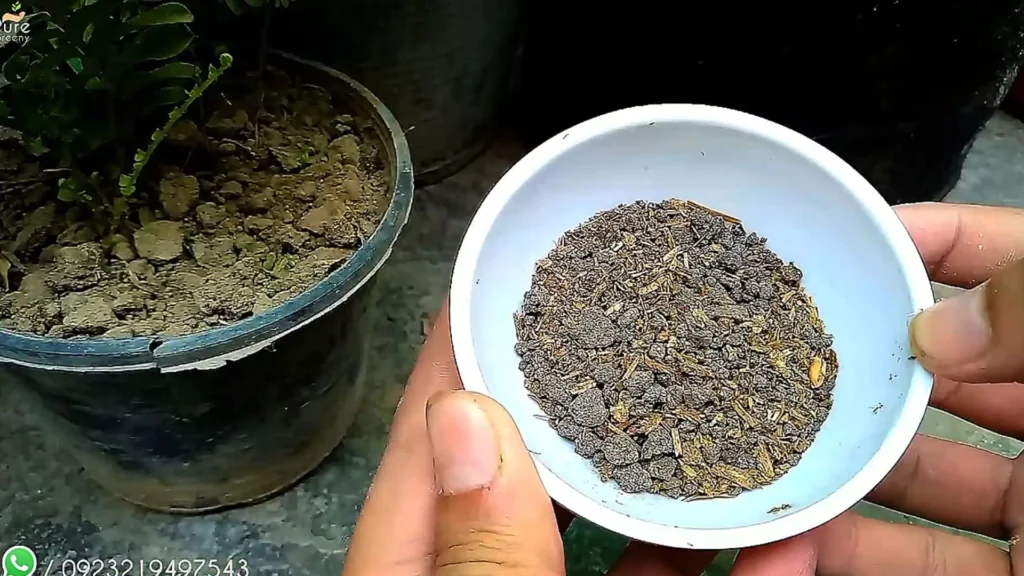
Now comes the fertilizer that drives the whole growth of the Boston fern plant. Without nutrients, the plant cannot make new leaves. Even the existing leaves start turning yellow or patchy. Fertilizer nutrients simply become leaves on your Boston fern plant.
But the problem is how to keep all nutrients available in the soil. This is the exact same problem that I faced at the start of my gardening journey. And don’t worry, I have a fertilizer recipe that is simple for beginners and works much more efficiently than many market-bought fertilizers.
Before I tell you the fertilizer recipe, let me briefly explain fertilization. The most important thing is to fertilize when the plant responds the most. You can call it the ideal fertilization time, and here it is for the Boston fern plant.
This fertilizer works extremely well when you apply it during active growth. And how do you know the plant is actively growing?
When you see your Boston fern plant producing a few new leaves that are growing slowly but steadily, this is the most ideal time to fertilize it. As soon as the roots absorb the nutrients, the growth will become unstoppable.
And here is the fertilizer recipe that works extremely well: some cow dung for nitrogen, leaf compost for mixed nutrition, and rock phosphate for phosphorus. Rock phosphate is required in a very small dose. It’s also added Here, if you can’t find it anywhere else.
This is our fertilizer. Use it at least once a month. You can make it at home, and if you need more instructions, there is a guide on this fertilizer that you can follow. Feel free to check it out. Don’t forget to check out the Nursery Secrets eBook that I suggested.