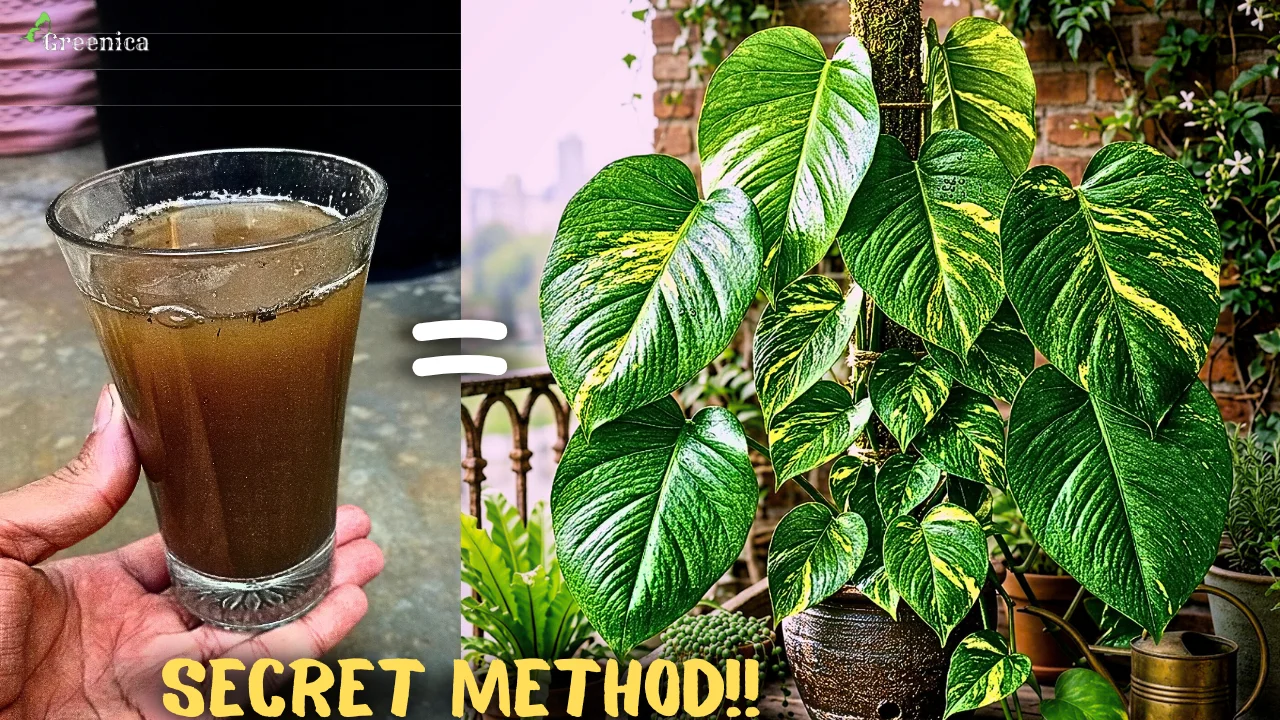
How to Make Cow dung Liquid Fertilizer at Home, & Get Massive Plant Growth?
Cow dung liquid fertilizer is very useful because it contains an ideal amount of nitrogen along with a variety of trace elements. For fast plant growth, liquid fertilizer is most effective. & In this Guide, we will see how you can make it at home step by step. So, let’s begin.
Why Not Pure Cow Dung?
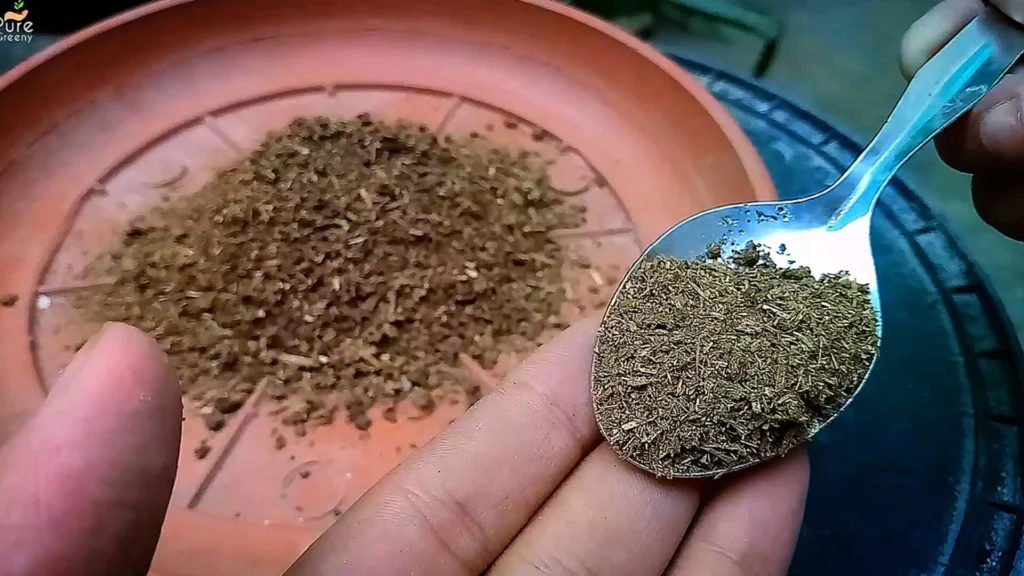
Using raw cow dung on plants is very harmful because it contains a high amount of nitrogen. Excessive nitrogen can burn roots and leaves and stunt plant growth.
Plants simply cannot tolerate that much nitrogen. It also creates heat in the soil, which is harmful to both soil microbes and the plant itself. That is why the proper use of cow dung should be understood.
Why Is Cow Dung Liquid More Useful?

Using cow dung in liquid form on our plants is very beneficial. It promotes fast leaf growth, new stems, and root development, improves microbial life in the soil, enhances soil structure, and best of all, it is organic and natural.
If used properly, it releases nutrients slowly into the soil, creating a long-lasting effect. Fundamentally, cow dung contains nitrogen along with many trace elements. It is most useful for vegetative growth.
The trace elements in cow dung, such as calcium and magnesium, also help strengthen plant immunity. Such plants become more resistant to diseases and pest attacks. Overall, if you use cow dung fertilizer properly, it can be one of the most useful natural fertilizers.
How to Make Cow Dung Liquid Fertilizer?

Now, let’s understand how to prepare the most useful form of cow dung, which is its liquid fertilizer.
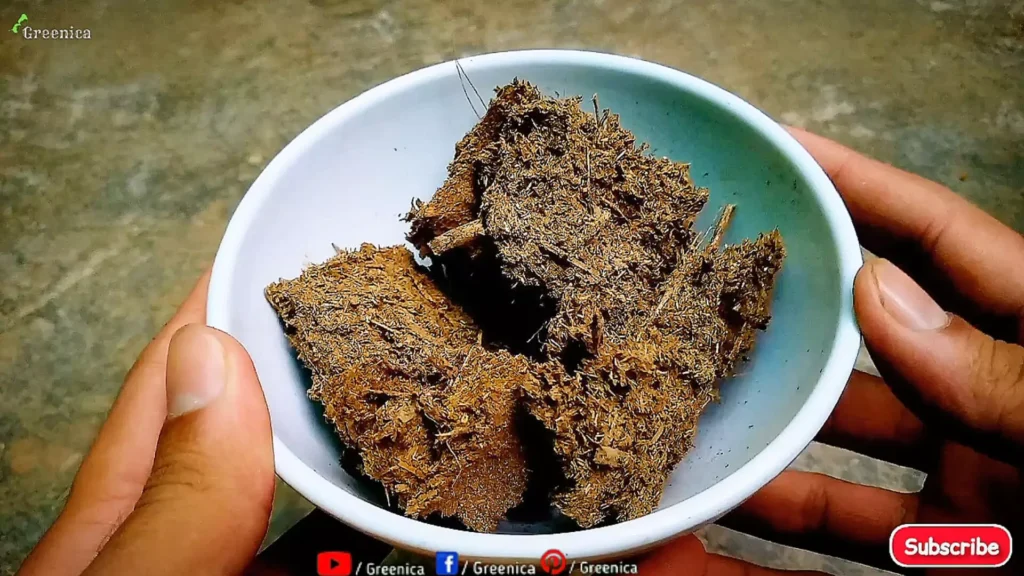
First of all, you will need a bucket of water. Then, you will need dried cow dung. You can also use cow dung compost, but it will contain less nitrogen. Cow dung cakes work well.
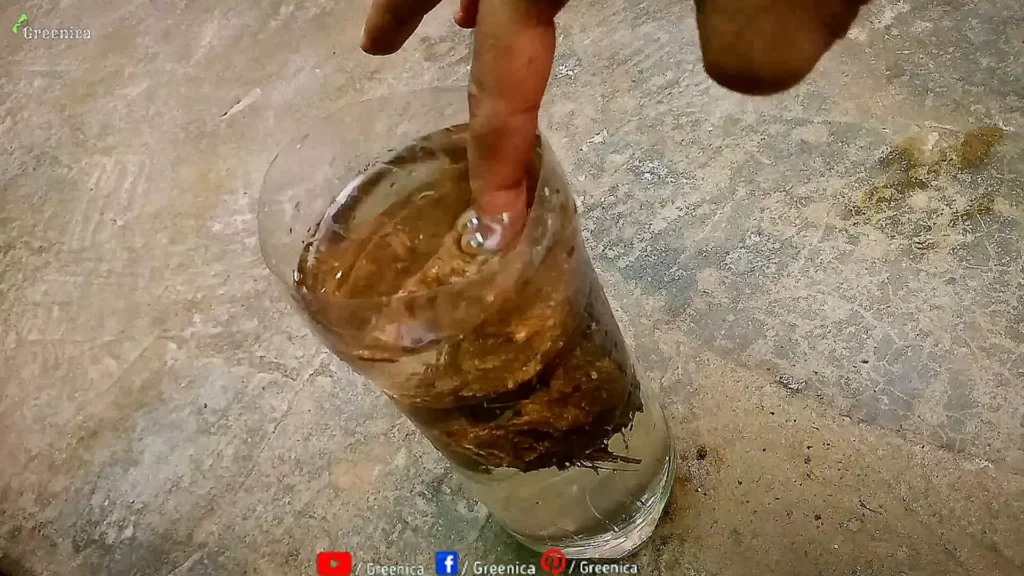
Around one handful of cow dung per liter of water is enough. Add a small piece of jaggery to enhance the fermentation process. Place this bucket in a shaded, warm spot.

After about 3 to 4 days, you will see the cow dung cakes settling into the water. The water will turn dark brown. Separate the liquid and dilute it before use.

Do not apply it directly to plants because it is high in nitrogen. Mix at least five parts water with one part of this liquid. Stir well before using. Apply this liquid to all kinds of plants.

Around one glass of diluted cow dung liquid fertilizer is enough for 5 to 7-inch pots. For bigger pots, you can use a larger amount. Apply the liquid when the soil is slightly dry, either in the evening or early morning.
You will see maximum results if you apply it during the plant’s active growing season. During dormancy, cow dung fertilizer is not useful.
On What Plants Can We Use It?

By following the correct method, you can use cow dung liquid fertilizer on almost all types of plants. Use it on indoor plants for better and shinier leaf color.
Use it on vegetable plants for enhanced immunity and leaf growth. Apply it to seasonal flowering plants, especially when they are young. Use a small dose for seedlings, cacti, and succulents.
Do & Don’ts of Using Cow dung!
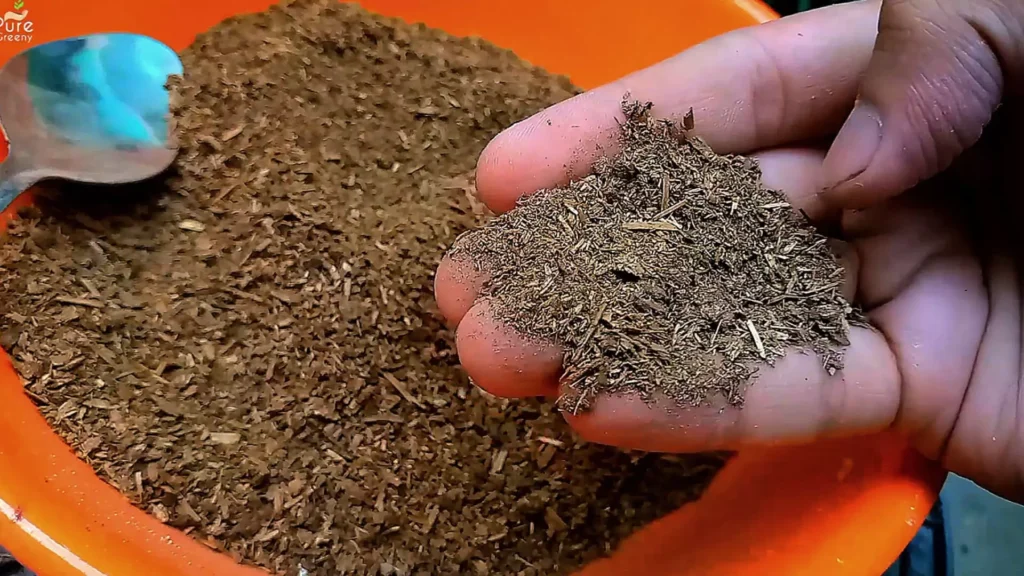
Overuse of cow dung fertilizer can cause several side effects, such as stunted growth, leaf burn, and delayed fruiting and flowering. Therefore, it is important to follow a few do’s and don’ts when using cow dung.
- Always use cow dung in liquid form, as it is the safest method.
- Never exceed the recommended dosage.
- Never apply cow dung fertilizer on a sunny day. The best time is a cool evening or early morning.
- Avoid using cow dung fertilizer during the hottest months of the year, or apply only a small dose.
- Do not use cow dung liquid fertilizer when your plant is in dormancy.
That’s all about cow dung liquid fertilizer. Here is another Guide on making another safe form of cow dung, which is cow dung compost. Feel free to Follow It.