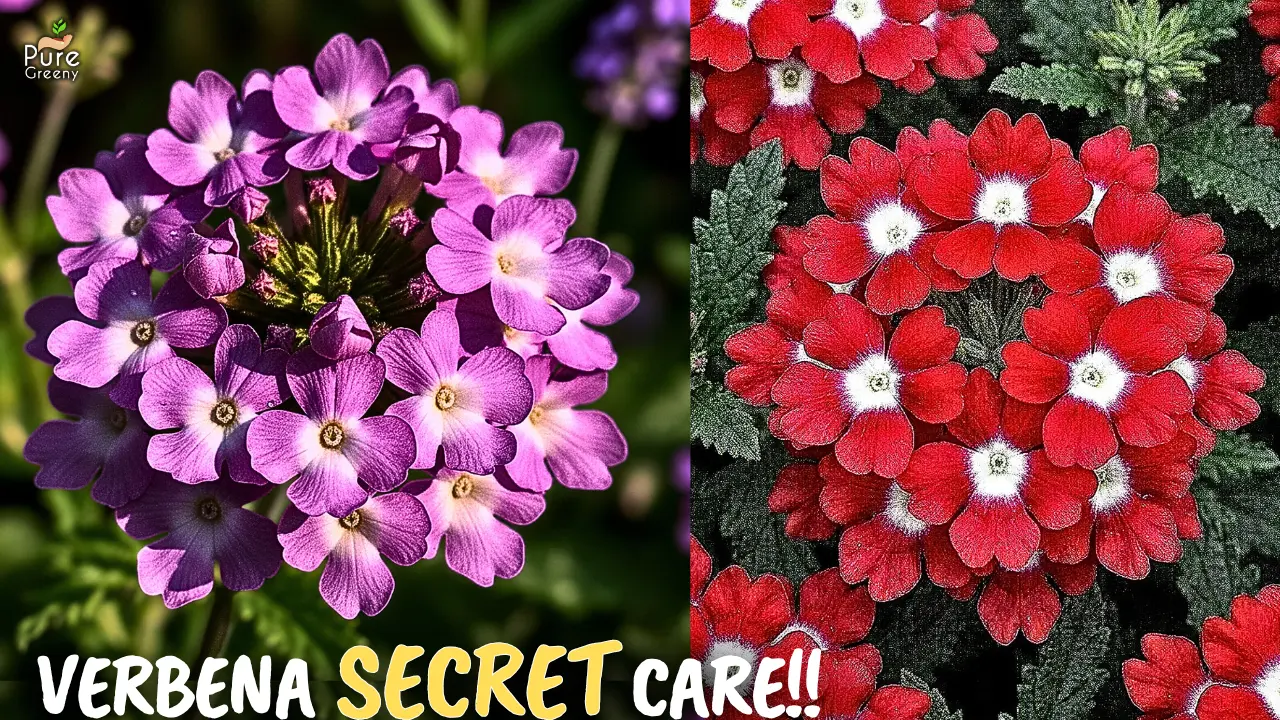
Secret Tips on Verbena Flower Plant Care!
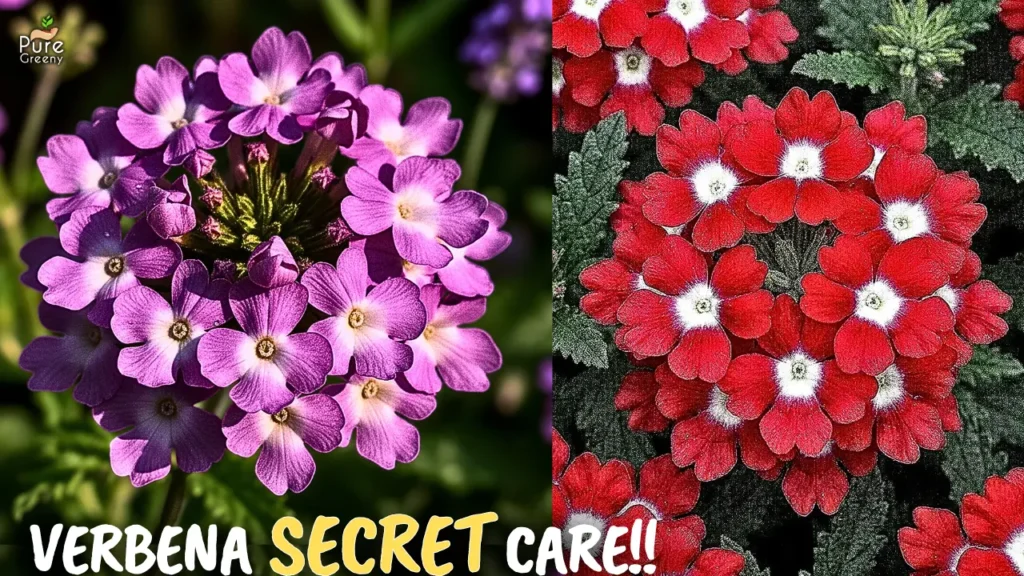
Verbena is a winter-flowering plant. It is very hardy and low maintenance. In this Post, we will see some secret care tips for verbena plant care. So let’s begin.
1-The Growing Season?

First of all, you have to understand the growing season of the verbena flower plant. It is a winter-flowering plant and likes a cool temperature range. If the temperature is too low, it can also cause problems. If the temperature in your area is between 10 to 25°C, you can easily grow verbena flower plants.
In moderate or temperate climate regions, summers are very hot. The temperature goes much above 25°C, and you will see your plants slowly drying and dying. On the other hand, they thrive in winters.
But in cold climate regions, the winter temperature drops much below 10°C. So, in such areas, you should plant verbena during summer or spring, not in winter. Overall, if the temperature is ideal, you can easily grow verbena and get a lot of flowers.
2-How to Start Them?
Now let’s see how we can start verbena flowers at home. You can grow them from seeds, but they are a little hard to grow. If you are growing them for the first time, simply bring seedlings from a local nursery.
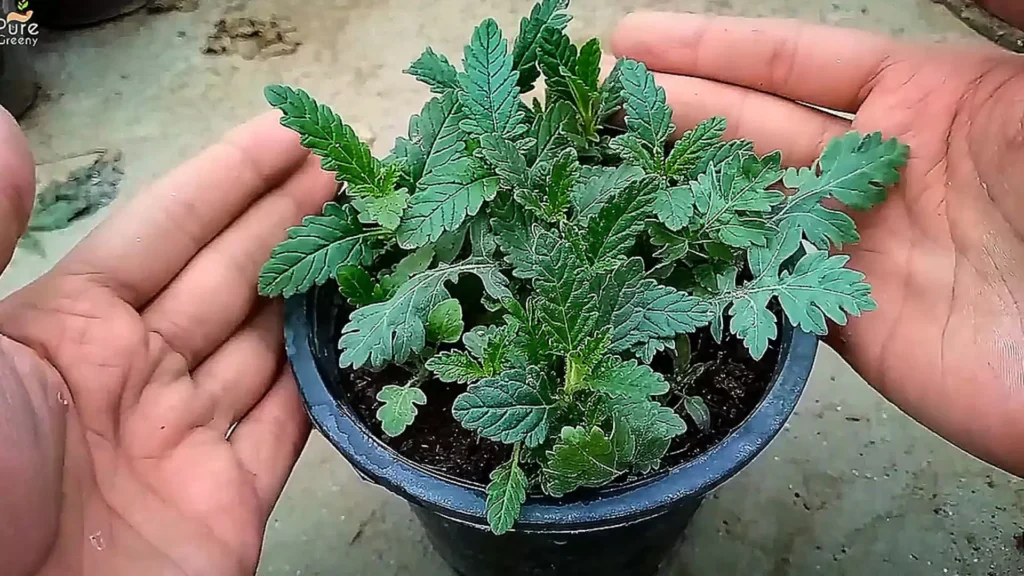
They are easily available during the growing season. This is how their seedlings look. Simply transplant them into an individual pot. They are seasonal plants, so a small pot is enough.

Do this in the evening when the temperature is cool.

For a few days, you may not see new growth, but after some time, they will recover, grow new leaves, and start making buds.
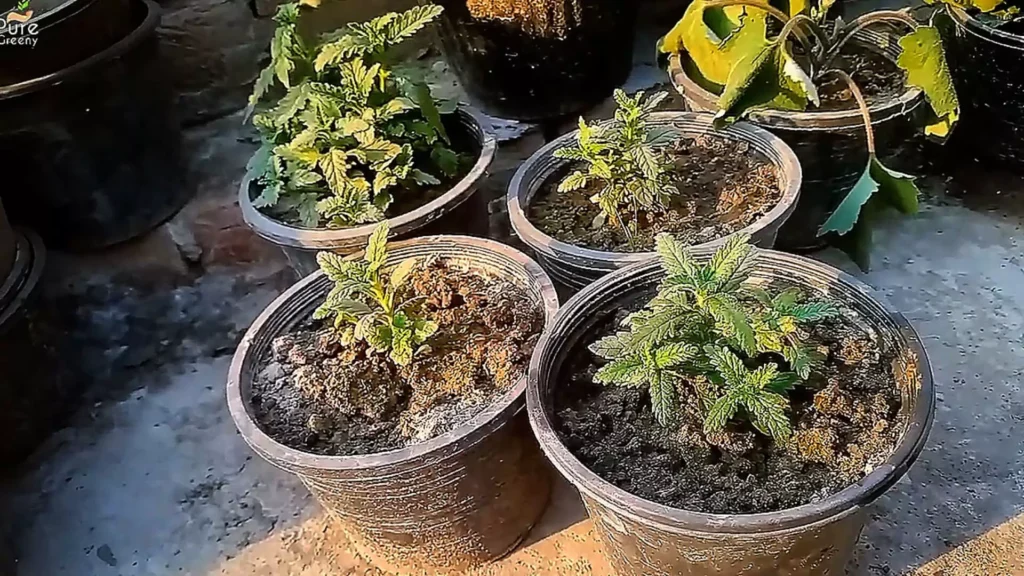
Within a couple of weeks, you will see buds forming on your plants.
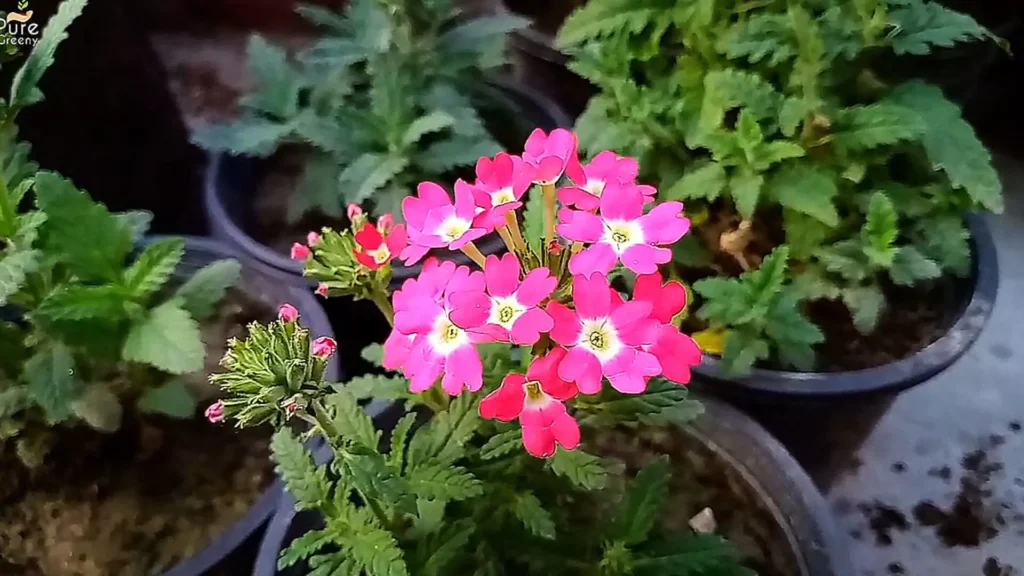
Make sure they are placed in a sunny spot, and the buds will bloom into beautiful flowers. They attract pollinators and do not have any fragrance.
3-What’s Their Ideal Soil?

Now let’s understand what kind of soil medium the verbena flower plant prefers. It is a seasonal plant, very hardy and low maintenance. It can grow well in almost any soil mixture. Just make sure the soil is not hard and compact.
The plant prefers loose and well-draining soil. You will see faster growth if your soil is slightly sandy. In compacted soil, growth is very slow because roots struggle to penetrate and expand.
If the soil retains too much water, that is also a problem. The plant may die within a few days. Balance is important. The soil should be slightly sandy and well-draining. A simple soil recipe is given Here if you would like to follow it.
4-Choosing the Ideal Spot!

One of the most important things in verbena plant care is choosing the ideal spot. It is a flowering plant and needs plenty of sunlight to produce buds and flowers. Light deficiency appears in the form of pale yellow leaves and stunted growth.
For healthy and consistent growth, choose a bright area that receives at least 2 to 4 hours of sunlight daily. If you do not have that much sunlight, you can still get some flowers by placing the plant in the sunniest spot available.
However, the best growth occurs when the plant receives plenty of sunlight.
5-How to Water Them Correctly?
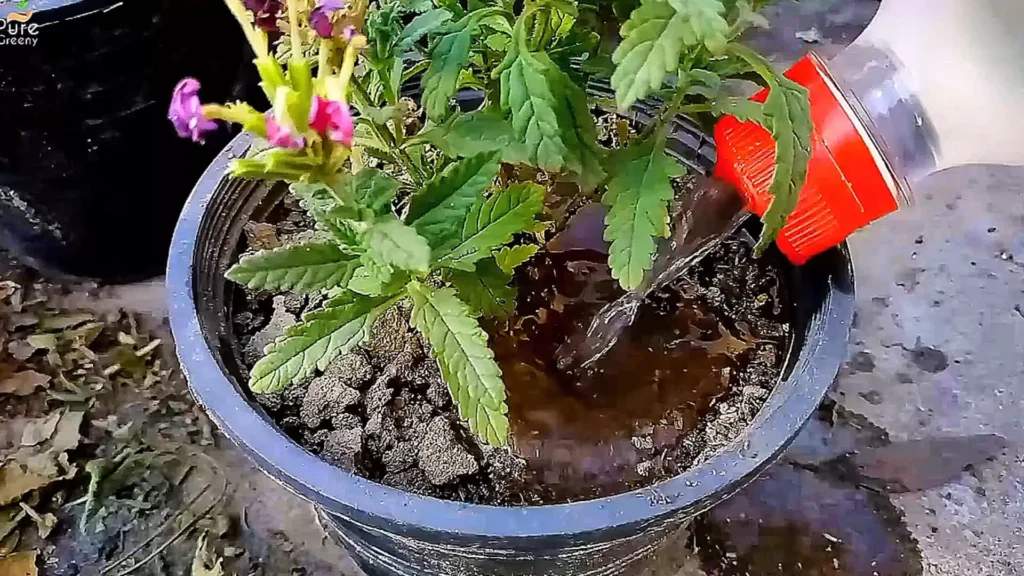
For watering the verbena plant, let the upper layer of soil dry slightly before watering again. You can check the soil before watering. If it is dry, water the plant.
If it is still slightly moist, there is no need to water. Overwatering will cause root rot, and underwatering will also stress the plant. So maintain a balance. When the soil feels dry, water moderately.
6-Do They Need Fertilizer?

To get more flowers on your verbena plant, fertilizing is important. It is a seasonal plant, and even without fertilizer, it will produce some flowers. However, for maximum flowering, you need a good fertilizer.
Fertilizer promotes more buds and helps the plant grow bigger and more vibrant flowers. You can fertilize your verbena plant at least once a month, especially during the growing season.
You can use compost or any good flower fertilizer. Potassium and phosphorus are especially important during the flowering stage. I have also shared a homemade fertilizer Here that fulfills these requirements. You can follow that if you like.
7-Is Deadheading a Good Idea?

One secret trick to promote more flowers on the verbena plant is deadheading. Deadheading means removing old, spent flowers to encourage new blooms. When flowers dry out, seeds start forming inside them.
The plant then directs its energy toward seed formation instead of producing new buds and flowers. Simply remove the spent flowers whenever you see them. This will encourage healthy and season-long flowering.

For collecting verbena seeds, leave some spent flowers on the plant. Within a week, you will see seed pods forming. Once they dry out completely, open them and collect the seeds. Store them in a dark and dry place, and you can grow them next season.
That’s all about the verbena flower plant care guide. Here is another Guide on marigold plant care.