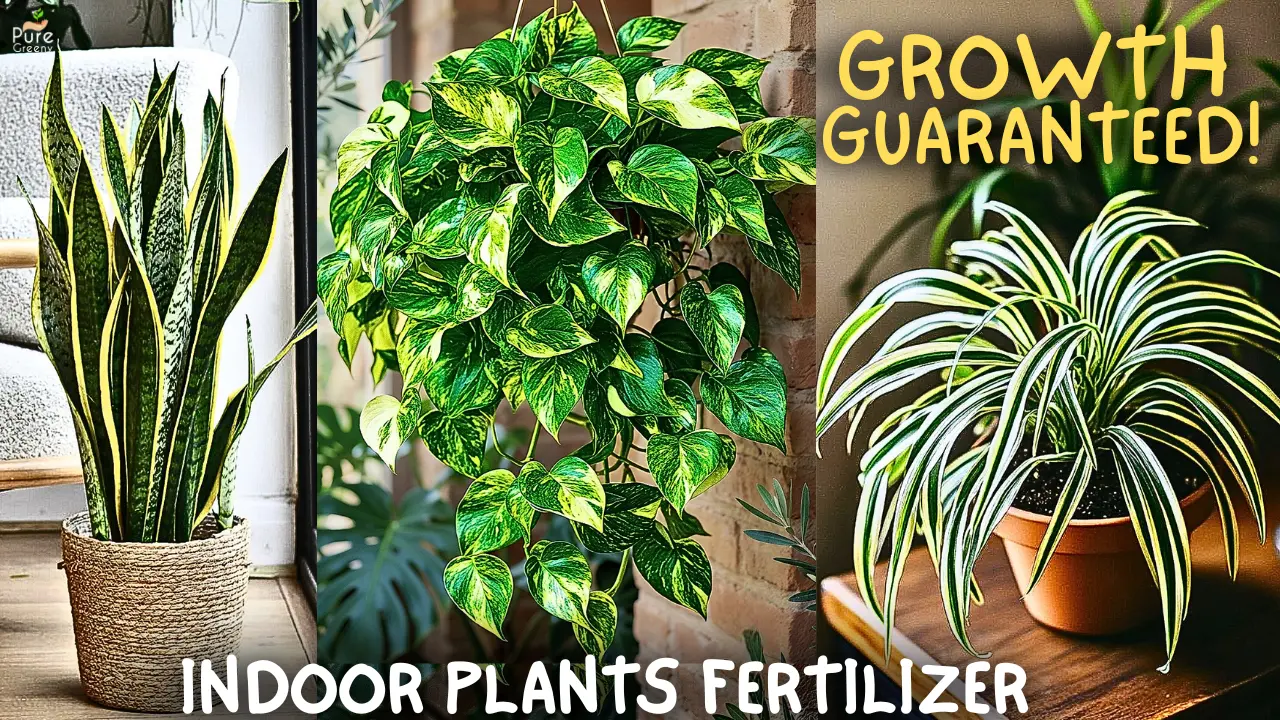
How to Make The Best Fertilizer For Indoor House Plants? (Cheap & Effective)
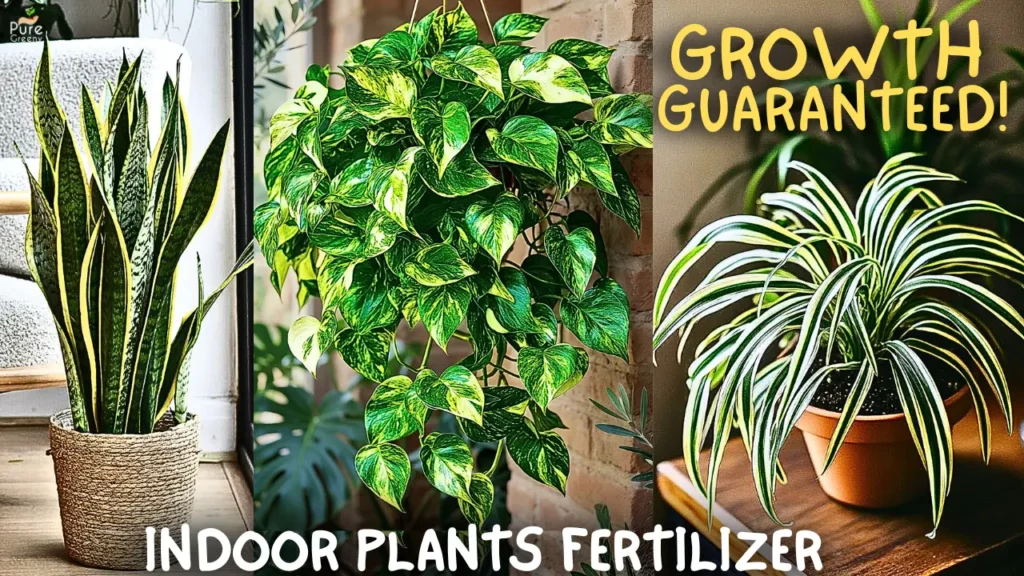
One solution to yellow and patchy leaves and the slow, stunted growth of indoor plants is the use of a good fertilizer. A shortage of even a single element can completely stop plant growth. So, in this post, I’ll tell you a secret fertilizer recipe that you can use on your indoor houseplants. And believe me, it’s the best one.
What Kind of Fertilizer Do Indoor Plants Like?
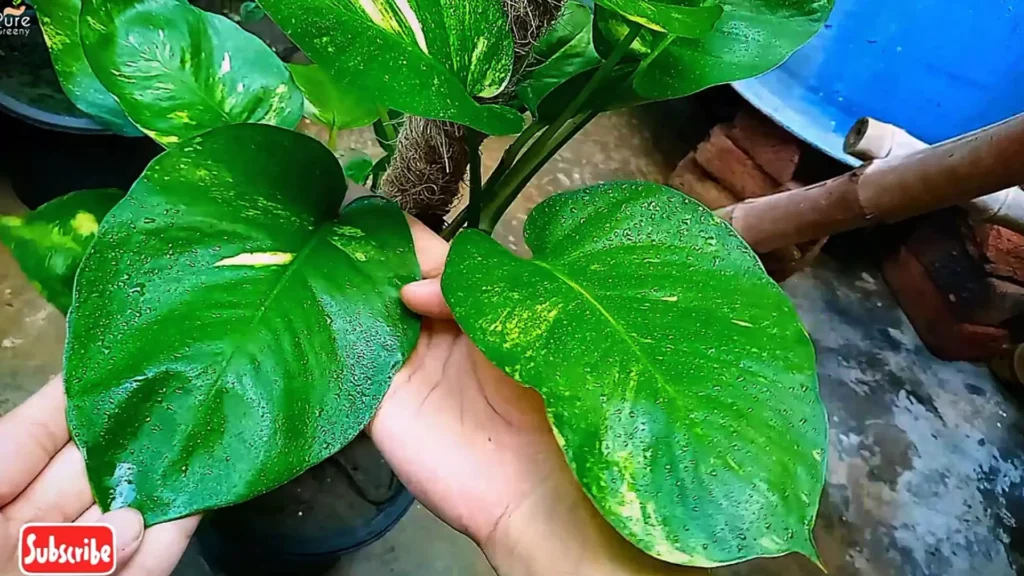
For preparing a great fertilizer for indoor plants, we need to understand what they actually need in their fertilizer. Beginners often make the mistake of using random fertilizers, which, instead of promoting growth, limit it.
One reason behind this is nutrient imbalance. For making an ideal fertilizer, the most important thing is to balance all the nutrients in it. Indoor plants mostly grow leaves, which require a lot of nitrogen in the soil.
But here is the thing we often miss: they require complete nutrition, including both macro and micronutrients. For example, trace elements help keep the leaf colors vibrant and help the plant produce more baby pups.
So overall, our fertilizer should contain NPK elements as well as some trace elements. One more important thing is the ideal pH because, when the pH isn’t ideal, our fertilizer nutrients stay locked in the soil, and the roots are unable to absorb them.
So, for better absorption, we need an optimal pH. I often use a pH meter to make sure of this. It’s also added Here if you’d like to buy one.
What Are the Benefits of an Ideal Fertilizer?
Just suppose you have an ideal fertilizer for indoor plants, and you use it regularly with the proper method. Now, these are some benefits you’ll see in your plants. Your plant will grow much faster and healthier compared to unfertilized plants.
It will produce more branches and more baby plants from the soil. The leaves will become bigger and shinier. The leaf colors will also stay vibrant. One more thing you’ll notice is better resistance to minor stresses.
Maybe you forget to water for a day—the plant manages on its own. Maybe there is a minor pest attack, but the plant’s growth won’t stop because of these minor issues due to optimal fertilization.
Fertilization is great, but you also need to use it properly. We’ll talk about that later in this same guide, so stay tuned.
Soil structure also improves, and microbial life becomes more diverse. In conclusion, fertilization is one of the most important pillars of plant growth, especially for indoor plants.
How to Make the Best Fertilizer at Home?
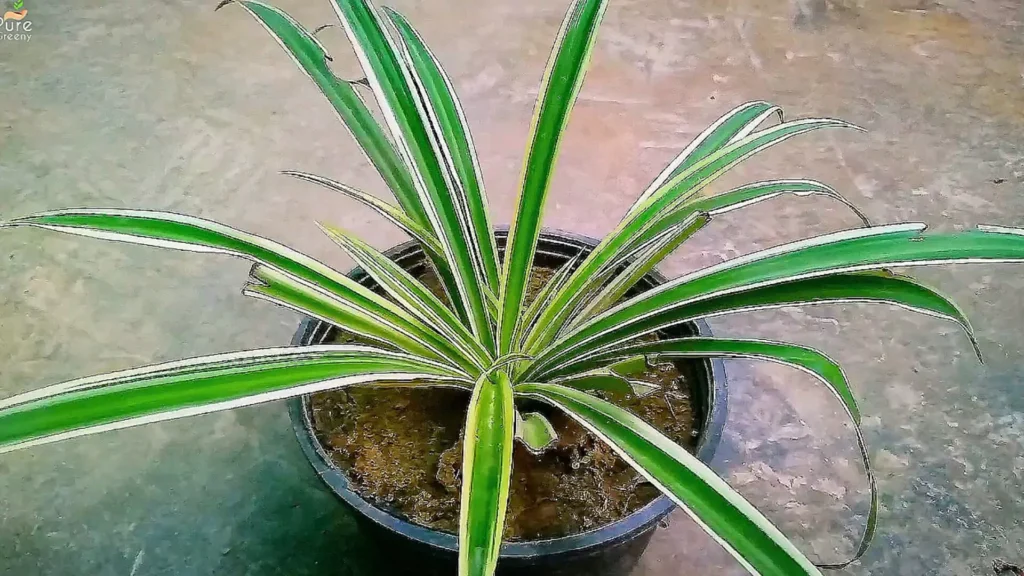
Now let’s learn how we can make this amazing fertilizer at home, step by step. Just follow this recipe exactly, and you’ll also see bigger leaves, more baby pups, and healthy, vibrant growth.
Cow dung:
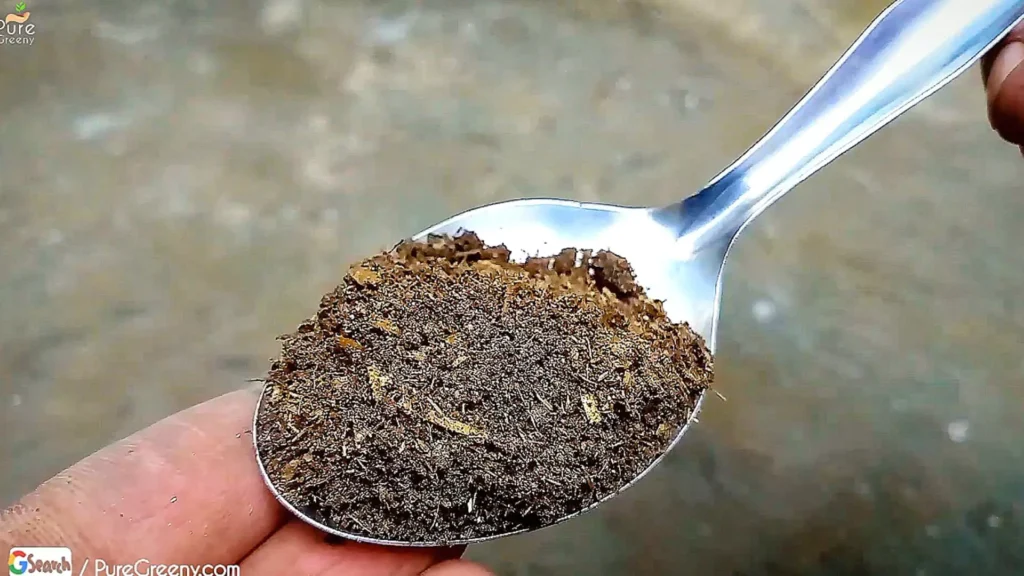
The first ingredient we need in our fertilizer recipe is cow dung. It’s one of the oldest fertilizers used for centuries. It’s been tested again and again and has worked well. I know some of you have used it before but didn’t get good growth.
That’s usually due to incorrect usage. Fresh cow dung contains a lot of heat, so it can’t be used directly on plants. The right way to use cow dung is to dry it in the sun first. We only need a small amount for our fertilizer. You can also buy it from Here.
Leaf Compost:
Another ingredient we need is leaf compost. Compost made from dead and dried leaves is the primary source of nutrition for the huge plant diversity found in forests.
From this fact, you can estimate how nutritious this compost is. You can also make it at home for free. A guide is also added Here. Unlike cow dung, leaf compost can be used on plants all year round.
You don’t need to worry about any side effects at all. It also helps balance the pH, which is exactly what we need. You can also buy it from here.
Rock Phosphate:
Now we have nitrogen from cow dung and mixed nutrients from leaf compost. The only thing missing in our fertilizer is phosphorus, which is a key plant nutrient required for faster root growth as well as more baby pups.
Healthy and fast root growth means better and faster leaf growth as well. The purest, most useful, and one of the best organic sources of phosphorus is rock phosphate.
It’s a fertilizer made from a sedimentary rock containing a rich amount of phosphorus. We only need a small amount, so you don’t need to worry. It’s also added Here.
- Rock Phosphate – 1 Tbsp
- Cow dung – 4 Tbsp
- Leaf Compost – 5 Tbsp
So here we have all our fertilizer ingredients.
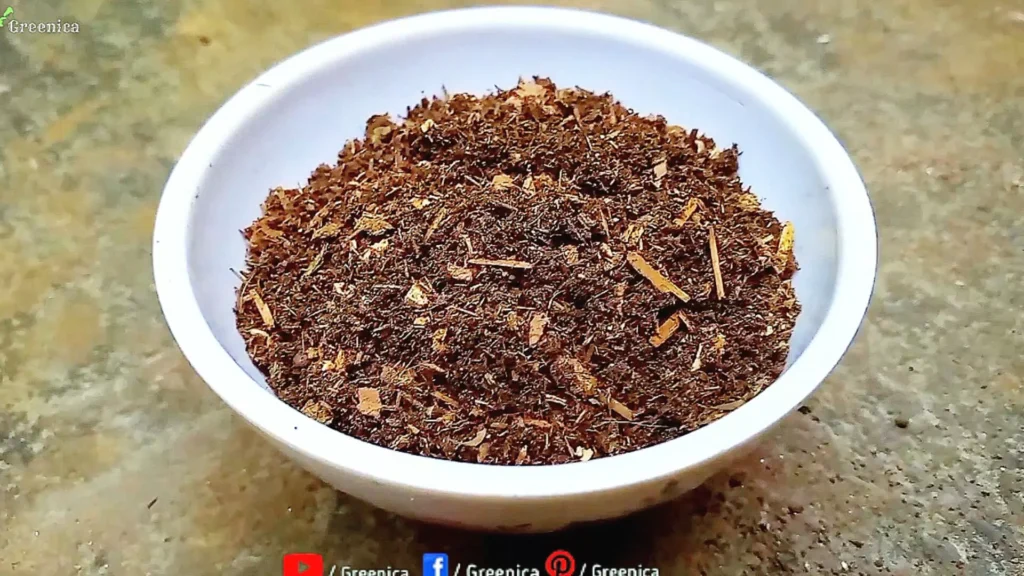
Mix them well, and our homemade organic fertilizer for indoor plants is ready to use.
The Correct Way to Fertilize Indoor Houseplants?
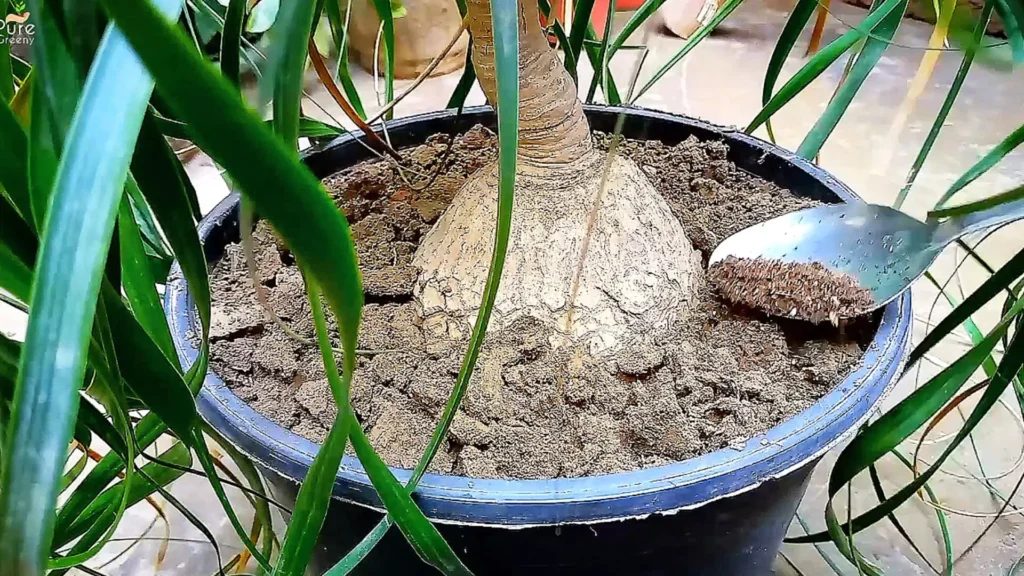
Having a great fertilizer and making the most out of it through proper application are two different things. So let’s learn how to properly apply this fertilizer, along with the secret that nurseries use for their plants.
Before applying this fertilizer to indoor plants, make sure the soil is a little dry. Don’t add it over moist soil. Take the required dosage and apply it to the soil.
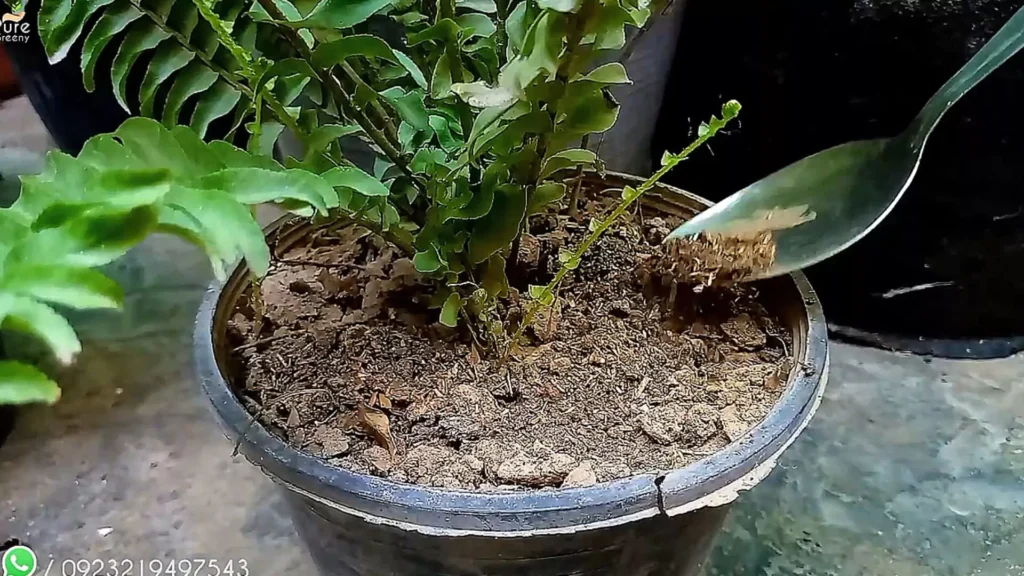
Four to five tablespoons for a 10-inch pot is enough once a month. Use more for bigger plants. Mix it really well, and then add plenty of water so the nutrients get absorbed quickly.
Great fertilizer, as well as the proper application method, still won’t work as well as it does for nursery plants, and here’s why. The correct timing for fertilization is very important, and nursery owners know this very well.
Before I tell you the ideal fertilizing time, understand this: if the plant isn’t actively absorbing nutrients, you won’t get good results, no matter how powerful the fertilizer is. So here it is.
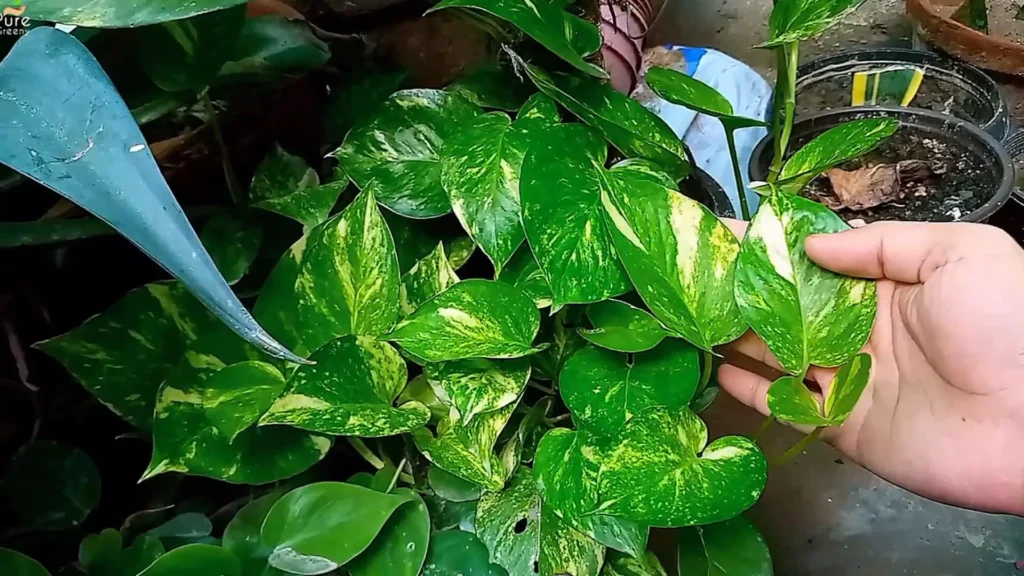
Apply fertilizer when you see your plant growing new leaves. That is simply the most ideal time. Do you know what most people do? They fertilize when the growth has already stopped. Do you see the difference?
Did you ever wonder why nursery plants look so healthy and keep growing all year long? One big reason behind it is proper fertilization at the right time.
In recent years, while visiting many nurseries, I discovered some tricks they use to keep their plants growing so healthy. I tried to explain those tricks and make them practical for home gardeners in this short book. Feel free to buy it from Here.