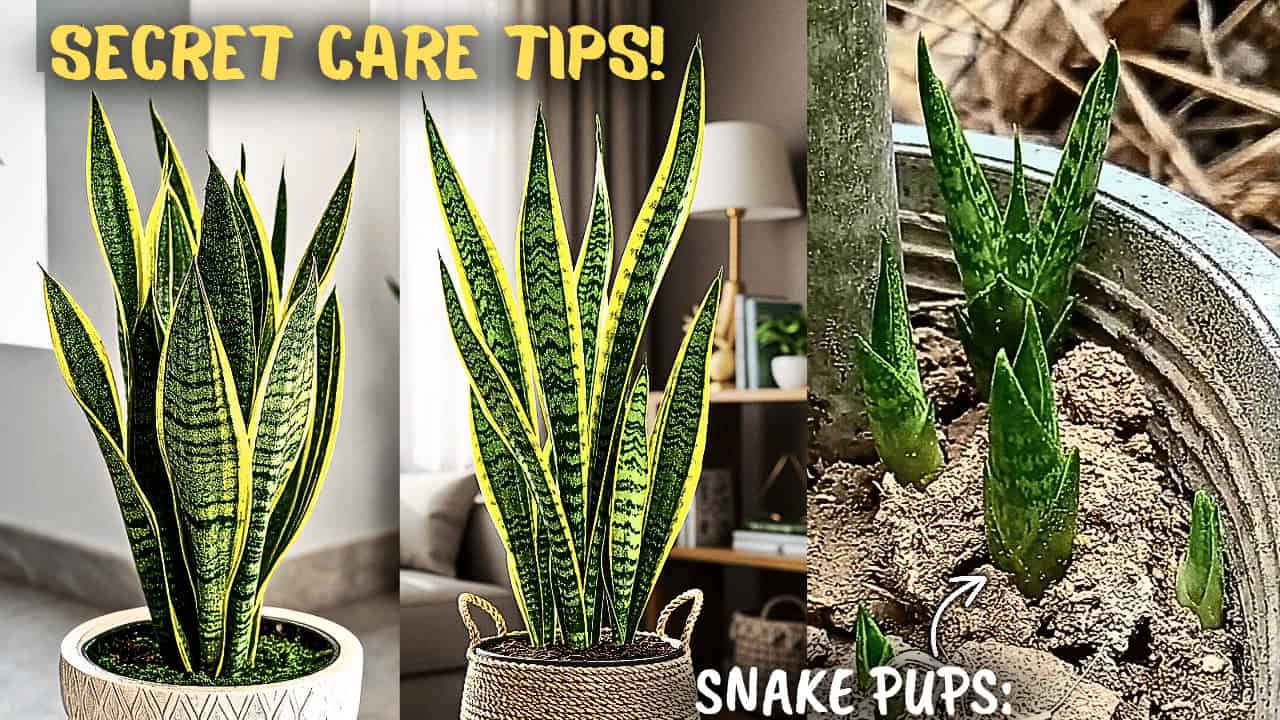
Snake Plant Care Tips For Beginners!
One of the most beginner-friendly indoor plants is the snake plant. It’s an almost zero-maintenance plant, and in this Post, we will see a few secret care tips for snake plants that will cut your efforts in half. So, let’s begin.
1-What’s the ideal growth time?
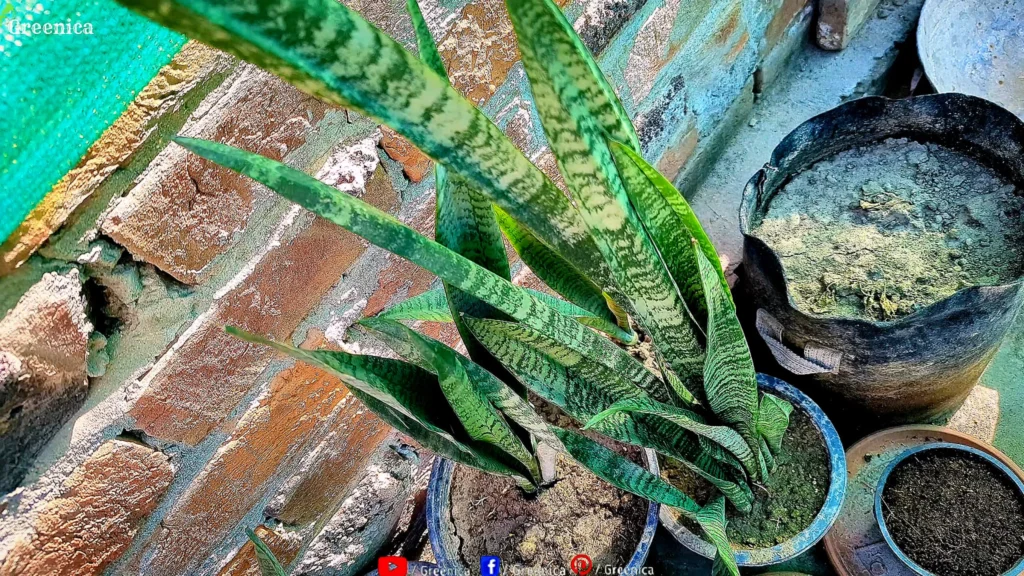
The first and most important thing you need to understand while growing a snake plant is its growing season. The snake plant, also known as Sansevieria or mother-in-law’s tongue, is a very hardy, easy-to-grow, low-maintenance indoor plant.
Sansevieria is native to tropical and subtropical regions, where it grows well in dry and hot weather. The growing season of the snake plant starts as soon as spring begins.
Warm weather is ideal for its fast growth. During the summer season, you will see new pups growing from the base of the plant, and the plant will produce long, slightly leggy leaves that curl and grow upward.
That’s because it thrives in the warm and dry environment that summer provides.
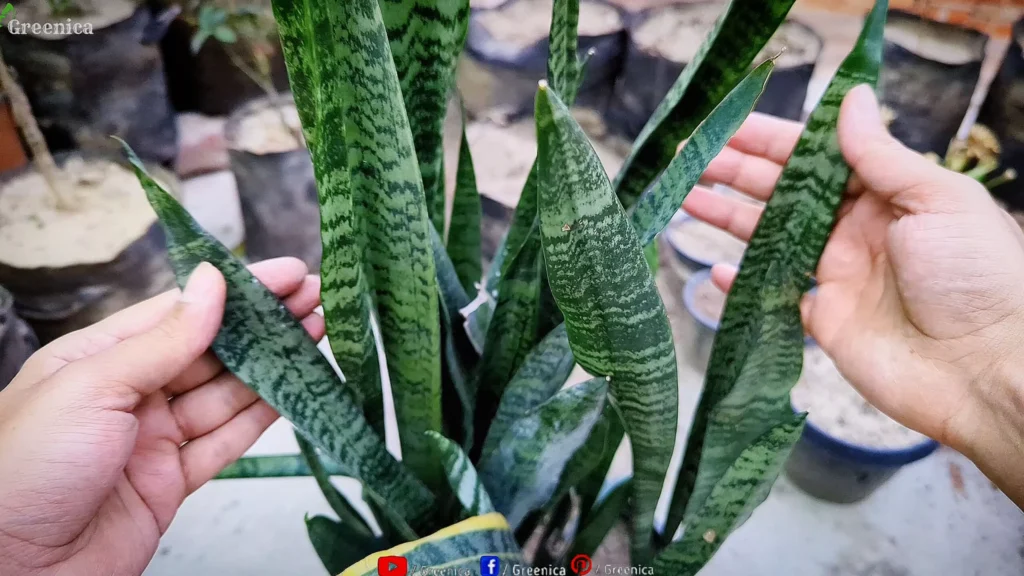
It is basically a succulent and doesn’t need much moisture. In fact, it stores its own moisture inside its stems and leaves. As soon as winter begins, you’ll see the plant stop growing and go dormant.
If you live in a cold climate where temperatures drop below 0°C, you should move your plant indoors during the harsh winter days.
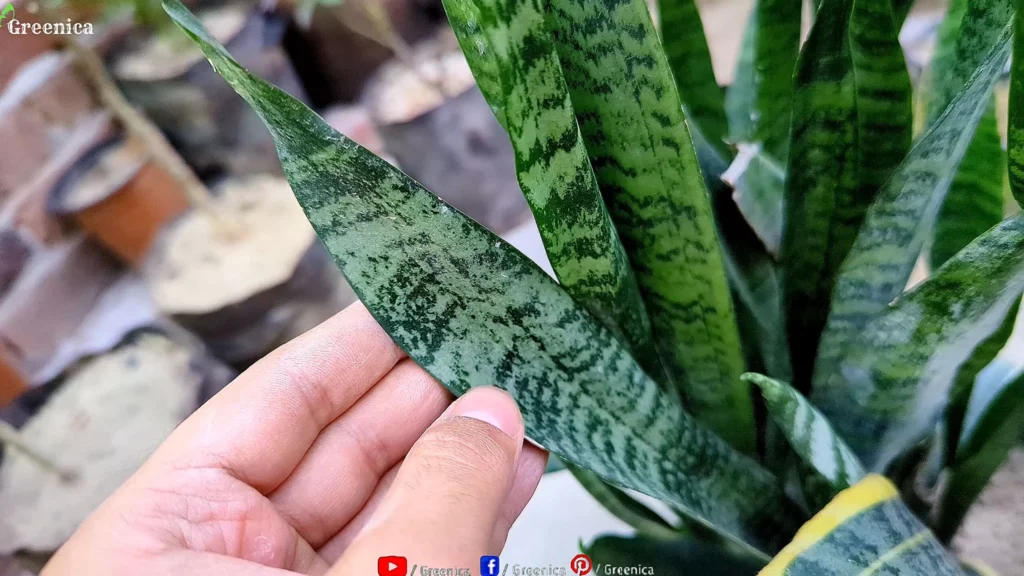
I live in a moderate climate where winter temperatures drop as low as 5–8°C, and I don’t see any major change in my plants, even when they are placed in open space.
So, the plant is very hardy—you don’t have to worry too much. Simply keep your plant under a shed during winter, and it will start growing again when spring arrives.
2-How to propagate a snake plant?
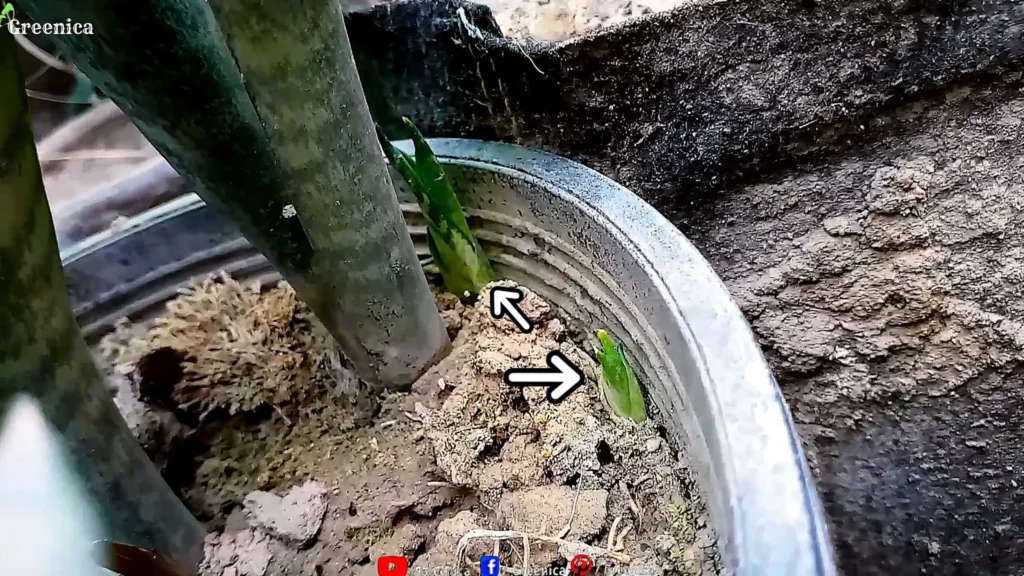
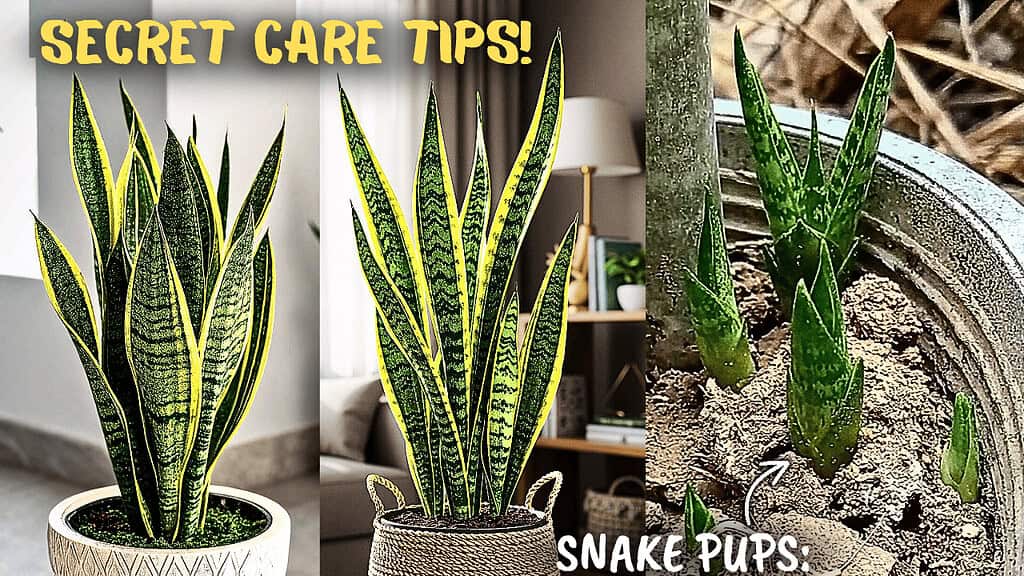
For starting a snake plant at home, you can follow two methods. One is dividing the pups that the plant produces over time. Last summer, I found my plant producing several pups from the base. you can see how small they were.
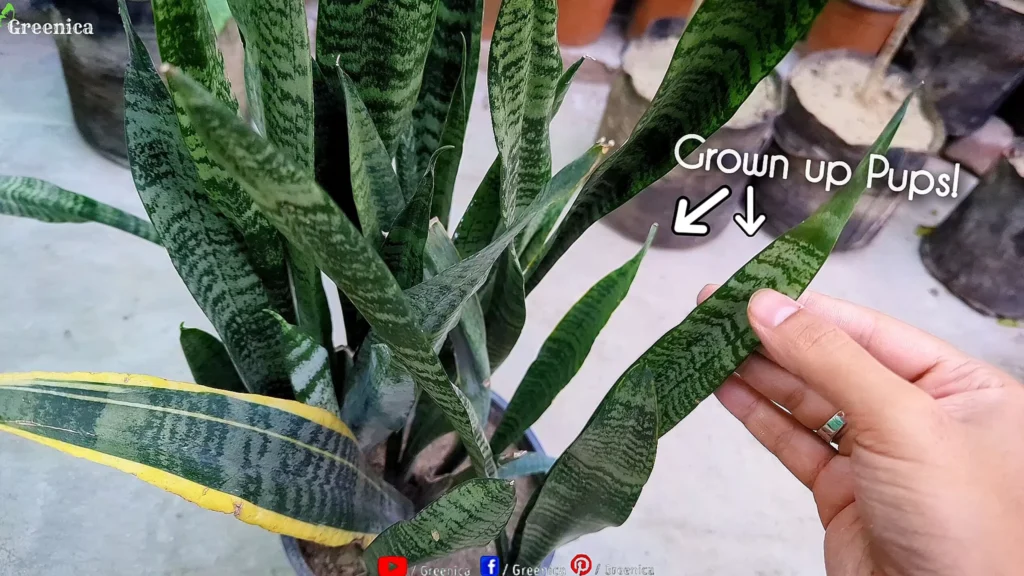
and after a few months, they look like this. And believe me, I did nothing at all. You can simply open the pot, loosen the roots, and you’ll see a network of roots connecting all the plants together.
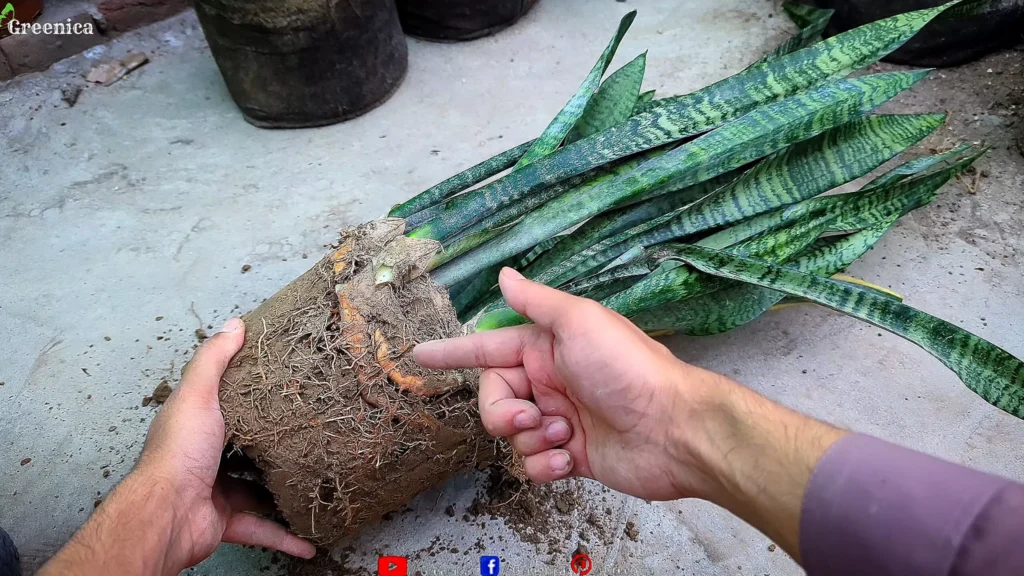
Cut them individually and plant them separately. This is how dividing snake plants is done. You can do this in the evening, and make sure not to water too much after planting, as it can cause rotting.
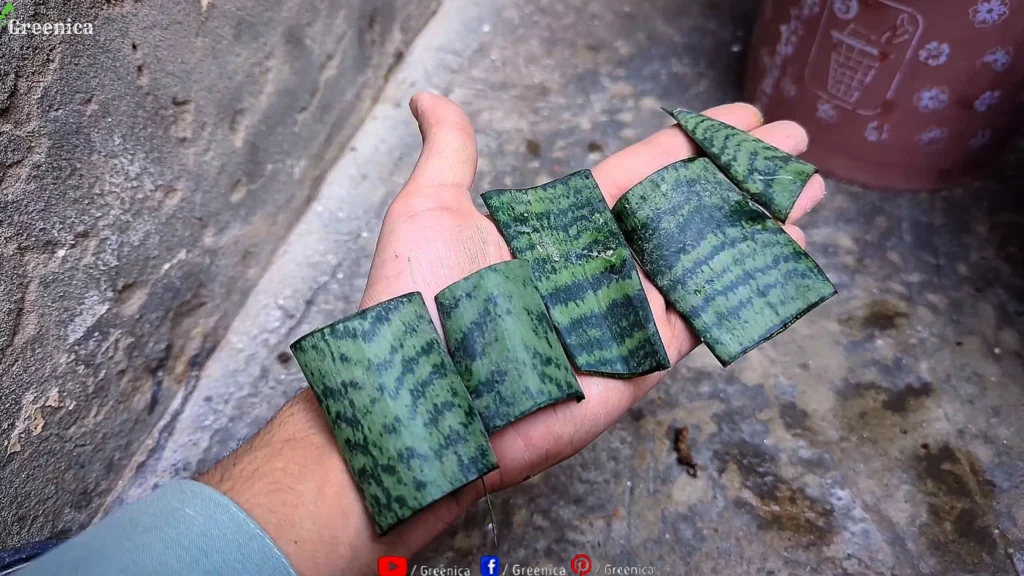
Another method is growing snake plants from cuttings. They are also very easy to propagate this way. Recently, when my plants were growing well, I took a single leaf and cut it into smaller pieces like these, then planted them in soil.
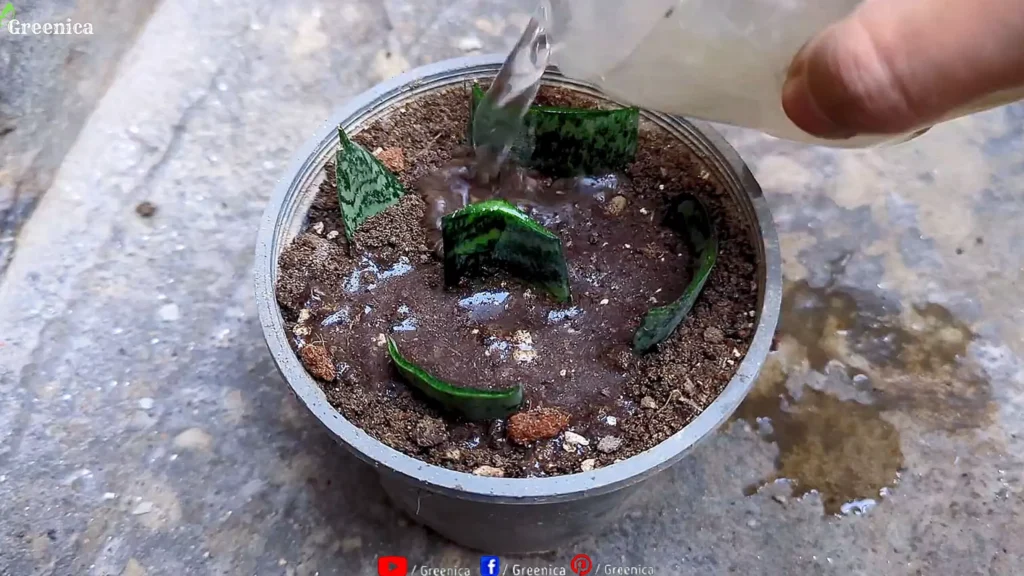
This was my first time growing snake plants from cuttings. Shortly after planting, the rainy season started, and all my pots retained too much moisture. The soil didn’t drain well, which caused the cuttings to rot.
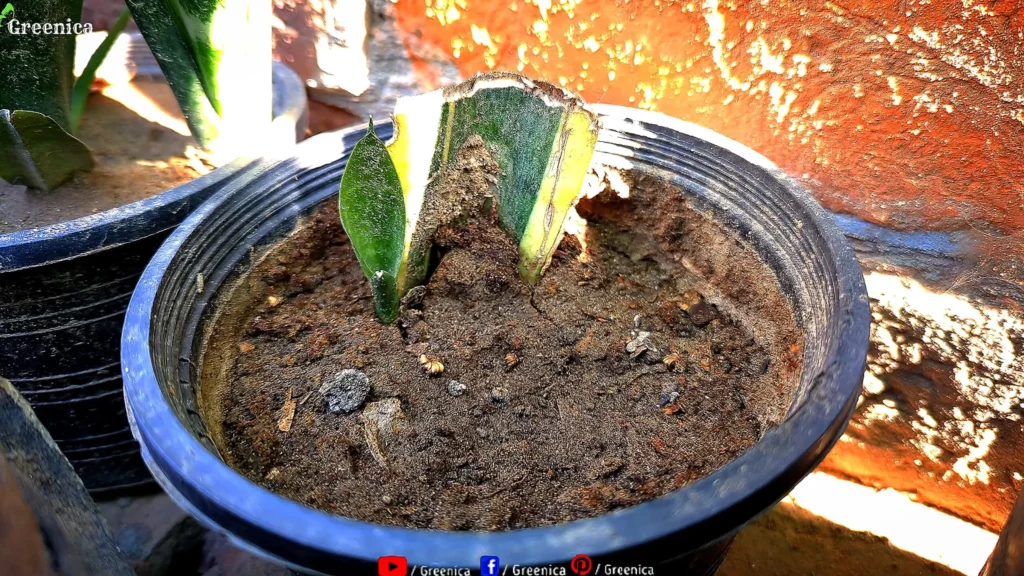
But the snake plant is so hardy that even after overwatering for a month, one cutting still grew into a small plant.
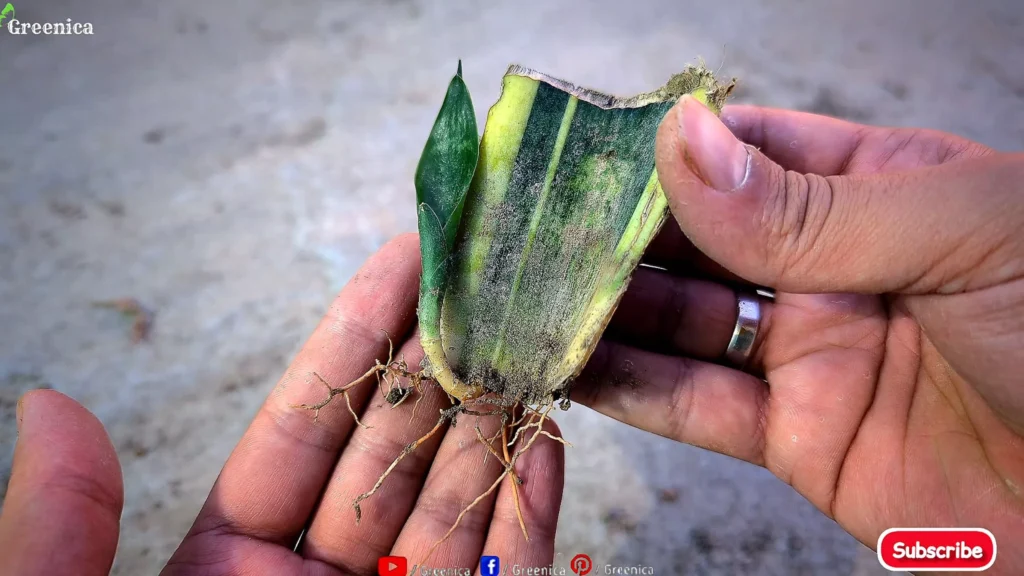
This is how a cutting-propagated snake plant looks—it has roots, leaves, and is a complete plant that will grow bigger over time.
If you are using cuttings, make sure to use a well-draining soil mix. Snake plants are succulents and hate overwatering.
3-The best soil mixture?
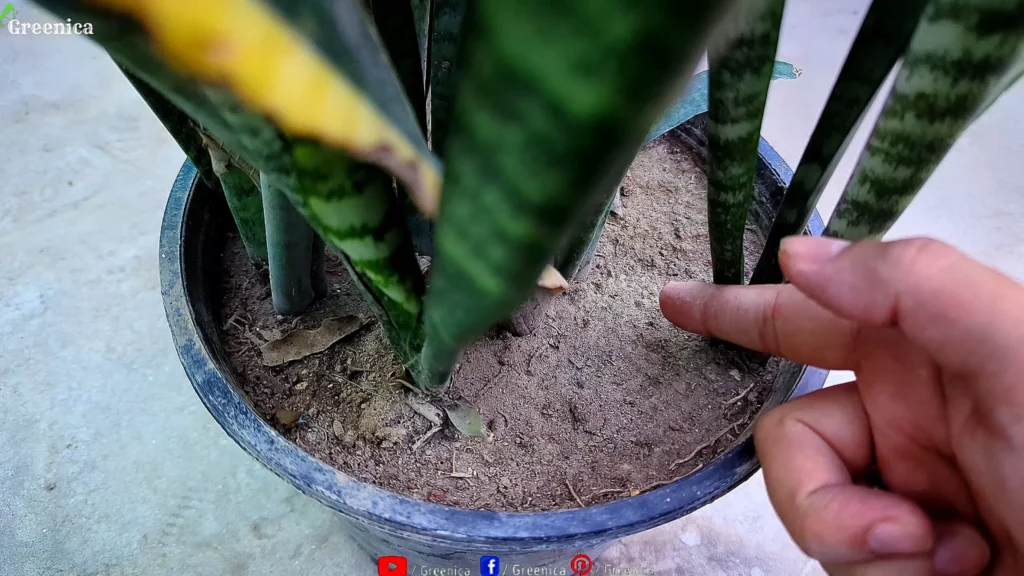
Another important factor for growing more snake plants during the season is the soil mix. If your soil is good, you’ll see the plant producing more pups, growing bigger, and becoming thicker. That’s all because of a proper soil mix.
It prefers a well-draining, slightly loose mixture. My plants are grown in nursery soil, which works fine, but the most ideal mix should be soft, loose, and easy to prepare.
A detailed guide for making this soil mix is provided Here. One pro tip: add some pebbles at the base of the pot while planting to improve drainage.
4-How to water a snake plant?
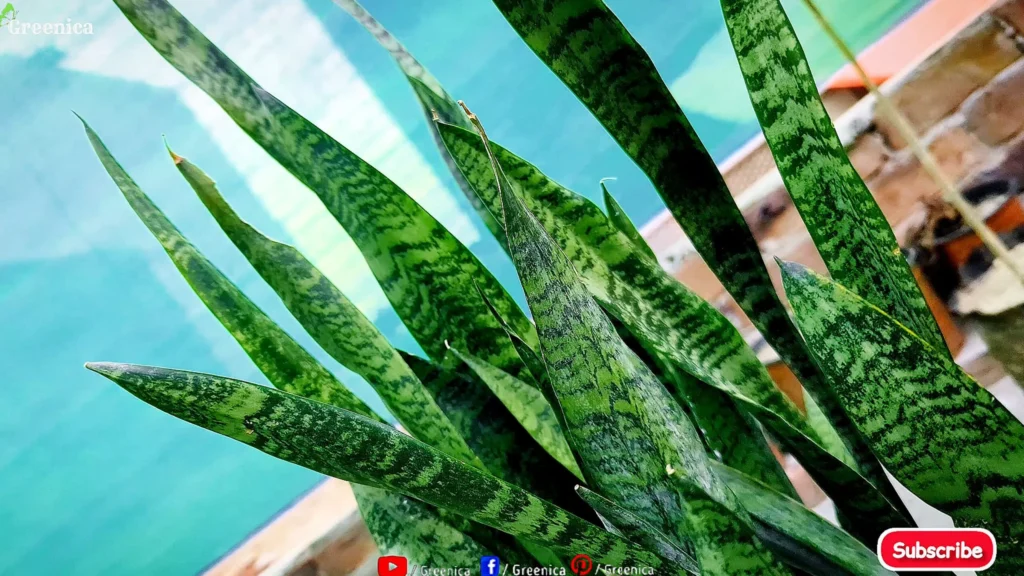
Another key factor for good growth is proper watering. It’s very important to know how to water a snake plant. Since it belongs to the succulent family, it doesn’t like too much moisture.
Even if the soil is only 10–20% moist—meaning it looks dry but not completely—the plant will still grow well. My method is to let the soil dry out after the top layer becomes dry.
I usually wait 2–4 days or even more before watering. This reduces the risk of overwatering. You can also check moisture by inserting your finger into the soil. Never water too much—just a small amount is enough.
5-Where to place snake plants?
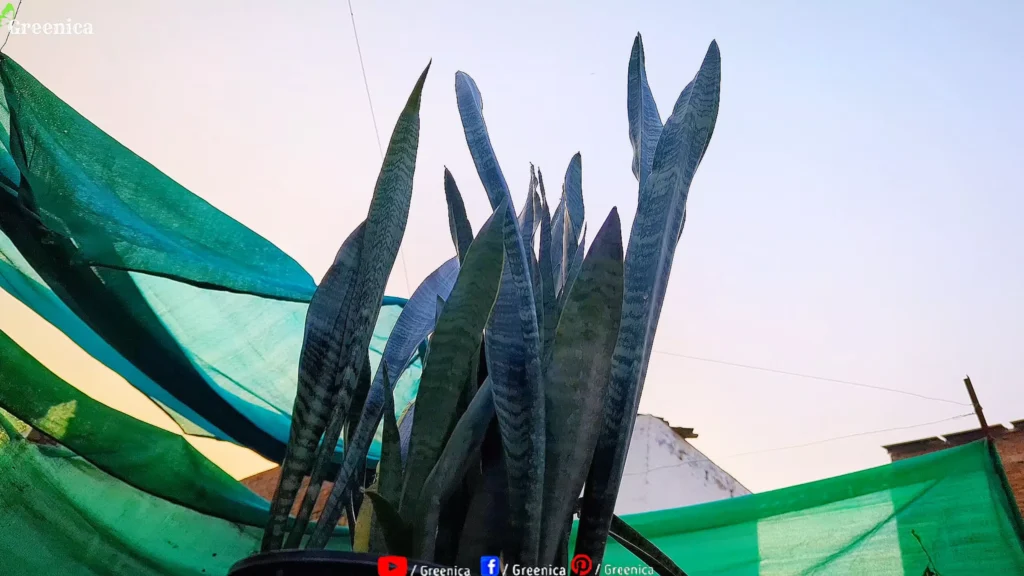
One of the most important things for getting more leaves and baby plants is the right location. If you place your snake plant in a very sunny spot, the leaves may turn reddish and growth can become slow or stunted.
Snake plants prefer indirect light, meaning no direct sunlight throughout the day, but bright indirect light for many hours. You can also place them under the shade of bigger plants, where they receive filtered light.
Direct sunlight can stunt growth, and too little light can cause leggy, abnormal growth. So, maintain a balance—keep the plant near a bright spot, but not under direct sun.
6-Does it need fertilizer?
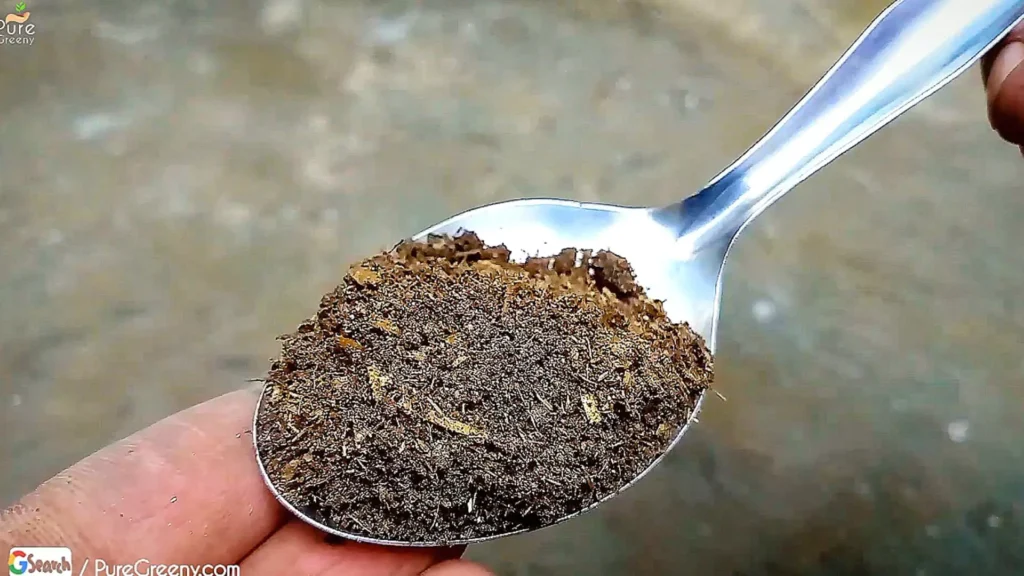
Another important factor is fertilization. Snake plants are low feeders and don’t require heavy fertilization, but that doesn’t mean no fertilizer is needed. Occasionally, you should provide some nutrients.
Otherwise, as the soil gets depleted, growth will slow down. For fertilizing snake plants, you can use this homemade organic fertilizer designed for indoor plants.
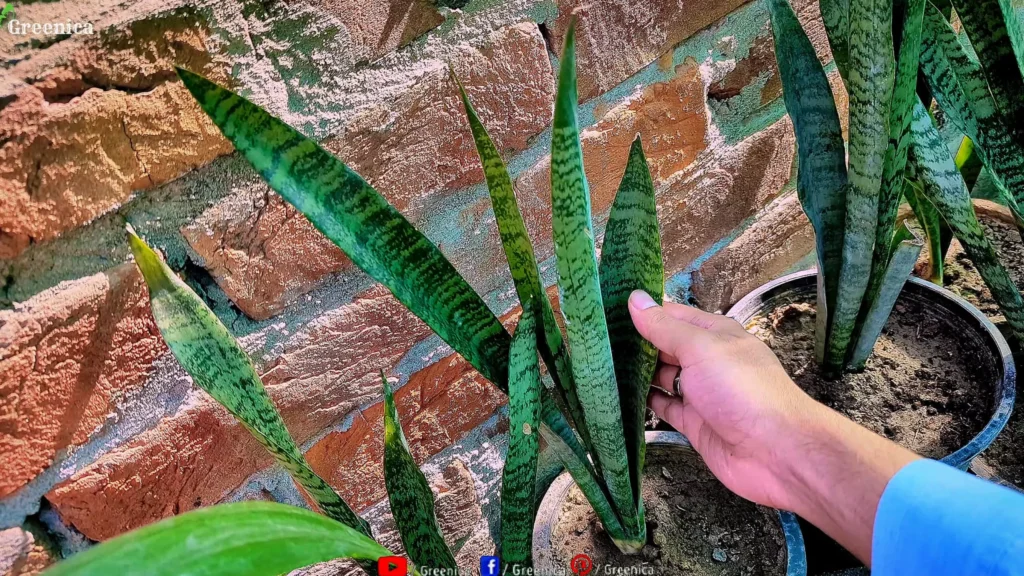
I personally use it on all my indoor plants like pothos, spider plant, ponytail palm, and areca palm, and it works very well. A detailed guide for making this fertilizer is provided Here.
And here is a detailed Guide on growing healthy green pothos at home—feel free to check it out.