Lemon Plant Care & Flowering Tips! (Most Beginner’s Don’t Know)
Most beginners don’t know What Trigger flowering on lemon plants, & Here we will see a few practical tricks to get maximum growth and flowering on your potted lemon plants. So, let’s begin.
1-Season Triggers the Flowering!
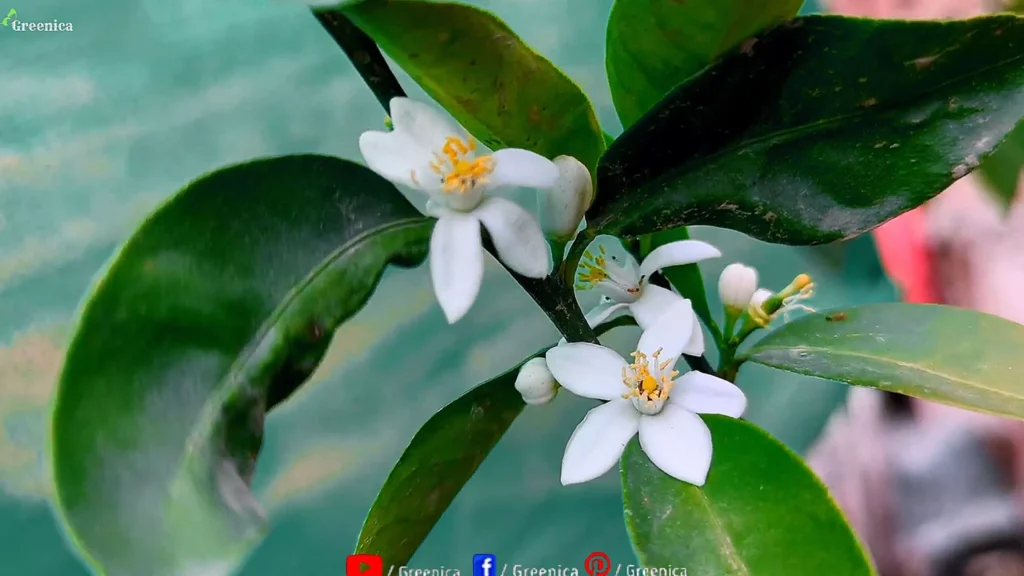
The first and most important thing you need to understand for getting a lot of growth on your lemon plant is the right season. The ideal season is very important for healthy growth and flowering.
Generally, lemon plants grow well in summers. You’ll see a lot of new shoots growing when the temperature is warm, and after a period of shock and dormancy, when the lemon plant experiences a warm environment, it signals the plant to start flowering. That is why you will see the plant flowering in the spring season.
The one thing that might be stopping the flowering of your lemon plant is the season. Maybe in your area, the temperature isn’t right yet for healthy flowering, and you are worrying for nothing.
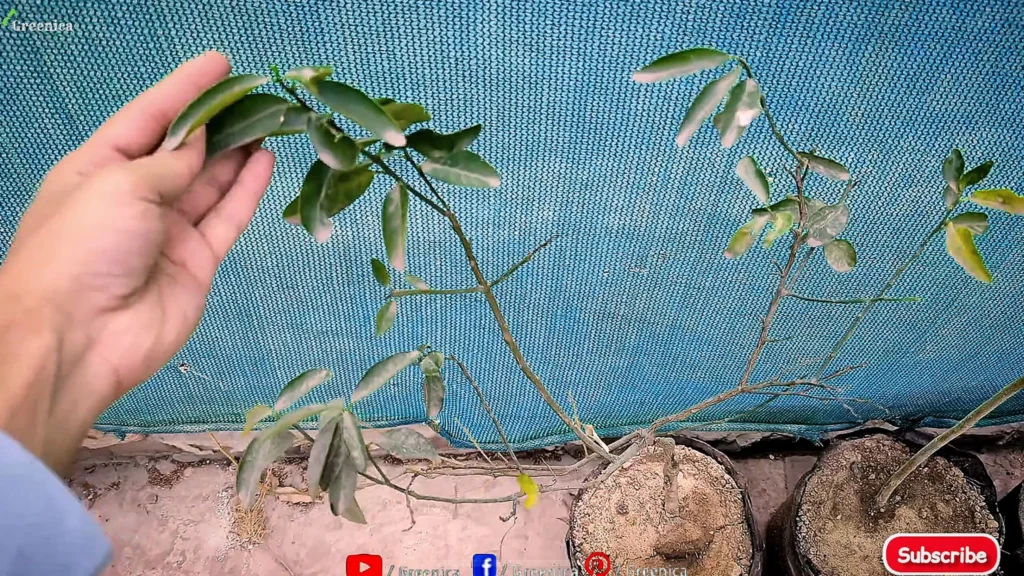
I brought this plant home in winters. It had a few leaves, but the plant was totally in dormancy. There was no growth at all. I shouldn’t expect flowering, and I knew this season was not ideal at all.
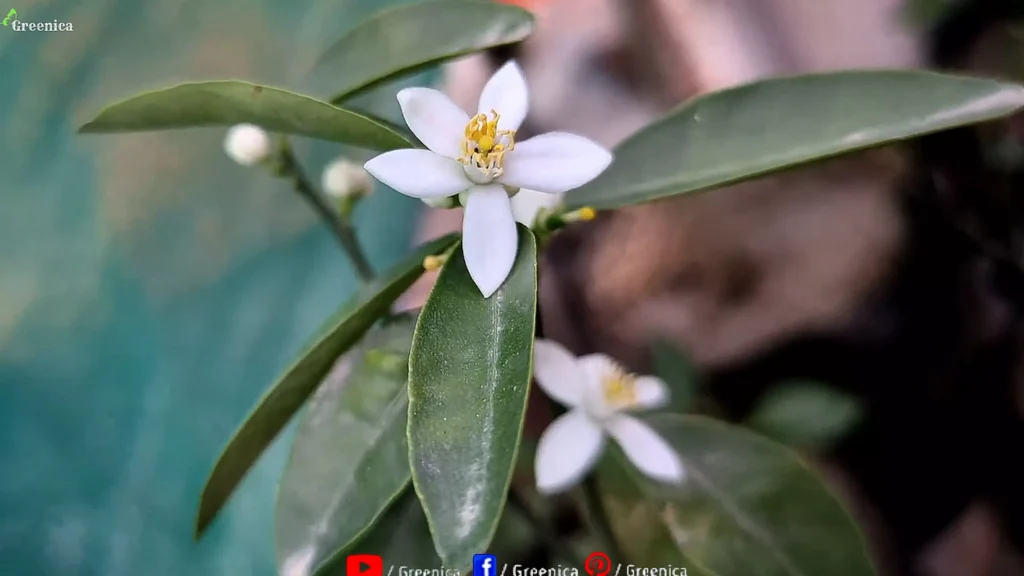
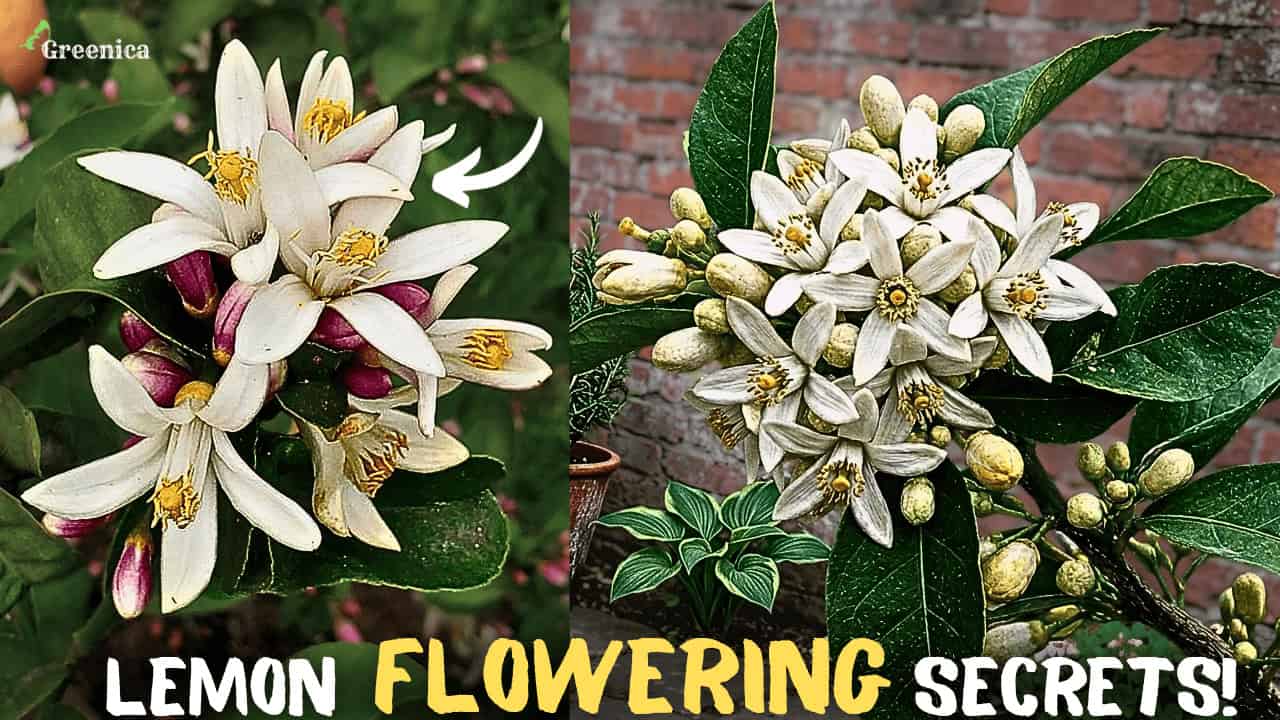
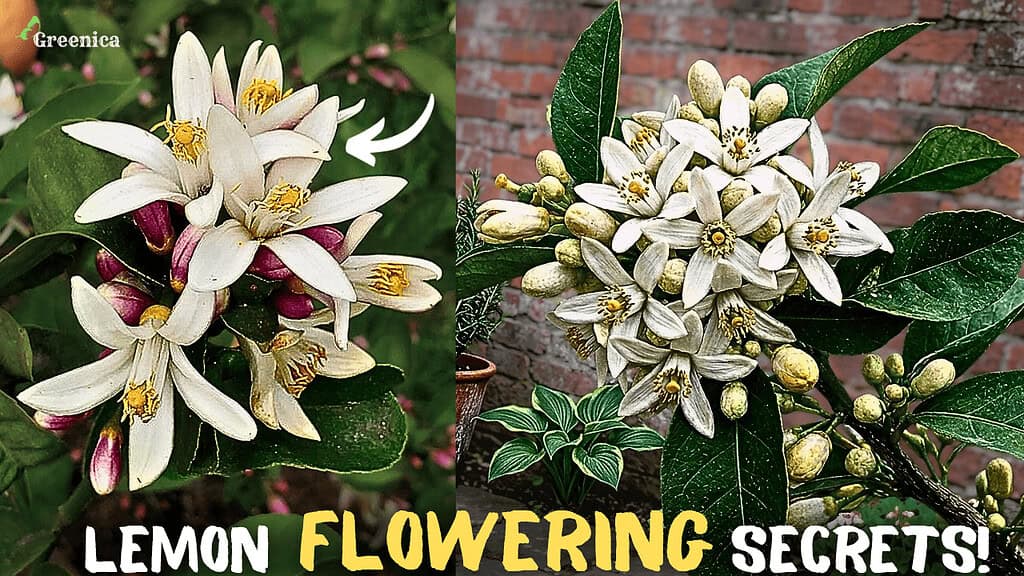
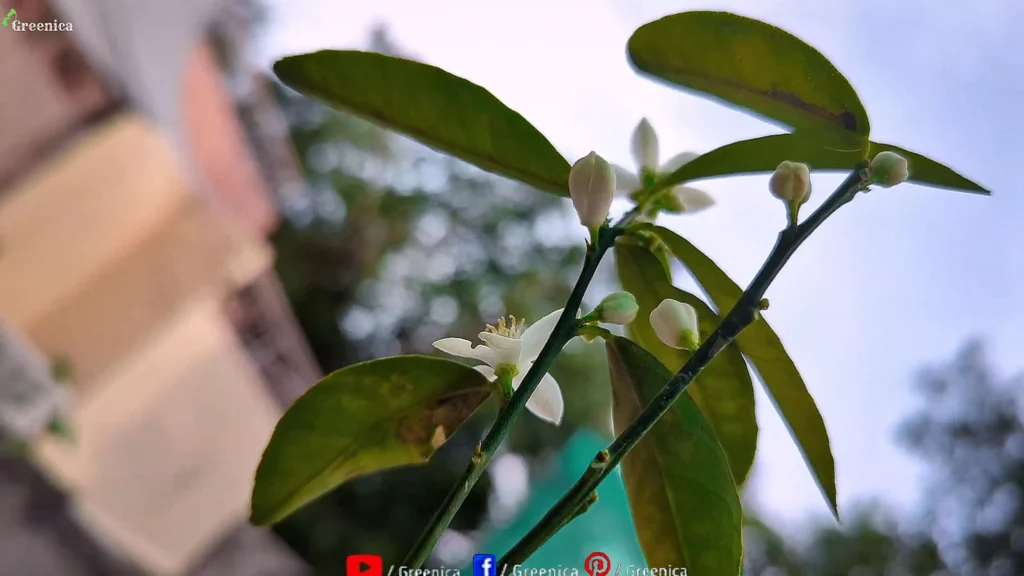
I had to wait, and as soon as the spring season started, the plant immediately started making white, bulb-shaped blooms, and a lot of them. That was because of my fertilizer, but more on that later.
For now, understand this: when the season is ideal, your lemon plant initiates flowering on its own.
In warm climates, you will see the plant flowering during the spring season and at the end of summers. On the other hand, in colder regions, lemon plants produce flowers throughout the summer months from time to time, while winters are for dormancy. Just keep your plant under shade, and it will survive.
2-Soil’s Role for Heavy Flowering?
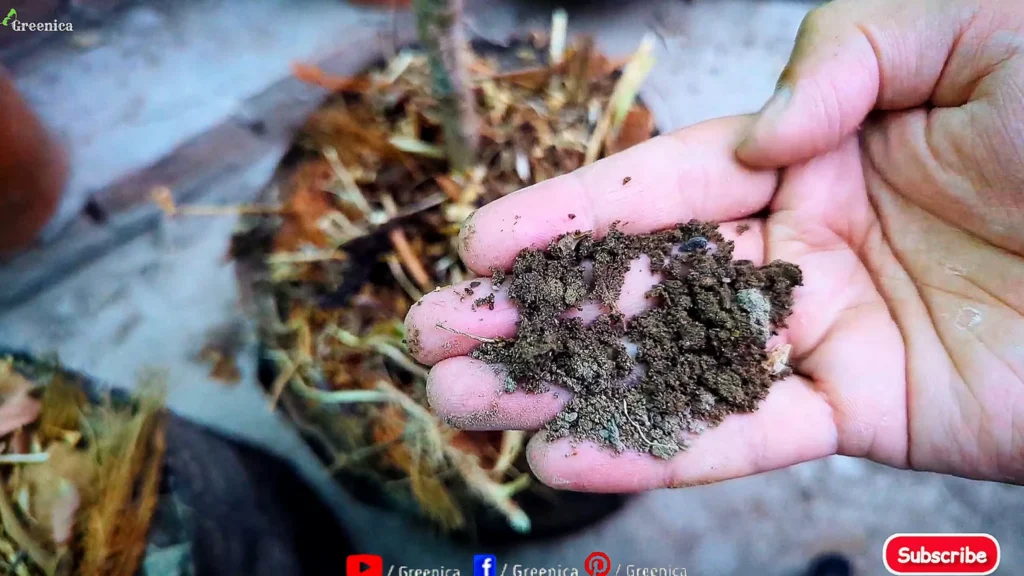
Another key thing for getting a lot of blooms on your lemon plant is the right kind of soil media. Even during the growing season, you may not see flowers appearing on your lemon plant.
That’s because your soil media isn’t good enough for root growth. In the ideal season, first of all, roots start growing, and that is the signal to initiate flowering and new growth. But in a compact and hard mixture, that is not possible.
One thing that most gardeners do wrong is using any soil media for any plant. A good soil media is one that drains excess moisture effectively and, at the same time, is loose and fertile.
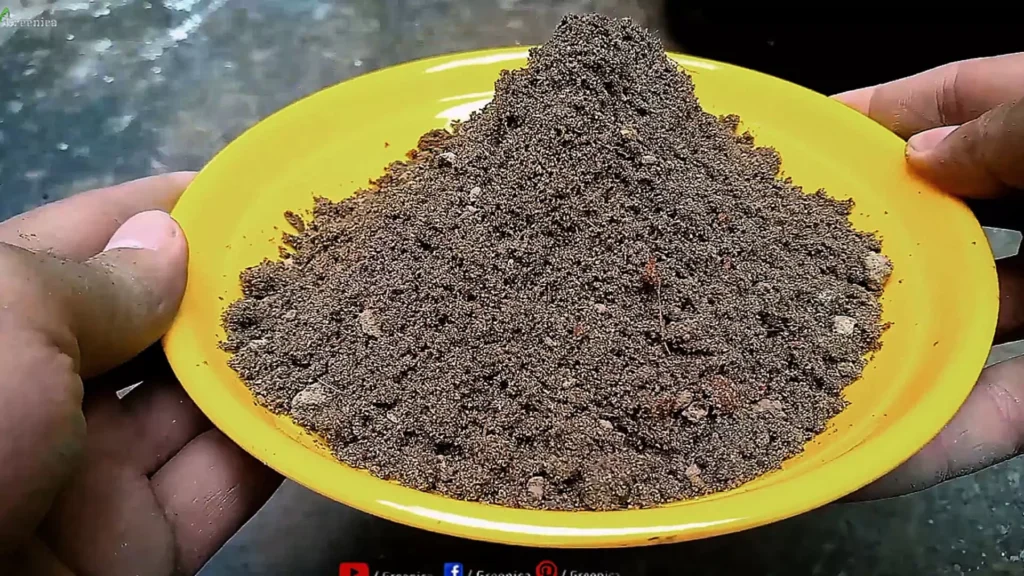
That’s how a lemon plant likes its soil, and you should focus on this. I have prepared my own soil media that behaves the same. It’s a mix of simple ingredients like coco peat, compost, and garden soil.
You can follow This guide from Here, and just make sure your soil media isn’t hard and compact. In such a mixture, flowering and fruiting simply won’t happen.
3-Watering or No Watering?
Another key thing you need to understand is the correct watering of your lemon plant. Your lemon plant might be overwatered, which is why it’s under shock even when the season is ideal.
That’s a big reason why flowering doesn’t happen well in a potted lemon plant. In the ground, you won’t see such a problem, but for container gardeners, we have to learn the proper way of watering.
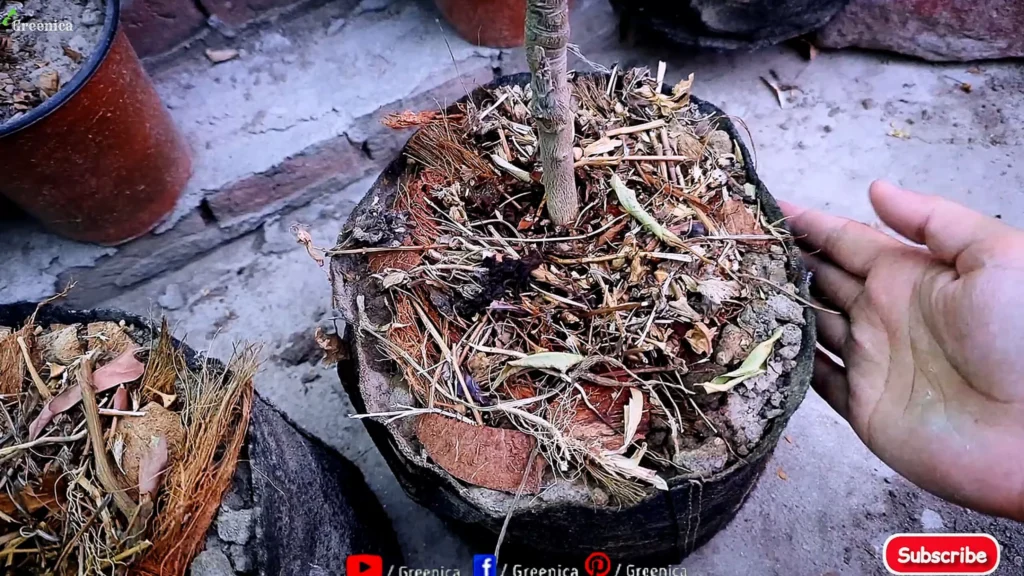
My lemon plant is placed on the roof under the open sky. The weather gets very hot during summers, so I used some dried leaves and coco husk to make a light mulch. That is important to maintain soil moisture.
Mulching is extremely beneficial, especially in summer. I have done a guide on mulching if you’d like to follow it; it’s added Here.
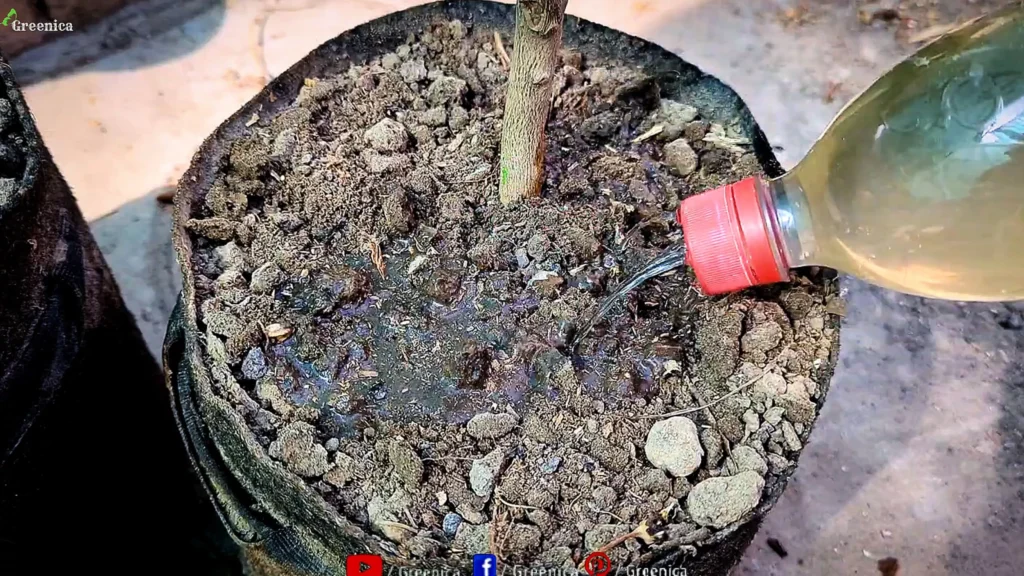
For now, watering is very easy for me because the daytime temperature dries most of the moisture. When I see the soil surface is dry, I add some water—not too much, not too little.
The simple rule is to dig a little into the soil and check how dry or moist it is, and water accordingly. Too much moisture in the soil can cause yellowing leaves, flower bud drop, and even young fruit drop.
4-Where to Place a Lemon Plant for Growth & Flowering?
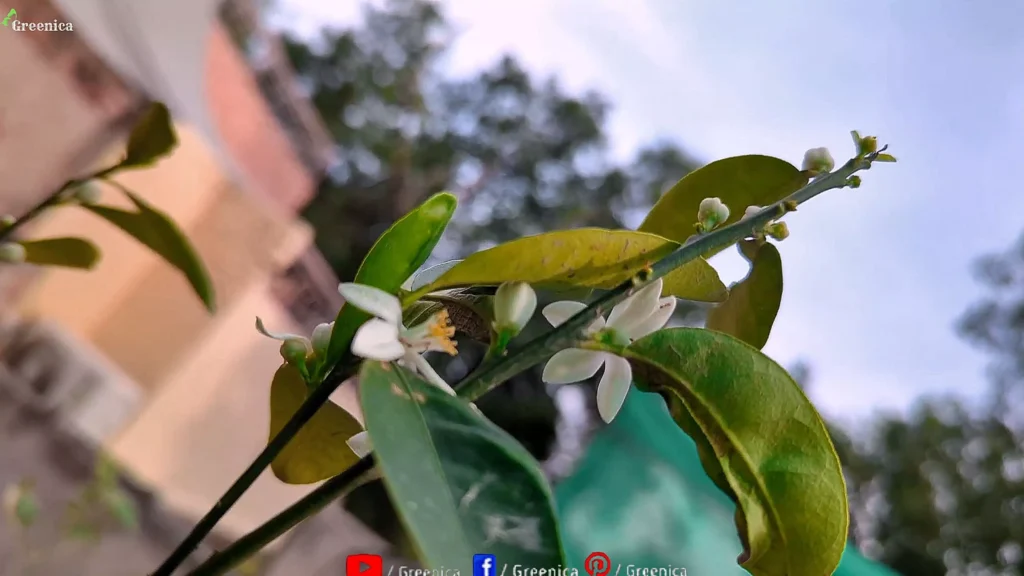
Another key thing you need to understand for getting a lot of flowers and helping them turn into fruit is the right location. If your lemon plant is placed in a sunny spot, you will see the plant performing really well.
The flowers will turn into young fruit, new shoots will grow, and most blooms will successfully develop into fruit. That’s all because of a sunny spot.
My plant is also placed in a sunny spot under the open sky. It gets at least 4 to 5 hours of sunlight daily. Just make sure your plant receives at least 2 to 4 hours of sunlight; otherwise, it will lag in growth and flowering.
5-The Fertilizer I Use…
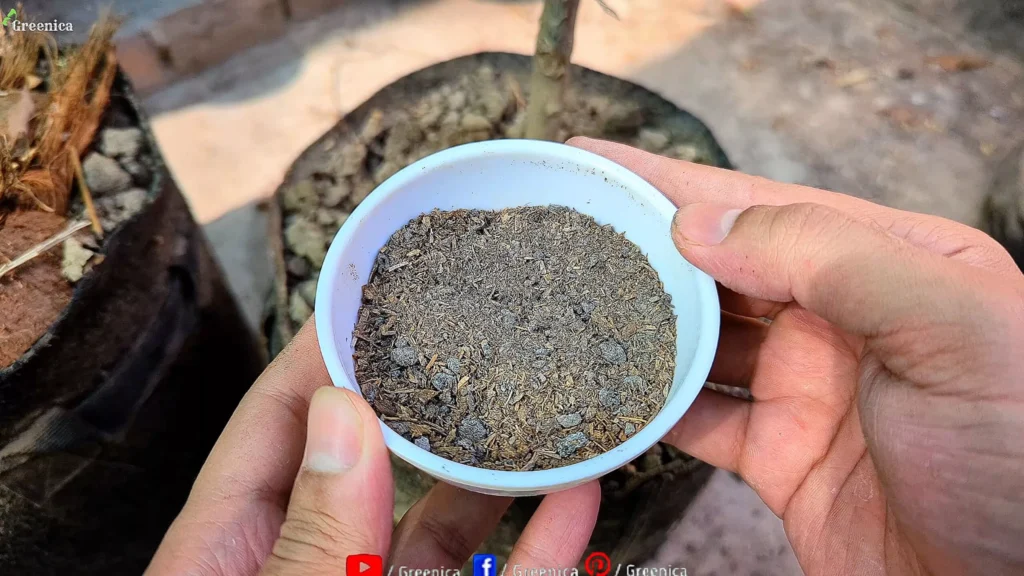
Now comes an important part of the guide, which is fertilization. Fertilizer doesn’t trigger flowering, but it does enhance and multiply the number of flowers on your plant. Think of it as a flower booster, not just plant food. Fertilizer plays a key role in the flowering of most plants.
That is why I prepared a flower fertilizer that I can use from time to time whenever my plants reach the flowering stage. It’s made from simple organic ingredients.
I tried it on hibiscus, winter flowers like hollyhocks, African daisy, pansy, and marigolds. For example, look at this amaryllis flower—it bloomed really well, and that’s because of my fertilizer.
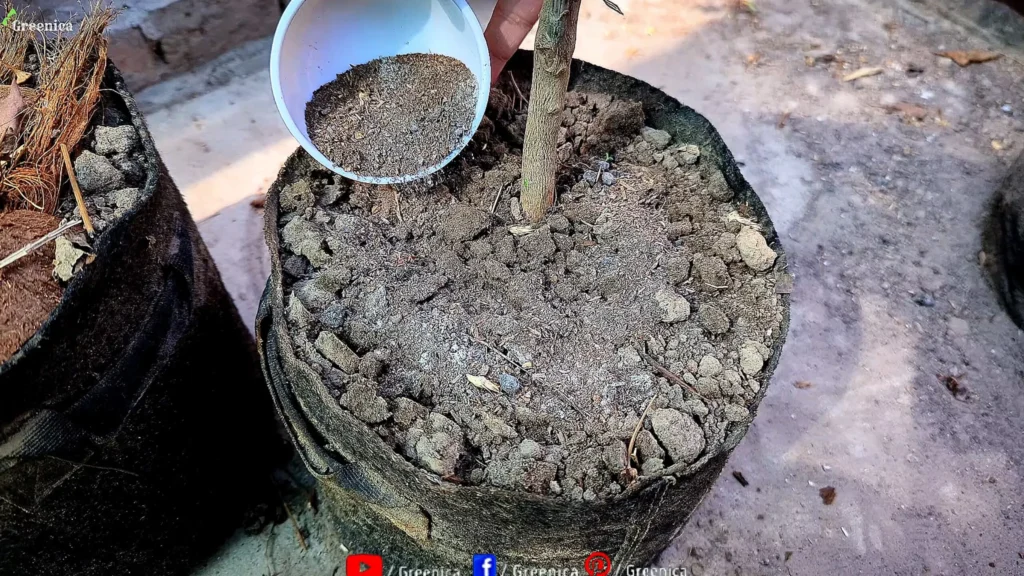
You can use it as soon as the spring season begins. It provides a lot of nutrients to the plant so it can produce more blooms and convert them into fruit. A detailed guide on this is added Here, so feel free to follow it.
These are the tips and tricks that I learned the hard way. I tried to simplify them so you can benefit. And remember, since we are planting in containers, the pot size is very important.
So, make sure you choose a good-sized pot for your lemon plant, and hopefully, you will succeed. Some good-sized pots are also added Here that you can buy.