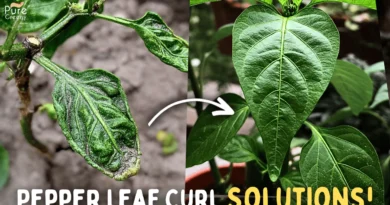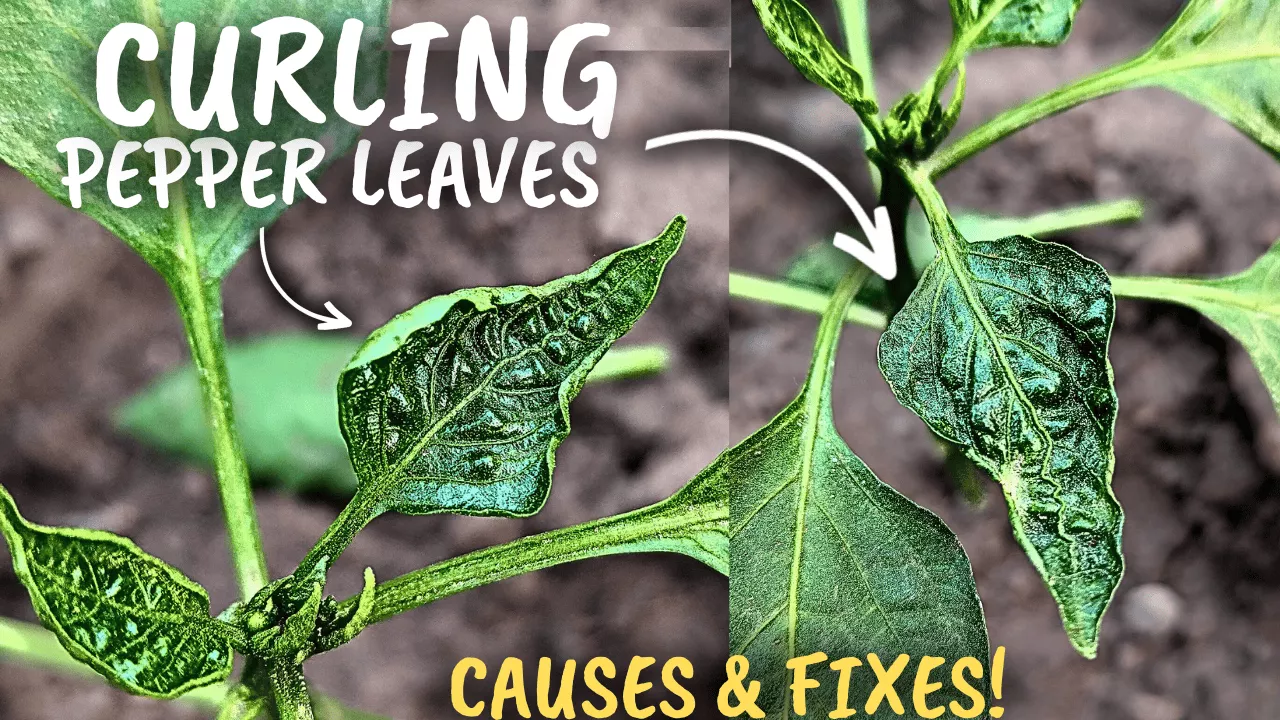
Pepper Leaves Curling Disease! (Causes & Fixes)
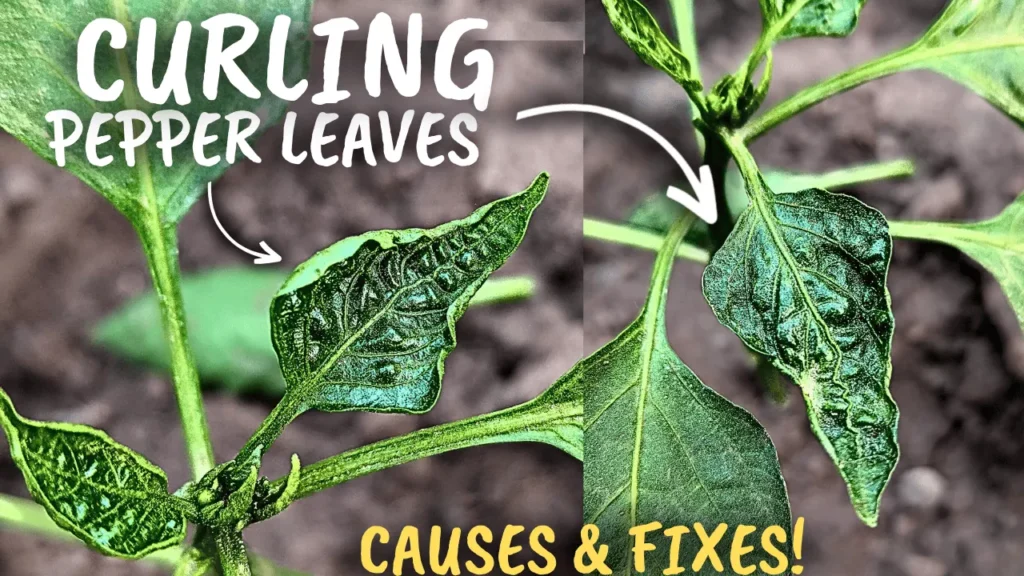
In this Guide, we will see what causes pepper leaf curling disease and how we can fix it. So let’s begin.
1-Nutritional Deficiency:
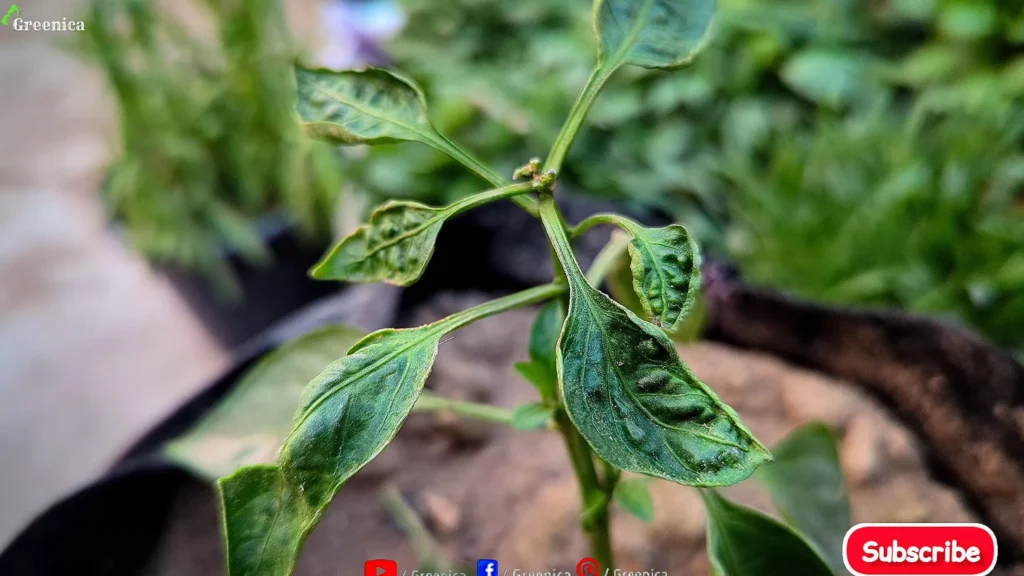
The most common cause of pepper leaf curl disease is nutritional deficiency. It is very common. When your pepper plants feel a shortage of nutrients in the soil, they start curling their leaves. This is their way of telling you to add nutrition to the soil.
Now, the question is: how can you be sure it is due to nutritional deficiency? It is very simple. When leaf curling in pepper plants is caused by nutrient deficiency, it happens slowly, not overnight.
There are no signs of pest attack on the plant, and the soil generally looks fine. If these signs match, most probably your pepper plants are suffering from nutritional deficiency.
In the case of nitrogen deficiency, you will see pale growth, with older leaves curling downward. Potassium deficiency causes leaves to curl from the edges, with a burnt and dry leaf appearance.
In the case of calcium deficiency, you will notice curling and deforming of new growth. Most importantly, this happens only on new growth, while older leaves remain exactly the same.
In magnesium deficiency, you will see green veins on the leaves while the rest of the leaf turns yellow, and older leaves may curl slightly upward.
Overall, it is very hard to identify the exact nutrient that is missing. What you can do is simply confirm that it is a nutritional deficiency and then apply an all-in-one fertilizer. Make sure your fertilizer contains all macronutrients, micronutrients, and trace elements.
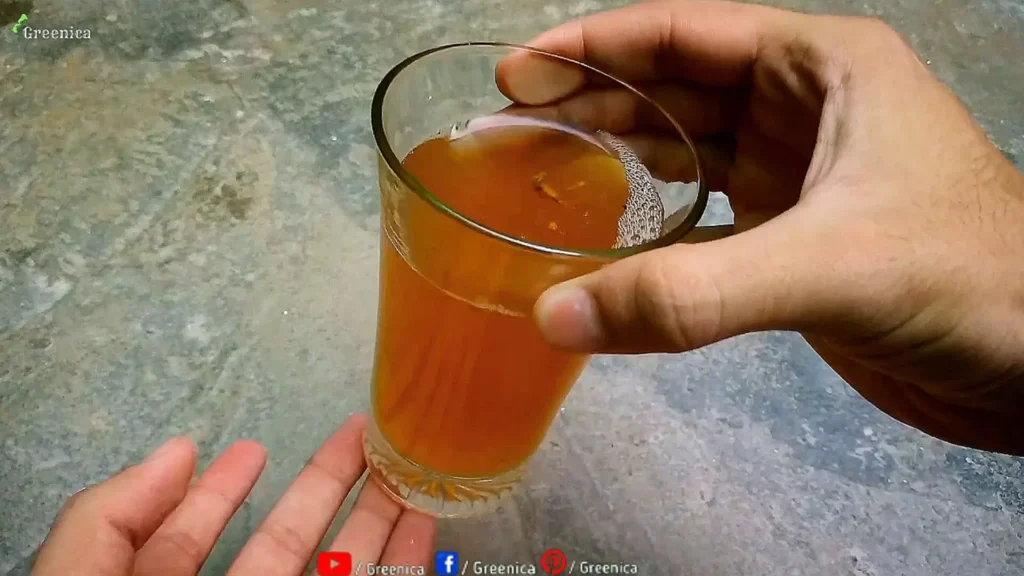
I recommend using a compost tea liquid fertilizer. It works quickly and contains almost all essential nutrients, along with a slightly acidic pH, which is very beneficial for pepper plants. A Detailed guide on how to make compost tea liquid fertilizer is added Here.
One more thing can happen: you may be using fertilizer regularly, but it is not being absorbed effectively by the plant. This usually happens due to soil pH issues. If your soil pH is not ideal, it can result in nutrient deficiency and leaf curling.
First, make sure the pH is actually unsuitable. If the soil is very acidic (below pH 6), use limestone solution or wood ash in the soil. This will help bring the pH back to a normal range. If the soil is alkaline, use one teaspoon of vinegar in one liter of water and apply it to the soil.
By correcting the soil pH, your plant will start absorbing nutrients properly, and new growth will become normal, green, and healthy.
2-Compact Soil Media:
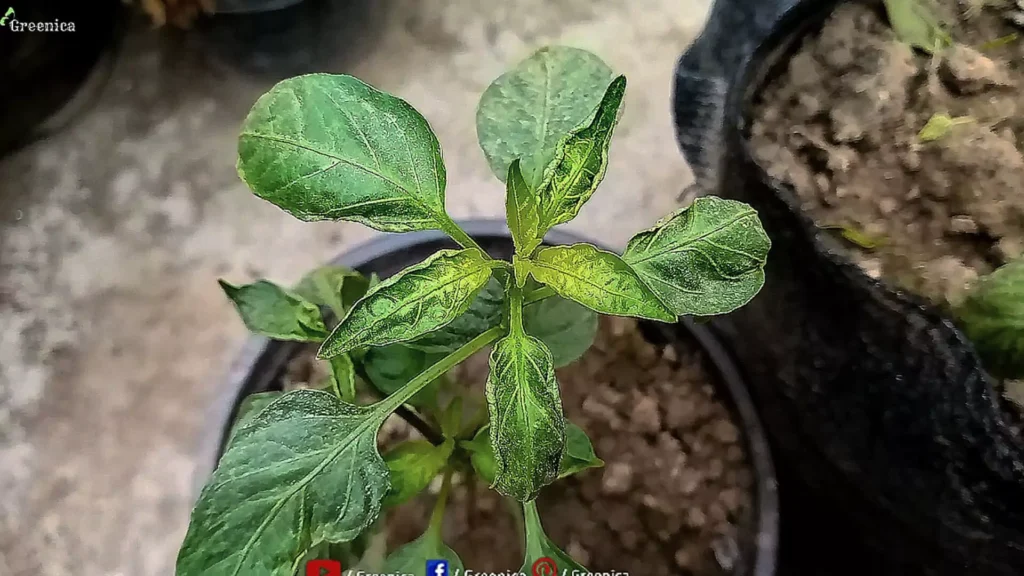
Another very common cause of pepper leaf curl problems is compact soil media. We often use ordinary soil for pepper plants, and when the soil becomes compact and hard, the roots are unable to grow properly. As a result, the plant starts curling its leaves.
To identify if the problem is soil compaction, simply insert your finger into the soil. If it feels hard and compact, then it is definitely your soil media causing the issue.
Pepper plants require loose, fertile, and well-draining soil. To fix this problem, you can either change the soil completely or add sand or coco peat to your existing mixture to make it loose and well-draining.
A cheap yet effective soil recipe is also added Here. You can follow that.
3-Viral Attack:

One common cause of pepper plant leaf curling is viral attack. There is a virus present in the environment known as Pepper Leaf Curl Virus. When this virus infects a plant, the plant’s growth becomes severely curled almost overnight.
This is a very serious issue. A viral infection cannot be cured. The best solution is to dispose of the infected plant immediately to protect your other plants.
Now, let’s understand how to identify a viral attack. When leaf curl virus attacks pepper plants, the new growth becomes highly distorted and deformed.
The leaves turn hard and brittle. If you notice whiteflies on or under your pepper plant leaves, it is very likely due to leaf curl virus.
The plant also shows severe stunted growth and remains dwarf, without proper development. Whiteflies carry this virus, so you should immediately control them using a suitable pesticide.
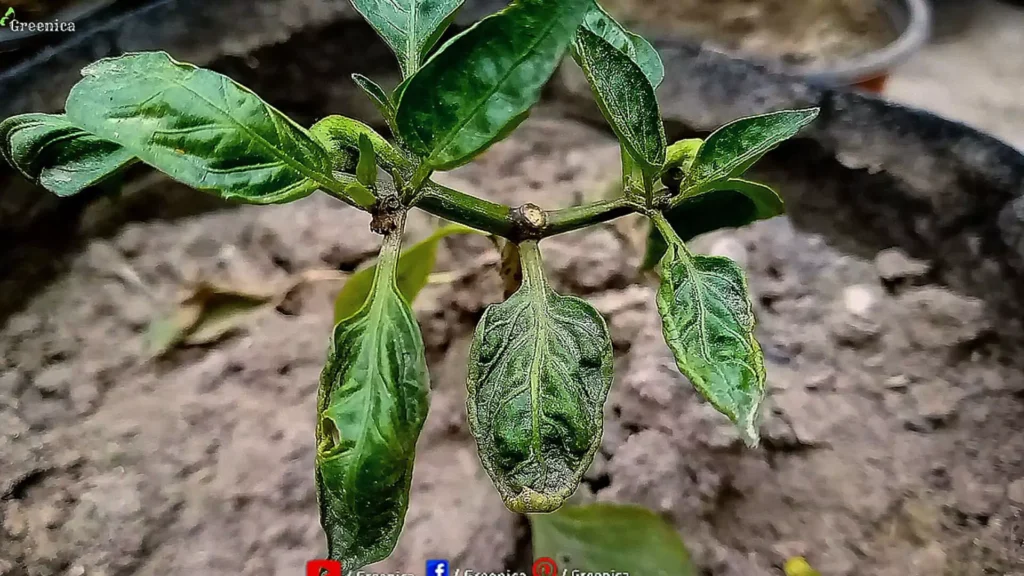
If the infection is in an early stage, the plant may recover on its own, but there is no guaranteed cure for this virus. Always separate the infected plant from others to prevent spreading.
You can also use neem oil spray on alternate days. If you see signs of recovery, that is good. Otherwise, it is best to dispose of the plant. For making neem oil spray at home, you can follow the link Here.
4-Heavy Shock:

Another cause of pepper leaf curling is environmental shock. When pepper plants experience stress or shock, their leaves may curl. This shock can be due to changing seasons, recent transplanting, heavy fertilization, or overwatering.
All these factors can trigger leaf curling. However, once the shock is reduced, the plant usually starts producing healthy new leaves Again. If the season is changing rapidly, expect temporary leaf curling.
If you have transplanted the plant recently, curling may appear for some time. If the soil remains too wet all the time, fix the watering issue, otherwise leaf curling will continue.
5-Pest Attack:
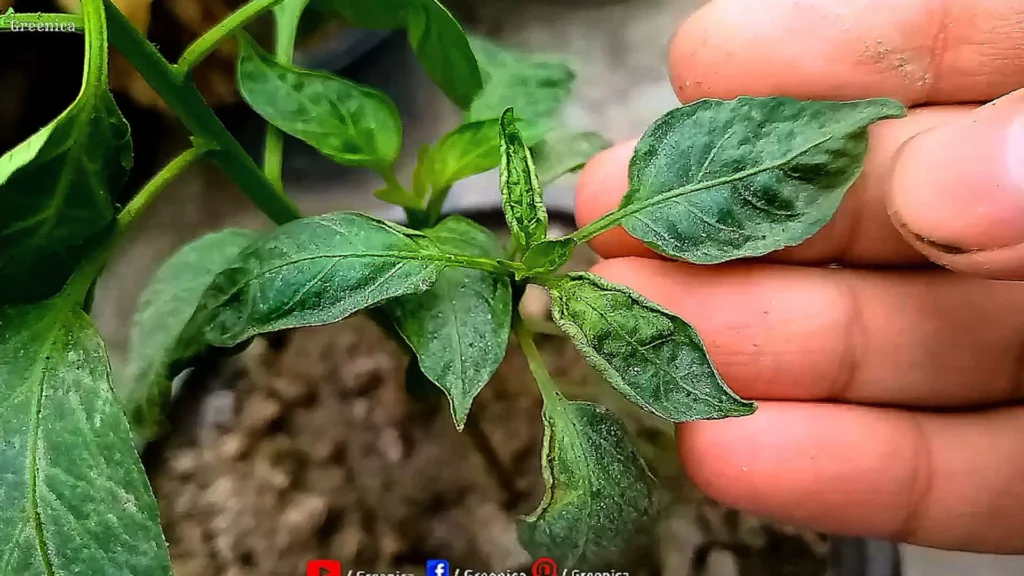
Another common cause of pepper leaf curling is pest attack. When pepper plants are attacked by sap-sucking pests like aphids, leaf curling is very common. This happens because these pests suck out essential nutrients from the plant.
As a result, the plant becomes nutritionally deficient, since its food is being stolen by insects. Eventually, you will see symptoms like curling leaves and sometimes leaf deformation or peeling.
To fix this problem, first control the pests using a suitable pesticide. Once the pests are gone, apply a good quality fertilizer to help the plant recover.
I have also prepared a balanced organic fertilizer for vegetable plants, which works very well on pepper plants. A Detailed guide for this is added Here. Feel free to follow it.