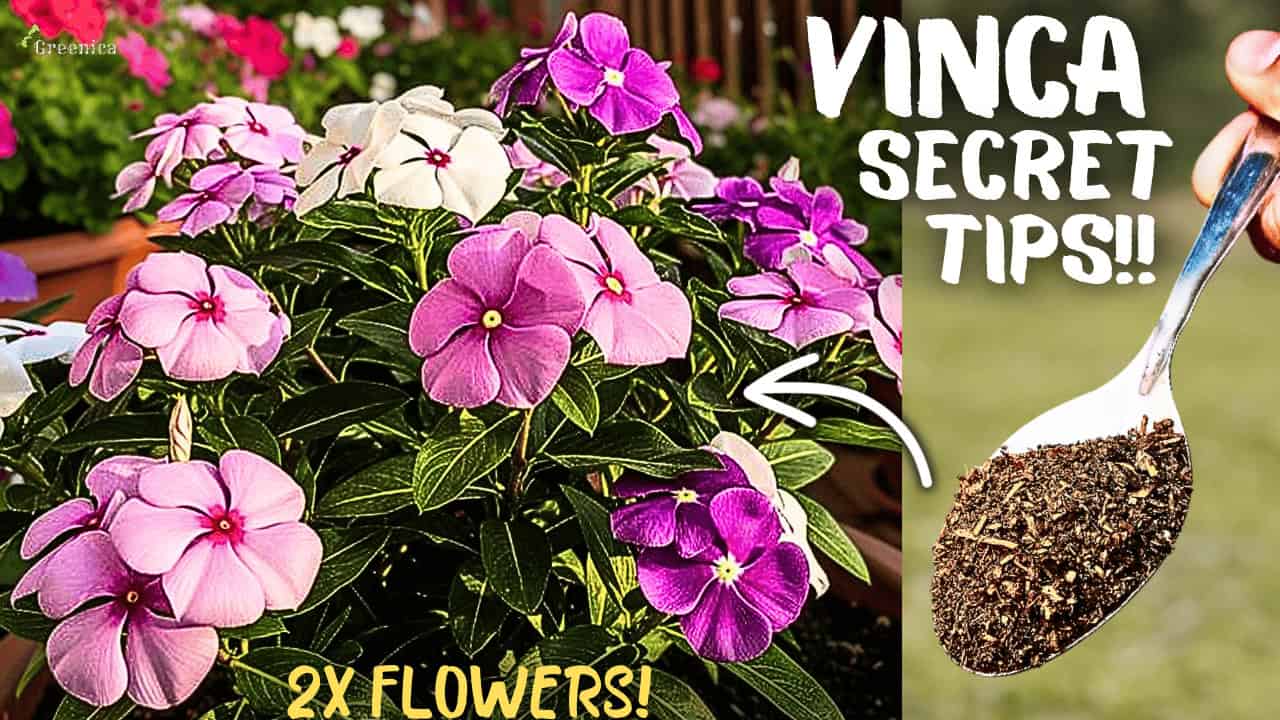
Vinca Plant SECRET Care Tips, That Doubles Flowering!
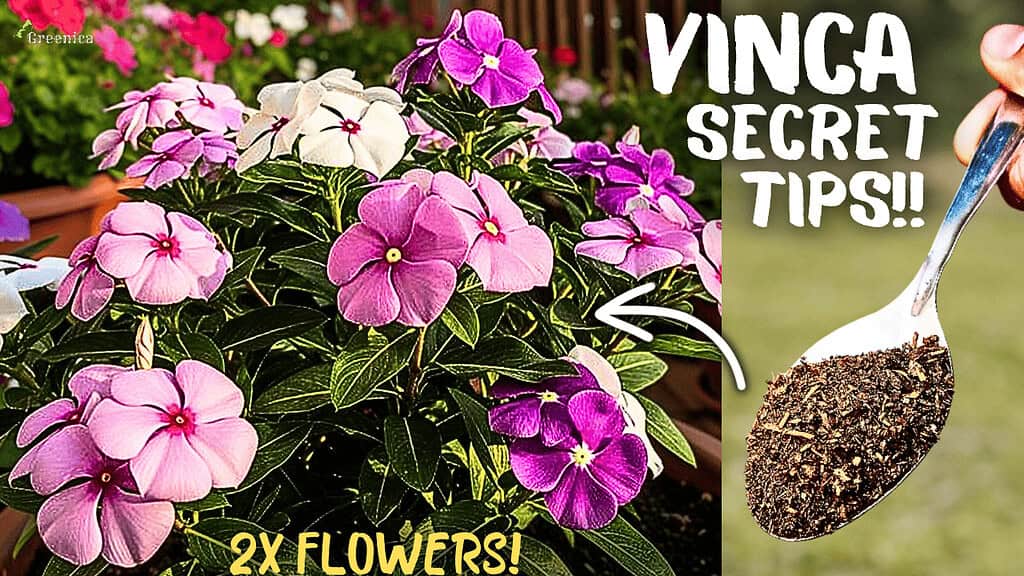
If your Vinca plant is not flowering, you are definitely missing one of these. Here we will see Vinca plant secret care tips that make a lot of flowers. We will cover everything from season to soil, and most importantly, the fertilizer I use.
1-Learn More About Your Climate

The first and most common mistake beginners make while growing a Vinca plant is about the season. If you are also making the same mistake, you won’t get a lot of flowers on your plant, no matter what you do.
It’s the most important thing. Vinca is a hardy and low-maintenance plant that likes a warm environment. It naturally struggles to grow in winters because the weather is not ideal at all.
Now about the mistake beginners make: someone tells them it’s a four-season plant, and they consider growing it even during winter, and that is the problem.
It is a four-season plant, and you may see flowers in every season, but the best flowering happens mostly in summers when the temperature is warm. In winters, if your plant is placed in a closed or shaded spot, you will see a lot of yellow leaves. The plant may even die due to harsh weather, so we have to consider this too.
But nothing to worry about. Here is the solution: you have to understand the climate of your region. You might be living in a temperate region where summers are very hot.
Or you may be living in a colder region where winters are very harsh and summers are moderately warm. High temperature is not a problem for Vinca plants at all. It thrives in a hot environment.
I live in a moderate climate region, and this plant doesn’t stop flowering even in mid-summers when the temperature exceeds 40–45°C. In winters, I see only a few yellow leaves and slow growth on the plant, but besides that, it is very hardy and survives through winters.

I remember when I was a beginner, I used to expect growth and flowering from my Vinca plants in winters. But after several failures, I realized it is a summer-season plant that likes warm weather.
You might be making the same mistake, so simply fix this. Try growing Vinca as the spring season begins, and you will be surprised how easy it is to grow.
If you live in a colder region where winter temperatures drop below 0°C, you should move your Vinca plant indoors, or at least into shade. Otherwise, it can die. Indoors or in shade, the plant can bear the change and pass through the hard time.
2-The Soil Media It Likes
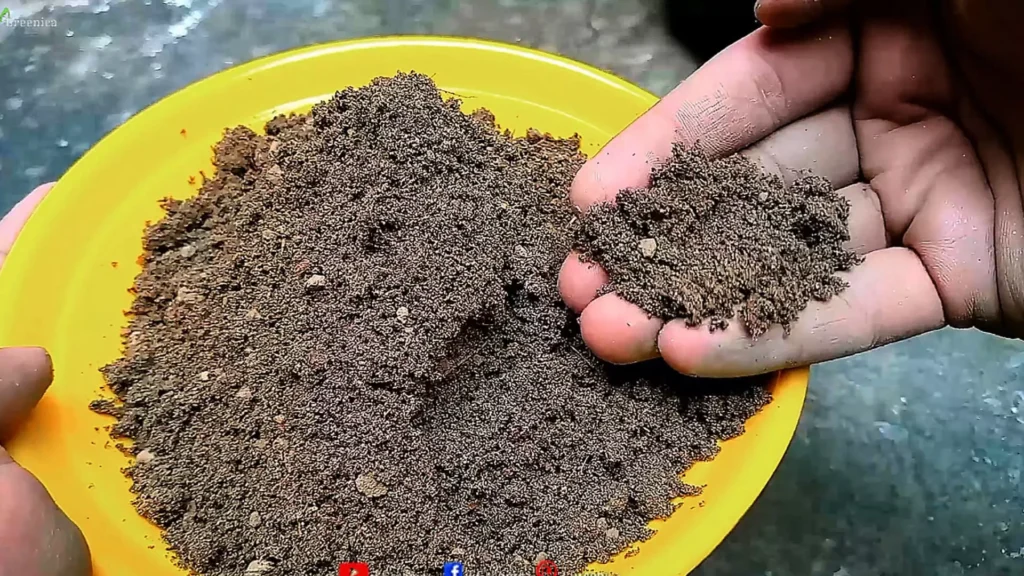
Another thing you need to understand very carefully about Vinca plants is the soil media. Soil media is a fundamental thing for Vinca plants.
I know it is a hardy and low-maintenance plant, and it can survive in a variety of mixes, but you can’t imagine how well it performs if you provide the right mixture. I have been growing Vinca plants since the pandemic, and it loves a sandy, loose, and fertile medium.
One reason people fail to get a lot of Vinca flowers is that they try any mixture and then overwater. Overwatering won’t be a problem at all if you provide an ideal soil media like this one.
Just make sure your soil is not holding too much moisture, as the plant gets stressed by water blockage. First, yellow leaves appear, then the plant slows down its growth, and it can even die. The best solution is to provide a good soil media. A simple soil recipe is also added Here, if you would like to follow it.
3-Place It Here for Flowering
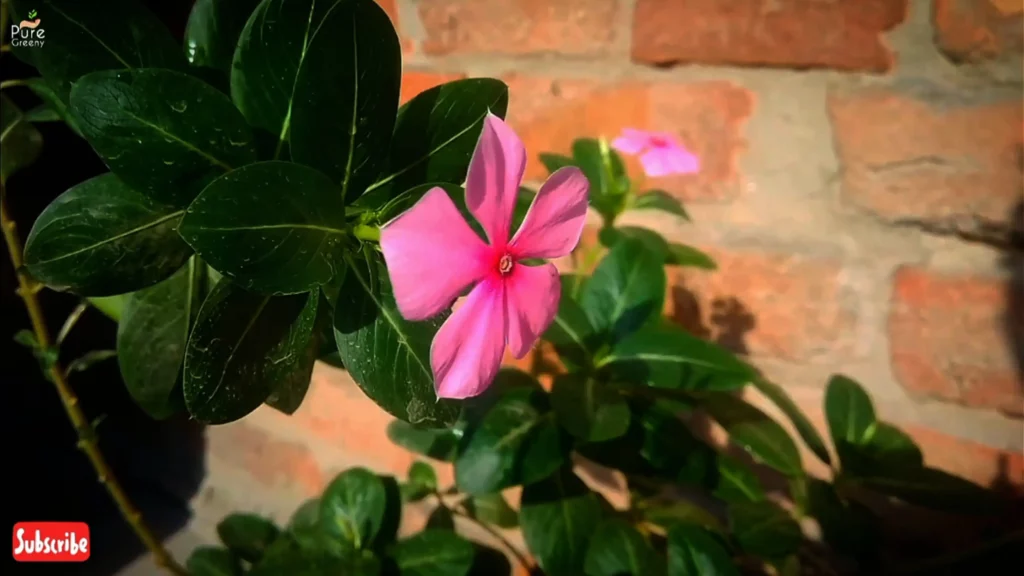
Another very beneficial thing for the Vinca plant is the right location. This is also where beginners fail. If you understand this point carefully, you will get a lot of growth and flowering. It’s not complicated, just simple science.
Plants tend to produce buds and flowers when they are placed in a sunny spot. The plant’s immunity strengthens, fewer problems appear, and it produces more branches and more flowers.
Vinca rosea, also known as periwinkle, loves a lot of sunlight. If you are keeping your Vinca plant in shade or a dark spot, you are simply limiting its growth. Consider my advice: move it to a sunny spot, and the results will surprise you.
More leaves, more branches, more roots, more flowers—everything improves. Moving your plant to a sunny spot is the best thing you can do.
One pro tip: if you are growing your Vinca plant in a pot, you might see some leaf burning during mid-summers due to excessive heat, but that’s temporary.
With the fertilizer I’ll mention, you may not even see this issue. More on that in a moment. Or you can move your Vinca plant to shade during June and July. Just don’t keep it in shade forever, as it limits growth and tests your patience.
4-Does Pruning Help or Not?

You might have done pruning before but didn’t get any surprising results. That’s because you were doing it the wrong way. Here’s the correct method.
For improving the overall growth and health of your Vinca plant, you should do light pruning, which is very beneficial. The proper way to prune a Vinca plant is to look for new growth before pruning.
If you don’t see any new growth, pruning is not useful at all. New leaves are a sign of active growth, which means the plant will respond immediately when you cut some of its branches.
When the plant is under stress or shock, it doesn’t respond to pruning. Use a sharp and clean cutter. You can clean it with hydrogen peroxide; it’s also added Here to Buy.
Just cut off about an inch of the growing shoots, and that’s it. You can do this once a month. Just remember, the secret is to look for new growth and then prune.
5-The Fertilizer I Use….

Now comes an important part of this: fertilization. Proper fertilization is where most people struggle. They try something new every time—they use chemical fertilizers, organic ones, sometimes in high doses. That is not the right approach.
Here is the method I have followed over the years, and I have never faced over-fertilizing. Instead of using different fertilizers for every plant, what if we prepare a single fertilizer that works best for all flowering plants? It is made from organic ingredients.
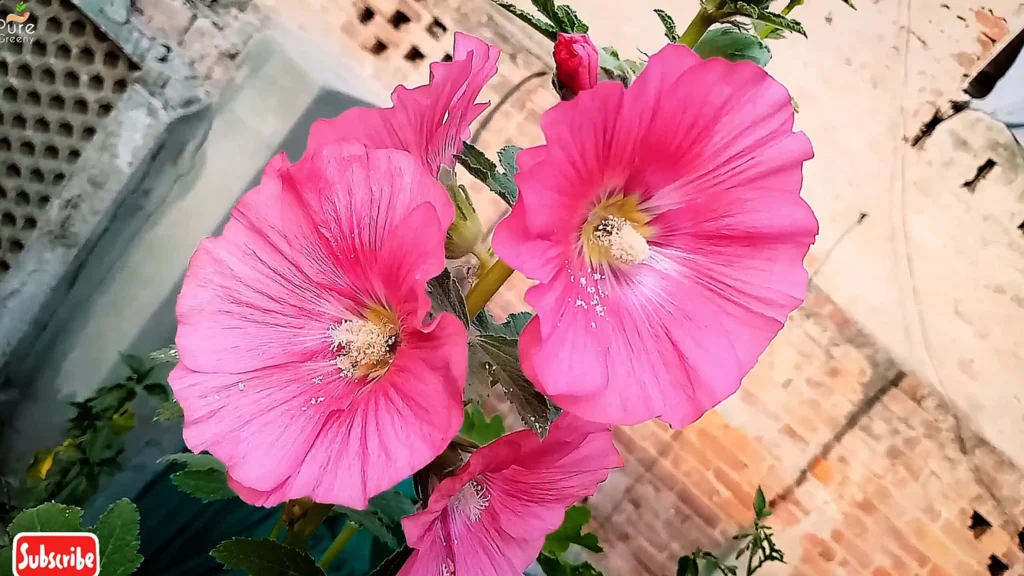
I tried it on winter flowering plants like hollyhocks, African daisy, cosmos, petunias, etc., and the results were amazing. I even used it on my amaryllis plants when they were not blooming, and the result was clearly Amazing. detailed Guide on Making This Amazing Fertilizer is added Here.
You can use it on Vinca plants at least once a month. It helps protect the plant from the heat of June and July and also supports the growth of new shoots after pruning. You can apply this fertilizer after pruning so the plant can use the nutrients effectively.
So these are the tips and tricks you can use on your Vinca plants regularly to get a lot of flowers. And here is a detailed guide on another summer flowering plant called mogra jasmine.